My Cart: 0 item(s)

Extreme Corals News and Updates
Mycedium Coral Care Guide: Lighting, Flow, Feeding and Placement in Reef Tanks
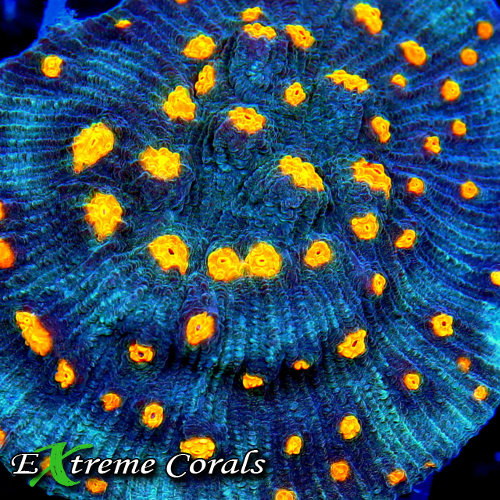
Learn how to care for Mycedium coral in a reef tank with tips on lighting, water flow, feeding, water quality, propagation, and keeping this unique LPS coral healthy.
Learn how to care for Mycedium coral in a reef tank with guidance on lighting, flow, feeding, water quality, propagation, and long-term coral health.
by Scott Shiles • April 07, 2026
Mycedium coral is a unique and eye-catching LPS coral that stands out in reef aquariums because of its vivid colors, unusual shape, and dramatic growth pattern. Often appreciated for its sharp ridges and plated or folded appearance, Mycedium can become a striking display coral in a well-maintained reef tank. This guide explains how to care for Mycedium in a reef tank, including lighting, water flow, water quality, feeding, propagation, and the best ways to keep it healthy and vibrant over time.
For many reef keepers, Mycedium offers something different from more common fleshy LPS corals. It has a more sculptural, angular look that gives the aquarium a more layered and exotic appearance. While it is not usually considered the most difficult coral to keep, it still depends on stable conditions, thoughtful placement, and regular attention to water quality.
Looking to add colorful LPS corals to your reef tank? Browse our LPS corals for sale and explore healthy corals for your aquarium.
What Is Mycedium Coral?
Mycedium, sometimes referred to as Mycedium elephantotus, is a type of LPS coral that is native to the Indo-Pacific region. It is popular among reef hobbyists because of its bright coloration and distinct growth pattern. Unlike many rounder or fleshier large polyp stony corals, Mycedium often develops a more angular and layered structure that gives it a very different visual look in the tank.
This unusual appearance is one of the biggest reasons hobbyists choose it when they want a coral that feels less common and more visually distinctive.
Why Mycedium Is Popular in Reef Aquariums
- It has bright and often dramatic coloration
- It offers a unique branching or plated appearance
- It adds structure and texture to the reefscape
- It stands out from more common fleshy LPS corals
- It can become a real showpiece in a stable system
Mycedium is a great option for reef keepers who want a coral that brings strong visual interest without looking like every other coral in the tank.
Lighting Requirements
Mycedium requires moderate to high lighting in order to thrive. Strong, stable lighting helps support healthy tissue, good coloration, and steady growth.
- Moderate to high lighting is usually ideal
- Metal halide or LED lighting can work well
- A color temperature around 10,000K to 20,000K is often recommended
- Avoid placing the coral too close to the light source
While Mycedium needs enough light to stay healthy, excessive intensity placed too close to the coral can lead to bleaching or tissue damage. Good light placement matters just as much as light strength.
If you want to understand reef lighting better, read our guide on reef tank lighting.
Water Flow Requirements
Mycedium requires moderate to high water flow to maintain its health and growth. Good water movement helps prevent debris from settling on the coral while also delivering nutrients and maintaining cleaner tissue surfaces.
- Use moderate to high indirect flow
- Create a gentle but consistent flow around the coral
- Avoid overly harsh direct blasting
- Use powerheads or circulation devices to keep water moving well
Balanced flow is important because it helps keep the coral clean without causing tissue stress. Proper circulation also improves nutrient transport throughout the coral’s surface area.
If you want to learn more about circulation, read our guide on water flow and coral health.
Water Quality Requirements
Mycedium is sensitive to changes in water quality, so maintaining a stable and healthy environment is one of the most important parts of long-term success. Like many LPS corals, it usually responds best to stable conditions instead of frequent corrections.
- pH: 8.1-8.4
- Salinity: 1.023-1.025
- Nitrate: keep as low as possible
- Phosphate: keep as low as possible
- Calcium: maintain stable reef levels
- Alkalinity: maintain stable reef levels
- Magnesium: maintain stable reef levels
Regular water testing is important because small shifts in chemistry can affect tissue health, coloration, and overall growth. Stable water usually leads to better long-term results than constantly chasing numbers.
If you are working on chemistry stability, read our guide on pH and alkalinity in reef tanks.
Feeding Requirements
Mycedium is a photosynthetic coral, which means it gets much of its nutrition from the symbiotic algae living in its tissue. However, it also benefits from regular supplemental feeding.
- Feed small planktonic foods such as rotifers or copepods
- Phytoplankton or commercial coral food can also be used
- Target feeding with a pipette or syringe can help
- Regular feeding can encourage health and growth
Like many corals, Mycedium benefits most from moderate, consistent feeding rather than excessive feeding that creates nutrient problems. A balanced feeding routine can help improve vitality without hurting water quality.
If you want to learn more about coral foods, read our guide on feeding different types of corals in a reef tank.
Placement in the Aquarium
Placement matters with Mycedium because this coral needs enough light and flow to stay healthy while also remaining free from physical irritation by neighboring corals.
- Place Mycedium on a stable rock or coral frag plug
- Keep it away from direct contact with other corals
- Avoid areas where it may be shaded by rockwork or larger colonies
- Choose a location with balanced light and consistent flow
A good placement zone supports both growth and coloration. Crowding, shading, or poor positioning can quickly reduce how well the coral performs.
How to Tell If Mycedium Is Healthy
- Color remains bright and stable
- Tissue stays intact and well attached
- The coral does not show signs of bleaching or recession
- Its surface remains clean without heavy debris buildup
- It responds well to stable conditions and feeding
A healthy Mycedium usually looks settled, colorful, and stable in its position. If it begins fading or showing tissue problems, it is often a sign that some part of the environment needs adjustment.
Propagation
Mycedium can be propagated through fragmentation. This involves cutting a small piece of the coral and allowing it to attach to a new substrate so that it can continue growing as a separate colony.
- Use a sharp scalpel or razor blade
- Cut carefully and at an angle when possible
- Avoid damaging healthy tissue more than necessary
- Attach the fragment to a new substrate using coral glue
Fragmentation can be a useful way to expand your coral collection or preserve a healthy colony over time, but it should always be done carefully to minimize stress and damage.
If you want to learn more about propagation, read our guide on how to frag corals.
Common Signs of Stress
Mycedium often gives visible signs when conditions are not ideal. Catching those signs early can make correction much easier.
- Bleaching from excessive light
- Tissue damage from harsh flow
- Color loss from unstable water quality
- Recession from poor placement or chemical instability
If these issues appear, review lighting intensity, water movement, water chemistry, and nearby coral placement before the problem gets worse.
Best Tank Setup for Mycedium Coral
Mycedium usually does best in reef tanks with:
- Stable water chemistry
- Moderate to high lighting
- Moderate to high indirect flow
- Regular controlled feeding
- Enough room away from neighboring corals
This makes Mycedium a strong choice for reef keepers who want a unique, colorful LPS coral that adds texture and shape to the reefscape without being overly demanding in a stable system.
Related Corals You May Also Like
If you are interested in Mycedium coral, you may also want to explore other colorful LPS corals and related reef tank guides:
- Browse LPS corals for sale
- Echinophyllia chalice care guide
- Chalice coral care guide
- Lobophyllia coral care guide
- LPS corals overview
Ready to add a unique Mycedium coral to your reef tank? Browse our LPS corals for sale and explore healthy additions for your aquarium.
Shop Mycedium and LPS Corals
Explore our WYSIWYG LPS corals, new arrival corals, and featured corals to build a more colorful reef tank.
Final Thoughts
Mycedium is a beautiful and unusual LPS coral that can make a fantastic addition to a home reef tank when its basic needs are met. By maintaining stable water quality, providing appropriate lighting and flow, feeding regularly, and giving the coral a good placement zone, you can help ensure that Mycedium remains healthy, colorful, and rewarding for many years.
Frequently Asked Questions
Q: Is Mycedium beginner friendly?
A: It can be manageable in a stable reef tank, especially for hobbyists who already understand basic LPS coral care.
Q: What lighting does Mycedium need?
A: Moderate to high lighting is usually best, but avoid placing it too close to the light source.
Q: Does Mycedium need feeding?
A: Yes, supplemental feeding can help. Rotifers, copepods, phytoplankton, and coral foods are useful options.
Q: What flow is best for Mycedium?
A: Moderate to high indirect flow is usually ideal because it keeps the coral clean without damaging tissue.
Q: Can Mycedium be fragged?
A: Yes. Mycedium can be propagated through careful fragmentation using a sharp blade and coral glue.
About the Author
Scott Shiles is the owner of ExtremeCorals.com, which he has operated for over 25 years and is recognized as one of the early dedicated live coral websites on the internet. A lifelong reef keeper since 1984, Scott has decades of hands-on experience maintaining marine aquariums and previously owned and operated a brick and mortar aquarium retail store for 10 years, including five years alongside Extreme Corals. He holds a degree in Marine Biology and has personally selected and sold hundreds of thousands of live corals. An avid scuba diver who has explored reef systems around the world, Scott shares practical coral care and husbandry knowledge based on real world reef experience.
overall rating:
my rating:
log in to rate
Please log in to leave a comment.
For more information visit: additional resources