My Cart: 0 item(s)

Extreme Corals News and Updates
Keeping Toadstool Leather Corals Healthy: A Reef Tank Guide to Light, Flow and Placement
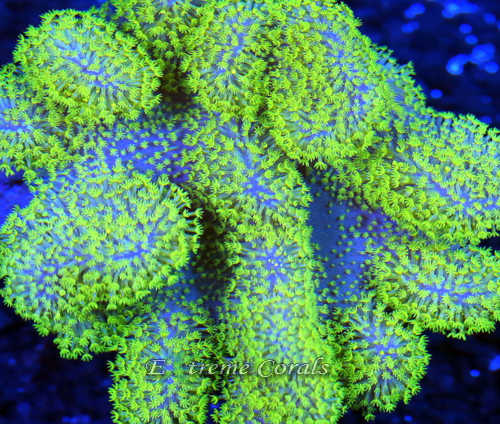
Learn how to care for Leptoseris coral in a reef tank with the right lighting, water flow, placement, feeding, and stable water chemistry for long-term SPS success.
Learn how to care for Leptoseris coral in a reef tank with tips on lighting, flow, placement, feeding, and stable water parameters for healthy long-term growth.
by Scott Shiles • March 01, 2023
Toadstool leather coral is one of the most popular soft corals in reef tanks because it combines hardiness, movement, and a natural reef look with relatively easy care requirements. Also known as Sarcophyton glaucum, this coral is a favorite among both beginners and experienced reef keepers. This guide explains how to care for toadstool leather coral in a reef tank, including lighting, water flow, placement, feeding, water parameters, handling, and the most common problems to watch for.
For many hobbyists, toadstool leather coral is a great way to add texture and motion to a reef aquarium without taking on the higher demands of many SPS corals. Its broad cap and extending polyps can create a beautiful natural look in mixed reefs and soft coral systems. With stable conditions and thoughtful placement, it can become one of the most rewarding soft corals in the tank.
Looking to add a hardy soft coral to your reef tank? Browse our soft corals for sale and explore healthy corals for your aquarium.
What Is Toadstool Leather Coral?
Toadstool leather coral is a soft coral known for its thick stalk, broad cap, and small polyps that extend from the upper surface. It is often chosen for reef tanks because it adds strong structure and gentle movement without the fragility of many stony corals.
This coral can become an impressive centerpiece over time, especially in tanks where soft corals and LPS corals are featured together. It is also one of the better choices for reef keepers looking for a coral that is attractive, forgiving, and adaptable.
Why Toadstool Leather Corals Are So Popular
- They are generally hardy and beginner-friendly
- They add height and structure to the reef tank
- Their extended polyps create natural movement
- They work well in mixed reefs and soft coral systems
- They can thrive without the demands of many SPS corals
Toadstool leathers are especially useful for hobbyists who want a coral that fills visual space and creates a more natural reef appearance without requiring constant attention.
Lighting for Toadstool Leather Coral
Toadstool leather coral generally does best under moderate to moderately high lighting. While it can adapt to a range of setups, it is usually best to avoid placing it directly under the most intense part of the light source, especially if the coral has not been acclimated carefully.
- Moderate to moderately high lighting is usually ideal
- Avoid placing it directly under the strongest light without acclimation
- Stable lighting helps maintain healthy polyp extension
- Too much light too quickly can lead to stress or bleaching
Many reef keepers have success placing toadstool leather in a moderately lit area where it can receive steady light without being blasted from above. A gradual acclimation process is always safer than a sudden move into brighter conditions.
If you are still fine-tuning your system, learn more about coral lighting.
Water Flow for Toadstool Leather
Toadstool leather coral usually prefers moderate to strong water flow, but the flow should be indirect rather than a harsh direct blast. Good water movement helps keep the coral clean, supports gas exchange, and can help it shed any waxy film that may develop during normal growth.
- Moderate to strong indirect flow is usually best
- Flow helps keep debris from settling on the coral
- Too little flow can leave the coral looking dirty or irritated
- Too much direct flow may keep the coral from extending well
A gentle but active current usually produces the best response. The coral should move naturally, not collapse or stay tightly closed from excessive pressure.
You can also read our reef flow guide.
Best Placement for Toadstool Leather in a Reef Tank
Placement should be based on both lighting and flow. Toadstool leather often does well in a slightly shaded area with good water movement, where it has room to expand without being crowded by neighboring corals.
- Place it where it receives moderate light and good indirect flow
- Give the cap enough room to expand fully
- Avoid crowded placement near aggressive corals
- Choose a stable location where it will not need frequent moving
Because toadstool leathers can grow into fairly large colonies, planning ahead is important. A small specimen may eventually become a broad, dominant coral in the aquascape.
Water Parameters for Toadstool Leather Coral
Stable water chemistry is important for long-term health. Toadstool leather corals are generally forgiving, but they still benefit from consistent reef parameters and routine maintenance.
- Salinity: 1.023-1.025
- pH: 8.1-8.4
- Temperature: 75-80°F
- Alkalinity: 8-12 dKH
- Calcium: 400-450 ppm
- Magnesium: 1200-1350 ppm
- Nitrate: less than 5 ppm
- Phosphate: less than 0.05 ppm
Regular testing and water changes help maintain stability and reduce the chance of stress-related problems. Like many corals, toadstool leather usually responds better to stable conditions than to constant small corrections.
If you are working on chemistry stability, learn more about pH and alkalinity in reef tanks.
Does Toadstool Leather Need Feeding?
Toadstool leather coral gets much of its nutrition through photosynthesis, but it may also benefit from occasional supplemental feeding. While feeding is not always required, it can help support growth and overall health in some systems.
- Photosynthesis is the main energy source
- Occasional small meaty foods may be offered
- Mysis shrimp, brine shrimp, or finely chopped seafood can be used
- Feed lightly once or twice a week if the tank can support it
As with all coral feeding, it is important not to overfeed. Uneaten food can create water quality problems that do more harm than good.
Handling Toadstool Leather Coral Safely
Because toadstool leather coral has soft, flexible tissue, it should always be handled gently. Rough handling can tear tissue or stress the coral unnecessarily.
- Do not pull on the stalk or cap
- Move the coral by lifting the rock or substrate it is attached to
- Avoid repeated repositioning unless necessary
- Handle carefully during maintenance or aquascape changes
Gentle handling helps protect the coral and reduces the risk of tissue damage or prolonged closure after being moved.
Growth, Behavior, and Normal Appearance
Healthy toadstool leathers may open and close periodically, and they may sometimes shed a waxy surface film as part of normal maintenance. This can worry newer hobbyists, but it is often normal behavior.
- Temporary closure can be normal
- Shedding is common in leather corals
- Good flow helps the coral clean itself
- Stable conditions support better long-term growth
As long as the coral reopens and tissue remains healthy, occasional shedding is usually not a reason to panic. Persistent closure with tissue damage is a different issue and should be investigated.
Common Toadstool Leather Problems
Bleaching
Too much light too quickly or poor acclimation can stress the coral and lead to bleaching.
Bacterial or Parasitic Issues
Although toadstool leather is generally hardy, it can still be affected by infections or parasites if water quality drops or stress is ignored.
Poor Extension
This may be linked to weak flow, unstable water, lighting stress, or irritation from nearby corals.
Tissue Damage
Improper handling or repeated movement can cause tearing or stress-related decline.
How to Tell If Toadstool Leather Is Healthy
- Polyps extend regularly when the coral is settled
- The cap looks full and stable
- There is no visible tissue damage or decay
- The coral reopens after normal shedding behavior
A healthy toadstool leather usually has a strong upright form and good polyp extension when conditions are right. If it stays closed for too long or shows visible tissue decline, it is worth reviewing placement and water quality right away.
Related Corals You May Also Like
If you are interested in toadstool leather coral, you may also want to explore other soft corals and reef-friendly corals for mixed reef tanks:
- Browse soft corals for sale
- Zoanthid care guide
- Green Star Polyp care guide
- Xenia coral care tips
- Overview of coral types and care guidelines
Ready to add a hardy soft coral to your reef tank? Browse our soft corals for sale and explore healthy corals for your aquarium.
Shop Toadstool Leather and Soft Corals
Explore our WYSIWYG soft corals and find colorful reef-safe corals for your tank.
Frequently Asked Questions
Q: Does toadstool leather coral need strong light?
A: It usually does best under moderate to moderately high lighting, but it should be acclimated carefully and not placed directly under intense light too quickly.
Q: What flow is best for toadstool leather coral?
A: Moderate to strong indirect flow is usually ideal because it helps keep the coral clean without irritating the tissue.
Q: Does toadstool leather need feeding?
A: It gets much of its nutrition from photosynthesis, but occasional supplemental feeding can be beneficial in some tanks.
Q: Why is my toadstool leather coral closed?
A: Temporary closure can be normal, especially during shedding, but prolonged closure may indicate stress from flow, lighting, water quality, or nearby aggression.
Q: Is toadstool leather coral good for beginners?
A: Yes. It is often considered one of the better beginner-friendly soft corals because it is hardy, attractive, and relatively easy to care for.
About the Author
Scott Shiles is the owner of ExtremeCorals.com, which he has operated for over 25 years and is recognized as one of the early dedicated live coral websites on the internet. A lifelong reef keeper since 1984, Scott has decades of hands-on experience maintaining marine aquariums and previously owned and operated a brick and mortar aquarium retail store for 10 years, including five years alongside Extreme Corals. He holds a degree in Marine Biology and has personally selected and sold hundreds of thousands of live corals. An avid scuba diver who has explored reef systems around the world, Scott shares practical coral care and husbandry knowledge based on real world reef experience.
overall rating:
my rating:
log in to rate
Please log in to leave a comment.
For more information visit: additional resources