My Cart: 0 item(s)

Extreme Corals News and Updates
Saltwater Aquarium Maintenance Guide: Daily, Weekly and Monthly Reef Tank Care
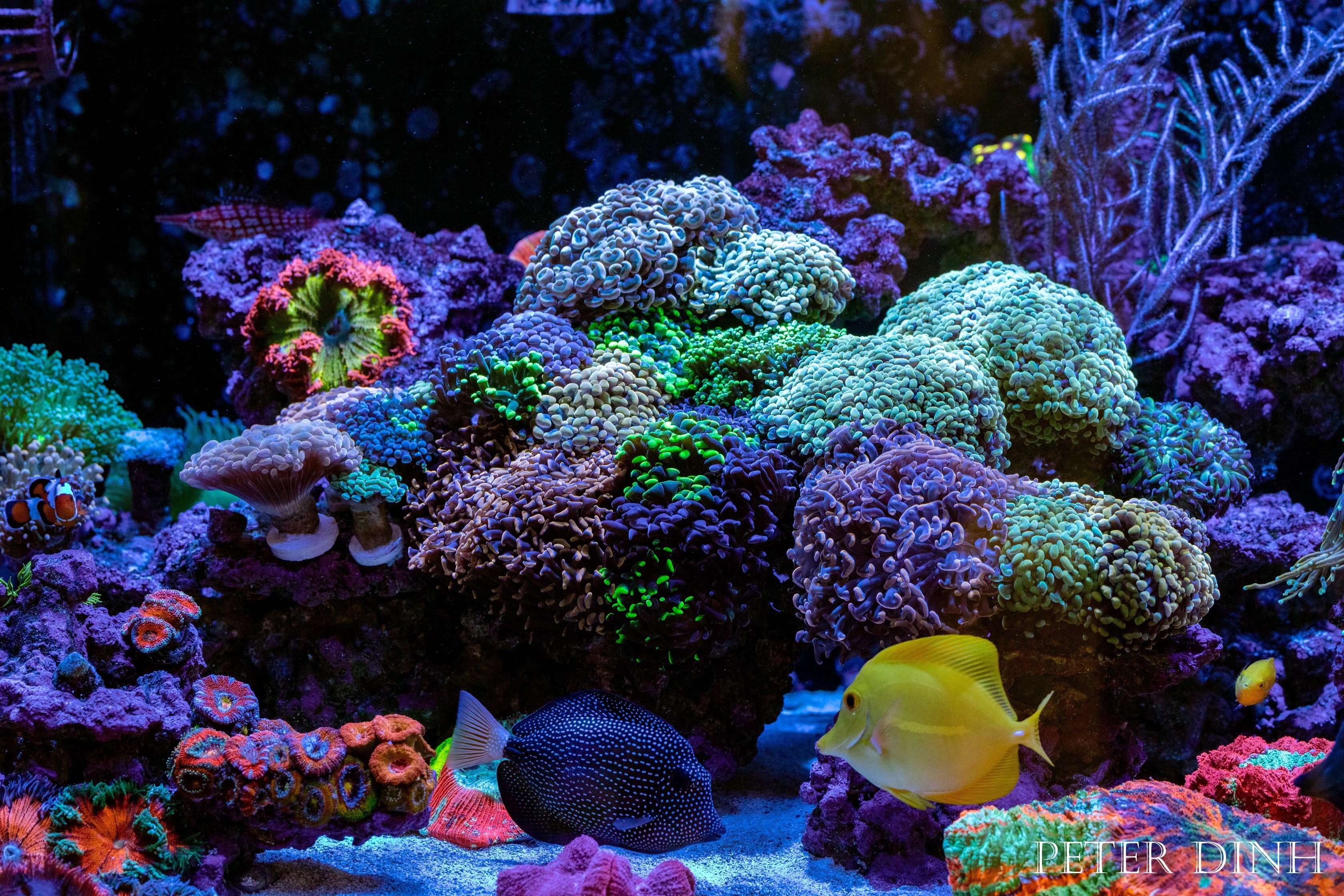
As you set up your saltwater aquarium, you need to know these basics for maintaining your salinity, temperature, and more.
We at Extreme Corals want only the best experience for you and your livestock. Maintaining your saltwater environment is worth keeping your corals healthy.
by Scott Shiles • November 12, 2022
Reef Tank Maintenance, Reef Tank Equipment, All Corals
Looking to keep your reef tank stable and thriving? Start with our complete coral care guide and browse our new arrival corals when your system is ready for new additions.
Proper saltwater aquarium maintenance is the key to healthy corals, stable water parameters, and long-term reef tank success. This guide breaks down exactly how to maintain a reef aquarium with simple daily, weekly, and monthly routines so you can avoid common problems like algae outbreaks, parameter swings, and coral stress.
Many reef tank issues don’t come from major mistakes—they come from inconsistency. In the ocean, conditions change slowly. In a closed aquarium system, even small neglect can cause rapid swings in salinity, nutrients, or alkalinity. The goal of maintenance is not perfection—it is stability.
Why Consistency Is Everything in Reef Tank Maintenance
Corals and marine fish are adapted to stable environments. When salinity, temperature, and chemistry stay consistent, corals extend better, maintain color, and grow more predictably. When those parameters swing, even slightly, stress builds quickly.
Proper maintenance prevents:
- Algae outbreaks
- Coral recession or bleaching
- Fish stress and disease
- Unstable nutrient levels
Water changes, testing, and observation are the backbone of long-term success in reef keeping.
Daily Saltwater Aquarium Maintenance Tasks
Daily maintenance doesn’t need to take long, but it is critical for catching problems early.
- Check temperature and ensure heater is functioning properly
- Verify salinity remains stable (especially in open-top tanks)
- Observe coral extension and fish behavior
- Top off evaporated water with fresh RO/DI water
- Feed fish and corals appropriately (avoid overfeeding)
These quick checks help you spot issues before they turn into larger problems. A coral that suddenly stays closed is often your first warning sign.
Weekly Reef Tank Maintenance Routine
Weekly tasks are where most of the real stability comes from. Skipping these is one of the fastest ways to create long-term problems.
- Test water parameters (salinity, pH, alkalinity, nitrate, phosphate)
- Perform partial water changes (typically 10–20%)
- Clean algae from glass and surfaces
- Inspect pumps, powerheads, and filtration
- Remove detritus buildup from low-flow areas
Water changes are especially important because they replenish trace elements, stabilize chemistry, and remove accumulated waste that filtration alone cannot eliminate :contentReference[oaicite:1]{index=1}.
If you want to better understand how chemistry affects coral health, read our guide to pH and alkalinity in reef tanks.
Monthly Maintenance and System Checks
Monthly maintenance focuses on equipment reliability and long-term system performance.
- Clean pumps, wavemakers, and filtration components
- Inspect lighting and adjust intensity if needed
- Replace or clean mechanical filtration media
- Review coral growth and adjust placement if necessary
- Check for salt creep and clean affected areas
As your reef matures, these checks become even more important because coral growth, bio-load, and nutrient demand all increase over time.
Maintaining Stable Water Parameters
Stable parameters matter more than chasing perfect numbers. Focus on keeping values consistent rather than constantly adjusting them.
Key areas to monitor:
- Salinity
- Temperature
- Alkalinity
- Calcium and magnesium
- Nitrate and phosphate
Fluctuations in alkalinity and salinity are among the most common causes of coral stress. Testing regularly and making slow adjustments is the best approach.
Lighting and Flow Maintenance
Maintenance isn’t just about water—it also includes making sure your lighting and flow remain consistent.
Lighting should follow a stable daily schedule. Sudden changes in intensity can stress corals and disrupt their internal balance. Learn more about how lighting affects coral growth.
Flow should be strong enough to keep detritus suspended without blasting coral tissue. Dead spots often lead to algae and nutrient buildup. For more detail, read our reef flow guide.
Feeding and Nutrient Control
Overfeeding is one of the most common maintenance mistakes. Excess food quickly turns into nutrient problems, which leads to algae and declining water quality.
A balanced approach includes:
- Feeding small portions consistently
- Monitoring nitrate and phosphate levels
- Adjusting feeding based on coral and fish load
Healthy systems maintain a balance where corals receive enough nutrients without allowing waste to accumulate.
Common Saltwater Aquarium Maintenance Mistakes
Many reef problems can be traced back to a few common issues:
- Skipping water changes
- Making sudden parameter adjustments
- Overfeeding fish and corals
- Ignoring early warning signs
- Letting equipment go uncleaned
Consistency beats intensity. A simple routine done regularly is more effective than occasional deep cleaning.
Signs Your Reef Tank Is Healthy
Well-maintained reef tanks show clear signs of stability:
- Consistent coral extension
- Strong coloration
- Minimal nuisance algae
- Stable test results week to week
If your tank is predictable, you are on the right track.
Shop Healthy Corals for a Stable Reef Tank
Once your maintenance routine is consistent, you can confidently expand your reef. Browse our featured corals for sale, new coral frags, and new coral colonies to find high-quality pieces for your aquarium.
Frequently Asked Questions
Q: How often should I do water changes in a saltwater aquarium?
A: Most reef tanks benefit from weekly or biweekly water changes of about 10–20% to maintain stability and replenish elements.
Q: What is the most important part of reef tank maintenance?
A: Stability is the most important factor. Keeping salinity, temperature, and alkalinity consistent prevents most common problems.
Q: How do I keep my saltwater tank clean?
A: Regular water changes, proper flow, controlled feeding, and consistent cleaning of algae and detritus keep the tank clean.
Q: How often should I test my reef tank water?
A: Weekly testing is recommended for most systems, with more frequent checks when adjusting parameters.
Q: Why is my reef tank getting algae?
A: Algae is usually caused by excess nutrients, poor flow, or inconsistent maintenance routines.
About the Author
Scott Shiles is the owner of ExtremeCorals.com, which he has operated for over 25 years and is recognized as one of the early dedicated live coral websites on the internet. A lifelong reef keeper since 1984, Scott has decades of hands-on experience maintaining marine aquariums and previously owned and operated a brick and mortar aquarium retail store for 10 years, including five years alongside Extreme Corals. He holds a degree in Marine Biology and has personally selected and sold hundreds of thousands of live corals. An avid scuba diver who has explored reef systems around the world, Scott shares practical coral care and husbandry knowledge based on real world reef experience.
overall rating:
my rating:
log in to rate
Please log in to leave a comment.
For more information visit: additional resources