My Cart: 0 item(s)

Extreme Corals News and Updates
Platygyra Coral Care and Aquascaping Guide: Brain Coral Color, Pattern and Placement
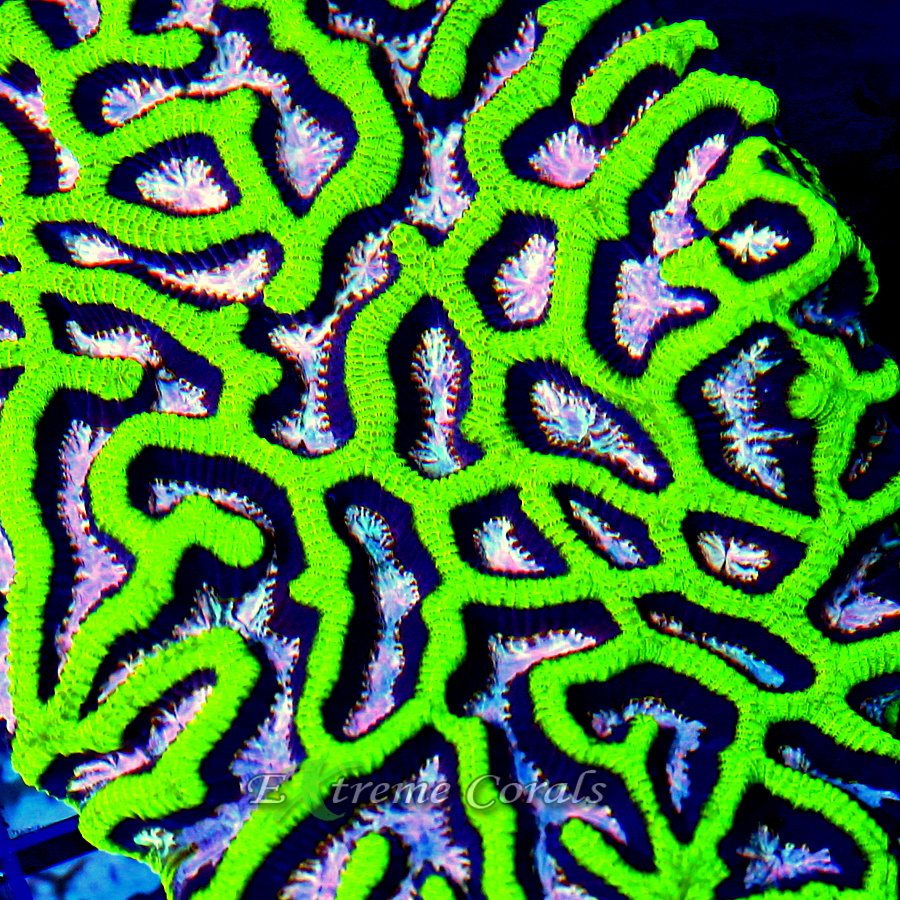
Learn how Platygyra corals can add structure, color, texture, and long-term visual interest to a reef aquarium, with practical tips on lighting, flow, placement, feeding, water parameters, spacing, and LPS coral care.
Learn Platygyra coral care for reef tanks, including lighting, flow, feeding, placement, water parameters, growth, compatibility, stress signs, and brain coral aquascaping tips.
by Scott Shiles • April 29, 2026
Platygyra corals are some of the most recognizable brain corals in the reef aquarium hobby. Their maze-like ridges, rounded growth forms, bold color patterns, and hardy LPS nature make them excellent choices for reef keepers who want a coral that adds structure and visual depth without requiring extreme care demands.
Often called brain corals, maze brain corals, or ridged brain corals, Platygyra can bring a very different look to a reef tank than branching Euphyllia, soft corals, zoanthids, or SPS colonies. Instead of movement from long tentacles, Platygyra adds texture, pattern, and a sculpted reef appearance that can anchor the lower or middle areas of an aquascape.
At Extreme Corals, Platygyra corals are valued because they combine strong visual appeal with practical reef tank durability. They are not maintenance-free, but with stable water, moderate lighting, indirect flow, proper spacing, and occasional feeding, Platygyra can become a long-lasting LPS showpiece in a home reef aquarium.
What Makes Platygyra Coral Unique?
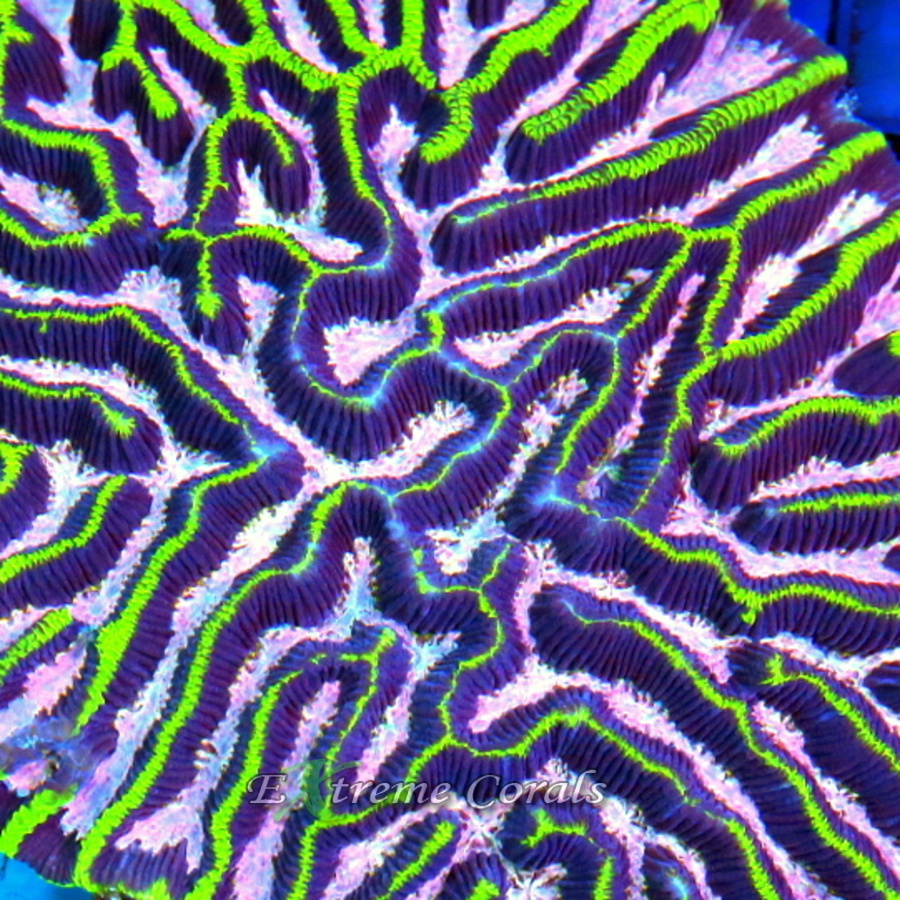
Platygyra coral stands out because of its maze-like skeletal ridges and fleshy tissue that follows those patterns. When viewed from above, many Platygyra colonies look like natural reef artwork, with grooves, valleys, and contrasting color bands running across the coral surface.
Unlike soft corals that sway heavily in the current or branching corals that grow upward, Platygyra usually creates a more solid, sculptural look. This makes it useful for reef keepers who want to add visual weight, texture, and contrast to an aquascape.
Common Platygyra traits include:
- Maze-like ridges and valleys
- Round, lobed, encrusting, or mound-like growth forms
- Green, teal, brown, purple, red, yellow, or multi-color patterns
- Hardy LPS coral behavior in stable reef tanks
- Nighttime feeding tentacles that may extend from the coral surface
- Strong visual presence without taking over the tank quickly
Why Platygyra Can Elevate a Reef Aquarium
Platygyra corals elevate a reef aquarium by adding pattern and structure. Many reef tanks are filled with corals that move, branch, or form small polyp mats. Platygyra brings a different kind of beauty: a bold, textured surface that looks ancient, solid, and naturally reef-like.
A well-placed Platygyra can help:
- Create a strong focal point in the lower or middle reef area
- Add contrast beside soft corals, mushrooms, zoanthids, or branching LPS corals
- Fill open rockwork without needing intense SPS-level lighting
- Introduce maze-like color patterns that stand out under reef lights
- Provide a hardy LPS option for reef keepers who want long-term display value
This coral works especially well in mixed reefs where the aquarist wants balance. Platygyra does not need to dominate the tank to be noticed. Its texture and color can stand out even as a single carefully placed colony.
Natural Habitat and Reef Tank Behavior
Platygyra corals are found in Indo-Pacific reef environments, including reef slopes, lagoons, and areas where light and flow can vary. In nature, their ridged skeletons and fleshy tissue help them occupy reef surfaces where they can receive light, capture food, and tolerate changing water movement.
In a home reef aquarium, Platygyra usually does best when given a stable environment rather than constant changes. It can adapt to a range of normal reef conditions, but sudden lighting increases, strong direct flow, unstable alkalinity, or aggressive neighboring corals can stress the tissue.
The best aquarium approach is to place Platygyra where it receives moderate light, indirect flow, and enough space for nighttime tentacle extension.
Popular Types and Looks of Platygyra Coral
Platygyra corals are often sold under descriptive names based on their appearance. While exact species identification can be difficult in the aquarium trade, hobbyists commonly recognize different visual forms.
Maze Brain Platygyra
Maze brain Platygyra has winding ridges and valleys that create the classic brain coral appearance. This type is popular because the pattern is easy to see and often becomes more dramatic as the coral grows.
Lobed Platygyra
Lobed forms have rounded or uneven edges that create a more organic shape. These pieces can look especially natural when placed on lower rockwork or near sandbed areas.
Honeycomb or Ridge-Pattern Platygyra
Some Platygyra corals show tighter ridge patterns or honeycomb-like structure. These pieces can add fine detail to a reef aquascape and often look excellent under blue-spectrum lighting.
Multi-Color Platygyra
Multi-color Platygyra can show contrasting ridges and valleys, sometimes with green centers, darker ridges, yellow highlights, or red and purple tones. These pieces are often chosen as showpiece LPS corals.
Best Water Parameters for Platygyra Coral
Platygyra is hardy compared with many sensitive LPS corals, but stable water parameters are still essential. Like other stony corals, it uses calcium and alkalinity to maintain and grow its skeleton, and it responds poorly to rapid chemistry swings.
| Parameter | Recommended Range |
|---|---|
| Temperature | 76-80°F |
| Salinity | 1.024-1.026 specific gravity |
| pH | 8.1-8.4 |
| Alkalinity | 8-10 dKH |
| Calcium | 400-450 ppm |
| Magnesium | 1250-1350 ppm |
| Nitrate | 5-15 ppm |
| Phosphate | 0.03-0.10 ppm |
Platygyra often does well in water that is clean but not stripped completely of nutrients. Very low nutrients can lead to pale tissue and slower growth, while excessive nutrients can encourage algae growth around the coral’s ridges and exposed skeleton. Balanced nutrients and steady maintenance are more important than chasing perfect numbers.
Tank Size and Setup
Platygyra can be kept in a range of reef tank sizes, but a tank of 30 gallons or larger is a practical starting point for most hobbyists. Larger tanks give the coral more space and provide more stability, especially for alkalinity, salinity, and nutrient control.
A good Platygyra setup includes:
- Stable reef water chemistry
- Moderate lighting
- Low to moderate indirect flow
- Secure rockwork or lower placement area
- Enough room for future growth
- Spacing from aggressive corals and sweeper tentacles
Platygyra is usually best placed on stable rockwork or a lower reef structure. It can also be placed near the sandbed if it is secure and not being buried, tipped, or irritated by sand movement.
Lighting Requirements for Platygyra
Platygyra corals usually prefer moderate reef lighting. They are photosynthetic and benefit from steady light, but they do not need the intense lighting required by many SPS corals.
A practical lighting range for many Platygyra corals is around 75-150 PAR, with some colonies adapting slightly higher if acclimated slowly. New Platygyra pieces should not be placed directly into very strong light without adjustment.
Signs that lighting may be too strong include:
- Faded color
- Bleaching
- Tissue shrinking into the skeleton
- Reduced nighttime feeding response
- Slow tissue recession after placement
If the coral looks stressed after a lighting change, reduce intensity gradually or move it to a slightly lower-light area. Give the coral time to respond before making more changes.
Water Flow for Platygyra Coral
Platygyra does best with low to moderate, indirect flow. The goal is to keep water moving across the coral surface without blasting the fleshy tissue into the ridged skeleton.
Good flow helps:
- Keep debris from collecting in the valleys
- Move oxygen and nutrients across the coral
- Carry waste away from tissue surfaces
- Reduce algae buildup on exposed skeleton
- Support feeding response when tentacles extend
Strong direct flow can irritate tissue and contribute to recession. Too little flow can allow detritus to settle into the coral’s maze-like grooves. The best flow pattern is gentle, indirect, and varied enough to keep the coral clean.
Best Placement for Platygyra in a Reef Tank
Placement is important because Platygyra has fleshy tissue over a ridged skeleton. If the coral is placed where sand, debris, direct flow, or neighboring corals irritate it, tissue health can decline over time.
Good placement should provide:
- Lower to middle tank position
- Moderate lighting
- Low to moderate indirect flow
- Stable rock or base
- Open space around the coral
- No contact with aggressive LPS corals
- Enough room for nighttime sweeper tentacles
Platygyra can look especially good on lower rockwork where the maze pattern is easy to see from the front of the tank. Avoid placing it in tight gaps where the tissue can rub against rock or where detritus collects.
Feeding Platygyra Coral
Platygyra is photosynthetic, but it can benefit from supplemental feeding. Many brain corals extend feeding tentacles after lights dim or when food is detected in the water. Feeding can support growth, tissue fullness, and recovery after stress.
Good food options include:
- Mysis shrimp
- Brine shrimp
- Finely chopped marine seafood
- Small particle LPS coral foods
- Zooplankton-based coral foods
- Powdered coral foods used lightly
Target feeding one to two times per week is a good starting point. Feed when tentacles are visible if possible. Use a coral feeding tool or turkey baster to gently place food near the coral without blasting the tissue.
Avoid overfeeding. Uneaten food can settle in the coral’s grooves, raise nutrients, and irritate tissue. Small controlled feedings are safer than heavy feeding.
Spacing and Coral Aggression
Platygyra may look calm during the day, but it can extend feeding or sweeper tentacles after dark. These tentacles can irritate or sting nearby corals. For that reason, spacing is important even if the coral appears peaceful when the lights are on.
Leave several inches of space around Platygyra, especially near:
- Fleshy LPS corals
- Zoanthid colonies
- Mushrooms
- Chalice corals
- Other brain corals
- Soft corals that may grow into the colony
Also keep Platygyra away from highly aggressive LPS corals with longer sweepers, such as galaxea, torch corals, and some large brain corals. Good spacing prevents long-term tissue damage.
Growth Rate and Long-Term Development
Platygyra usually grows slowly to moderately in home aquariums. It is not a coral that rapidly fills space like some soft corals or fast-growing mat corals. Instead, it gradually expands, thickens, and develops more visible ridge structure over time.
Growth is supported by:
- Stable alkalinity
- Calcium and magnesium within range
- Moderate lighting
- Balanced nutrients
- Occasional feeding
- Proper spacing from aggressive neighbors
A Platygyra that holds color, maintains tissue coverage, and slowly expands is doing well. Because growth is not always fast, long-term tissue health is the best measure of success.
Common Platygyra Problems and Stress Signs
Platygyra is hardy, but it can still develop issues when lighting, flow, water quality, or placement is wrong. Many problems start slowly, so regular observation is important.
Tissue Recession
Tissue recession may appear as skeleton becoming more visible along ridges or edges. Common causes include unstable alkalinity, strong direct flow, coral aggression, poor water quality, or physical damage.
Bleaching or Color Fading
Fading or bleaching can result from excessive light, sudden lighting changes, nutrient imbalance, or stress after relocation. Adjust lighting gradually and review recent changes before moving the coral repeatedly.
Algae Growing in the Grooves
Algae can settle into exposed skeleton or low-flow areas between ridges. Improve flow gently, control nutrients, and remove algae carefully without damaging tissue.
Poor Feeding Response
A weak feeding response may be caused by stress, too much flow, recent handling, unstable water, or placement that prevents tentacles from extending comfortably.
Damage From Nearby Corals
Stinging from neighboring corals can cause localized tissue loss. Check nighttime sweeper tentacles and increase spacing if tissue is declining on one side of the colony.
Handling and Acclimation
Platygyra should be handled by the base, plug, or skeleton, not by the fleshy tissue. The tissue can be damaged if the coral is squeezed, scraped, or dropped against rock.
Temperature acclimate first, then gradually adjust the coral to your aquarium water. If using a coral dip, follow product instructions carefully and avoid harsh or extended dips unless needed. After dipping, place the coral in moderate light and indirect flow.
A new Platygyra may take time to settle. Avoid moving it repeatedly unless the placement is clearly causing stress. Stable conditions and patience usually produce a better response than constant adjustment.
Maintenance Tips for Platygyra Coral
Platygyra care is not difficult, but it does reward consistency. A stable maintenance routine helps prevent algae buildup, tissue recession, and nutrient swings.
Good maintenance habits include:
- Test alkalinity, calcium, magnesium, nitrate, phosphate, salinity, and temperature regularly.
- Perform regular water changes to support stability.
- Use indirect flow to keep detritus from collecting in coral valleys.
- Feed small portions one to two times per week if the coral responds well.
- Keep neighboring corals far enough away to prevent stinging.
- Make lighting changes gradually.
- Watch tissue coverage along ridges and edges.
A healthy Platygyra should not need constant attention. Once it is placed correctly and the tank is stable, steady observation and maintenance are usually enough.
How to Tell If Platygyra Coral Is Healthy
A healthy Platygyra should have good tissue coverage, stable color, and no obvious recession along the ridges or edges. At night or during feeding, it may show tentacle extension as it captures food.
Positive signs include:
- Stable coloration
- Tissue covering the skeleton cleanly
- No exposed white skeleton along ridges
- Feeding tentacles visible after lights dim
- Slow but steady growth over time
- No algae growing on damaged areas
- Good response to stable lighting and flow
Because Platygyra is not a fast-moving or highly animated coral, health is judged more by tissue condition, color, feeding response, and stability than by daily movement.
Related Corals You May Also Like
If you like Platygyra corals, these related LPS coral groups and care resources can help you build a more colorful, textured reef aquarium:
- Large Polyp Stony Corals - Browse colorful LPS corals with structure, texture, feeding response, and showpiece appeal.
- Platygyra Coral Care Guide - Review the main Platygyra care page for quick care requirements.
- Favia Coral Care Guide - Learn care tips for another classic brain-style LPS coral.
- Favites Coral Care Guide - Compare care needs for another hardy ridged brain coral.
- Lobophyllia Coral Care Guide - Explore a fleshy LPS coral with bold reef tank presence.
- Coral Care Guides - Browse care resources for LPS, SPS, soft corals, mushrooms, and zoanthids.
Shop Platygyra and LPS Corals
Platygyra corals are excellent choices for reef keepers who want a hardy LPS coral with maze-like patterning, strong texture, and long-term display value. Once your tank is stable, choosing a healthy Platygyra from a trusted coral source gives the coral a stronger start.
Browse LPS corals, new arrival corals, and Scott's Handpicked Corals at ExtremeCorals.com to find healthy corals that match your lighting, flow, placement, and reefkeeping goals.
Frequently Asked Questions About Platygyra Coral
Is Platygyra coral beginner-friendly?
Platygyra can be beginner-friendly in a stable reef tank. It is hardy compared with many delicate LPS corals, but it still needs stable water parameters, moderate lighting, indirect flow, and proper spacing.
Where should I place Platygyra in my reef tank?
Platygyra usually does best in the lower to middle areas of the aquarium on stable rockwork or a secure base. It should receive moderate light and low to moderate indirect flow.
How much light does Platygyra need?
Platygyra usually does well under moderate lighting, often around 75-150 PAR. Avoid sudden exposure to intense light because it can cause fading, bleaching, or tissue stress.
What kind of flow is best for Platygyra?
Low to moderate indirect flow is best. The flow should keep debris from settling in the coral’s grooves without blasting the tissue into the skeleton.
Does Platygyra need to be fed?
Platygyra is photosynthetic, but it can benefit from occasional feeding. Small meaty foods and LPS coral foods offered one to two times per week can support tissue fullness and growth.
Can Platygyra touch other corals?
Platygyra should be given space from other corals. It can extend feeding or sweeper tentacles at night, and nearby aggressive corals can also damage its tissue.
Why is my Platygyra losing tissue?
Tissue loss can be caused by unstable alkalinity, strong direct flow, excessive light, poor water quality, coral aggression, physical damage, or algae growing on exposed skeleton.
How fast does Platygyra grow?
Platygyra usually grows slowly to moderately. Stable alkalinity, calcium, magnesium, balanced nutrients, moderate lighting, and occasional feeding all support long-term growth.
About the Author
Scott Shiles is the owner of ExtremeCorals.com, which he has operated for over 25 years and is recognized as one of the early dedicated live coral websites on the internet. A lifelong reef keeper since 1984, Scott has decades of hands-on experience maintaining marine aquariums and previously owned and operated a brick and mortar aquarium retail store for 10 years, including five years alongside Extreme Corals. He holds a degree in Marine Biology and has personally selected and sold hundreds of thousands of live corals. An avid scuba diver who has explored reef systems around the world, Scott shares practical coral care and husbandry knowledge based on real world reef experience.
overall rating:
my rating:
log in to rate
Please log in to leave a comment.
For more information visit: additional resources