My Cart: 0 item(s)

Extreme Corals News and Updates
LPS vs SPS vs Soft Corals: How to Choose the Best Coral Type for Your Reef Tank
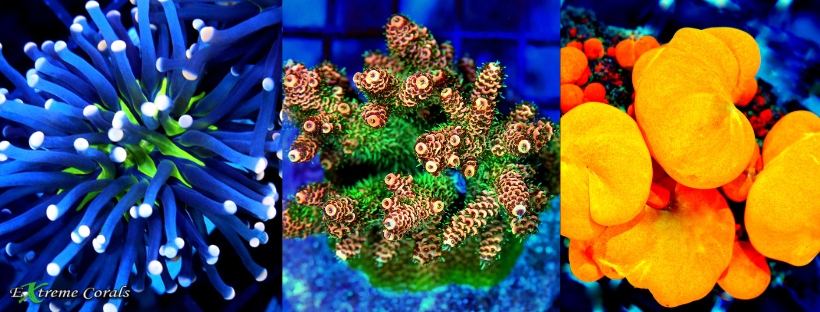
LPS vs SPS vs Soft Corals: How to Choose the Best Coral Type for Your Reef Tank
Compare LPS, SPS, and soft corals to find the best coral type for your reef tank based on care level, lighting, flow, nutrients, growth style, and reefkeeping experience.
by Scott Shiles • June 24, 2026
SPS Coral Care, Soft Corals Care, LPS Coral Care, All Corals
LPS vs SPS vs Soft Corals: How to Choose the Best Coral Type for Your Reef Tank
Choosing between LPS, SPS, and soft corals is one of the most important decisions a reef keeper makes because each group changes how the tank looks, how it runs, and how demanding long-term care becomes. There are few things better than collecting new corals for a reef tank, but long-term success depends on matching those corals to the system you actually have. In our experience, many reef keepers get into trouble not because they chose a “bad” coral, but because they chose the wrong coral group for their lighting, flow, nutrient level, or experience level. This guide breaks down the three main coral categories—Large Polyp Stony corals, Small Polyp Stony corals, and Soft Corals—so you can decide which type is best for your reef tank.
A common mistake hobbyists make is trying to keep all three groups successfully before they really understand how differently they behave. In reality, each type has its own advantages, care patterns, and risks. Some are better for beginners, some are better for stable mature systems, and some work best as part of a mixed reef where placement and compatibility are carefully managed.
If you are looking for healthy, fully conditioned corals for your reef tank, browse our WYSIWYG new arrivals to compare fully conditioned, ready-to-ship specimens.
Why Coral Type Matters So Much
Before deciding which coral is best for your tank environment, it is important to understand the characteristics of each major group. LPS, SPS, and soft corals all bring something different to the aquarium:
- LPS corals often add movement, fleshy texture, and bold showpiece color
- SPS corals add structure, branching growth, and a more classic high-end reef look
- Soft corals often add motion, ease of care, and useful coverage in lower-energy areas
We’ve found that the best reef tanks are usually built around understanding those differences instead of buying only by appearance. A coral may look incredible in a listing or store tank and still be a poor match for your current system.
Large Polyp Stony Corals (LPS)
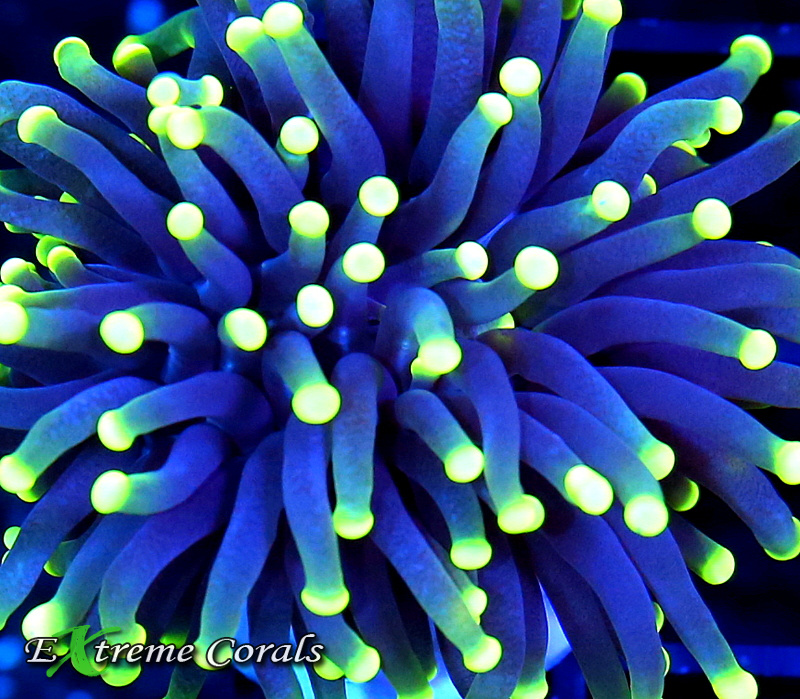
One of the two major categories of hard coral, LPS corals have larger polyps than their SPS counterparts. Large Polyp Stony Corals are among the most popular options for both experienced hobbyists and beginners alike. Because they have larger fleshy tissue, they are often better able to absorb nutrition from their environment than SPS corals, and many species are more forgiving of moderate nutrient levels.
LPS corals are generally more tolerant of slightly higher nitrate and phosphate levels than SPS corals. They are also often more compatible with moderate lighting and moderate to lower flow zones, which makes setup easier for many reef keepers. These corals are a staple in the hobby because they add strong color, motion, and visual presence to a tank without demanding the same precision many SPS systems require.
In our experience, LPS is often the best choice for hobbyists who want a reef that feels dramatic and alive. A common mistake hobbyists make is assuming that because LPS is often beginner-friendlier, all LPS corals can simply be placed anywhere. In reality, many still need careful spacing because they can be aggressive with sweeper tentacles.
Best for:
- Beginner to intermediate reef keepers
- Mixed reefs with moderate light and flow
- Hobbyists who want movement and showpiece corals
Examples include: Torch coral, hammer coral, frogspawn, acans, blastomussa, lobophyllia, trachyphyllia, bubble coral, and scolymia.
Small Polyp Stony Corals (SPS)
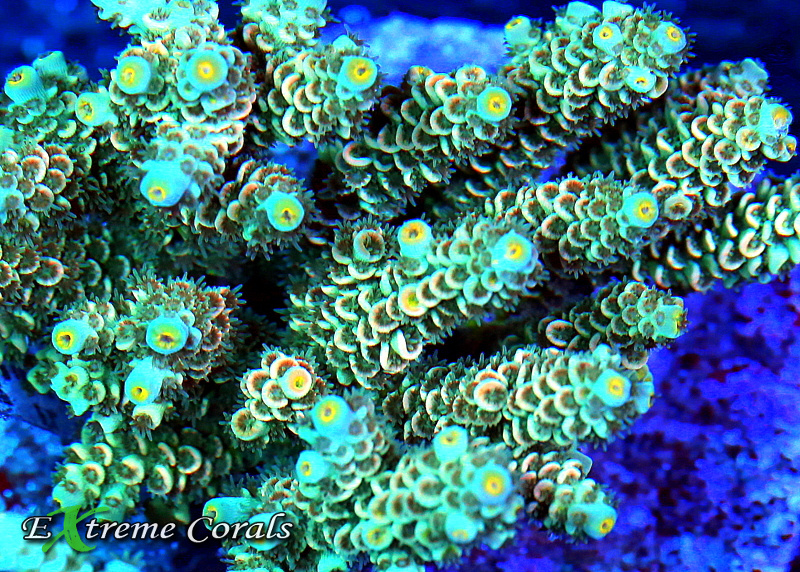
The other major category of hard coral, SPS corals, has much smaller polyps than LPS corals. SPS corals often have a more rigid, rocky, branching, or plating appearance, which makes them excellent for building structure and giving a reef a classic high-end look.
These corals tend to grow more quickly than many LPS corals once conditions are ideal, but they also demand more from the system. SPS corals generally prefer stronger water flow, stronger lighting, and more stable chemistry. They are much more sensitive to elevated nutrients, alkalinity swings, and other forms of instability. Because of their smaller polyps, they are often less aggressive physically than many LPS corals, but they are less forgiving overall.
In our experience, SPS corals are best for hobbyists whose tanks are already mature and stable. A common mistake hobbyists make is adding SPS too early because they want the look of a mature reef before the tank is actually ready to support one.
Best for:
- Intermediate to advanced reef keepers
- Mature, stable reef systems
- Hobbyists who want branching structure and stronger growth patterns
Examples include: Acropora, Montipora, Hydnophora, Pocillopora, Stylophora, and Porites.
Soft Corals
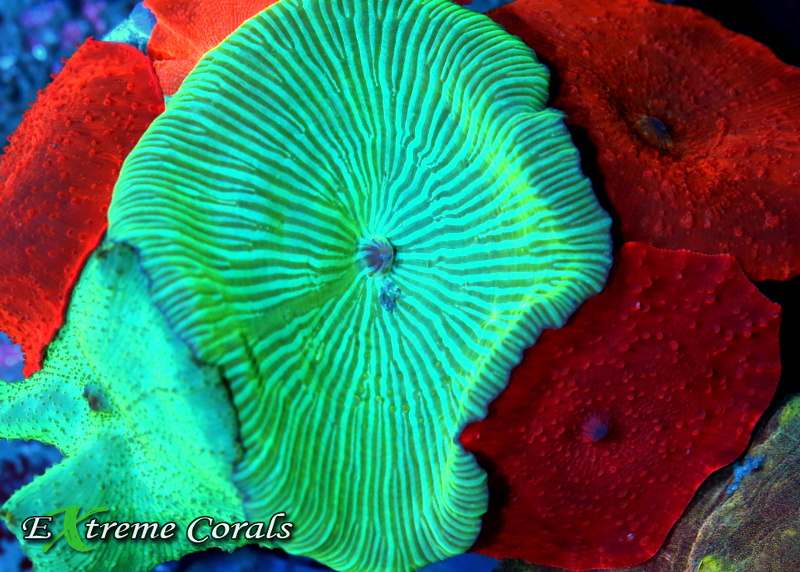
Sometimes referred to as “softies,” soft corals are completely different from the hard LPS and SPS varieties. They lack the hard calcium carbonate skeletons found in stony corals and often appear more flexible, fleshy, or plant-like. This makes them excellent for adding movement and a more natural, flowing look to the aquarium.
Because the category is broad, it is impossible to assign one exact care profile to all soft corals. Some are extremely easy, some can spread aggressively, and some still need thoughtful placement. But generally speaking, soft corals are a strong option for beginners and for hobbyists who want motion, lower-stress husbandry, and useful coverage in lower- or moderate-light parts of the reef.
We’ve found that soft corals are especially good for making a reef tank look alive. A common mistake hobbyists make is underestimating how much visual value soft corals add because they are not always as expensive or hyped as SPS and LPS. In reality, they often do more for the overall feel of the tank than people expect.
Best for:
- Beginners and mixed reef hobbyists
- Reef tanks that need movement and softer texture
- Lower-stress systems and lower-light areas
Examples include: Mushrooms, leathers, green star polyps, xenia, clove polyps, and zoanthid-adjacent soft coral styles depending on classification and use.
Which Coral Type Is Best for Beginners?
If you are new to reefkeeping, soft corals and many LPS corals are usually the best place to start. They are often more forgiving of moderate nutrient levels, minor fluctuations, and less aggressive lighting or flow setups than SPS corals.
In our experience, beginner reef keepers usually do best when they start with corals that give visible positive feedback without punishing every small mistake. A common mistake hobbyists make is trying to build an SPS-dominant tank too early because they like the look, then becoming frustrated when the corals fail despite the tank appearing “clean.”
Generally speaking:
- Best beginner choice: Soft corals
- Best next step: Many LPS corals
- Best once the tank is mature: SPS corals
Which Coral Type Is Best for a Mixed Reef?
A mixed reef can be one of the most visually rewarding aquarium styles because it combines the structure of SPS, the movement and flesh of LPS, and the texture and motion of soft corals. But mixed reefs are also where coral type differences matter most.
We’ve found that mixed reefs do best when the hobbyist plans zones intentionally:
- Higher-light, stronger-flow areas for SPS
- Moderate zones for LPS
- Calmer or lower-light sections for many soft corals
A common mistake hobbyists make is mixing all three groups too tightly without thinking about aggression, growth pattern, or shading. The best mixed reefs are usually not random. They are planned around how each coral type behaves long term.
What to Consider Before Choosing
Before deciding which coral type is best for your tank, ask yourself:
- How mature and stable is my tank?
- How strong is my lighting?
- How much flow do I really have?
- How much time do I want to spend maintaining the system?
- Do I want movement, structure, or a mix of both?
In our experience, the best coral choice is not always the most expensive or impressive one. It is the coral type that fits your tank well enough to stay healthy long term. That is what ultimately gives the best visual result and the least frustration.
How to Tell Which Coral Group Fits Your Goals
If your goal is a reef with motion, easier care, and softer visual texture, soft corals are often a strong fit. If you want showpiece corals with flesh, color, and moderate care, LPS is often the best balance. If you want a more structured, branching, high-performance reef and your tank is already mature and stable, SPS may be the better direction.
We’ve found that many hobbyists eventually keep all three in some form, but the key is knowing which group should lead your system first. A common mistake hobbyists make is trying to build around all three equally before they know what kind of reef they actually want.
How to Choose Healthy Corals Before Buying
No matter which coral type you choose, starting with a healthy specimen matters. When selecting corals, look for:
- Stable coloration rather than faded or stressed tissue
- Good extension when appropriate for the species
- No obvious recession or tissue damage
- A coral that looks settled rather than freshly stressed
- A specimen that fits your current tank, not your future dream tank
In our experience, hobbyists who buy based on condition and compatibility usually do much better than those who buy based only on color or hype. If you are looking for a healthy, fully acclimated specimen, comparing actual WYSIWYG pieces is one of the best ways to make a stronger choice.
Related Corals You May Also Like
If you are interested in comparing coral types for your reef tank, you may also want to explore related coral categories and reef tank guides:
- Browse LPS corals for sale
- Browse SPS corals for sale
- Browse soft corals
- Beginner coral care guide
- LPS vs SPS comparison guide
Ready to choose the right coral type for your reef tank? Browse our coral categories and explore healthy additions for your aquarium.
Shop LPS, SPS and Soft Corals
Explore our WYSIWYG LPS corals, SPS corals, soft corals, and new arrival corals to build a more colorful reef tank.
Final Thoughts
There is no single best coral type for every reef tank. LPS, SPS, and soft corals all bring something valuable and different to the aquarium. The best choice depends on your tank conditions, your experience level, and the style of reef you want to create.
In our experience, the hobbyists who do best long term are the ones who match coral type to tank reality rather than wishful thinking. When you do that, the reef not only looks better, it becomes much easier to keep healthy.
Frequently Asked Questions
Q: What are the three main types of coral in reef tanks?
A: The three main types are Large Polyp Stony corals (LPS), Small Polyp Stony corals (SPS), and Soft Corals.
Q: Which coral type is easiest for beginners?
A: Soft corals are usually the easiest starting point, followed by many LPS corals in stable tanks.
Q: Which coral type needs the most stable conditions?
A: SPS corals usually require the highest stability in lighting, flow, and water chemistry.
Q: Are LPS corals more aggressive than SPS corals?
A: Often yes. Many LPS corals have sweeper tentacles and need more spacing than SPS corals.
Q: Can I keep LPS, SPS, and soft corals together?
A: Yes, but mixed reefs work best when placement, flow, lighting, and aggression are planned carefully.
About the Author
Scott Shiles is the owner of ExtremeCorals.com, which he has operated for over 25 years and is recognized as one of the early dedicated live coral websites on the internet. A lifelong reef keeper since 1984, Scott has decades of hands-on experience maintaining marine aquariums and previously owned and operated a brick and mortar aquarium retail store for 10 years, including five years alongside Extreme Corals. He holds a degree in Marine Biology and has personally selected and sold hundreds of thousands of live corals. An avid scuba diver who has explored reef systems around the world, Scott shares practical coral care and husbandry knowledge based on real world reef experience.