My Cart: 0 item(s)

Extreme Corals News and Updates
Frogspawn Coral vs Other LPS Corals: Torch, Hammer, Brain and Bubble Coral Differences
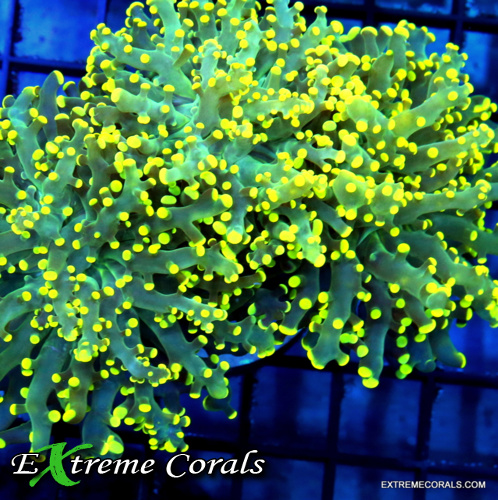
Learn how Frogspawn coral compares with other popular LPS corals, including Torch Coral, Hammer Coral, Bubble Coral, Brain Corals, Duncan Coral, and Goniopora, with practical guidance on appearance, flow, lighting, feeding, aggression, placement, and ree
Compare Frogspawn coral vs other LPS corals, including Torch, Hammer, Brain, Bubble, Duncan and Goniopora corals, with care, placement, flow and compatibility tips.
by Scott Shiles • April 29, 2026
Frogspawn coral is one of the most recognizable LPS corals in the reef aquarium hobby, but it is often compared with other large polyp stony corals such as Torch Coral, Hammer Coral, Bubble Coral, Brain Corals, Duncan Coral, and Goniopora. At first glance, many of these corals may seem similar because they are colorful, fleshy, and popular in mixed reef tanks. Once you look closer, their growth patterns, aggression levels, flow preferences, placement needs, and overall behavior can be very different.
Understanding these differences helps reef keepers make better buying and placement decisions. A Frogspawn Coral may be a great fit for one section of the reef, while a Torch Coral may need more room, a Brain Coral may belong lower in the tank, and a Duncan Coral may be better for a newer hobbyist who wants an easier branching LPS coral. Choosing the right LPS coral is not only about color. It is about matching the coral to your tank’s lighting, flow, spacing, and long-term reef design.
At Extreme Corals, we see Frogspawn and other LPS corals as some of the most rewarding corals for home reef aquariums because they offer movement, color, texture, and showpiece appeal. This guide compares Frogspawn Coral with other popular LPS corals so you can understand what makes each one different and choose the best corals for your reef tank.
What Makes Frogspawn Coral Unique?
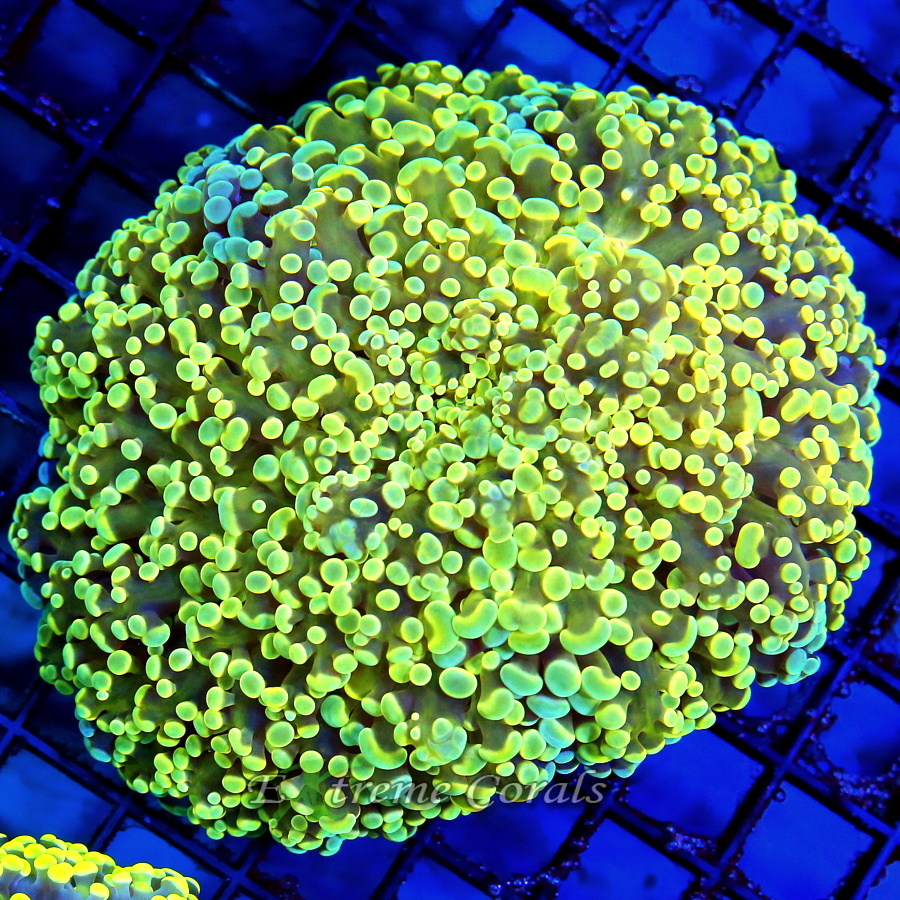
Frogspawn Coral is a large polyp stony coral commonly associated with the Euphyllia group. It is known for tentacles that split into multiple rounded tips, giving the coral a clustered appearance that resembles frog eggs. This shape is the reason for the common name Frogspawn Coral.
Compared with many other LPS corals, Frogspawn offers a strong combination of movement, color, and moderate care requirements. It is not as rigid-looking as most brain corals, not as long and sweeping as many torch corals, and not as compact as Duncan Coral. It has a full, bushy look that can soften the appearance of a reef aquascape.
Frogspawn coral stands out because it offers:
- Distinctive multi-tipped tentacles that create a frog-egg-like appearance
- Gentle flowing movement in moderate indirect water flow
- Bright color varieties including green, purple, pink, gold, and bi-color forms
- Moderate lighting needs compared with many SPS corals
- Branching growth options that can slowly develop into larger colonies
- Strong visual impact in mixed reef and LPS-focused aquariums
A healthy Frogspawn coral should extend during the day, move gently in the current, hold stable color, and show tissue that covers the skeleton cleanly.
Frogspawn Coral vs Torch Coral
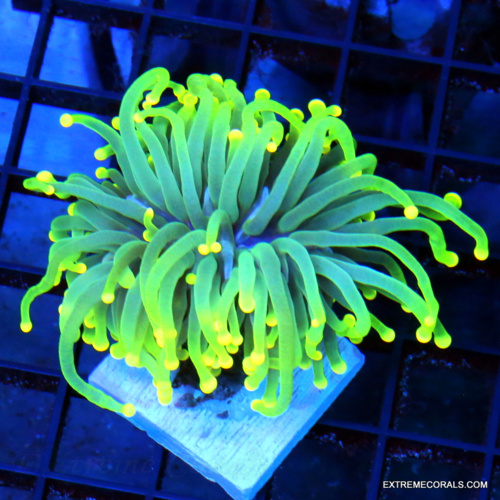
Torch Coral is one of the most popular LPS corals for reef keepers who want dramatic movement. Like Frogspawn, Torch Coral is associated with Euphyllia-style care, but the two corals look and behave differently.
Appearance
Frogspawn Coral has branching tentacles with multiple rounded tips. Torch Coral usually has longer, more extended tentacles with single bright tips. This gives Torch Coral a more flowing, sweeping look, while Frogspawn looks fuller and bushier.
Aggression
Torch Coral is often more aggressive than Frogspawn. Torch tentacles can extend farther and may sting nearby corals more severely. Frogspawn is still semi-aggressive and needs space, but Torch Coral usually deserves even more room.
Flow
Both corals prefer moderate, indirect flow. Torch Coral often looks best when its tentacles sway in a more open current pattern. Frogspawn should move gently but not be whipped. Strong direct flow can damage either coral.
Best Choice
Choose Frogspawn if you want a fuller, softer, clustered LPS coral with movement. Choose Torch Coral if you want long flowing tentacles and a more dramatic centerpiece, but be prepared to give it more space from neighboring corals.
Frogspawn Coral vs Hammer Coral
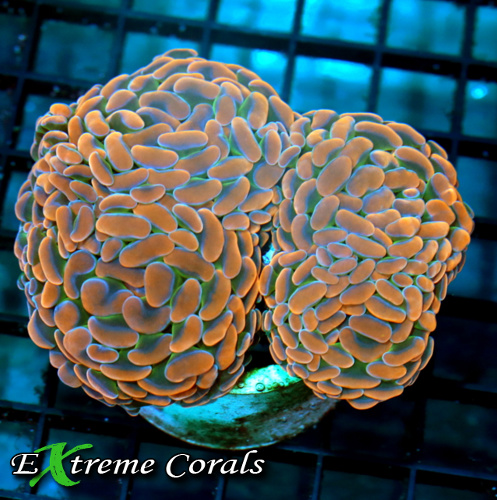
Hammer Coral is another close comparison because it shares similar general care with Frogspawn. Both corals can add movement, color, and LPS structure to a reef tank, but their tentacle shape is different.
Appearance
Hammer Coral has tentacles with hammer-shaped, anchor-shaped, or T-shaped tips. Frogspawn has multiple rounded tips on each tentacle. Hammer Coral often looks more structured, while Frogspawn looks more clustered and organic.
Care Level
Frogspawn and Hammer Coral are similar in care difficulty. Both prefer moderate lighting, moderate indirect flow, stable reef parameters, and proper spacing. Branching varieties of both are generally easier to manage than wall varieties.
Placement
Both corals usually do well in the middle to lower areas of the aquarium. They should not be placed in strong direct current or directly under intense lighting without acclimation.
Best Choice
Choose Frogspawn if you prefer a bushier, rounder, more clustered look. Choose Hammer Coral if you like a more defined tentacle shape and a classic Euphyllia-style coral with strong structure.
Frogspawn Coral vs Bubble Coral
Bubble Coral is a very different type of LPS coral. While Frogspawn is known for branching tentacles and movement, Bubble Coral is known for inflated bubble-like tissue that expands during the day.
Appearance
Frogspawn Coral has tentacles that sway in the flow. Bubble Coral has rounded, inflated vesicles that give it a soft, pearl-like or balloon-like appearance. Bubble Coral looks more sculptural, while Frogspawn looks more flowing.
Flow Preference
Bubble Coral usually prefers gentler flow than Frogspawn. Strong current can damage its delicate inflated tissue. Frogspawn can handle moderate indirect flow, but it should still never be blasted directly.
Aggression
Bubble Coral can be surprisingly aggressive at night and may extend sweeper tentacles. Frogspawn is also semi-aggressive, but Bubble Coral should not be underestimated just because it looks soft and rounded during the day.
Best Choice
Choose Frogspawn if you want movement and a flowing LPS look. Choose Bubble Coral if you want a unique inflated texture and a lower-flow showpiece, but give it space from other corals.
Frogspawn Coral vs Brain Corals
Brain Corals include many popular LPS corals such as Favia, Favites, Platygyra, Lobophyllia, Trachyphyllia, and Wellsophyllia. These corals usually bring texture, pattern, and structure rather than long flowing movement.
Appearance
Frogspawn Coral creates movement with extended tentacles. Brain Corals usually have ridges, valleys, fleshy folds, or maze-like patterns. They are excellent for adding structure and color contrast to a reef tank.
Placement
Many Brain Corals do best in lower to middle areas of the tank, often on stable rockwork or sandbed zones depending on the species. Frogspawn is usually placed on rockwork where the branching skeleton can sit securely.
Aggression
Many Brain Corals can extend feeding or sweeper tentacles at night. Frogspawn can also sting nearby corals, but some Brain Corals may be more aggressive than they appear during the day.
Best Choice
Choose Frogspawn if your reef needs motion and soft movement. Choose Brain Corals if your reef needs texture, pattern, and a more sculpted LPS look.
Frogspawn Coral vs Duncan Coral
Duncan Coral is one of the more beginner-friendly LPS corals and is often a good comparison for reef keepers deciding between an easier branching LPS and a more flowing Euphyllia-style coral.
Appearance
Duncan Coral has individual polyps with long whisker-like tentacles around a central mouth. Frogspawn has fuller, multi-tipped tentacles that create more mass and movement. Duncan Coral looks cleaner and more open, while Frogspawn looks denser and more dramatic.
Care Level
Duncan Coral is usually easier and more forgiving than Frogspawn. It is peaceful, feeds readily, grows well in stable tanks, and is less likely to sting nearby corals aggressively.
Growth
Duncan Coral can grow new heads at a steady pace with feeding and stable parameters. Frogspawn also grows by adding heads, but it can be more sensitive to flow, placement, and tissue stress.
Best Choice
Choose Duncan Coral if you want an easier, peaceful branching LPS with visible feeding response. Choose Frogspawn if you want more movement and a stronger visual focal point.
Frogspawn Coral vs Goniopora
Goniopora and Frogspawn both offer movement, but they create very different visual effects. Goniopora is known for long flower-like polyps, while Frogspawn has thicker, branching tentacles with rounded clustered tips.
Appearance
Goniopora often looks like a field of tiny flowers waving in the current. Frogspawn looks fuller and more tentacle-based. Goniopora creates a finer texture, while Frogspawn creates a bolder LPS presence.
Care Level
Modern Goniopora varieties are much more successful than they once were, but many still require stable conditions, balanced nutrients, and careful placement. Frogspawn is usually considered moderate care and may be more predictable in many mixed reef tanks.
Flow
Both corals need indirect movement. Goniopora polyps should wave gently without being whipped. Frogspawn tentacles should sway naturally without being flattened or blasted.
Best Choice
Choose Goniopora if you want a flower-like coral with fine movement and extended polyps. Choose Frogspawn if you want a hardier-looking, fuller LPS coral with larger tentacles and more visible structure.
Quick Comparison: Frogspawn vs Other Popular LPS Corals
| Coral Type | Main Visual Trait | Care Level | Flow Preference | Best Use in Reef Tank |
|---|---|---|---|---|
| Frogspawn Coral | Multi-tipped flowing tentacles | Moderate | Moderate indirect flow | Movement and LPS focal point |
| Torch Coral | Long sweeping tentacles | Moderate to advanced | Moderate indirect flow | Dramatic centerpiece with space |
| Hammer Coral | Hammer-shaped tentacle tips | Moderate | Moderate indirect flow | Classic Euphyllia movement |
| Bubble Coral | Inflated bubble-like tissue | Moderate | Low to moderate indirect flow | Lower-flow texture showpiece |
| Brain Corals | Maze, ridge, or fleshy folded patterns | Beginner to moderate, depending on type | Low to moderate indirect flow | Pattern, structure, and lower reef contrast |
| Duncan Coral | Whisker-like polyps on branching skeleton | Beginner to moderate | Moderate indirect flow | Beginner-friendly branching LPS |
| Goniopora | Flower-like extended polyps | Moderate | Gentle to moderate indirect flow | Fine movement and floral texture |
Best Water Parameters for Frogspawn and Other LPS Corals
Most LPS corals do best in stable reef water. Exact preferences vary by species, but sudden changes in alkalinity, salinity, temperature, or nutrients can stress almost any fleshy stony coral.
| Parameter | Recommended Range |
|---|---|
| Temperature | 76-80°F |
| Salinity | 1.024-1.026 specific gravity |
| pH | 8.1-8.4 |
| Alkalinity | 8-10 dKH |
| Calcium | 400-450 ppm |
| Magnesium | 1250-1350 ppm |
| Nitrate | 5-15 ppm |
| Phosphate | 0.03-0.10 ppm |
Frogspawn and many other LPS corals often look better in water that is clean but not stripped completely of nutrients. Extremely low nutrients can contribute to pale tissue and weak extension, while excessive nutrients can encourage algae growth and bacterial issues.
Lighting Differences Between Frogspawn and Other LPS Corals
Most Frogspawn corals do well under moderate lighting, often around 100-200 PAR when acclimated properly. Other LPS corals may prefer slightly different lighting depending on tissue thickness, natural habitat, and previous conditions.
General lighting guidance:
- Frogspawn: Moderate lighting, usually middle to lower tank placement
- Torch Coral: Moderate lighting with careful acclimation
- Hammer Coral: Moderate lighting similar to Frogspawn
- Bubble Coral: Lower to moderate lighting
- Brain Corals: Low to moderate or moderate lighting depending on species
- Duncan Coral: Moderate lighting, often slightly forgiving
- Goniopora: Moderate lighting with stable nutrients and careful placement
Sudden lighting changes can cause bleaching, shrinking, or poor extension. New LPS corals should be acclimated slowly rather than placed immediately in the brightest area of the tank.
Flow Differences Between Frogspawn and Other LPS Corals
Flow is one of the biggest differences between LPS corals. Frogspawn needs enough flow to move naturally and keep waste from settling, but too much direct current can damage its fleshy tissue.
A useful way to think about LPS flow:
- Frogspawn: Tentacles should sway, not whip.
- Torch Coral: Tentacles should move freely, but not be stretched harshly.
- Hammer Coral: Tentacles should pulse gently in indirect current.
- Bubble Coral: Tissue should inflate without being battered by flow.
- Brain Corals: Flow should keep grooves clean without blasting tissue.
- Duncan Coral: Polyps should move gently and stay open.
- Goniopora: Polyps should wave softly without bending hard in one direction.
Watch the coral, not just the pump setting. The coral’s tissue response tells you whether the flow is appropriate.
Aggression and Spacing: Why LPS Corals Need Room
One of the biggest mistakes reef keepers make with LPS corals is placing them too close together. Many LPS corals look peaceful during the day but extend sweeper tentacles or feeding tentacles at night.
Spacing is especially important with:
- Torch Corals
- Frogspawn Corals
- Hammer Corals
- Bubble Corals
- Galaxea Coral
- Chalice Corals
- Some Brain Corals
Leave several inches between LPS corals, and give more room to aggressive species. Frogspawn should not be placed where its tentacles constantly touch neighboring corals. Torch Corals often need even more space.
Feeding Frogspawn Compared With Other LPS Corals
Frogspawn Coral is photosynthetic but can benefit from occasional feeding. Many LPS corals are similar: they use light for energy but may grow better and maintain fuller tissue with small controlled feedings.
Good foods for many LPS corals include:
- Mysis shrimp
- Brine shrimp
- Small particle LPS coral foods
- Finely chopped marine seafood
- Zooplankton-based coral foods
- Powdered coral foods used lightly
Frogspawn usually does not need heavy feeding. One or two light feedings per week can be enough if nutrients remain controlled. Brain Corals, Scolymia, Trachyphyllia, Duncan Corals, and some other LPS corals often show strong feeding responses. Goniopora may benefit more from fine foods and balanced nutrients than large meaty pieces.
Which LPS Coral Is Best for Beginners?
Frogspawn can be beginner-friendly for reef keepers with stable tanks, but it is not always the easiest LPS coral. Newer hobbyists may have better early success with Duncan Coral, Candy Cane Coral, some Blastomussa, or certain hardy brain corals before moving into more sensitive or aggressive LPS pieces.
Beginner-friendly LPS traits include:
- Peaceful behavior
- Moderate lighting needs
- Moderate indirect flow tolerance
- Strong feeding response
- Good recovery from minor stress
- Less risk of long sweeper tentacle aggression
Frogspawn is a good choice once the tank is stable and the aquarist understands spacing and flow. Torch Coral, Elegance Coral, and some more delicate fleshy LPS corals are better added after gaining more experience.
How to Build an LPS Coral Garden With Frogspawn
An LPS coral garden can be one of the most beautiful parts of a reef tank, but it needs planning. Frogspawn can serve as a movement coral, while other LPS corals provide texture, color, and structure.
A balanced LPS layout might include:
- Frogspawn or Hammer Coral for flowing movement
- Duncan Coral for easier branching growth
- Platygyra or Favia for patterned brain coral texture
- Bubble Coral for a lower-flow inflated showpiece
- Trachyphyllia or Scolymia for sandbed color
- Goniopora for flower-like polyp extension
The key is to create zones. Do not pack all LPS corals tightly into one area. Separate aggressive corals, match flow zones, and leave room for growth.
Common Mistakes When Comparing Frogspawn to Other LPS Corals
Because many LPS corals are fleshy and colorful, beginners sometimes assume they can all be treated the same. That is a mistake. Frogspawn, Torch, Hammer, Brain Corals, Bubble Coral, Duncan Coral, and Goniopora each have different placement and behavior patterns.
Avoid these common mistakes:
- Assuming Frogspawn, Torch, and Hammer can all safely touch
- Putting all LPS corals in the same flow zone
- Using strong direct flow on fleshy corals
- Placing aggressive LPS corals too close together
- Feeding every LPS coral the same food size
- Putting lower-light corals under intense lighting too quickly
- Ignoring nighttime sweeper tentacles
- Buying a coral based only on color without checking care needs
The best reef tanks are built by understanding coral behavior, not just coral appearance.
Which Coral Should You Choose?
Choose Frogspawn Coral if you want a colorful LPS coral with soft movement, a fuller bushy look, and strong visual presence in a mixed reef. It is a good middle ground between easier LPS corals and more aggressive movement corals like some torches.
Choose Torch Coral if you want the most dramatic flowing tentacles and have enough space. Choose Hammer Coral if you want a classic Euphyllia look with defined tentacle tips. Choose Brain Corals if you want pattern and structure. Choose Duncan Coral if you want easier feeding and growth. Choose Bubble Coral if you want unusual inflated texture. Choose Goniopora if you want flower-like polyp extension.
There is no single best LPS coral for every reef tank. The best choice is the coral that fits your system, your skill level, and the visual role you want it to play.
Related Corals You May Also Like
If you are comparing Frogspawn with other LPS corals, these categories and care guides can help you choose the right pieces for your reef aquarium:
- Large Polyp Stony Corals - Browse colorful LPS corals with movement, feeding response, and showpiece appeal.
- Frogspawn Coral Care Guide - Review quick care requirements for Frogspawn Coral.
- Torch Coral Care Guide - Learn care tips for long-tentacle torch corals.
- Hammer Coral Care Guide - Compare care needs for Hammer Coral and Frogspawn Coral.
- Duncan Coral Care Guide - Explore an easier branching LPS coral option.
- Goniopora Coral Care Guide - Learn about flower-like Goniopora coral care.
- Coral Care Guides - Browse more coral care resources for LPS, SPS, soft corals, mushrooms, and zoanthids.
Shop Frogspawn and Other LPS Corals
Frogspawn Coral and other LPS corals can bring color, movement, texture, and showpiece appeal to a home reef aquarium. The best results come from choosing corals that match your lighting, flow, spacing, and experience level.
Browse LPS corals, new arrival corals, and Scott's Handpicked Corals at ExtremeCorals.com to find healthy corals that fit your reef tank, placement plan, and long-term goals.
Frequently Asked Questions About Frogspawn vs Other LPS Corals
Is Frogspawn Coral an LPS coral?
Yes, Frogspawn Coral is a large polyp stony coral. It has fleshy tentacles over a hard calcium carbonate skeleton and is commonly grouped with Euphyllia-style LPS corals.
What is the main difference between Frogspawn and Torch Coral?
Frogspawn has multi-tipped, clustered tentacles, while Torch Coral usually has longer tentacles with single bright tips. Torch Coral is often more aggressive and usually needs more space from nearby corals.
Is Frogspawn Coral easier than Hammer Coral?
Frogspawn and Hammer Coral have similar care needs. Both prefer moderate lighting, moderate indirect flow, stable parameters, and spacing from other corals. Branching varieties are usually easier than wall varieties.
Can Frogspawn touch other LPS corals?
Frogspawn should not be allowed to touch most other LPS corals. It can sting neighbors, and aggressive corals can also damage Frogspawn tissue. Leave several inches of space between colonies.
Which LPS coral is best for beginners?
Duncan Coral, Candy Cane Coral, some Blastomussa, and certain hardy brain corals are often easier beginner LPS choices. Frogspawn can be beginner-friendly in a stable tank, but it needs proper spacing and flow.
Does Frogspawn need more flow than other LPS corals?
Frogspawn needs moderate indirect flow. It generally needs more movement than some low-flow fleshy LPS corals, but less direct force than many SPS corals. The tentacles should sway gently, not whip.
Can Frogspawn and Hammer Coral be kept together?
They can be kept in the same reef tank if spacing is planned carefully. Some hobbyists keep Euphyllia-style corals near each other, but they should still be observed because compatibility is not guaranteed.
What makes Frogspawn different from Brain Corals?
Frogspawn is a flowing tentacle coral, while Brain Corals are usually valued for ridges, valleys, patterns, and fleshy structure. Frogspawn adds movement, while Brain Corals add texture and pattern.
About the Author
Scott Shiles is the owner of ExtremeCorals.com, which he has operated for over 25 years and is recognized as one of the early dedicated live coral websites on the internet. A lifelong reef keeper since 1984, Scott has decades of hands-on experience maintaining marine aquariums and previously owned and operated a brick and mortar aquarium retail store for 10 years, including five years alongside Extreme Corals. He holds a degree in Marine Biology and has personally selected and sold hundreds of thousands of live corals. An avid scuba diver who has explored reef systems around the world, Scott shares practical coral care and husbandry knowledge based on real world reef experience.
overall rating:
my rating:
log in to rate
Please log in to leave a comment.
For more information visit: additional resources