My Cart: 0 item(s)

Extreme Corals News and Updates
8 Blastomussa Coral Care Mistakes to Avoid in a Reef Tank
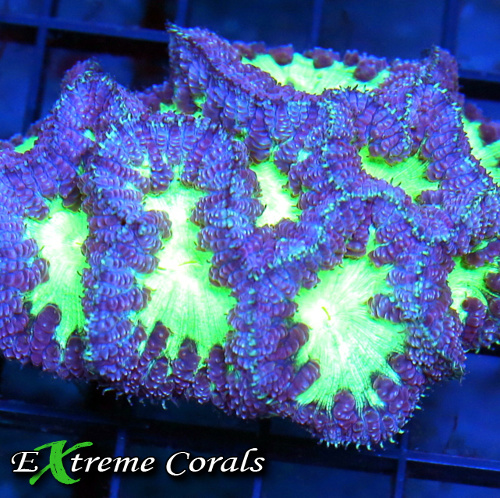
Learn the most common Blastomussa care mistakes reef keepers make and how to avoid issues with water quality, lighting, feeding, flow, compatibility, and coral stress.
Avoid the most common Blastomussa care mistakes in reef tanks with tips on lighting, flow, feeding, water quality, spacing, compatibility, and long-term coral health.
by Scott Shiles • April 20, 2026
Blastomussa is often considered one of the more forgiving LPS corals, but that does not mean it thrives when the basics are overlooked. Many reef keepers lose color, polyp extension, or long-term growth with Blastomussa not because the coral is especially difficult, but because a few common mistakes quietly add stress over time. This guide breaks down 8 common Blastomussa care mistakes to avoid so you can keep your coral healthy, colorful, and expanding well in a home reef aquarium.
One of the reasons Blastomussa is so appealing is that it can do very well in mixed reefs, lower-light zones, and more peaceful coral layouts. But that same “easy” reputation sometimes causes hobbyists to underestimate what it still needs: stability, observation, and thoughtful placement. If you avoid the most common pitfalls, Blastomussa can become one of the most reliable and rewarding corals in your tank.
Looking to add colorful fleshy corals to your reef tank? Browse our LPS corals for sale and explore healthy corals for your aquarium.
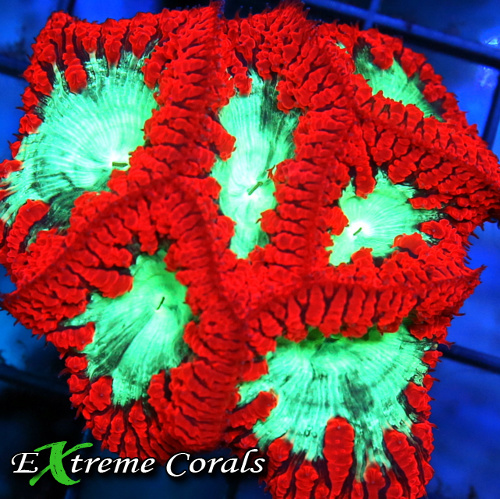
Why Blastomussa Usually Fails Slowly, Not Suddenly
Blastomussa problems often build gradually. The coral may not crash overnight. Instead, it may show smaller warning signs first, such as less inflation, weaker color, reduced feeding response, or more frequent retraction. That is why understanding these common mistakes matters so much. In many cases, the coral is signaling that something is off before major tissue loss begins.
If you catch those issues early, Blastomussa often responds very well to correction.
Mistake 1: Underestimating Water Quality Requirements
One of the most common mistakes is assuming Blastomussa can handle unstable water just because it is considered hardy. The source draft warns that even slight imbalances in pH, salinity, and ammonia-related conditions can negatively affect the coral. Regular testing and strong filtration are described as essential parts of long-term success.
To avoid this mistake:
- Use a reliable water testing kit
- Monitor pH, alkalinity, nitrate, phosphate, and salinity consistently
- Use proper filtration and nutrient export tools
- Do not assume “close enough” is always safe for long-term coral health
The source also highlights activated carbon and protein skimmers as useful tools for maintaining cleaner water and reducing impurities.
Mistake 2: Ignoring Proper Lighting Conditions
Blastomussa generally prefers moderate lighting, but many hobbyists either place it too brightly or fail to acclimate it properly. The source recommends moderate light and notes that both too much and too little can be harmful. It also emphasizes the value of adjustable LED lighting and a consistent photoperiod of about 8 to 10 hours.
To avoid this mistake:
- Start in a moderate-light zone
- Use adjustable lighting when possible
- Keep a consistent photoperiod
- Watch polyp expansion and color response as feedback
If Blastomussa looks faded or remains unusually tight, lighting intensity or placement may need adjustment.
Mistake 3: Feeding Inconsistently
The source draft points out that many aquarists assume Blastomussa can live only on what it gets from the water column and photosynthesis. While it can survive that way in some systems, it usually benefits from regular feeding with high-quality coral foods or nutrient-rich frozen foods. It specifically recommends feeding every few days and watching for signs like tentacle extension that show the coral is ready to eat.
To avoid this mistake:
- Feed on a regular schedule instead of randomly
- Use appropriate foods such as coral foods or small frozen items
- Watch for feeding response before and during feeding time
- Avoid both neglect and overfeeding
Consistency matters here. Blastomussa often looks better and grows more steadily when feedings are regular and measured.
Mistake 4: Neglecting Flow Rate Needs
Blastomussa prefers gentle to moderate water movement, and the source stresses that too much turbulence can be stressful while too little can allow stagnation. It also notes that the flow should be strong enough to disperse food particles but not so strong that the coral retracts.
To avoid this mistake:
- Use gentle to moderate indirect flow
- Avoid strong direct current on the colony
- Make sure food and detritus do not just sit on the tissue
- Watch whether the coral stays open comfortably over time
If Blastomussa stays closed up often or does not extend well, flow may be one of the first things to reassess. 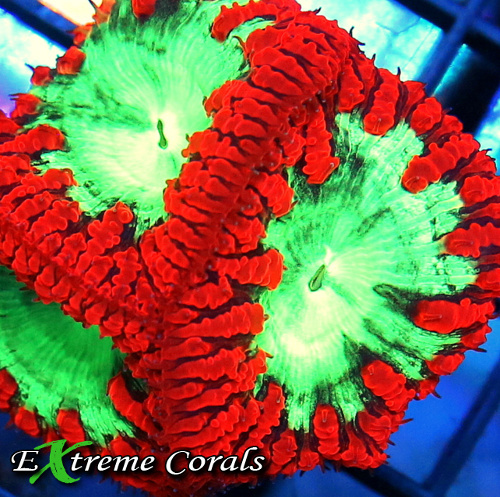
Mistake 5: Overcrowding the Aquarium
The source explains that overcrowding creates competition for resources and increases stress. It recommends giving Blastomussa enough room to grow and expand and warns that aggressive coral behavior can slow growth or even lead to tissue loss.
To avoid this mistake:
- Plan your aquascape before the tank fills in
- Leave room for Blastomussa to expand naturally
- Monitor coral-to-coral interaction regularly
- Do not assume current spacing is enough for future growth
A crowded reef may look full, but it often creates hidden long-term problems for fleshy LPS corals like Blastomussa.
Mistake 6: Failing to Monitor Coral Health Closely
Another major issue the source highlights is simply not paying enough attention. It recommends watching for signs such as retraction, discoloration, pest activity, and other behavioral changes. It also suggests keeping a journal of water parameters, feeding habits, and coral behavior to help identify patterns.
To avoid this mistake:
- Look at the coral closely on a regular basis
- Note changes in expansion, color, and feeding response
- Track water chemistry and maintenance habits
- Learn what “normal” looks like in your own tank
The better you know your coral’s normal behavior, the easier it is to catch trouble early.
Mistake 7: Not Understanding Compatibility
The source warns that some fish and invertebrates can be aggressive or harmful to Blastomussa and that compatibility research is essential before adding livestock. It also notes that design choices such as barriers or more protected placement can help if aggressive species are already present in the system.
To avoid this mistake:
- Research fish and invertebrate behavior before adding them
- Do not place Blastomussa near aggressive coral neighbors
- Use protected placement when needed
- Watch new additions carefully during the first days and weeks
Blastomussa is generally peaceful, so it is often the coral that needs protection rather than the one causing the problem.
Mistake 8: Being Impatient With Growth
The source makes an important point here: corals take time to grow, and unrealistic expectations can lead to overcorrection. It warns that frequent changes to water, lighting, or care routines made out of impatience can do more harm than good. Instead, it encourages reef keepers to appreciate slow progress such as slightly larger polyp extension or gradual changes in color.
To avoid this mistake:
- Do not chase instant results
- Avoid changing conditions too often
- Focus on stability more than constant tweaking
- Measure progress in months, not days
Blastomussa usually rewards patience. A stable coral often grows slowly but steadily, which is much better than forcing change through reactive husbandry.
What Blastomussa Usually Needs Most
If all eight mistakes were reduced to a single lesson, it would be this: Blastomussa usually does best in a stable, calm, well-observed reef environment. It does not need harsh light, extreme flow, or constant interference. What it needs is consistency.
- Stable water quality
- Moderate lighting
- Gentle to moderate flow
- Regular measured feeding
- Enough room from aggressive neighbors
- Patience over time
Related Corals You May Also Like
If you are interested in Blastomussa care, you may also want to explore other fleshy LPS corals and related reef tank guides:
- Browse LPS corals for sale
- Blastomussa care guide
- Acan Lords vs Blastomussa vs Micromussa
- Lobophyllia care guide
- Coral health signs guide
Ready to add a peaceful, colorful Blastomussa to your reef tank? Browse our LPS corals for sale and explore healthy additions for your aquarium.
Shop Blastomussa and LPS Corals
Explore our WYSIWYG LPS corals, new arrival corals, and featured corals to build a more colorful reef tank.
Final Thoughts
Blastomussa is not usually difficult because it demands something extreme. It is difficult when hobbyists overlook the basics. By avoiding these eight common mistakes—poor water monitoring, wrong lighting, inconsistent feeding, bad flow, overcrowding, lack of observation, weak compatibility planning, and impatience—you give Blastomussa the best chance to stay healthy, colorful, and steadily growing in a home reef aquarium.
Frequently Asked Questions
Q: What is the most common Blastomussa mistake?
A: Underestimating water quality and stability is one of the biggest long-term problems for Blastomussa keepers.
Q: Does Blastomussa need strong lighting?
A: No. Blastomussa usually prefers moderate lighting rather than harsh high-intensity exposure.
Q: How often should Blastomussa be fed?
A: Regular feeding every few days or a few times per week usually works better than random feeding.
Q: Why does my Blastomussa stay closed?
A: Common causes include poor water quality, excessive flow, lighting stress, or irritation from nearby tank mates.
Q: Is Blastomussa slow growing?
A: Yes, it is usually moderate rather than fast growing, so patience is important.
About the Author
Scott Shiles is the owner of ExtremeCorals.com, which he has operated for over 25 years and is recognized as one of the early dedicated live coral websites on the internet. A lifelong reef keeper since 1984, Scott has decades of hands-on experience maintaining marine aquariums and previously owned and operated a brick and mortar aquarium retail store for 10 years, including five years alongside Extreme Corals. He holds a degree in Marine Biology and has personally selected and sold hundreds of thousands of live corals. An avid scuba diver who has explored reef systems around the world, Scott shares practical coral care and husbandry knowledge based on real world reef experience.
overall rating:
my rating:
log in to rate
Please log in to leave a comment.
For more information visit: additional resources