My Cart: 0 item(s)

Extreme Corals News and Updates
Coral Colonies vs Frags: Which Is Better for Your Reef Tank?
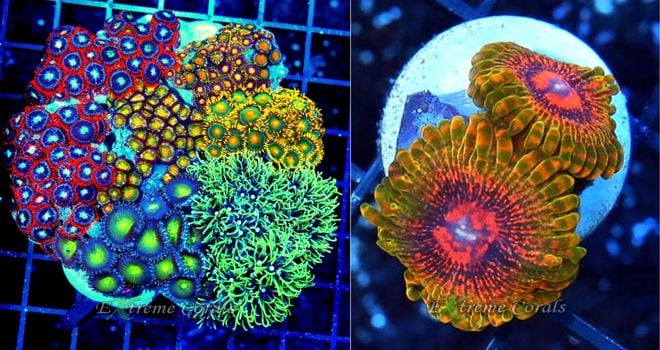
Learn the pros and cons of buying large coral colonies versus frags, including cost, risk, growth, tank size, visual impact, and which option is best for your reef goals.
Learn whether coral colonies or frags are better for your reef tank with tips on cost, growth, risk, tank size, visual impact, and choosing the right option for your budget.
by Scott Shiles • April 17, 2026
Zoanthids Coral Care, SPS Coral Care, LPS Coral Care, All Corals
One of the biggest decisions reef keepers face when buying new corals is whether to purchase large coral colonies or smaller frags. Both options can work beautifully in a reef tank, but they offer very different advantages in terms of cost, growth, risk, maintenance, and overall visual impact. This guide breaks down the real differences between coral colonies and frags so you can choose the best option for your tank, your budget, and your long-term reefkeeping goals.
For some hobbyists, the appeal of a large colony is immediate. It creates an instant showpiece and makes the tank look mature right away. For others, frags are the smarter path because they are more affordable, easier to collect in variety, and often adapt more naturally as they grow into the aquarium over time. The right choice depends on what kind of reef you want to build and how you prefer to manage your system.
Looking to add new corals to your reef tank? Browse our coral colonies and coral frags to find the right fit for your aquarium.
What Is the Difference Between a Coral Colony and a Frag?
A coral colony is a larger, more mature coral that already has significant size, shape, and visual presence. A frag, short for fragment, is a smaller piece of coral that has been cut or propagated from a larger colony and mounted so it can continue growing.
Both are living corals capable of thriving in a reef tank, but they create very different experiences for the hobbyist. Colonies offer size and impact right away, while frags offer flexibility, lower cost, and the chance to grow the coral into your system over time.
Advantages of Buying Large Coral Colonies
Instant Visual Impact
One of the biggest reasons hobbyists choose large colonies is immediate gratification. A large colony can instantly become a centerpiece and make a reef tank look more full, established, and impressive.
A More Mature Look
Larger colonies often help a tank look more natural because they already have size, shape, and presence. In bigger aquariums, they can fill space more effectively than several small frags.
Less Waiting for Growth
Since colonies are already developed, you do not have to wait months or years for them to reach display size. This is especially appealing for hobbyists who want the tank to look finished sooner.
Often Easier to See the Final Look
With a colony, you already know much more clearly what the coral’s color pattern and growth form look like as a larger display piece.
Disadvantages of Buying Large Coral Colonies
Higher Cost
Large coral colonies usually cost more than frags. The larger the coral and the rarer the species or color, the more significant that price difference can become.
Higher Risk During Shipping and Acclimation
Larger corals can be more vulnerable to transport stress, tissue damage, and acclimation shock. A colony has more mass, more tissue, and more that can go wrong if conditions are not handled well.
Less Flexibility in Placement
A large colony may limit your options when it comes to aquascaping. It needs enough room from the start and may not fit as easily into tighter spaces or smaller tanks.
More Limited Selection
There are often fewer large colonies available compared to frags, especially for rare or highly collectible pieces.
Advantages of Buying Coral Frags
Lower Cost
Frags are usually much more affordable than colonies, which makes them a great option for hobbyists on a budget or reef keepers who want to build a collection gradually.
More Variety
Because frags cost less, hobbyists can often buy a wider variety of coral types, colors, and species for the same budget they might otherwise spend on one colony.
Often Easier to Adapt to a New Tank
Frags are smaller and often adapt more easily to a new environment as they grow into the tank’s lighting, flow, and chemistry over time.
Great for Long-Term Reef Building
Many hobbyists enjoy the process of watching frags grow into colonies. It creates a strong sense of accomplishment and lets the reef develop more naturally over time.
Disadvantages of Buying Coral Frags
Less Immediate Impact
Frags are small, so they do not create the same instant visual effect as a mature colony. A tank built mostly from frags may look sparse at first.
More Time Needed for Growth
Frags usually take time to encrust, settle in, and develop into the kind of showpiece colonies many reef keepers want. That timeline can vary greatly depending on the coral species and tank conditions.
Can Require More Patience and Monitoring
Smaller frags may need more attention during the early stages of growth to make sure they are not overtaken by algae, shaded by neighbors, or damaged by overly strong flow.
Final Growth Form Takes Time to Reveal
With a frag, you may not immediately know exactly how that coral will look as a mature colony in your tank. Much of that becomes visible only after time and growth.
Which Option Is Better for Small Tanks?
For smaller reef tanks, frags are often the better choice. They give you more control over spacing, growth, and long-term layout. A large colony can quickly overpower the visual balance of a nano or smaller mixed reef and may become difficult to manage as it settles in.
Frags also let you build the tank more carefully over time without overcrowding it too early.
Which Option Is Better for Larger Tanks?
For larger tanks, colonies often make more sense if your goal is a fuller and more mature look more quickly. Big aquariums can sometimes look empty when stocked only with small frags, especially in the early months.
That said, many successful large tanks still use a mix of colonies and frags. Colonies create immediate impact, while frags fill in the long-term structure of the reef.
Risk vs Reward: Colonies and Frags
When deciding between colonies and frags, one of the most important differences is the balance between risk and reward.
- Colonies: higher cost, higher immediate impact, often higher acclimation risk
- Frags: lower cost, slower payoff, often better long-term adaptability
Neither option is automatically better. The better choice depends on whether you value faster visual results or a slower, more budget-friendly reef-building process.
A Smart Approach: Mixing Colonies and Frags
For many reef keepers, the best solution is not choosing one or the other. It is combining both.
A mixed strategy often works very well:
- Use one or two larger colonies for immediate visual impact
- Add frags around them to build long-term growth and variety
- Fill empty rockwork over time instead of rushing the entire reef
This approach gives you the benefit of a tank that looks attractive early on while still allowing the satisfaction of watching frags mature into colonies.
Questions to Ask Before Choosing
Before buying a colony or a frag, it helps to ask yourself a few simple questions:
- What is my budget?
- Do I want instant impact or long-term growth?
- How stable is my tank right now?
- Do I have room for a larger coral immediately?
- Am I building a mixed reef slowly or trying to finish the display sooner?
Your answers will usually make the right choice much clearer.
Related Coral Guides You May Also Like
If you are deciding between colonies and frags, these related guides may also help:
- Browse coral colonies
- Browse coral frags
- Beginner’s guide to caring for live corals
- How to acclimate new corals
- Coral health signs guide
Ready to add the right corals to your reef tank? Browse our large coral colonies and coral frags to find the best fit for your system.
Final Thoughts
Choosing between large coral colonies and frags comes down to your goals, your budget, and how you want your reef tank to develop. Colonies offer immediate beauty and strong visual impact, while frags offer affordability, variety, and the reward of long-term growth. For many reef keepers, the best solution is using both in a thoughtful way that fits the size, maturity, and style of the tank.
Frequently Asked Questions
Q: Are coral colonies better than frags?
A: Not always. Colonies offer faster visual impact, while frags are often more affordable and flexible for long-term reef building.
Q: Are coral frags easier to keep than colonies?
A: Often yes. Frags are smaller and may adapt more naturally as they grow into your tank conditions.
Q: Are coral colonies more expensive?
A: Yes. Larger colonies usually cost more because they offer more size, maturity, and immediate display value.
Q: Should beginners buy frags or colonies?
A: Many beginners do well starting with frags because they are more affordable and allow the tank to develop slowly.
Q: Can I mix colonies and frags in the same reef tank?
A: Yes. A mix of both is often one of the best ways to balance visual impact, budget, and long-term growth.
About the Author
Scott Shiles is the owner of ExtremeCorals.com, which he has operated for over 25 years and is recognized as one of the early dedicated live coral websites on the internet. A lifelong reef keeper since 1984, Scott has decades of hands-on experience maintaining marine aquariums and previously owned and operated a brick and mortar aquarium retail store for 10 years, including five years alongside Extreme Corals. He holds a degree in Marine Biology and has personally selected and sold hundreds of thousands of live corals. An avid scuba diver who has explored reef systems around the world, Scott shares practical coral care and husbandry knowledge based on real world reef experience.
overall rating:
my rating:
log in to rate
Please log in to leave a comment.
For more information visit: additional resources