My Cart: 0 item(s)

Extreme Corals News and Updates
Acan Lords vs Blastomussa vs Micromussa: Differences, Similarities and Care Tips
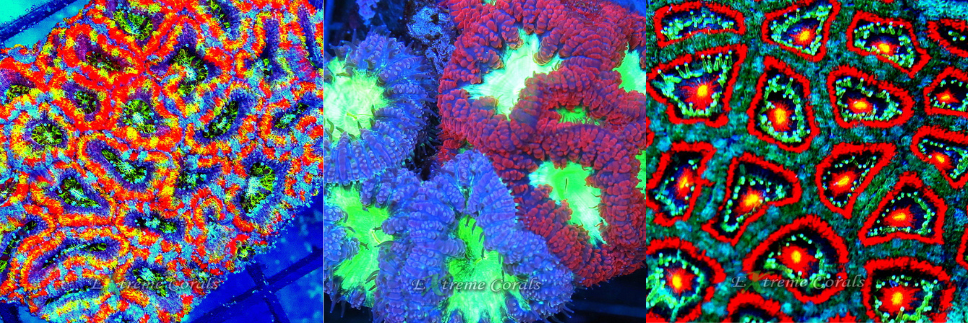
Learn whether Acanthastrea lordhowensis, Blastomussa, and Micromussa are related, how they differ in appearance and care, and which coral may be the best fit for your reef tank.
Learn the differences and similarities between Acan Lords, Blastomussa, and Micromussa, including growth, polyp shape, care needs, placement, flow, and feeding.
by Scott Shiles • April 17, 2026
Acanthastrea lordhowensis, Blastomussa, and Micromussa are all popular fleshy LPS corals in the reef hobby, and they do share some similarities, but they are not the same coral. They are related in the broader sense that they are all large polyp stony corals commonly kept in reef aquariums, but they differ in skeletal structure, polyp arrangement, growth pattern, and some aspects of care. Understanding those differences can help you choose the right coral for your tank and avoid confusing one group with another.
These three corals are often grouped together by hobbyists because they all have fleshy polyps, attractive colors, and a reputation for being more manageable than many SPS corals. Even so, they each bring a different look and behavior to the reef tank. Some stay more compact, some spread differently, and some respond better to slightly different flow or placement strategies.
Looking to add colorful fleshy corals to your reef tank? Browse our LPS corals for sale and explore healthy corals for your aquarium.
Are They Related?
Yes, in the reefkeeping sense they are related because all three are considered LPS corals. They all have fleshy polyps that extend from a calcified skeleton, and they are all valued for their color, texture, and relatively approachable care requirements in reef tanks.
That said, they are still distinct corals. Blastomussa has a more compact and rounded skeletal structure, Acanthastrea lordhowensis tends to show a more separated and maze-like appearance, and Micromussa usually has smaller polyps with a more scattered skeletal arrangement. Those structural differences are one of the easiest ways to understand why hobbyists may group them together but still treat them as separate corals.
What They Have in Common
Large Fleshy Polyps
All three corals are known for their large, fleshy-looking polyps, which is one of the reasons they are so popular with reef hobbyists. Their polyps extend from a hard skeleton and create a bold, textured appearance in the aquarium.
Stony Coral Structure
Each of these corals is a stony coral with a calcified skeleton underneath the tissue. That shared hard structure is part of why they are grouped together as LPS corals and why calcium, alkalinity, and magnesium stability matter for all of them.
Strong Color Variety
Blastomussa, Acan Lords, and Micromussa are all known for their bright and varied colors. Across these three groups, hobbyists commonly see green, red, blue, orange, yellow, and multicolor combinations that make them excellent display corals in reef tanks.
How They Are Different
Blastomussa
Blastomussa is usually recognized by its more compact and rounded skeletal structure. Its polyps often look fuller and more clustered together, which gives the colony a softer, tighter appearance compared with Acan Lords. It is also noted as generally slower growing and usually staying more modest in size than Acanthastrea lordhowensis and Micromussa.
Common names often include Blasto Wellsi and Blasto Merletti, and common colors include green, red, and blue.
Acanthastrea Lordhowensis
Acanthastrea lordhowensis, commonly called Acan Lord or simply Acan, often shows a more separated polyp arrangement and a more maze-like visual structure. Compared with Blastomussa, the polyps usually have more space between them, which gives the colony a more segmented look.
It is generally faster growing than Blastomussa and is especially popular for its wide range of colors, including red, green, yellow, blue, and orange.
Micromussa
Micromussa usually has smaller polyps than Acanthastrea lordhowensis and a more scattered skeletal arrangement. In a reef tank, it often gives a tighter, more detailed appearance than the larger and more fleshy look of many Acan Lord colonies.
Micromussa is also known for strong colors such as orange, red, blue, and green, and is commonly referred to simply as Micromussa or Micro Lords.
Quick Comparison at a Glance
- Blastomussa: compact skeleton, clustered look, slower growth, modest colony size
- Acanthastrea lordhowensis: larger separation between polyps, maze-like appearance, faster growth, broader color range
- Micromussa: smaller polyps, more scattered arrangement, colorful and detailed colony appearance
All three are attractive LPS corals, but their visual differences become more obvious once you know what to look for.
Care Similarities
All three corals benefit from stable reef parameters, regular testing, and a tank that avoids sudden changes in chemistry. They also all do well with attention to alkalinity, calcium, and magnesium, since they build and maintain a calcified skeleton.
Because they are fleshy LPS corals, they also tend to benefit from thoughtful placement where they are not blasted by harsh flow or crowded by aggressive neighbors. While their exact preferences differ slightly, the overall care philosophy is similar: stable water, suitable light, manageable flow, and consistent maintenance.
Blastomussa Care Overview
- Placement: mid to lower regions of the tank
- Water quality: stable alkalinity, calcium, and magnesium
- Lighting: moderate to high light
- Temperature: 75-80°F
- Water flow: moderate
- Feeding: microplankton and smaller particle foods
Blastomussa is often a good choice for hobbyists who want a colorful fleshy coral with a compact appearance and slower, more controlled growth.
Acanthastrea Lordhowensis Care Overview
- Placement: bottom to middle regions
- Water quality: stable parameters with regular testing
- Lighting: moderate to high light
- Temperature: 75-80°F
- Water flow: moderate to high flow
- Feeding: planktonic foods and occasional meaty items
Acan Lords are a strong option for hobbyists who want bold color and a faster-growing fleshy LPS coral that still remains manageable in a stable reef tank.
Micromussa Care Overview
- Placement: bottom regions of the tank
- Water quality: stable parameters with regular testing
- Lighting: moderate to high light
- Temperature: 75-80°F
- Water flow: low to moderate flow
- Feeding: microplankton and small particle foods
Micromussa is often a great fit for hobbyists who like detailed, tightly packed color and want a coral that works well in lower parts of the tank with gentler flow.
Which One Is Best for Your Reef Tank?
The best choice depends on the look you want and how your tank is set up.
- Choose Blastomussa if you want a slower-growing, compact, fleshy colony look.
- Choose Acanthastrea lordhowensis if you want stronger visual separation between polyps, bold colors, and somewhat faster growth.
- Choose Micromussa if you want smaller-polyp detail, bright color, and a coral that suits lower areas with gentler flow.
All three can be excellent additions to a reef tank when their placement and care are matched to their needs.
Related Corals You May Also Like
If you are interested in Blastomussa, Acan Lords, and Micromussa, you may also want to explore other colorful fleshy LPS corals and related care guides:
- Browse LPS corals for sale
- Acan Lord care guide
- Micromussa care guide
- LPS corals overview
- Coral care guide
Ready to add colorful fleshy corals to your reef tank? Browse our LPS corals for sale and explore healthy additions for your aquarium.
Shop Acan Lords, Blastos and Micromussa
Explore our WYSIWYG LPS corals, new arrival corals, and featured corals to build a more colorful reef tank.
Final Thoughts
Acanthastrea lordhowensis, Blastomussa, and Micromussa are definitely similar enough that reef hobbyists often group them together, but they are not identical corals. They share fleshy LPS characteristics, strong coloration, and a general need for stable reef conditions, yet they differ in skeletal structure, polyp arrangement, growth rate, and preferred flow or placement. Knowing those differences makes it much easier to choose the right coral and care for it successfully.
Frequently Asked Questions
Q: Are Acan Lords, Blastomussa, and Micromussa related?
A: Yes. They are all commonly kept as fleshy LPS corals in the reef hobby, though they are still distinct corals with different structures and growth patterns.
Q: What is the biggest visual difference between them?
A: Blastomussa is more compact, Acan Lords usually have more separation between polyps, and Micromussa tends to have smaller polyps with a more scattered arrangement.
Q: Which one grows the slowest?
A: Blastomussa generally grows more slowly and stays more modest in size than Acanthastrea lordhowensis and Micromussa.
Q: Which one likes the gentlest flow?
A: Micromussa usually prefers the gentlest flow of the three, with low to moderate water movement.
Q: Can all three be kept in the same reef tank?
A: Yes. They can all work well in the same reef tank as long as placement, flow, and stability are matched to each coral’s needs.
About the Author
Scott Shiles is the owner of ExtremeCorals.com, which he has operated for over 25 years and is recognized as one of the early dedicated live coral websites on the internet. A lifelong reef keeper since 1984, Scott has decades of hands-on experience maintaining marine aquariums and previously owned and operated a brick and mortar aquarium retail store for 10 years, including five years alongside Extreme Corals. He holds a degree in Marine Biology and has personally selected and sold hundreds of thousands of live corals. An avid scuba diver who has explored reef systems around the world, Scott shares practical coral care and husbandry knowledge based on real world reef experience.
overall rating:
my rating:
log in to rate
Please log in to leave a comment.
For more information visit: additional resources