My Cart: 0 item(s)

Extreme Corals News and Updates
Brain Coral Feeding Guide: How to Support Growth, Color and Long-Term Health
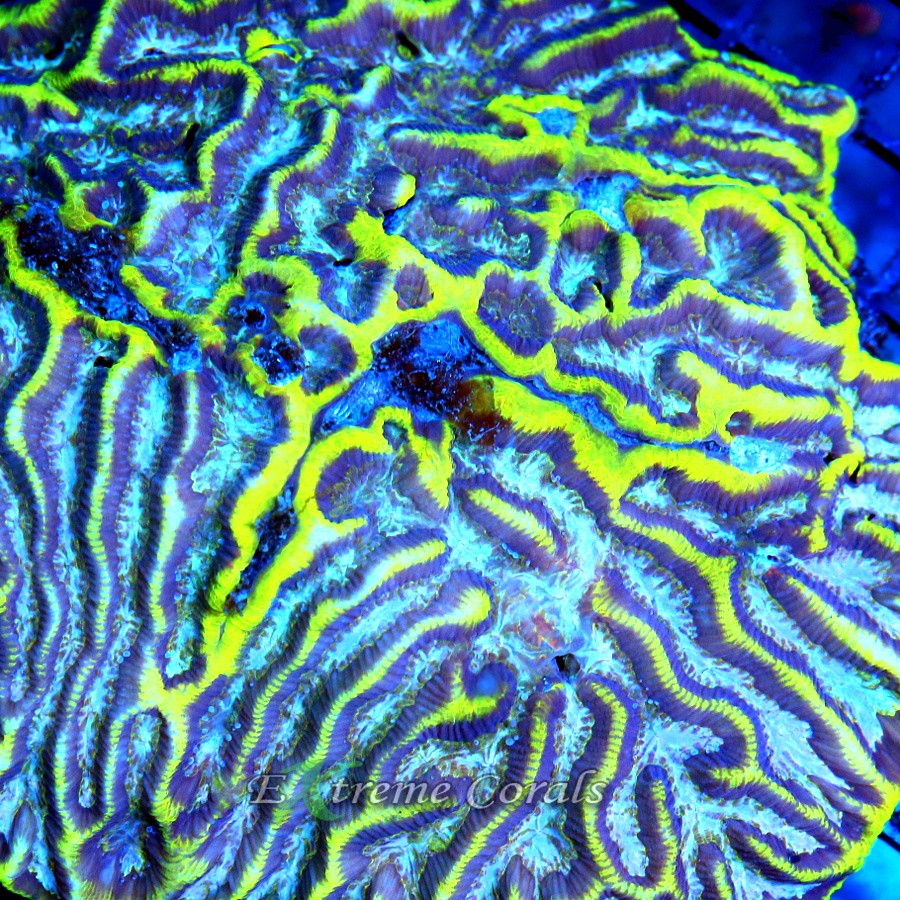
Learn how to feed and nurture brain corals in a reef aquarium with practical tips on target feeding, lighting, water quality, stability, supplements, stress signs, and long-term coral care.
Learn brain coral feeding tips for reef tanks, including food choices, target feeding, lighting, water quality, supplements, stress signs, and healthy coral growth.
by Scott Shiles • April 27, 2026
Brain corals are some of the most recognizable and rewarding large polyp stony corals in the reef aquarium hobby. Their grooved, maze-like patterns, fleshy tissue, and bold colors make them excellent showpiece corals in a mixed reef tank. While many brain corals can survive primarily through photosynthesis, thoughtful feeding and stable care can help support better tissue expansion, stronger color, and long-term health.
The key is balance. Brain corals do not need to be blasted with food every day, but they do benefit from the right nutrition delivered in the right way. Overfeeding can hurt water quality, while underfeeding in a low-nutrient system may leave the coral looking thin, faded, or slow to respond. The best approach is steady reef tank stability, appropriate lighting, moderate flow, and occasional targeted feeding.
At Extreme Corals, we work with brain corals and other fleshy LPS corals regularly, and one thing becomes clear quickly: healthy brain corals are usually the result of consistency, not constant interference. This guide covers practical feeding and nurturing tips for brain corals, including food selection, target feeding, water quality, lighting, supplements, stress signs, and long-term care habits.
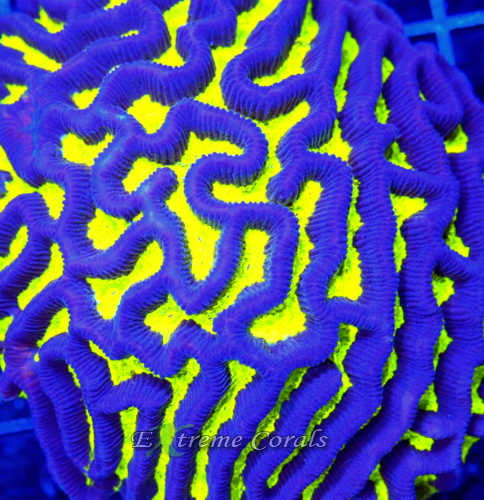
Why Feeding Matters for Brain Corals
Brain corals are photosynthetic, which means they receive much of their energy from symbiotic algae living within their tissue. Under proper reef lighting, those algae help produce energy for the coral. However, brain corals are also capable of capturing food, especially when their feeding tentacles extend.
Supplemental feeding can help brain corals maintain fuller tissue, support growth, improve recovery after shipping or stress, and encourage stronger coloration. Feeding is especially useful for fleshy LPS corals in cleaner reef systems where dissolved nutrients and natural plankton levels may be limited.
The goal is not to force-feed the coral or overload the tank. The goal is to provide small, appropriate foods at a frequency the aquarium can handle without creating nutrient spikes.
Best Foods for Brain Corals
Brain corals usually respond best to small meaty foods and fine coral foods that are easy for the tissue to capture and digest. The exact food size depends on the type of brain coral. Some large-polyp brains can take small meaty pieces, while smaller-polyp varieties do better with finer foods.
Good feeding options may include:
- Small pieces of mysis shrimp
- Finely chopped marine seafood
- Zooplankton-based coral foods
- Small particle LPS coral foods
- Reef roids or similar powdered coral foods used lightly
- Enriched brine shrimp as an occasional option
- Liquid coral foods used sparingly in balanced systems
Avoid large chunks of food that sit on the coral too long or cannot be pulled into the mouth. Oversized food can irritate the coral, attract fish and shrimp, and break down into waste before the coral can use it.
How Often Should You Feed Brain Corals?
Most brain corals do well with light feeding one to two times per week. Some healthy, established systems may need even less, while recovering or actively growing corals may respond well to slightly more frequent small feedings. The tank’s nutrient level, filtration, fish load, and coral response should guide your routine.
If nitrate and phosphate are already elevated, reduce feeding and focus on water quality first. If the system is very clean and the coral looks thin or slow to expand, careful supplemental feeding may help.
A good rule is to feed enough that the coral responds, but not so much that leftover food collects around the tissue or causes nutrient problems. Brain coral feeding should support the reef, not destabilize it.
Target Feeding Brain Corals
Target feeding is one of the best ways to feed brain corals because it delivers food directly to the coral instead of broadcasting too much food through the entire aquarium. A turkey baster, coral feeding pipette, or dedicated feeding tool works well.
To target feed a brain coral:
- Turn down or temporarily pause strong flow so food does not immediately blow away.
- Offer a small amount of food near the coral’s feeding tentacles or mouth area.
- Allow the coral time to capture and begin pulling in the food.
- Keep fish, shrimp, and aggressive feeders from stealing the food if possible.
- Restart normal flow after feeding so leftover particles do not settle around the coral.
Many brain corals show their strongest feeding response after the lights dim or when food is detected in the water. If your coral does not immediately grab food during the day, try feeding when tentacles are naturally extended.
Common Brain Coral Feeding Mistakes
Feeding can help brain corals, but it can also create problems when done incorrectly. Many LPS coral issues are not caused by lack of food, but by too much food, poor water quality, and unstable conditions.
Avoid these common mistakes:
- Overfeeding: Too much food can raise nitrate and phosphate, fuel algae, and irritate coral tissue.
- Using food that is too large: Large pieces can sit on the coral and decay before being eaten.
- Feeding without controlling flow: Food may blow away before the coral can capture it.
- Letting shrimp steal food: Cleaner shrimp and other scavengers can pull food from the coral’s mouth.
- Feeding stressed corals heavily: A coral with tissue damage or poor water conditions may need stability first, not more food.
- Ignoring nutrients: Feeding more without testing nitrate and phosphate can create long-term problems.
The best feeding routine is controlled, observant, and adjusted based on how the coral and aquarium respond.
Lighting and Water Conditions for Healthy Brain Corals
Brain corals generally do best under moderate reef lighting, although exact needs depend on the species and the coral’s previous conditions. Too little light can reduce energy production, while too much light can cause bleaching, fading, or tissue stress.
Moderate light and stable water chemistry are usually a safer starting point than placing a new brain coral directly under intense lighting. If you want to increase light, do it gradually and watch the coral’s response over time.
Good general water parameter targets include:
| Parameter | Recommended Range |
|---|---|
| Temperature | 75-82°F |
| Salinity | 1.024-1.026 specific gravity |
| pH | 8.1-8.4 |
| Alkalinity | 8-12 dKH |
| Calcium | 380-450 ppm |
| Magnesium | 1250-1350 ppm |
| Nitrate | Present but controlled |
| Phosphate | Low but not stripped to zero |
Brain corals usually do better in stable water than in a tank where numbers are constantly being chased. Test regularly, make changes slowly, and avoid large swings in alkalinity, salinity, or temperature.
Water Flow for Feeding and Tissue Health
Brain corals need enough flow to keep oxygen and nutrients moving across their tissue, but they do not usually like harsh direct current. Too much flow can prevent feeding, tear delicate tissue, or cause the coral to stay tightly retracted. Too little flow can allow detritus to collect in the coral’s grooves and around its base.
A moderate, indirect flow pattern is usually best. The coral tissue should move gently, but not be blasted against the skeleton. During feeding, temporarily reducing flow can help the coral capture food more effectively, but normal circulation should be restored afterward.
If detritus collects on the coral, gently clear it with a turkey baster. Do not let debris sit in the folds of the coral for long periods, because trapped waste can irritate tissue and contribute to recession.
Nurturing Brain Corals Beyond Feeding
Feeding is only one part of brain coral care. A coral can receive plenty of food and still decline if the environment is unstable. The strongest brain corals are usually kept in aquariums where lighting, flow, chemistry, and placement work together.
To nurture brain corals long term:
- Maintain stable salinity and temperature.
- Keep alkalinity, calcium, and magnesium within appropriate ranges.
- Use moderate indirect flow to prevent detritus buildup.
- Provide moderate lighting and avoid sudden intensity changes.
- Keep aggressive corals far enough away to prevent stinging.
- Protect feeding corals from shrimp and fish that steal food.
- Perform regular water changes to support trace element balance.
- Observe tissue inflation, color, and feeding response over time.
In real reef keeping, brain corals often show problems slowly. A coral that starts inflating less, fading, or exposing skeleton is telling you something has changed. Catching those signs early gives you a much better chance of correcting the issue.
Using Supplements for Brain Coral Health
Supplements can support brain coral health, but they should not replace testing or proper maintenance. Calcium, alkalinity, and magnesium are important because brain corals build a calcium carbonate skeleton. If these levels become depleted or unstable, growth and tissue health can suffer.
Phytoplankton, zooplankton, amino acids, and trace element supplements may also be useful in some systems, but they should be used carefully. Adding supplements blindly can create nutrient problems, algae growth, or chemical imbalance.
Before dosing anything, test the water and understand what your aquarium actually needs. If regular water changes are keeping parameters stable, extra dosing may not be necessary. If stony corals are consuming minerals faster than water changes replace them, then a measured supplementation plan may help.
Signs of a Healthy Brain Coral
A healthy brain coral will usually show stable color, good tissue inflation, and a normal feeding response. Many brain corals expand more during certain parts of the day and may extend feeding tentacles when food is present.
Positive signs include:
- Full, fleshy tissue covering the skeleton
- Consistent color without sudden fading or bleaching
- Feeding tentacles extending at feeding time or after lights dim
- No exposed skeleton or tissue peeling
- Stable inflation from day to day
- Slow but steady growth over time
Brain corals are not fast-growing corals, so patience is important. Slow growth does not always mean poor health. Stable tissue, color, and feeding response are often better indicators than rapid size increase.
Signs of Stress or Poor Health
Brain corals can decline when they are exposed to unstable water conditions, poor placement, coral aggression, tissue damage, or water quality problems. Early signs should be taken seriously.
Watch for:
- Receding tissue or exposed skeleton
- Sudden bleaching or faded coloration
- Failure to inflate for several days
- Food sitting on the coral without a feeding response
- Brown slime, tissue decay, or unusual film
- Damage from nearby coral sweepers
- Fish or invertebrates picking at the tissue
If you see these signs, start by checking the basics: salinity, alkalinity, temperature, nitrate, phosphate, lighting, and flow. Avoid moving the coral repeatedly unless placement is clearly the problem. Repeated handling can make a stressed coral worse.
How to Encourage Brain Coral Growth and Color
Brain coral growth and color come from a combination of lighting, nutrition, mineral stability, and low-stress placement. No single food or supplement will overcome an unstable system.
To encourage better growth and color:
- Keep alkalinity stable instead of constantly adjusting it.
- Maintain calcium and magnesium for skeleton growth.
- Feed small, appropriate foods one to two times per week.
- Keep nutrients controlled but not stripped to zero.
- Use moderate lighting and acclimate slowly to changes.
- Place the coral where tissue can expand without rubbing or being stung.
- Keep detritus from settling in the coral’s folds.
A brain coral that is well placed, lightly fed, and kept in stable water will often look better over time without constant intervention.
Related Corals You May Also Like
If you enjoy brain corals and other fleshy LPS corals, these related coral groups and guides can help you choose compatible pieces for your reef tank:
- Large Polyp Stony Corals - Explore fleshy LPS corals with color, feeding response, and strong reef presence.
- New Arrival Corals - Browse recently added corals for your reef aquarium.
- Coral Care Guides - Learn more practical reefkeeping tips for long-term coral health.
- pH and Alkalinity in Reef Tanks - Understand two key stability factors for brain coral health.
- How to Maintain Your Saltwater Aquarium - Review routine maintenance habits that support healthier corals.
Shop Brain Corals and LPS Corals
Brain corals are excellent choices for reef keepers who want bold color, interesting texture, and visible feeding behavior in a stable aquarium. Once your tank is ready, choosing healthy LPS corals from a trusted source can help give your reef a stronger start.
Browse LPS corals, new arrival corals, and other reef tank favorites at ExtremeCorals.com to find pieces that match your lighting, flow, placement, and reefkeeping goals.
Frequently Asked Questions About Feeding Brain Corals
Do brain corals need to be fed?
Brain corals can receive energy from photosynthesis, but they often benefit from occasional supplemental feeding. Small meaty foods and fine coral foods can support tissue health, growth, color, and recovery.
How often should I feed brain corals?
Most brain corals do well with light feeding one to two times per week. Feed small amounts and watch nutrient levels so nitrate and phosphate do not rise too quickly.
What is the best food for brain corals?
Good foods include small pieces of mysis shrimp, finely chopped marine foods, zooplankton-based coral foods, and small particle LPS coral foods. Avoid large chunks that the coral cannot easily consume.
Should brain corals be target fed?
Target feeding is often helpful because it delivers food directly to the coral while reducing waste in the rest of the aquarium. A turkey baster or coral feeding tool works well for controlled feeding.
Can you overfeed brain corals?
Yes. Overfeeding can reduce water quality, raise nutrients, fuel algae, and irritate coral tissue. Brain corals should be fed lightly and consistently rather than heavily.
Why is my brain coral not eating?
A brain coral may not eat if it is stressed by poor water quality, strong flow, excessive light, recent handling, coral aggression, or unstable parameters. Check the environment before increasing feeding.
What are signs of a healthy brain coral?
Healthy brain corals usually show full tissue, stable color, no exposed skeleton, and a feeding response when appropriate food is offered. They may grow slowly, but stable tissue and color are strong signs of health.
About the Author
Scott Shiles is the owner of ExtremeCorals.com, which he has operated for over 25 years and is recognized as one of the early dedicated live coral websites on the internet. A lifelong reef keeper since 1984, Scott has decades of hands-on experience maintaining marine aquariums and previously owned and operated a brick and mortar aquarium retail store for 10 years, including five years alongside Extreme Corals. He holds a degree in Marine Biology and has personally selected and sold hundreds of thousands of live corals. An avid scuba diver who has explored reef systems around the world, Scott shares practical coral care and husbandry knowledge based on real world reef experience.
overall rating:
my rating:
log in to rate
Please log in to leave a comment.
For more information visit: additional resources