My Cart: 0 item(s)

Extreme Corals News and Updates
Toadstool Leather Coral in Reef Tanks: Care, Placement, Flow and Growth Tips
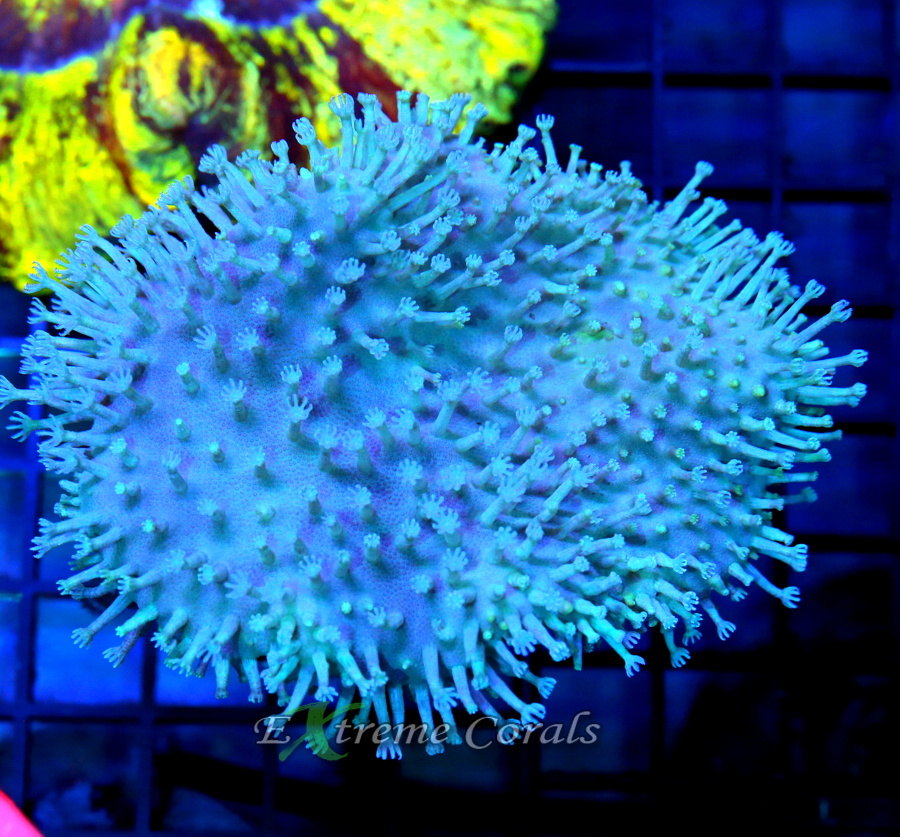
Essential Tips for Thriving Toadstool Leather Corals in Your Aquarium
Learn how to care for Toadstool Leather Corals with tips on lighting, water flow, and placement to ensure a healthy and vibrant aquarium environment.
by Scott Shiles • June 03, 2024
Looking to add a toadstool leather coral to your reef tank? Browse our soft corals for sale and explore hardy, colorful corals for your aquarium.
Toadstool leather corals are one of the most popular soft corals in reef tanks because they combine hardiness, movement, and a natural reef look with relatively forgiving care requirements. This guide explains how to keep a toadstool leather coral healthy in a home reef aquarium, including lighting, water flow, placement, feeding, growth, and the most common mistakes that can keep it from thriving.
For many reef keepers, a toadstool leather is one of the best corals for adding height and structure without the demanding care needs of SPS corals. When healthy, these corals develop a broad cap with extended polyps that create soft movement in the current. They work especially well in mixed reefs, soft coral systems, and beginner-friendly reef tanks where stability and easy placement matter.
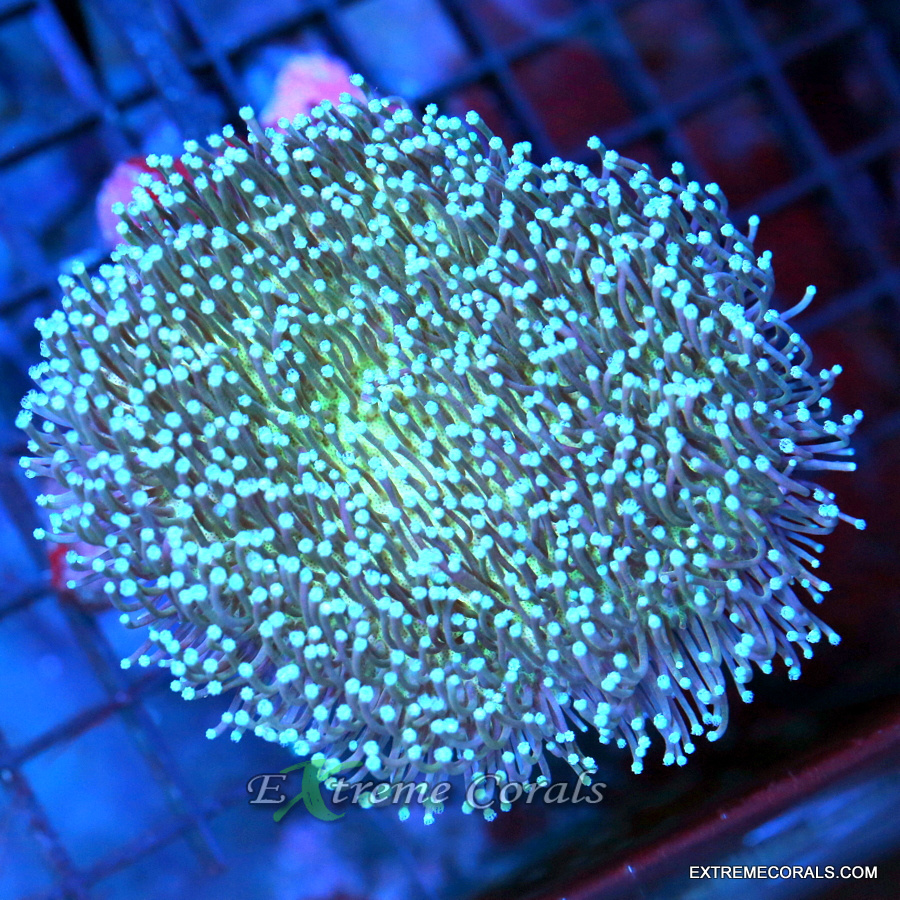
What Is a Toadstool Leather Coral?
Toadstool leather corals are soft corals known for their mushroom- or toadstool-like shape, with a stalked base and broad cap covered in small polyps. The live article describes them as a popular soft coral because of their ease of care and distinctive appearance, which makes them a natural choice for aquarists who want a coral with both structure and movement.
Unlike stony corals, toadstool leathers do not build a hard calcium carbonate skeleton. That makes them more flexible in movement and often more forgiving of everyday reefkeeping mistakes, although they still need stable conditions to look their best.
Why Toadstool Leather Corals Are So Popular
- They are generally hardy and adaptable
- They add height and structure to the aquascape
- Their polyps create soft natural movement
- They work well in many mixed reef setups
- They are often a strong beginner-friendly coral choice
Toadstool leathers are especially useful for reef keepers who want a coral that fills visual space and adds a more natural reef profile without requiring aggressive feeding or SPS-level stability.
Lighting for Toadstool Leather Corals
The live article recommends moderate to low lighting and explains that proper lighting is important because the coral depends on photosynthesis for much of its energy. That makes moderate placement and stable lighting one of the most important parts of long-term success.
- Moderate to low lighting is usually the safest starting point
- Avoid harsh placement directly under overly intense light
- Acclimate slowly if moving the coral higher in the tank
- Watch for poor extension or stress if lighting changes too quickly
Many hobbyists assume a soft coral can be placed anywhere, but toadstool leathers still respond visibly to light quality and intensity. Too little light can reduce growth and extension, while too much direct intensity can cause stress.
If you are still fine-tuning your setup, learn more about coral lighting.
Water Flow Requirements
The live article recommends gentle to moderate water flow and explains that movement is important for feeding, waste removal, and keeping the coral clean. It also warns that excessive flow can cause stress, while too little can allow debris to build up on the coral.
- Moderate indirect flow is ideal
- Avoid blasting the coral with direct current
- Enough movement should keep the cap clean
- Flow should support polyp extension, not flatten it constantly
Good flow is especially important for leather corals because they sometimes shed a waxy film as part of normal maintenance and growth. Moderate flow helps carry that film away and keeps the coral from staying coated in debris.
You can also read our reef flow guide.
Best Placement in a Reef Tank
The live article recommends placing toadstool leather corals in the middle to lower regions of the aquarium where they can receive moderate to low light and gentle to moderate flow. That is a strong general placement guideline for most home reef tanks.
- Middle to lower placement is often best
- Give the coral room to expand fully
- Avoid cramming it too close to neighboring corals
- Use a stable rock position where it can remain undisturbed
Toadstool leathers can grow into fairly large display corals over time, so spacing matters more than many reef keepers expect. A small frag can eventually become a broad, dominant cap if conditions are good.
What Water Parameters Do Toadstool Leathers Need?
The live article emphasizes stable water conditions and specifically mentions calcium and alkalinity as part of maintaining healthy conditions. While toadstool leathers are more forgiving than many stony corals, they still do best in a stable reef system.
- Temperature: 76-80°F
- Salinity: 1.024-1.026
- pH: 8.1-8.4
- Stable alkalinity is important
- General reef stability matters more than constant correction
Toadstool leathers usually tolerate a wider range than many SPS corals, but unstable chemistry can still lead to poor extension, repeated shedding, or a coral that never fully settles in.
If you are working on overall chemistry consistency, learn more about pH and alkalinity in reef tanks.
Do Toadstool Leather Corals Need Feeding?
Like many soft corals, toadstool leathers rely heavily on photosynthesis, but they can also benefit from dissolved nutrients and fine particulate matter in the water column. They usually do not require heavy target feeding the way some LPS corals might.
- Photosynthesis is the main energy source
- Good water quality and stable nutrients matter
- Heavy direct feeding is usually not necessary
- Avoid overfeeding the tank just to support one coral
In most reef tanks, proper lighting, moderate flow, and stable parameters will do more for a toadstool leather than aggressive feeding schedules.
Growth, Shedding and Normal Behavior
Toadstool leather corals can grow steadily over time and often become impressive display pieces in mixed reefs. One thing that surprises many hobbyists is that they may periodically close up and shed a waxy outer layer. This is often a normal process rather than a sign of immediate decline.
- Temporary closing can be normal
- Periodic shedding is common in leather corals
- Moderate flow helps the coral clean itself
- Stable conditions support better long-term growth
If the coral closes briefly and then reopens after shedding, that is often normal behavior. If it stays closed for an extended period while also showing tissue decline, then a deeper issue may be involved.
Common Mistakes to Avoid
The live article specifically warns against incorrect lighting, inadequate water flow, and crowding. Those are some of the most common reasons toadstool leathers underperform in home reef tanks.
- Too much direct light
- Too little flow and too much debris accumulation
- Crowding the coral near neighbors
- Moving the coral too often
- Ignoring slow changes in extension and behavior
Most soft coral problems are not caused by one dramatic event. They are often caused by repeated minor stress from poor placement, unstable maintenance, or neglecting how the coral is responding over time.
How to Tell If Your Toadstool Leather Is Healthy
- Good polyp extension when settled
- Firm upright posture
- A clean cap without heavy debris buildup
- Steady growth over time
- Normal reopening after occasional shedding
Watching the coral over time is more helpful than reacting to every small daily change. A healthy leather coral often has rhythms of expansion, contraction, and shedding that are normal parts of its life cycle.
Can Toadstool Leather Corals Be Kept in Mixed Reefs?
Yes, they can work very well in mixed reefs, especially when they are given enough room and placed where their growth form makes sense. Their height and cap shape can add visual balance to tanks that also contain lower-growing mushrooms, zoanthids, and many LPS corals.
Just make sure they are not placed too close to corals that are more aggressive or more sensitive to nearby chemical competition.
Related Corals You May Also Like
If you are interested in toadstool leather corals, you may also want to explore other soft corals and reef-friendly corals for similar areas of the tank:
- Browse soft corals for sale
- Sinularia leather coral care
- Zoanthid care guide
- Ricordea mushrooms for sale
- Overview of coral types and care guidelines
Ready to add a hardy, eye-catching soft coral to your reef tank? Browse our soft corals for sale and explore healthy, colorful corals ready for your aquarium.
Shop Toadstool Leather and Soft Corals
Explore our soft corals for sale and find toadstool leathers and other reef-friendly corals for mixed reef systems.
Frequently Asked Questions
Q: What lighting does a toadstool leather coral need?
A: Toadstool leather corals usually do best in moderate to low lighting with slow acclimation to brighter placement.
Q: What flow is best for a toadstool leather?
A: Moderate indirect flow is usually ideal because it helps remove debris and supports healthy extension without causing tissue stress.
Q: Why is my toadstool leather closed up?
A: Toadstool leathers sometimes close while shedding a waxy film, which can be normal. Extended closure with decline may indicate stress.
Q: Do toadstool leather corals need feeding?
A: They rely mainly on photosynthesis and usually do not require heavy direct feeding.
Q: Where should I place a toadstool leather coral?
A: Middle to lower placement with moderate light, moderate indirect flow, and enough room to expand is usually best.
About the Author
Scott Shiles is the owner of ExtremeCorals.com, which he has operated for over 25 years and is recognized as one of the early dedicated live coral websites on the internet. A lifelong reef keeper since 1984, Scott has decades of hands-on experience maintaining marine aquariums and previously owned and operated a brick and mortar aquarium retail store for 10 years, including five years alongside Extreme Corals. He holds a degree in Marine Biology and has personally selected and sold hundreds of thousands of live corals. An avid scuba diver who has explored reef systems around the world, Scott shares practical coral care and husbandry knowledge based on real world reef experience.
overall rating:
my rating:
log in to rate
Please log in to leave a comment.
For more information visit: additional resources