My Cart: 0 item(s)

Extreme Corals News and Updates
Coral Types Explained (Soft, LPS & SPS Coral Care Guide for Reef Tanks)
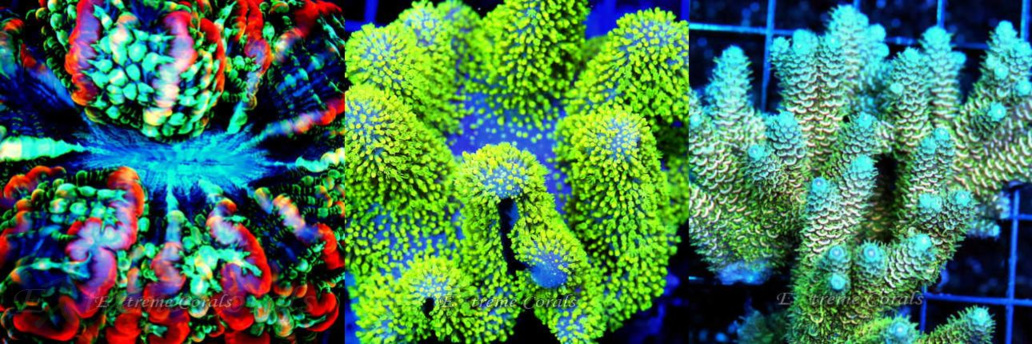
LPS, SPS, and Soft Corals Demystified – Care Tips and Reef Tank Hazards Unveiled
Unlock the secrets of coral care with our in-depth guide! Explore the distinctions between LPS, SPS, and Soft Corals, alongside essential tips for nurturing each species. Discover the potential hazards endangering your reef tank and proactive measures to safeguard your underwater ecosystem. Elevate your marine aquarium expertise now
by Scott Shiles • April 05, 2024
Reef Tank Maintenance, Reef Tank Equipment, All Corals
Learn the differences between soft corals, LPS corals, and SPS corals, along with their care requirements for lighting, water flow, placement, and feeding. This complete guide will help you choose the right corals and build a successful reef tank.
Understanding coral types is one of the most important steps in reef keeping. Each coral group behaves differently in a reef tank, and knowing how they grow, spread, and respond to lighting and flow will help you avoid common mistakes and build a thriving system.
If you're new to reef keeping or want a full breakdown of setup, lighting, and flow, review our coral care guide here:
https://www.extremecorals.com/coralcare.html
The Three Main Types of Coral
Most corals in the reef hobby fall into three main categories:
- Soft Corals
- Large Polyp Stony (LPS) Corals
- Small Polyp Stony (SPS) Corals
Each type has different care requirements, growth patterns, and difficulty levels.
Soft Corals (Beginner Friendly and Fast Growing)
Soft corals are generally the easiest corals to care for and are ideal for beginners. They do not have a hard calcium skeleton and are more flexible in their care requirements.
They are known for:
- Fast growth
- Movement in the tank
- Tolerance to minor parameter swings
Common soft corals include:
Zoanthids
Zoanthids are one of the most popular corals due to their bright colors and fast spreading growth. They form colonies that can quickly cover rockwork and are often used to create zoa gardens.
Browse zoanthids here:
https://www.extremecorals.com/category/zoanthids.html
Mushrooms (Corallimorphs)
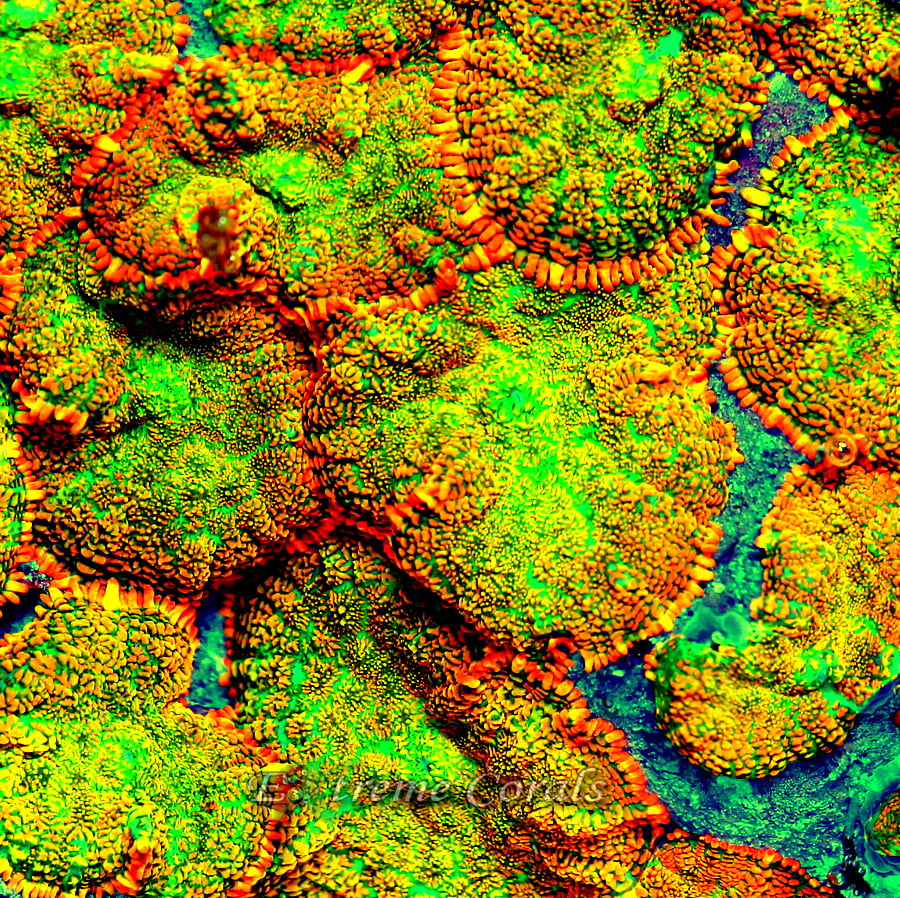
Mushroom corals are extremely hardy and thrive in lower light and flow conditions. They are a great choice for beginners and can grow quickly in stable tanks.
Browse ricordia mushrooms here:
https://www.extremecorals.com/category/ricordia-mushrooms.html
Toadstool Leather Coral
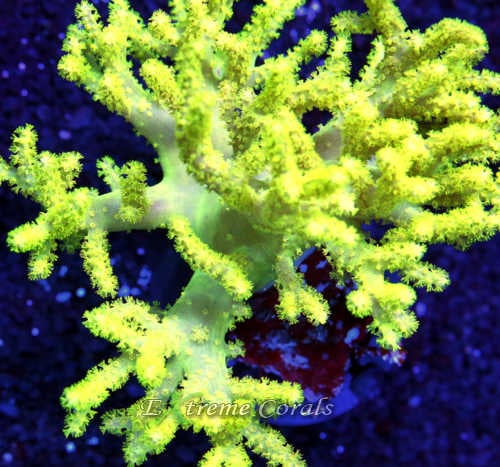
Toadstool leathers are large, hardy soft corals that develop a cap with flowing polyps. They can grow into centerpiece corals and are known for their durability.
Xenia Coral
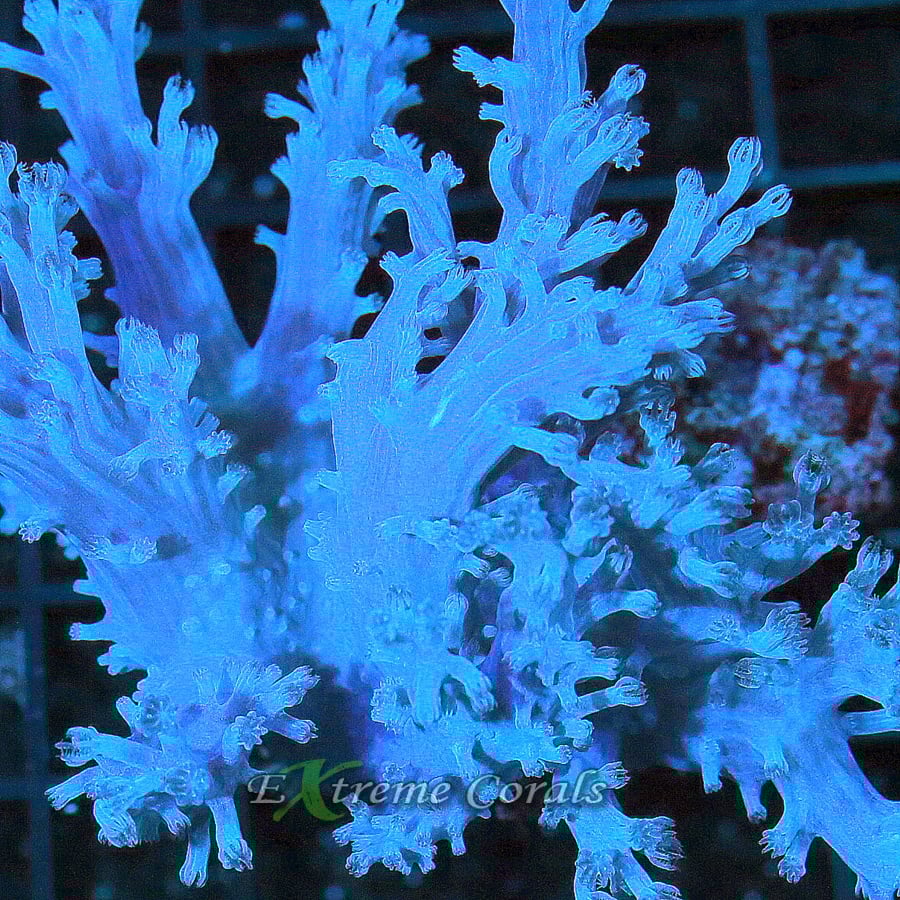
Xenia is known for its pulsing motion and rapid growth. It can spread quickly and should be placed carefully to avoid overtaking other corals.
Soft coral care summary:
- Lighting: Low to moderate
- Flow: Low to moderate
- Difficulty: Easy
LPS Corals (Movement and Structure)
Large Polyp Stony (LPS) corals have a hard skeleton with large, fleshy polyps. They offer a balance between beauty and moderate difficulty.
They are known for:
- Flowing movement
- Larger polyps
- Moderate care requirements
Common LPS corals include:
Torch Coral (Euphyllia)
Torch corals have long flowing tentacles and are one of the most sought-after LPS corals. They require stable conditions and proper spacing due to their sweeper tentacles.
Hammer Coral
Hammer corals have a unique hammer-shaped tip and provide strong movement in the tank. They are slightly more forgiving than torch corals.
Frogspawn Coral
Frogspawn corals have branching heads and a similar look to hammer corals but with more rounded tips.
Goniopora (Flowerpot Coral)
Goniopora corals have long extended polyps and can be more sensitive than other LPS corals. They benefit from stable conditions and proper feeding.
Browse LPS corals here:
https://www.extremecorals.com/category/large-polyp-stonies-corals.html
LPS coral care summary:
- Lighting: Moderate
- Flow: Low to moderate
- Difficulty: Moderate
SPS Corals (Advanced Reef Keeping)
Small Polyp Stony (SPS) corals are the most demanding corals and require stable, mature reef systems.
They are known for:
- Fast skeletal growth
- Small polyps
- High sensitivity to water changes
Common SPS corals include:
Acropora
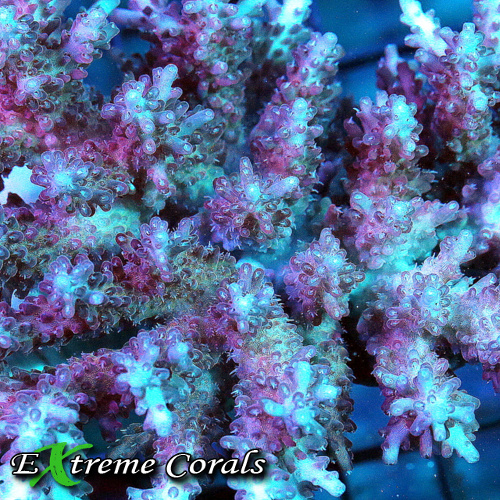
Acropora are some of the most sought-after SPS corals and require strong lighting and high flow.
Montipora
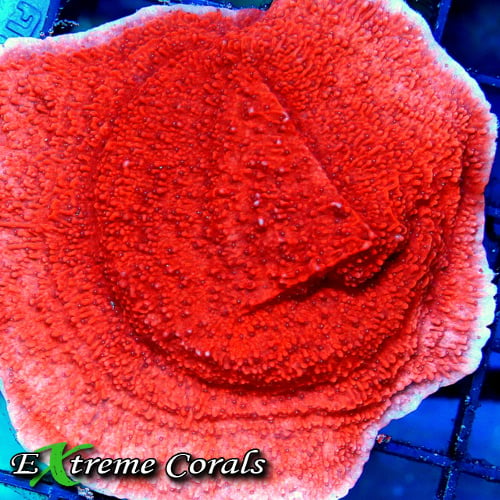
Montipora are slightly easier than Acropora and can grow in plating or branching forms.
Birdsnest Coral
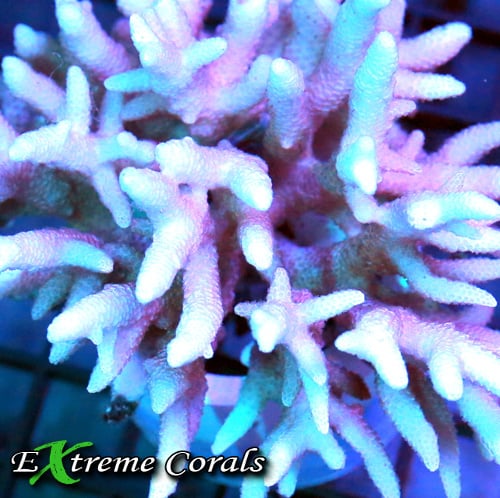
Birdsnest corals grow quickly and form dense branching structures.
Browse SPS corals here:
https://www.extremecorals.com/category/small-polyp-stonies-corals.html
SPS coral care summary:
- Lighting: High
- Flow: High
- Difficulty: Advanced
Coral Bleaching
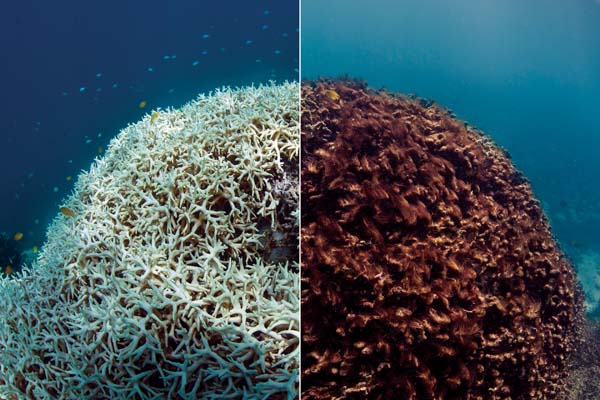
Key Factors That Affect All Corals
No matter what coral type you choose, success depends on a few critical factors:
Lighting
Corals rely on light for energy, and different species require different intensities.
Water Flow
Flow affects nutrient delivery, waste removal, and coral health.
Stability
Stable parameters are more important than perfect numbers.
Placement
Coral Tissue Necrosis
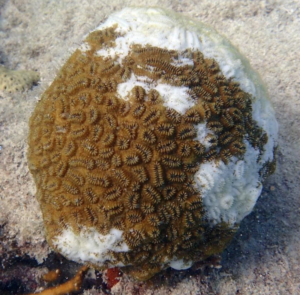
Correct placement based on lighting and flow is one of the biggest factors in coral success.
Choosing the Right Corals for Your Tank
A proven approach for beginners is:
- Start with soft corals
- Move into LPS corals
- Add SPS corals once your tank is stable
This progression allows you to gain experience while reducing risk.
If you're looking to start or expand your reef tank, browse new arrival corals here:
https://www.extremecorals.com/category/new-arrival-corals.html
Common Mistakes Beginners Make
- Adding too many corals too quickly
- Ignoring coral compatibility
- Placing corals incorrectly
- Chasing perfect numbers instead of stability
Avoiding these mistakes will significantly improve your success.
Coral Compatibility and Spacing
Many corals compete for space and can harm each other.
- Some corals sting nearby neighbors
- Some release chemicals into the water
- Some grow aggressively and overtake others
Always allow space and monitor interactions.
Signs of Healthy Corals
Healthy corals typically show:
- Strong polyp extension
- Bright coloration
- Consistent growth
- No visible tissue damage
Watching your tank daily is one of the best ways to catch problems early.
Final Thoughts
Understanding coral types is the foundation of reef keeping. By choosing the right corals for your experience level and maintaining stable conditions, you can build a thriving reef tank that grows over time.
If you're looking to build or expand your reef tank, shop new arrival corals here:
https://www.extremecorals.com/category/new-arrival-corals.html
Frequently Asked Questions
What is the easiest coral for beginners?
Soft corals like zoanthids and mushrooms are typically the easiest to keep.
What is the difference between LPS and SPS corals?
LPS corals have large fleshy polyps and moderate care needs, while SPS corals require high stability and stronger lighting and flow.
Can you mix coral types in one tank?
Yes, but placement, flow, and compatibility must be managed carefully.
About the Author
Scott Shiles is the owner of ExtremeCorals.com, which he has operated for over 25 years and is recognized as one of the early dedicated live coral websites on the internet. A lifelong reef keeper since 1984, Scott has decades of hands-on experience maintaining marine aquariums and previously owned and operated a brick and mortar aquarium retail store for 10 years, including five years alongside Extreme Corals. He holds a degree in Marine Biology and has personally selected and sold hundreds of thousands of live corals. An avid scuba diver who has explored reef systems around the world, Scott shares practical coral care and husbandry knowledge based on real world reef experience.
overall rating:
my rating:
log in to rate
Please log in to leave a comment.
For more information visit: additional resources