My Cart: 0 item(s)

Extreme Corals News and Updates
First Reef Tank Checklist: What You Need Before Adding Corals
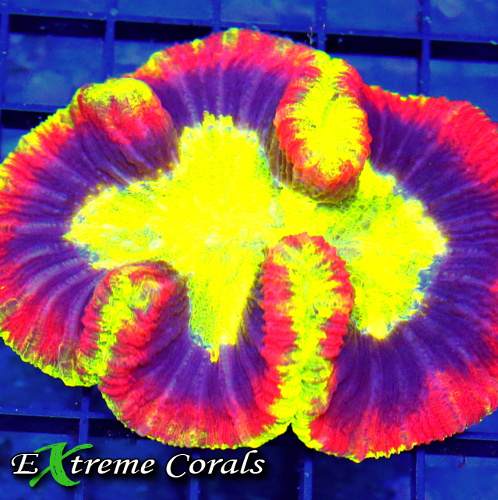
A practical beginner guide to choosing the right reef tank, equipment, water setup, cycling process, and beginner-friendly corals before building your first saltwater aquarium.
Learn what you need to start your first coral reef tank, including tank size, lighting, filtration, saltwater, testing, cycling, livestock choices, and beginner coral planning.
by Scott Shiles • April 27, 2026
Reef Tank Maintenance, Reef Tank Equipment, All Corals
Starting your first coral reef tank is one of the most exciting steps you can take in the saltwater aquarium hobby. A well-built reef tank brings movement, color, fish, live rock, and coral growth together into a living display that changes over time. But before you start buying fish and corals, it helps to understand exactly what equipment, planning, and patience are needed to build a stable reef aquarium from the beginning.
At Extreme Corals, we see one beginner mistake more than almost any other: people buy livestock before the system is truly ready. The best reef tanks are not rushed. They are planned around tank size, filtration, lighting, water quality, livestock compatibility, and long-term maintenance. This guide will walk you through the essentials so you can start your coral reef tank with a stronger foundation and avoid costly early setbacks.
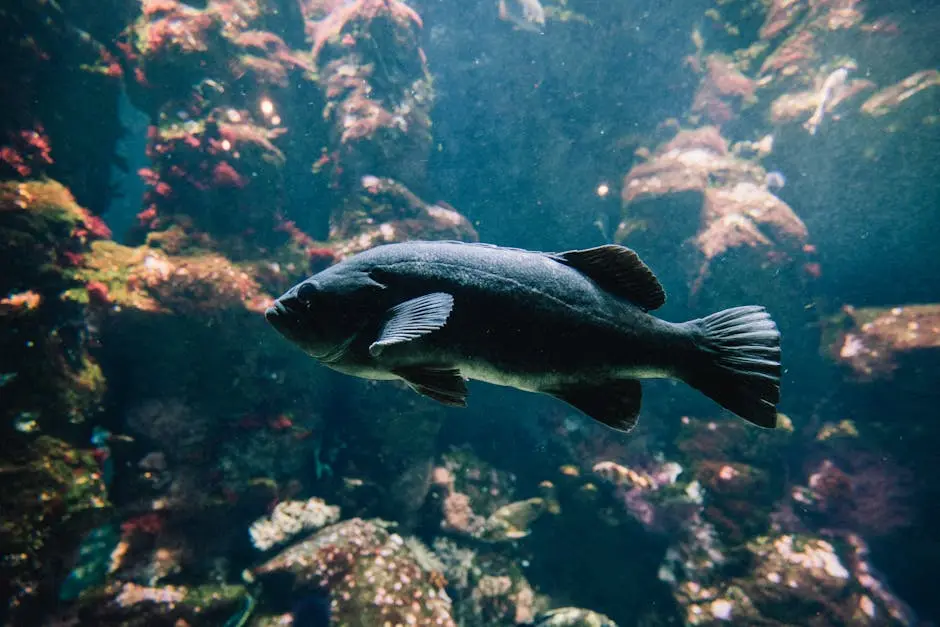
Start With the Right Reef Tank Plan
Before buying equipment, decide what kind of reef tank you want to build. A beginner reef tank can be small, simple, and manageable, or it can be a larger display with more room for fish, rockwork, and coral placement. The right choice depends on your space, budget, maintenance schedule, and the type of corals you eventually want to keep.
For most beginners, a medium-sized tank is often easier than a very tiny nano tank. Small aquariums can look simple, but they are less forgiving when salinity, temperature, alkalinity, or nutrients shift. A little evaporation in a small tank can change salinity quickly. A larger water volume gives you more stability and more time to correct small issues before they stress fish or corals.
That does not mean a beginner cannot succeed with a nano reef. It simply means the smaller the tank, the more consistent your routine needs to be. If you want a low-stress first reef, choose a size you can afford, maintain, and access easily for cleaning, water changes, and equipment adjustments.
What Equipment Do You Need to Start a Coral Reef Tank?
A coral reef tank needs more than just glass, water, and lights. Corals depend on stable saltwater, proper lighting, water movement, biological filtration, and consistent maintenance. Your exact setup may vary, but most beginner reef tanks need these core pieces of equipment:
- A reef-ready aquarium or all-in-one tank sized for your space and goals
- Saltwater mix made with clean freshwater, preferably RO/DI water
- Live rock or dry rock for aquascaping and biological filtration
- Substrate, usually aragonite sand or a bare-bottom setup depending on preference
- Heater and thermometer to keep temperature stable
- Filtration, such as filter socks, media baskets, sump filtration, or an all-in-one rear chamber
- Protein skimmer, especially helpful on larger or more heavily stocked systems
- Reef lighting suitable for the corals you plan to keep
- Powerheads or wavemakers to create water movement
- Refractometer or digital salinity tester for accurate salinity readings
- Water test kits for ammonia, nitrite, nitrate, phosphate, alkalinity, calcium, magnesium, and pH
- Auto top-off system to replace evaporated freshwater and help stabilize salinity
- Maintenance tools such as algae scrapers, buckets, coral dip, turkey baster, siphon hose, and feeding tools
You do not need every advanced gadget on day one. Controllers, dosing pumps, reactors, and high-end automation can be useful later, but beginners should first focus on stable water, reliable lighting, good flow, and consistent testing. A simple reef tank that is maintained well will outperform an expensive system that is neglected or rushed.
Plan Your Budget Beyond the Tank
The aquarium itself is only one part of the cost. New reef keepers often underestimate the ongoing supplies needed to keep a saltwater system healthy. Salt mix, replacement filters, test reagents, food, coral dip, RO/DI filters, water change supplies, and backup equipment all matter over time.
A realistic beginner budget should include both startup costs and monthly maintenance costs. It is better to start slightly smaller and buy quality essentials than to build a large system with weak lighting, poor flow, or unreliable testing. Corals respond to consistency, and consistency is easier when your setup is not stretched beyond your budget.
Use Clean Water From the Beginning
Good reef tanks start with good water. Most serious reef keepers use RO/DI water because it removes many impurities that can fuel algae, irritate corals, or create unpredictable chemistry. Mixing saltwater with untreated tap water may work in some areas for fish-only systems, but it adds unnecessary risk in a reef tank.
When mixing saltwater, match the salinity and temperature before adding it to your aquarium. Most reef tanks are kept around natural seawater salinity, often near 1.025 specific gravity. The exact number matters less than keeping it stable. Sudden salinity swings can stress corals, especially fleshy LPS corals and newly added frags.
Cycle the Tank Before Adding Corals
Cycling is the process of establishing beneficial bacteria that convert toxic ammonia into nitrite and then nitrate. This biological foundation is what allows your reef tank to safely support fish, coral, and other livestock. A tank that looks clear is not automatically ready. You need test results that show the system is biologically stable.
During the cycle, monitor ammonia, nitrite, and nitrate. Avoid the temptation to add corals too early just because the aquarium looks clean. In our experience, beginners who wait for a stable cycle usually have a much better first coral experience than those who rush the process.
Once the tank is cycled, add livestock slowly. Start with hardy fish or beginner-friendly corals, then give the system time to adjust before adding more. Every new animal increases the biological load, and patience keeps the tank from swinging too quickly.
Choose Lighting Based on the Corals You Want
Reef lighting is not just for looks. Most corals rely on light to support the symbiotic algae living in their tissue. These algae help feed the coral through photosynthesis, which is why lighting intensity, spectrum, and consistency matter.
Soft corals and many beginner LPS corals usually do well under moderate reef lighting. More demanding SPS corals generally need stronger, more stable lighting and cleaner, more consistent water conditions. If this is your first reef tank, it is smart to choose lighting that can support your beginner corals now while still giving you room to grow later.
Avoid constantly changing your light settings. Corals adapt slowly, and sudden changes in intensity can cause stress, bleaching, poor extension, or color loss. When adjusting lights, make changes gradually and watch how your corals respond over several days or weeks.
Do Not Overlook Water Flow
Water movement is one of the most important parts of a reef tank. Flow helps bring oxygen and nutrients to corals while carrying waste away from their tissue. It also helps prevent dead spots where debris can collect and break down.
The goal is not to blast every coral with direct current. Different corals prefer different types of flow. Many soft corals enjoy gentle to moderate movement. Euphyllia corals such as torches, hammers, and frogspawn often prefer indirect, swaying flow. Many SPS corals prefer stronger, more turbulent flow.
For a beginner reef tank, aim for broad, random movement rather than one harsh stream. Watch the corals. If tissue is being pushed tightly against the skeleton, the flow may be too direct. If debris collects around the base of corals or rockwork, the tank may need better circulation.
Build Around Stability, Not Speed
A successful reef tank is built around stability. New hobbyists often chase perfect numbers, but experienced reef keepers know that stable, appropriate numbers usually matter more than constantly adjusting the tank. Corals do not like rapid swings.
Keep an eye on the major parameters:
- Temperature: Keep it steady and avoid large daily swings.
- Salinity: Replace evaporated water with freshwater, not saltwater.
- Alkalinity: Stability is especially important for LPS and SPS coral growth.
- Nitrate and phosphate: Keep nutrients present but controlled; zero nutrients can be stressful for many corals.
- Calcium and magnesium: Important as stony corals begin growing and using minerals.
In real reef systems, problems often show up slowly before they become obvious. Poor polyp extension, fading color, algae growth, tissue recession, or fish stress can all point to a system that needs attention. Testing gives you information before guessing turns into expensive mistakes.
Pick Beginner-Friendly Corals First
Your first corals should help you learn, not punish every small mistake. Hardy beginner corals are generally more forgiving of small nutrient swings, lighting adjustments, and early tank maturity issues. This does not mean they should be neglected, but they give new reef keepers a better chance to learn good habits.
Good beginner coral options often include:
- Zoanthids for color, variety, and relatively forgiving care
- Mushroom corals such as Discosoma and Rhodactis for lower-light areas
- Green star polyps for movement, though they should be placed carefully because they can spread
- Candy cane coral for a beginner-friendly LPS option with visible feeding response
- Duncan coral for movement, hardiness, and easy placement in many tanks
- Some leather corals for hardy soft coral structure and motion
If you are still deciding which coral type fits your system, read our guide on LPS vs SPS vs Soft Corals. It can help you understand the difference between beginner-friendly soft corals, fleshy LPS corals, and more demanding SPS corals before you start buying.
Think About Livestock Compatibility Early
A reef tank is a shared environment. Fish, corals, cleanup crew, and invertebrates all affect one another. Some fish may nip at corals. Some corals have sweeper tentacles that can sting nearby neighbors. Some fast-growing corals can overtake rockwork if they are placed without a plan.
Before adding livestock, ask three questions:
- Will this animal fit the size of my tank long term?
- Is it compatible with the corals I want to keep?
- Can my current tank maturity and equipment support it?
This is especially important when buying corals online. Look closely at coral condition, placement needs, lighting needs, and aggression level. Our guide on how to buy healthy corals online is a helpful next step before placing your first order.
Create a Simple Maintenance Routine
A reef tank does not need to be complicated, but it does need consistency. Beginners are often more successful when they follow a simple weekly routine instead of reacting only when something looks wrong.
A practical beginner routine may include:
- Check temperature daily
- Top off evaporated water with freshwater
- Clean viewing glass as needed
- Test salinity, nitrate, phosphate, and alkalinity weekly
- Perform regular water changes
- Inspect corals for pests, recession, bleaching, or poor extension
- Clean pumps, filter media, and skimmer parts on a schedule
The goal is to catch small issues early. A reef tank rarely fails from one missed test or one dirty filter sock. Problems usually come from repeated inconsistency over time. A simple routine keeps the tank predictable and makes coral care much easier.
What Should You Buy First?
A smart beginner buying order prevents wasted money and unnecessary livestock stress. Instead of starting with coral, start with the system that will keep the coral alive.
- Choose the tank size and location.
- Buy the core equipment: heater, filtration, lighting, flow, salt mix, test kits, and salinity tester.
- Set up rockwork, substrate, and mixed saltwater.
- Cycle the tank fully and confirm stable test results.
- Add cleanup crew and beginner livestock slowly.
- Add hardy beginner corals once the system is stable.
- Upgrade equipment only when your livestock needs it or your maintenance routine requires it.
This approach keeps the tank from getting ahead of your experience. It also helps you make better coral choices because you will understand your lighting, flow, nutrient levels, and maintenance habits before filling the tank.
Common Beginner Mistakes to Avoid
Most early reef tank problems are preventable. The biggest mistakes usually come from moving too fast, buying incompatible livestock, skipping testing, or trying to fix every small issue with chemicals.
Avoid these common beginner mistakes:
- Adding fish or corals before the tank is cycled
- Using poor-quality source water
- Buying lights that cannot support the corals you want
- Placing corals too close together before understanding aggression
- Changing lighting, flow, or chemistry too quickly
- Overfeeding and allowing nutrients to climb unchecked
- Ignoring salinity swings from evaporation
- Buying advanced SPS corals before the tank is mature
A reef tank rewards patience. Take your time, choose healthy livestock, and build confidence with hardy corals before moving into more demanding species.
Related Corals You May Also Like
As your first reef tank matures, these coral groups and guides can help you choose livestock that matches your experience level and aquarium setup:
- Soft Corals - Great options for many beginner reef tanks and lower-maintenance mixed reefs.
- LPS Corals - Excellent for reef keepers who want color, feeding response, and larger fleshy polyps.
- Mushroom Corals - Hardy, colorful corals that can work well in lower-flow or lower-light areas.
- LPS vs SPS vs Soft Corals - A helpful guide for choosing the right coral type for your reef tank.
- How to Buy Healthy Corals Online - A practical buyer guide before ordering your first live corals.
Shop Beginner-Friendly Corals and New Arrivals
Once your reef tank is cycled, stable, and ready for livestock, choosing healthy beginner-friendly corals can make the hobby much more enjoyable. At Extreme Corals, we offer a wide selection of WYSIWYG corals, soft corals, LPS corals, mushrooms, zoanthids, and new arrivals for reef keepers building everything from first tanks to mature display systems.
If you are starting your first coral reef tank, begin with hardy corals that match your lighting, flow, and maintenance routine. Browse our new coral arrivals and beginner-friendly selections when your system is ready.
Frequently Asked Questions About Starting a Coral Reef Tank
What do I need to start my own coral reef tank?
You need a suitable aquarium, saltwater mix, clean freshwater source, heater, filtration, reef lighting, water movement, rockwork, substrate if desired, salinity tester, water test kits, and maintenance tools. You also need time to cycle the tank before adding fish or corals.
How long should I wait before adding corals to a new reef tank?
Wait until the tank is fully cycled and your ammonia and nitrite are reading zero. Many beginners do best by allowing the system to stabilize further before adding sensitive corals. Hardy beginner corals can usually be added first once the tank is stable and basic water parameters are consistent.
What size reef tank is best for beginners?
A medium-sized tank is often easier for beginners because it provides more water volume and better stability than a very small nano tank. However, the best size is the one you can afford, maintain consistently, and fit safely in your space.
Can I start a reef tank with tap water?
It is better to use RO/DI water for a reef tank. Tap water can contain impurities, nutrients, or metals that may contribute to algae problems or coral stress. Starting with clean water gives you more control over the system.
What are the easiest corals for a beginner reef tank?
Many beginners start with zoanthids, mushroom corals, green star polyps, candy cane coral, Duncan coral, and some leather corals. Always research each coral’s lighting, flow, placement, and growth habits before adding it to your tank.
Do I need a protein skimmer for my first reef tank?
A protein skimmer is helpful, especially on larger or more heavily stocked reef tanks, but some small or lightly stocked systems can run without one if water changes and filtration are consistent. The more livestock you add, the more useful a skimmer becomes.
Should I add fish or corals first?
Many reef keepers add hardy fish or cleanup crew first after the tank cycles, then add beginner-friendly corals once the system has settled. The most important rule is to add livestock slowly so the tank can adjust.
About the Author
Scott Shiles is the owner of ExtremeCorals.com, which he has operated for over 25 years and is recognized as one of the early dedicated live coral websites on the internet. A lifelong reef keeper since 1984, Scott has decades of hands-on experience maintaining marine aquariums and previously owned and operated a brick and mortar aquarium retail store for 10 years, including five years alongside Extreme Corals. He holds a degree in Marine Biology and has personally selected and sold hundreds of thousands of live corals. An avid scuba diver who has explored reef systems around the world, Scott shares practical coral care and husbandry knowledge based on real world reef experience.
overall rating:
my rating:
log in to rate
Please log in to leave a comment.
For more information visit: additional resources