My Cart: 0 item(s)

Extreme Corals News and Updates
The Rise of Reefkeeping: How Home Reef Aquariums Became a Modern Hobby
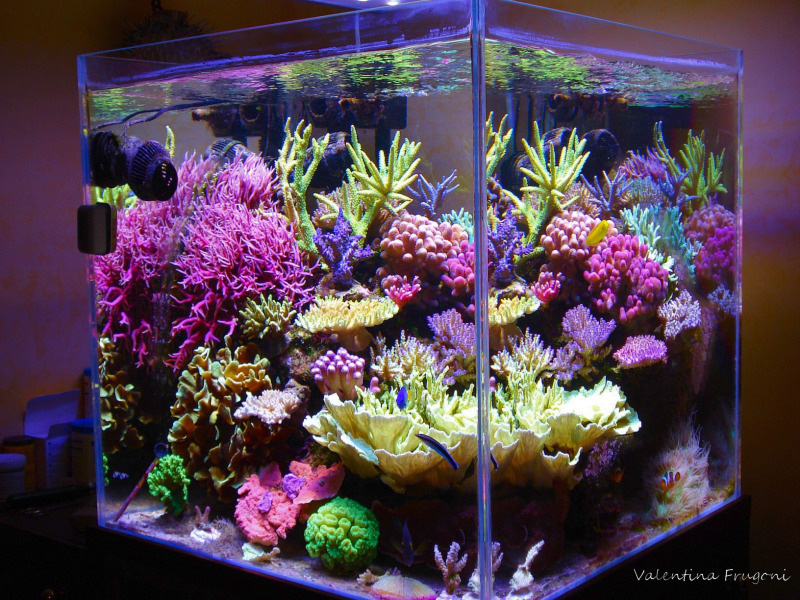
Explore how reefkeeping evolved from simple saltwater aquariums into today’s thriving home reef hobby, shaped by better technology, aquacultured corals, online communities, sustainability, and a growing love for living coral displays.
Discover why reefkeeping is growing in popularity, how home reef aquariums evolved, and how technology, aquacultured corals, sustainability, and online communities shaped the modern reef tank hobby.
by Scott Shiles • April 28, 2026
All Corals, Reef Tank Equipment
Reefkeeping has changed dramatically over the past several decades. What was once considered a difficult niche hobby reserved for highly experienced saltwater aquarists has become one of the most rewarding and visually impressive areas of home aquarium keeping. Today, hobbyists can build reef tanks filled with colorful corals, reef-safe fish, live rock, clean aquascapes, and advanced equipment that makes success more achievable than ever before.
The growth of the reefkeeping hobby did not happen by accident. It came from better equipment, improved understanding of coral care, stronger online communities, better shipping methods, aquacultured corals, and a major shift toward responsible reef aquarium practices. Modern reef keepers now have access to knowledge, tools, and coral selections that earlier hobbyists could only dream about.
At Extreme Corals, we have watched the reef aquarium hobby evolve through many stages, from basic marine tanks to advanced coral systems filled with LPS corals, SPS corals, soft corals, zoanthids, mushrooms, and high-end WYSIWYG coral pieces. This guide explores the increasing popularity and evolution of reefkeeping in home aquariums, why the hobby continues to grow, and what makes modern reef tanks more accessible, sustainable, and exciting than ever.
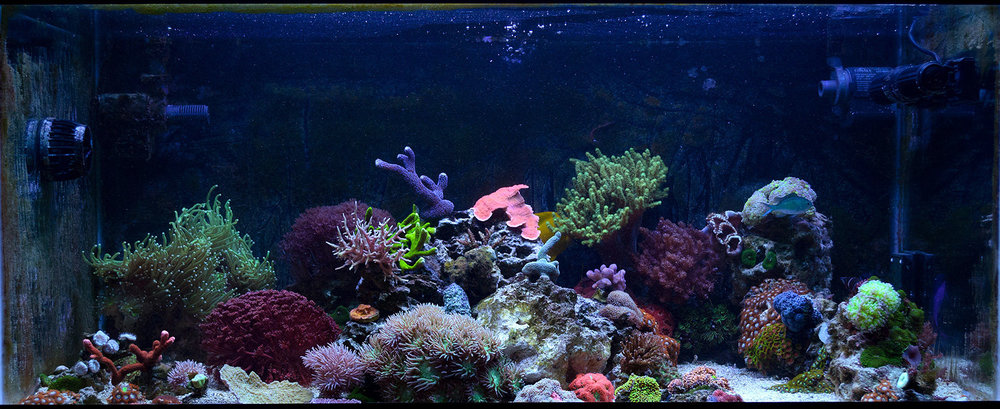
How Reefkeeping Started in Home Aquariums
Early saltwater aquariums were very different from the reef tanks hobbyists keep today. Many marine aquariums were focused mostly on fish, basic filtration, and simple decorations. Corals were often seen as difficult, fragile, or secondary to the fish. Live rock, coral growth, stable alkalinity, reef lighting, and long-term coral husbandry were not understood the way they are now.
In those early systems, reefkeepers had fewer tools and less shared information. Lighting was less efficient, filtration options were more limited, and maintaining stable water chemistry required more trial and error. Many hobbyists learned through observation, failure, local aquarium stores, printed books, and conversations with other marine aquarium keepers.
Over time, the hobby began to shift. Better understanding of biological filtration, live rock, protein skimming, reef-safe livestock, lighting spectrum, calcium, alkalinity, magnesium, and nutrient control allowed aquarists to maintain corals more successfully. This marked the beginning of modern reefkeeping as a serious home aquarium hobby.
Why Reefkeeping Became So Popular
Reefkeeping is popular because it combines science, art, nature, patience, and personal creativity. A reef tank is not just a container of water. It is a living system that changes over time. Corals grow, fish establish territories, invertebrates clean the rockwork, and the aquascape slowly becomes a miniature reef ecosystem.
For many hobbyists, reefkeeping offers:
- A direct connection to the ocean through live corals, reef fish, and marine invertebrates
- A relaxing visual display with color, movement, and natural behavior
- A creative outlet through aquascaping, coral placement, and livestock selection
- A learning experience involving biology, chemistry, lighting, and ecosystem balance
- A sense of accomplishment as corals grow and the aquarium matures
- A community connection through local clubs, forums, social media, and coral vendors
A well-maintained reef aquarium can become the centerpiece of a room and a long-term hobby that keeps evolving. Unlike many displays that stay the same, a reef tank is alive. That living quality is one of the biggest reasons people become attached to the hobby.
The Technology That Changed Reefkeeping
Modern reefkeeping became more accessible because aquarium equipment improved. Earlier reef tanks required more guesswork, but today’s hobbyists have tools that make it easier to maintain stable conditions and understand what is happening inside the aquarium.
Some of the most important advances include:
- LED reef lighting with adjustable spectrum, intensity, and schedules
- Protein skimmers that help remove dissolved organic waste
- RO/DI water systems that provide cleaner source water
- Reliable heaters and controllers for temperature stability
- Dosing pumps for alkalinity, calcium, magnesium, and trace elements
- Auto top-off systems that help stabilize salinity
- Wave pumps and powerheads that create better water movement
- Digital testing and monitoring tools that improve consistency
These tools do not replace good reefkeeping habits, but they do help reduce some of the old barriers. A beginner still needs patience and research, but the equipment available today gives hobbyists a much better chance of building a stable reef tank from the start.
How Coral Availability Changed the Hobby
One of the biggest changes in reefkeeping has been the availability of corals. Earlier hobbyists had fewer choices, and many corals were harder to identify, source, or keep alive long term. Today, reef keepers can choose from a wide range of soft corals, LPS corals, SPS corals, zoanthids, mushrooms, chalices, torches, hammers, acans, goniopora, scolymia, and many other coral types.
WYSIWYG coral sales also changed the way hobbyists buy corals online. Instead of ordering a general type of coral and hoping the piece matches expectations, reef keepers can now choose the exact coral they want based on actual photos. This is especially important for collectors who care about color, pattern, size, growth form, and overall health.
At Extreme Corals, this exact-piece approach has become central to how many modern hobbyists shop. A reef tank is highly personal, and choosing the right coral for the right space matters. A single showpiece LPS coral, a colorful zoanthid colony, or a bright SPS frag can completely change the look of a reef aquascape.
The Role of Aquacultured Corals and Sustainability
Modern reefkeeping has also moved toward more responsible and sustainable practices. Aquacultured corals, captive-grown frags, and better propagation techniques have helped reduce pressure on natural reefs while giving hobbyists hardy corals that are already adapted to aquarium conditions.
This shift matters because reefkeeping depends on respect for the ocean. The best modern hobbyists are not just trying to collect rare corals. They are learning how to maintain healthy systems, reduce losses, support responsible coral sourcing, and understand the living animals in their care.
Aquacultured corals also make the hobby more practical. Corals that have been grown, fragged, and maintained in aquarium systems often adapt better to home reef tanks than pieces that have never experienced captive conditions. That makes sustainability and success work together.
How Online Communities Helped Reefkeeping Grow
The internet changed reefkeeping almost as much as equipment did. Before forums, social media, video channels, online coral vendors, and digital communities, hobbyists had far fewer places to learn from each other. Today, reef keepers can compare tank builds, troubleshoot coral problems, share growth photos, review equipment, and learn from experienced aquarists around the world.
Social media also made reef tanks more visible. Colorful coral photos, blue-light videos, feeding clips, and before-and-after growth shots introduced reefkeeping to people who may never have visited a serious marine aquarium store. The visual appeal of the hobby helped attract younger hobbyists, collectors, photographers, and people who enjoy building living art.
The downside is that social media can make reefkeeping look easier than it is. A polished tank photo does not show the water testing, maintenance, algae phases, equipment choices, and patience behind the display. The best reef keepers use online inspiration as motivation while still building their tanks around sound husbandry.
The Rise of Nano Reef Tanks
Nano reef tanks helped bring more people into the hobby because they require less space and can be more affordable to start than large reef systems. A small reef tank can fit in an apartment, office, bedroom, or smaller living space while still offering the beauty of coral growth and reef fish behavior.
Nano tanks are especially popular with beginners, but they are not automatically easier. Smaller water volume means salinity, temperature, nutrients, and alkalinity can change quickly. A missed top-off or overfeeding event can affect a nano reef faster than a larger aquarium.
The best nano reef tanks are built around careful stocking, stable routines, and coral choices that match the system. Soft corals, mushrooms, zoanthids, and some hardy LPS corals can work well when lighting, flow, and water quality are managed properly.
Collector Corals and the Growth of Reef Tank Personalization
Modern reefkeeping has become highly personal. Some hobbyists build soft coral gardens full of movement. Others focus on high-end SPS systems with strong lighting and precise chemistry. Many reef keepers love LPS corals for their color, feeding response, and fleshy texture. Others collect rare zoanthids, mushrooms, chalices, torches, acans, or scolymia.
Collector corals helped turn reef tanks into living art. Color morphs, named varieties, rare patterns, and unusual growth forms give hobbyists endless ways to design a tank around their own taste. A reef aquarium can be natural and subtle, bright and high-contrast, LPS-heavy, SPS-dominant, soft-coral focused, or a carefully balanced mixed reef.
This level of personalization is one reason the hobby continues to grow. No two reef tanks are exactly the same. Every tank reflects the aquarist’s choices, patience, budget, maintenance style, and vision.
Automation Made Reefkeeping More Consistent
Automation has become one of the biggest trends in modern reefkeeping. Auto top-off systems, dosing pumps, app-controlled lights, smart power strips, feeding systems, and monitoring devices help hobbyists maintain more consistent conditions with less daily guesswork.
That consistency matters because corals do not like sudden change. Stable salinity, temperature, alkalinity, and lighting routines are often more important than chasing perfect numbers. Automation helps reduce human error and makes it easier for busy hobbyists to maintain healthy tanks.
However, automation should support good reefkeeping, not replace it. Equipment still needs calibration, cleaning, testing, and oversight. A successful reef tank still depends on observation. Experienced reef keepers notice when corals are not extending normally, when algae patterns change, or when fish behavior suggests something is off.
Why Beginner-Friendly Corals Helped the Hobby Expand
The popularity of beginner-friendly corals has played a major role in reefkeeping growth. Early success matters. When a new hobbyist starts with corals that match their tank and experience level, they are more likely to stay in the hobby and build confidence.
Good beginner coral categories often include:
- Soft corals for movement, adaptability, and forgiving care
- Mushroom corals for lower-light zones and hardy growth
- Zoanthids for color variety and colony development
- Some LPS corals for feeding response and showpiece appeal
- Hardy leather corals for structure and natural reef movement
Starting with easier corals does not mean the tank is less impressive. Many mature reef tanks are built around hardy corals that grow well, move naturally, and create a full reef look. The smartest reef keepers choose corals that match their system instead of buying only what looks exciting in a photo.
The Shift From Fish-Only Tanks to Full Reef Ecosystems
One of the most important changes in the hobby is the move from fish-only saltwater tanks to true reef ecosystems. Modern reef tanks are often designed around relationships between fish, corals, live rock, bacteria, cleanup crews, lighting, flow, and nutrient balance.
This ecosystem mindset is what separates reefkeeping from basic aquarium keeping. The aquarist is not just keeping individual animals alive. They are managing a living system where every choice affects everything else. Feeding fish affects nutrients. Nutrients affect algae and coral color. Flow affects oxygen, waste removal, and coral expansion. Lighting affects photosynthesis and coral response.
That complexity is part of the appeal. Reefkeeping gives hobbyists a reason to keep learning. Even experienced reef keepers continue adjusting, observing, and improving their systems over time.
What Makes Reefkeeping So Rewarding?
Reefkeeping is rewarding because progress is visible. A coral that starts as a small frag can become a colony. A bare aquascape can become a full reef. A struggling beginner tank can become a stable display through patience and better habits.
There is also something deeply calming about watching a reef tank. Flowing polyps, swimming fish, feeding corals, and natural movement create a display that feels alive in a way few other hobbies can match. Many reef keepers describe their tanks as relaxing, educational, creative, and personally meaningful.
The hobby also rewards attention to detail. Small improvements in water quality, placement, lighting, or feeding can produce visible changes in coral health. That feedback loop keeps hobbyists engaged and constantly learning.
Common Mistakes New Reef Keepers Still Make
Even though reefkeeping is more accessible than ever, beginners can still run into problems when they move too fast or skip the fundamentals. Technology helps, but it cannot overcome rushed stocking, poor water quality, unstable salinity, or incompatible livestock.
Common beginner mistakes include:
- Adding corals before the tank is fully cycled
- Buying advanced corals before learning basic stability
- Using poor source water
- Changing lighting too quickly
- Overfeeding fish and corals
- Ignoring alkalinity, nitrate, phosphate, and salinity trends
- Placing corals too close together
- Buying livestock based only on color instead of care requirements
The best way to avoid these mistakes is to build slowly. A reef tank does not need to be filled immediately. Healthy reef aquariums mature over time, and patience almost always produces better results than rushing.
The Future of Reefkeeping
The future of reefkeeping looks strong because the hobby continues to become more informed, more connected, and more responsible. Better equipment, coral propagation, captive-bred fish, improved foods, online education, and advanced monitoring tools will continue to shape how hobbyists build and maintain home reef aquariums.
The next generation of reef keepers will likely expect more sustainable coral sourcing, more WYSIWYG transparency, better beginner education, smarter equipment, and clearer guidance on matching corals to tank conditions. That is a good thing for both hobbyists and the animals they keep.
At its best, reefkeeping encourages people to care more about the ocean. A home reef aquarium can inspire curiosity about coral reefs, marine conservation, responsible collecting, aquaculture, and the delicate balance that supports reef life.
How to Start Your Own Reefkeeping Journey
If you are new to reefkeeping, start with the basics. Choose a realistic tank size, invest in reliable equipment, use clean source water, cycle the aquarium fully, and begin with hardy corals that match your lighting and flow.
A smart beginner approach includes:
- Learning the nitrogen cycle before adding livestock
- Testing salinity, temperature, nitrate, phosphate, and alkalinity
- Choosing beginner-friendly corals first
- Adding livestock slowly
- Keeping lighting and flow consistent
- Buying healthy corals from a trusted source
- Asking questions and learning from experienced reef keepers
Reefkeeping is not about building the perfect tank overnight. It is about creating a stable system that improves over time. That process is what makes the hobby so satisfying.
Related Corals You May Also Like
If you are interested in building or expanding a reef aquarium, these coral groups and guides can help you choose livestock that fits your experience level and tank goals:
- Soft Corals - Great for movement, beginner-friendly care, and natural reef tank motion.
- Large Polyp Stony Corals - Colorful LPS corals with fleshy tissue, feeding response, and showpiece appeal.
- New Arrival Corals - Browse the latest WYSIWYG corals added for reef aquariums.
- Scott's Handpicked Corals - Explore premium pieces selected for color, health, and visual impact.
- Coral Types Explained - Learn the differences between soft corals, LPS corals, and SPS corals.
- Top Corals for First-Time Reefkeepers - A helpful guide for choosing beginner-friendly corals.
Shop Corals for Your Reef Aquarium
Reefkeeping has become more accessible, more creative, and more rewarding than ever, but success still starts with healthy livestock and smart coral choices. Whether you are building your first reef tank or adding standout pieces to a mature display, choosing corals that match your lighting, flow, experience level, and maintenance routine is one of the most important decisions you can make.
Browse new arrival corals, LPS corals, soft corals, and Scott's Handpicked Corals at ExtremeCorals.com to find pieces that fit your reef tank and long-term goals.
Frequently Asked Questions About the Reefkeeping Hobby
Why has reefkeeping become so popular?
Reefkeeping has become popular because it combines natural beauty, science, creativity, relaxation, and community. Better equipment, online education, aquacultured corals, and WYSIWYG coral shopping have made home reef aquariums more accessible than they once were.
Is reefkeeping hard for beginners?
Reefkeeping can be challenging, but beginners can succeed by starting slowly, using reliable equipment, cycling the tank fully, testing water regularly, and choosing hardy beginner-friendly corals before moving into more demanding species.
What changed the reefkeeping hobby the most?
The biggest changes include better reef lighting, improved filtration, protein skimmers, RO/DI water, dosing systems, online communities, aquacultured corals, and better access to coral care information.
Are nano reef tanks good for beginners?
Nano reef tanks can be good for beginners with limited space, but they require consistent maintenance. Smaller water volume changes faster, so salinity, temperature, nutrients, and alkalinity must be watched carefully.
What corals are best for new reef keepers?
Many new reef keepers do well with soft corals, mushroom corals, zoanthids, and some hardy LPS corals. The best choice depends on the tank’s lighting, flow, stability, and the hobbyist’s maintenance routine.
Is modern reefkeeping more sustainable?
Modern reefkeeping can be more sustainable when hobbyists support aquacultured corals, captive-bred fish, responsible coral vendors, and careful aquarium practices that reduce livestock loss and pressure on natural reefs.
What is the future of reefkeeping?
The future of reefkeeping will likely include more aquacultured corals, smarter monitoring systems, better beginner education, improved coral foods, more captive-bred livestock, and continued growth in responsible reef aquarium practices.
About the Author
Scott Shiles is the owner of ExtremeCorals.com, which he has operated for over 25 years and is recognized as one of the early dedicated live coral websites on the internet. A lifelong reef keeper since 1984, Scott has decades of hands-on experience maintaining marine aquariums and previously owned and operated a brick and mortar aquarium retail store for 10 years, including five years alongside Extreme Corals. He holds a degree in Marine Biology and has personally selected and sold hundreds of thousands of live corals. An avid scuba diver who has explored reef systems around the world, Scott shares practical coral care and husbandry knowledge based on real world reef experience.
overall rating:
my rating:
log in to rate
Please log in to leave a comment.
For more information visit: additional resources