My Cart: 0 item(s)

Extreme Corals News and Updates
Nitrates in Reef Tanks: Why Some Nitrate Can Help Corals Thrive
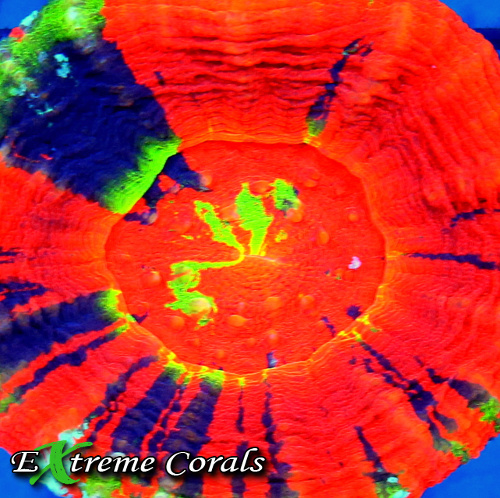
A comprehensive reef chemistry guide from Extreme Corals explaining why measurable nitrate can support coral color, tissue health, nutrient balance and long-term reef tank stability.
Learn why some nitrate in reef tanks can benefit coral health, color, tissue fullness and biological balance, plus safe nitrate ranges and how to manage high or low nitrate.
by Scott Shiles • May 05, 2026
Nitrates in a reef tank are often misunderstood. Many reef keepers are taught early on that nitrate is something to remove, lower, or fear. That is only partly true. Excessive nitrate can create problems, but a reef tank with absolutely no measurable nitrate can also struggle. In our experience here at Extreme Corals, some nitrate is not only acceptable in many reef aquariums, it can be helpful for coral color, tissue fullness, biological stability, and overall reef health.
The real goal is not “zero nitrate.” The goal is balance. Corals need available nutrients, stable water chemistry, proper lighting, good flow, and a mature biological system. When nitrate is too high, nuisance algae and coral stress can become problems. When nitrate is too low, corals may become pale, thin, slow-growing, or more sensitive to lighting and alkalinity changes. A healthy reef tank usually lives somewhere between those extremes.
At Extreme Corals, we have maintained, observed, selected, and sold live corals for decades, and one thing we have seen repeatedly is that many reef tanks do better with low to moderate measurable nitrate than with stripped, ultra-clean water. This is especially true for many LPS corals, soft corals, Zoanthids, and mushroom corals. Even SPS systems need nutrients, although they usually require tighter control and stronger stability.
This guide explains what nitrate is, why some nitrate can be beneficial, how nitrate supports coral health, what levels we generally like to see, how nitrate relates to phosphate, when nitrate becomes a problem, and how to manage it without stripping your reef tank too clean. For broader chemistry help, you can also review our reef tank water parameters guide, coral care guide, and saltwater aquarium maintenance guide.
What Are Nitrates in a Reef Tank?
Nitrate is a nitrogen-based compound that forms naturally as part of the aquarium nitrogen cycle. In a reef tank, fish waste, uneaten food, dying organic matter, coral mucus, and other biological waste break down through bacterial activity. Ammonia is converted to nitrite, and nitrite is then converted to nitrate.
Nitrate is less immediately toxic than ammonia or nitrite, but it is still an important water parameter to monitor. It tells you something about nutrient processing, feeding load, biological filtration, maintenance habits, and the overall balance of your reef system.
In simple terms, nitrate comes from:
- Fish waste
- Uneaten food
- Organic debris breaking down
- Dead or decaying algae
- Coral mucus and biological waste
- Normal bacterial processing in the nitrogen cycle
Nitrate is not automatically bad. It becomes a problem when it is too high, rising too quickly, or out of balance with phosphate, export, lighting, flow, and coral demand.
Why Reef Keepers Used to Fear Nitrates
For years, many reef keepers were taught that nitrate should be as close to zero as possible. That advice came from a real concern: high nitrate can stress some corals, fuel algae, reduce water quality, and create long-term problems in poorly maintained systems. Older systems with weaker filtration, less efficient skimmers, less controllable lighting, and less testing often did suffer from excessive nutrients.
But the hobby has changed. We now understand that corals need nutrients. Modern reef tanks can be over-filtered, over-skimmed, aggressively carbon-dosed, or stripped with nutrient removers until nitrate and phosphate bottom out. When that happens, corals may not thrive even though the water looks “clean.”
In our experience, a tank with absolutely zero nitrate is not automatically healthier. Sometimes it is a warning sign that the system may be too nutrient-starved for the corals being kept.
The Difference Between Healthy Nitrate and Excessive Nitrate
The key is understanding the difference between low to moderate nitrate and excessive nitrate. A small amount of nitrate can support coral nutrition and biological balance. Excess nitrate can fuel nuisance algae, irritate corals, and create water quality issues.
Many mixed reef tanks do well with nitrate somewhere around 2-10 ppm. Some soft coral and LPS systems may tolerate or even look better slightly higher, while many SPS-dominant systems often do best with tighter control. The exact number depends on the reef tank, coral selection, phosphate level, lighting intensity, export methods, and stability.
| Nitrate Level | General Reef Tank Meaning |
|---|---|
| 0 ppm | May be too low for many corals if phosphate is also low and corals look pale or thin |
| 1-2 ppm | Low nutrient range that may work for some SPS systems with careful management |
| 2-10 ppm | Common target range for many healthy mixed reef aquariums |
| 10-20 ppm | May work in some LPS and soft coral systems but should be monitored carefully |
| 20+ ppm | Often a sign to evaluate feeding, export, detritus, maintenance, and algae risk |
These are general guidelines, not absolute rules. Coral response matters. A reef tank with stable nitrate at 8 ppm and healthy corals may be in better shape than a tank at 0 ppm with pale, shrinking corals.
Why Some Nitrate Can Benefit Corals
Corals are animals, and many reef-building corals also rely on symbiotic algae called zooxanthellae. These algae live inside coral tissue and help produce energy through photosynthesis. Nitrogen is one of the nutrients involved in biological growth and function. If nutrients are completely stripped away, coral tissue and color can suffer.
Low to moderate nitrate can help support:
- Coral tissue fullness
- Color stability
- Zooxanthellae function
- Soft coral and LPS coral growth
- Biological balance in the aquarium
- Resistance to nutrient-starvation stress
In our systems, we do not want coral sitting in dirty water, but we also do not want corals starved. Many of the corals we sell, especially fleshy LPS corals and soft corals, often look better when nutrients are present in a controlled way.
Nitrate and Coral Color
Nitrate can influence coral color because nutrient availability affects coral tissue and zooxanthellae density. When nitrate and phosphate are both extremely low, some corals may become pale, pastel, or washed out. In some tanks, that pale look is mistaken for “clean” or “high-end” coloration, but it can actually be a sign that the coral is underfed or nutrient-starved.
Coral color is affected by many factors, including:
- Nitrate availability
- Phosphate availability
- Lighting spectrum and intensity
- Trace elements
- Feeding
- Coral genetics
- Water stability
Here at Extreme Corals, we look at color together with tissue health. A coral that is bright but thin, tight, or fading is not necessarily healthier than a coral with richer color and fuller tissue. We want color and health together.
Nitrate and LPS Coral Health
Many LPS corals tend to do well with measurable nitrate, provided it is not excessive and phosphate is also controlled. Fleshy LPS corals often look better when the water is not stripped completely clean. They may show fuller inflation, better feeding response, and more stable color when nutrients are present at low to moderate levels.
LPS corals that may respond well to balanced nutrients include:
- Hammer Corals
- Frogspawn Corals
- Torch Corals
- Favia and Favites
- Trachyphyllia
- Scolymia
- Acanthophyllia
- Wellsophyllia
This does not mean LPS corals should be kept in neglected water. It means they often prefer a reef tank with available nutrients, stable chemistry, moderate export, and consistent feeding rather than a system stripped to zero. Browse our LPS corals with this kind of balanced reef environment in mind.
Nitrate and Soft Corals
Soft corals are often more tolerant of nutrients than many stony corals. In fact, many soft coral tanks look better when nitrate is present at a moderate, stable level. Corals like leathers, mushrooms, Zoanthids, Xenia, and other soft corals may look fuller in systems that are not overly stripped.
Soft corals may suffer in ultra-low nutrient tanks because:
- They may lose fullness
- Color may look dull or pale
- Growth may slow
- Polyps may not extend as well
- The system may become too sterile for the coral mix
If you keep soft corals, Zoanthids, or Ricordea mushrooms, do not assume nitrate must always be zero. Watch the corals, test regularly, and aim for stable balance.
Nitrate and SPS Corals
SPS corals are often less forgiving of high nutrients than many LPS and soft corals, but that does not mean SPS corals need zero nitrate. Many SPS systems do best with low but measurable nutrients. When nitrate and phosphate bottom out, SPS corals may become pale, lose tissue, or become more vulnerable to lighting and alkalinity stress.
With SPS corals, the margin for error is smaller. Nitrate should usually be stable, not swinging wildly. Phosphate should also be controlled. Strong lighting and high alkalinity combined with ultra-low nutrients can create problems fast.
For SPS-heavy reef tanks, nitrate management should be paired with:
- Stable alkalinity
- Appropriate phosphate
- Strong indirect flow
- Consistent lighting
- Careful feeding and export
- Regular testing
The lesson is not that SPS corals want dirty water. The lesson is that even SPS corals need some nutrient availability in a balanced system.
Nitrate and Phosphate Must Be Managed Together
Nitrate should never be viewed alone. Phosphate matters just as much. A reef tank can have acceptable nitrate but problematic phosphate, or low nitrate with phosphate high enough to fuel algae. The relationship between nitrate and phosphate influences coral health, algae growth, bacterial activity, and nutrient balance.
Common nutrient imbalance examples include:
- Zero nitrate and zero phosphate: Corals may become pale or starved, and some nuisance organisms may still appear.
- High nitrate and high phosphate: Algae and poor water quality may become serious problems.
- Low nitrate and high phosphate: Corals may not thrive, and phosphate-related algae issues may persist.
- High nitrate and very low phosphate: Nutrient imbalance may limit coral health and create instability.
In many mixed reefs, nitrate around 2-10 ppm and phosphate around 0.03-0.07 ppm can be a useful starting point. Some tanks do well outside those numbers, but balance and stability are the real goals.
Can Nitrates Help Control Algae?
The relationship between nitrate and algae is often misunderstood. High nitrate can contribute to algae growth, especially when phosphate and light are also available. But a completely stripped tank can also have algae problems because algae, bacteria, and nuisance organisms may exploit imbalances that corals do not handle well.
Low to moderate nitrate can support a healthier biological system where corals, bacteria, algae grazers, and filtration all work together. That does not mean nitrate “prevents algae” by itself. It means a balanced nutrient system is usually healthier than a tank swinging between starvation and excess.
Good algae control depends on:
- Controlled nitrate
- Controlled phosphate
- Good flow
- Reasonable feeding
- Strong cleanup crew support
- Manual removal when needed
- Healthy coral growth that competes for space
- Regular maintenance
In our experience, algae problems are rarely caused by one number alone. They usually come from a combination of nutrients, light, detritus, flow, grazing pressure, and maintenance habits.
Nitrate and Biological Filtration
Nitrate is part of the natural biological filtration process in a reef tank. Beneficial bacteria convert ammonia into nitrite and then nitrate. Other bacteria and export methods can reduce nitrate over time. This constant processing is part of what makes a mature reef tank stable.
Healthy nitrate control depends on:
- Live rock or biological media
- Sandbed biology when present
- Protein skimming
- Water changes
- Refugiums or macroalgae when used
- Carbon dosing when used carefully
- Good detritus removal
- Balanced feeding
A mature reef tank is not sterile. It is biologically active. Nitrate is one of the signs that the system is processing waste. The goal is to manage that process, not eliminate all nutrients blindly.
Nitrate and Stable Water Chemistry
One point that needs to be clarified from many older nitrate discussions is that nitrate is not a primary pH buffer in the way alkalinity is. Alkalinity is the major parameter that helps resist pH swings in reef aquariums. However, stable nitrate can be part of a broader stable nutrient environment, and that stability can indirectly support coral health.
For reef tanks, the key chemistry foundation includes:
- Stable salinity
- Stable alkalinity
- Appropriate calcium and magnesium
- Controlled nitrate
- Controlled phosphate
- Stable temperature
So while nitrate itself should not be treated as the main buffer, nutrient stability matters. Rapid nutrient swings can stress corals, especially when combined with lighting changes, alkalinity swings, or aggressive filtration changes.
What Happens When Nitrate Is Too Low?
Low nitrate can be a problem, especially when phosphate is also very low and corals are under strong lighting. Some reef keepers chase zero nitrate so aggressively that they create a nutrient-starved environment.
Signs nitrate may be too low include:
- Pale coral color
- Thin coral tissue
- Poor LPS inflation
- Zoanthids shrinking or losing fullness
- Soft corals looking smaller or dull
- SPS becoming overly pale
- Corals reacting badly to light intensity
- Dinos or nuisance organisms appearing in ultra-low nutrient systems
If nitrate is truly zero and corals look poor, the answer may not be more filtration. It may be feeding more appropriately, reducing export, adding more fish slowly, adjusting skimming, or carefully dosing nitrate under experienced guidance.
What Happens When Nitrate Is Too High?
High nitrate can also cause problems. Some corals tolerate nitrate better than others, but excessively high nitrate often points to too much waste input or not enough export. It can also contribute to algae issues, dull coral color, slower growth in sensitive corals, and general system imbalance.
Signs nitrate may be too high include:
- Persistent nuisance algae
- Dull coral coloration
- Reduced SPS growth or browning
- Declining water clarity
- Detritus buildup
- Overfeeding symptoms
- Higher phosphate alongside nitrate
When nitrate is too high, do not panic and crash it overnight. Rapid nutrient drops can stress corals. Make steady corrections through water changes, improved export, better feeding habits, detritus removal, and filtration adjustments.
Best Nitrate Range for Different Reef Tanks
Every reef tank is different, but these general nitrate ranges can help guide expectations:
| Reef Tank Type | Common Nitrate Goal |
|---|---|
| SPS-dominant reef | Often 1-5 ppm, sometimes slightly higher with strong stability |
| Mixed reef | Often 2-10 ppm |
| LPS-focused reef | Often 5-15 ppm depending on coral response and phosphate |
| Soft coral reef | Often 5-15 ppm, sometimes higher if corals are healthy and algae is controlled |
| New reef tank | Should be monitored carefully as the tank matures and stabilizes |
These are not rigid rules. Coral response, phosphate level, algae growth, feeding habits, and stability matter. A tank at 12 ppm nitrate with healthy LPS corals may not need aggressive correction. A tank at 12 ppm with algae and declining SPS may need a different strategy.
How Often Should You Test Nitrate?
In a new reef tank, nitrate should be tested regularly because the system is still maturing. In an established reef tank, weekly or biweekly testing is useful, especially if you are changing feeding, stocking, filtration, or maintenance routines.
You should test nitrate more often when:
- The tank is new
- You add more fish
- You increase feeding
- You change filtration
- You start or stop carbon dosing
- You add many new corals
- Algae suddenly increases
- Corals become pale, closed, or stressed
Use a reliable nitrate test kit or digital checker and track trends. One test result is useful, but the trend over time is more important.
How to Raise Nitrate Safely if It Is Too Low
If nitrate is truly too low and corals show signs of nutrient starvation, raise nutrients slowly. Do not make big sudden changes. Reef tanks respond best to gradual corrections.
Ways to raise nitrate safely may include:
- Feeding fish slightly more carefully
- Adding appropriate fish load slowly
- Reducing overly aggressive skimming
- Reducing or adjusting refugium lighting if macroalgae is stripping nutrients
- Reducing chemical nutrient removers
- Dosing nitrate only if you understand the process and test carefully
In our experience, many tanks do better when nutrient issues are corrected through balanced feeding and export before jumping straight to dosing. Dosing can work, but it should be done carefully and with testing.
How to Lower Nitrate Safely if It Is Too High
If nitrate is too high, lower it gradually. Fast drops can shock corals, especially if the tank has been running high nutrients for a long time.
Ways to lower nitrate safely include:
- Regular water changes
- Improved protein skimming
- Removing detritus from sump and rockwork
- Feeding more carefully
- Rinsing frozen foods when appropriate
- Using refugiums or macroalgae
- Maintaining filter socks, fleece rollers, or mechanical filtration
- Carbon dosing only with careful testing and experience
Do not chase nitrate with panic corrections. If the tank is stable and corals are not in immediate danger, slow improvement is usually safer than a drastic nutrient crash.
Common Nitrate Mistakes Reef Keepers Make
Nitrate management becomes easier when you avoid the most common mistakes.
- Chasing zero nitrate: Many corals need measurable nutrients.
- Ignoring phosphate: Nitrate and phosphate must be managed together.
- Dropping nutrients too quickly: Rapid changes can stress corals.
- Overfeeding to fix pale corals: More food can help, but only if export and balance are controlled.
- Over-filtering the tank: Skimmers, refugiums, media, and carbon dosing can strip nutrients too far.
- Testing too rarely: Nutrient trends matter more than guessing.
- Blaming nitrate for every problem: Light, flow, alkalinity, pests, and salinity may be the real issue.
In our experience, the best reef keepers do not react to nitrate emotionally. They test, observe coral response, compare phosphate, and make steady corrections.
Nitrate, Feeding and Fish Load
Nitrate is closely connected to fish load and feeding. More fish and more food usually create more waste, which eventually increases nitrate and phosphate. That does not mean you should starve fish or avoid feeding corals. It means input and export must be balanced.
Good feeding habits include:
- Feed enough to keep fish healthy.
- Avoid letting food settle uneaten.
- Use quality foods.
- Target feed corals carefully when appropriate.
- Watch nitrate and phosphate trends after feeding changes.
- Adjust export if nutrients rise over time.
Fish are part of the nutrient system. A reef with no fish and aggressive filtration can become nutrient-starved. A reef with too many fish and weak export can become overloaded. The balance depends on your tank.
Nitrate and Coral Buying Decisions
Your nitrate level should influence the corals you buy. A newer tank with fluctuating nutrients is usually not the best place for sensitive SPS or expensive showpiece corals. A stable tank with moderate nitrate may be excellent for many LPS, soft corals, Zoanthids, and mushrooms.
When buying corals, think about:
- Does my nitrate range match this coral type?
- Is phosphate also in a healthy range?
- Are nutrients stable or swinging?
- Is the tank mature enough for this coral?
- Will adding this coral change feeding or maintenance needs?
Browse new arrival corals with your actual reef conditions in mind. The right coral for your tank is always better than the most expensive coral placed into unstable water.
Our Practical Approach to Nitrate at Extreme Corals
Here at Extreme Corals, we look at nitrate as part of the whole reef system. We do not judge a tank by nitrate alone. We look at coral tissue, color, polyp extension, algae pressure, fish load, feeding, phosphate, alkalinity, lighting, and flow.
A reef tank with nitrate at 5 ppm and healthy corals is usually not a problem. A reef tank at 0 ppm with pale, shrinking corals may need more nutrients. A reef tank at 30 ppm with algae and dull SPS needs better export and maintenance. Context matters.
Our practical nitrate philosophy is:
- Do not chase zero.
- Keep nitrate measurable in most reef tanks.
- Keep nitrate stable, not swinging.
- Manage nitrate with phosphate.
- Watch coral response, not just test numbers.
- Make changes slowly.
- Match nutrient levels to the corals you keep.
This approach has helped many reef keepers move away from fear-based nitrate management and toward healthier, more stable reef systems.
Related Reef Tank Guides You May Also Like
If you are working on nitrate balance and reef tank stability, these related guides and coral categories can help:
- Reef Tank Water Parameters Guide - Learn the major chemistry ranges for coral health.
- Saltwater Aquarium Maintenance Guide - Build better habits for long-term stability.
- How to Change Water in a Saltwater Aquarium - Use water changes correctly without shocking your reef.
- Reef Tank Lighting Guide - Understand how nutrients and lighting work together.
- Water Flow and Coral Health - Improve flow to prevent detritus buildup and coral stress.
- LPS Corals - Browse corals that often appreciate stable, measurable nutrients.
- Soft Corals - Explore corals that often do well in balanced nutrient systems.
- New Arrival Corals - See recently added corals for your reef tank.
Shop Corals for a Balanced Reef Tank
Nitrates are not the enemy when they are controlled, stable, and balanced with the rest of your reef system. Many corals look healthier when nitrate is measurable rather than stripped to zero. The key is knowing your tank, testing regularly, managing phosphate, and matching coral choices to your aquarium’s conditions.
Browse new arrival corals, LPS corals, soft corals, Zoanthids, and Scott's Handpicked Corals at ExtremeCorals.com to find healthy corals that fit your reef tank and your nutrient balance.
Frequently Asked Questions About Nitrates in Reef Tanks
Are nitrates bad in a reef tank?
Nitrates are not automatically bad. High nitrate can cause problems, but low to moderate measurable nitrate can support coral color, tissue health, and biological balance in many reef tanks.
Should reef tank nitrate be zero?
Most reef tanks should not be managed blindly toward zero nitrate. Many corals do better with measurable nitrate, especially LPS corals, soft corals, Zoanthids, and mushrooms.
What nitrate level is best for a mixed reef tank?
Many mixed reef tanks do well around 2-10 ppm nitrate, provided phosphate is also controlled and the corals look healthy. Stability matters more than chasing one exact number.
Can low nitrate hurt corals?
Yes, nitrate that is too low can contribute to pale color, thin tissue, poor LPS inflation, slower growth, and nutrient-starvation stress, especially when phosphate is also very low.
Can high nitrate hurt corals?
Yes, high nitrate can contribute to nuisance algae, dull coral color, reduced SPS performance, and overall nutrient imbalance. It should be lowered gradually, not crashed suddenly.
How are nitrate and phosphate connected?
Nitrate and phosphate are both major nutrients. They should be managed together because imbalance between them can affect coral health, algae growth, bacterial activity, and overall reef stability.
How do I raise nitrate if it is too low?
You can raise nitrate slowly by feeding slightly more, reducing overly aggressive export, adjusting refugium growth, adding fish carefully, or dosing nitrate only with testing and experience.
How do I lower nitrate if it is too high?
You can lower nitrate gradually through water changes, better skimming, detritus removal, careful feeding, refugiums, macroalgae, mechanical filtration maintenance, and careful nutrient export.
Do LPS corals like nitrate?
Many LPS corals often look better with low to moderate measurable nitrate, as long as water quality is stable and phosphate is not excessive.
How often should I test nitrate in a reef tank?
New tanks should be tested regularly. Established reef tanks can often be tested weekly or biweekly, and more often when feeding, fish load, filtration, or coral health changes.
About the Author
Scott Shiles is the owner of ExtremeCorals.com, which he has operated for over 25 years and is recognized as one of the early dedicated live coral websites on the internet. A lifelong reef keeper since 1984, Scott has decades of hands-on experience maintaining marine aquariums and previously owned and operated a brick and mortar aquarium retail store for 10 years, including five years alongside Extreme Corals. He holds a degree in Marine Biology and has personally selected and sold hundreds of thousands of live corals. An avid scuba diver who has explored reef systems around the world, Scott shares practical coral care and husbandry knowledge based on real world reef experience.
overall rating:
my rating:
log in to rate
Please log in to leave a comment.
For more information visit: additional resources