My Cart: 0 item(s)

Extreme Corals News and Updates
Symphyllia Wilsoni Care and Placement Guide: How to Use This Coral in Your Reef Tank Aquascape
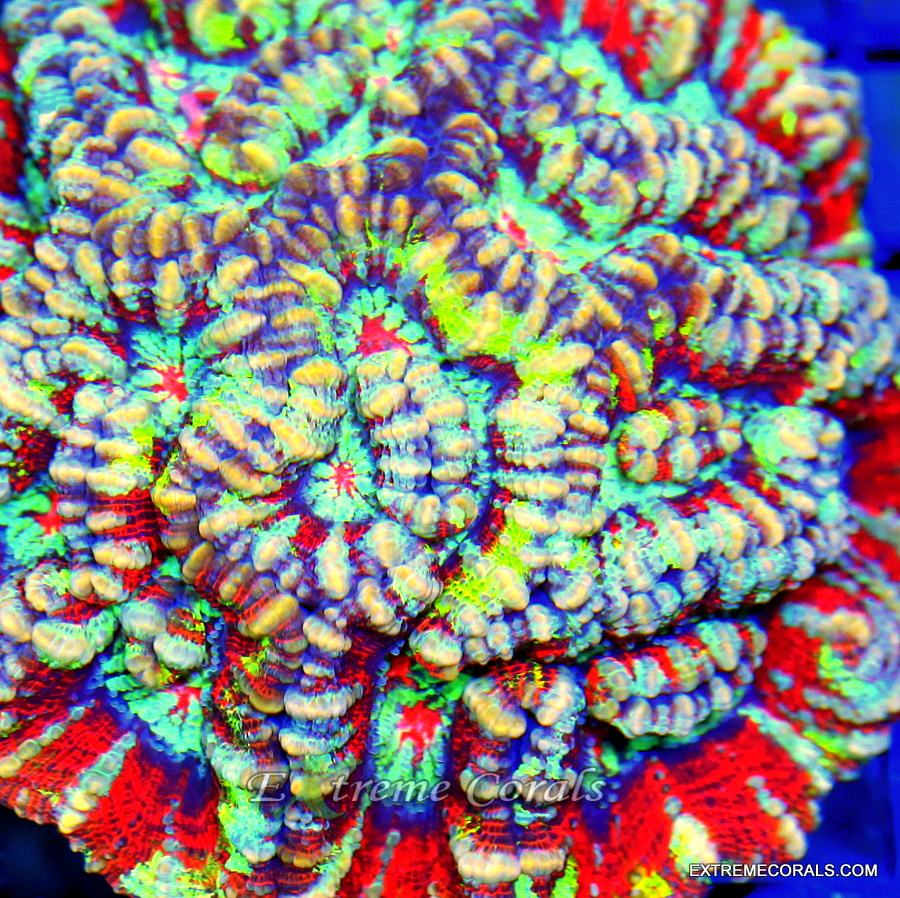
Learn how to place, care for, and showcase Symphyllia Wilsoni in a reef tank with tips on lighting, flow, spacing, feeding, compatibility, and aquascape design.
Learn how to incorporate Symphyllia Wilsoni into your aquarium landscape with guidance on placement, lighting, flow, feeding, compatibility, and long-term coral health.
by Scott Shiles • April 23, 2026
Symphyllia Wilsoni is one of the most visually rewarding fleshy LPS corals for reef aquascaping because it combines bold color, intricate texture, and a substantial showpiece presence without requiring a towering colony to make an impact. In a well-designed reef tank, Symphyllia Wilsoni can act as a focal coral that adds depth, contrast, and a more established reef look to the lower half of the aquascape. In our experience, it is one of those corals that can quietly transform a tank from looking sparse into looking intentional. This guide explains how to incorporate Symphyllia Wilsoni into your aquarium landscape, including placement, lighting, water flow, compatibility, feeding, maintenance, and what to look for before buying a healthy specimen.
A common mistake hobbyists make is treating large fleshy corals like they are only decorative accents. In reality, where you place Symphyllia Wilsoni affects not only how it looks, but how well it expands, feeds, and holds color over time. A beautiful specimen in the wrong part of the tank can look stressed and underwhelming, while the same coral in the right spot can become one of the most memorable parts of the display.
If you are looking for a healthy, fully conditioned Symphyllia Wilsoni or other showpiece LPS corals, browse our WYSIWYG coral colonies to compare healthy examples.
Introducing Symphyllia Wilsoni in Aquascaping
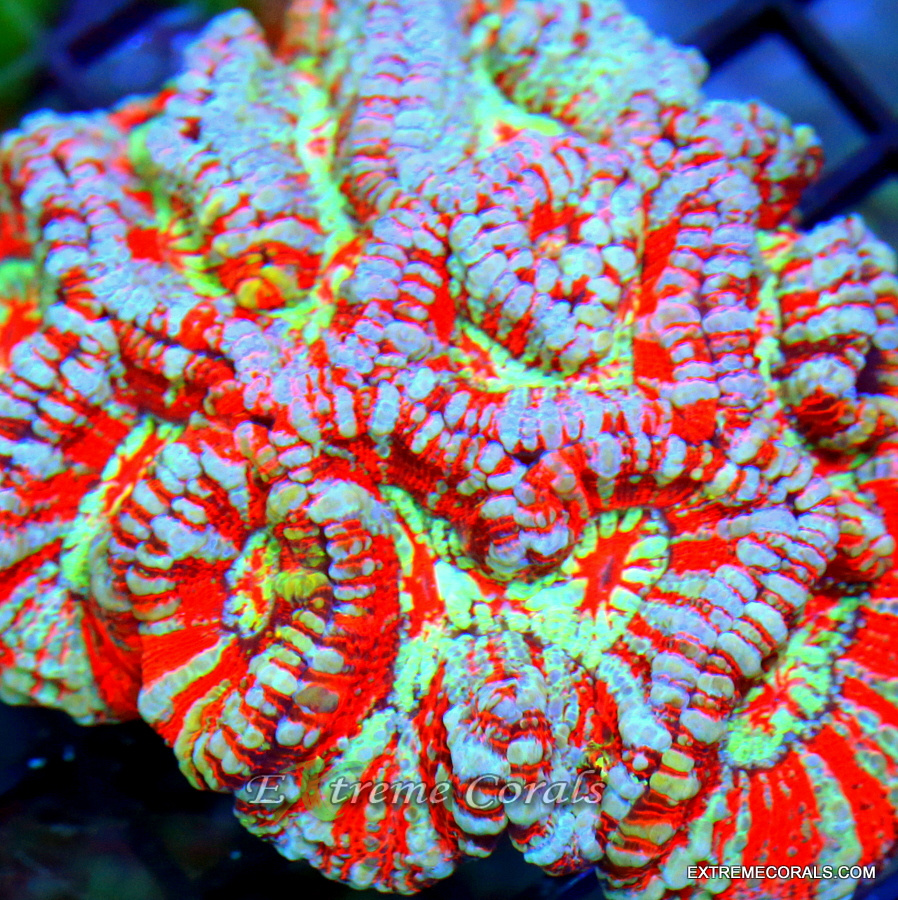
Symphyllia Wilsoni is a stunning LPS coral that can enhance the beauty of your aquarium. It comes in a variety of vibrant colors, making it a strong addition to many aquascapes. This coral is known for its hardy nature in a well-maintained system, which makes it more approachable than some hobbyists expect from a large fleshy stony coral.
When incorporating Symphyllia Wilsoni into your aquascape, the goal is not just to fit it somewhere open. The goal is to give it a place where it can expand comfortably, receive appropriate light and flow, and visually anchor the surrounding coral layout. In many reef tanks, Symphyllia works best when placed where its texture and color can contrast against branching corals, zoanthid mats, or cleaner rock sections rather than being crowded into a busy mixed zone.
Symphyllia Wilsoni: Appearance and Characteristics
Symphyllia Wilsoni is known for its vibrant colors and intricate patterns, making it a standout addition to many reef tanks. This coral species typically has large fleshy polyps that can range from neon greens and mixed reds to softer purples and blended multicolor tones. Its texture may look folded, ridged, or deeply patterned, which gives it a more sculptural appearance than many other fleshy LPS corals.
In our experience, one of the biggest strengths of Symphyllia Wilsoni is that it looks substantial even as a single colony. You do not need a massive field of them for the coral to have impact. That makes it especially useful for hobbyists who want a true showpiece coral that adds maturity and visual weight to the aquascape without needing to dominate the entire reef.
Benefits of Adding Symphyllia Wilsoni to Your Aquarium
Symphyllia Wilsoni brings vibrant colors, heavy texture, and a more established reef look to the tank. These corals are valued not just for appearance, but for the role they can play in balancing an aquascape.
- Adds a strong focal point to lower or mid-level reef zones
- Provides contrast against branching or encrusting corals
- Creates a natural habitat feel with fleshy movement and structure
- Can work well in mixed reefs when spaced properly
- Often easier to appreciate visually than more delicate-looking corals from across the room
We’ve found that large fleshy corals like Symphyllia often improve the overall look of a reef tank because they break up repetition. A reef full of only small polyps or branching forms can feel visually narrow. Symphyllia adds mass, texture, and a different kind of presence.
Aquarium Requirements for Symphyllia Wilsoni
Symphyllia Wilsoni thrives best in an aquarium with stable water parameters and moderate to high overall reef quality. Keep the water temperature between 75-80°F and maintain consistent salinity, pH, alkalinity, calcium, and magnesium. Like many fleshy LPS corals, it reacts much more to instability than to slight differences in target numbers.
Provide moderate lighting and enough water flow to prevent detritus buildup without pushing directly on the tissue. In our experience, Symphyllia Wilsoni usually performs best in tanks that feel settled and predictable rather than systems that are constantly being adjusted.
If you are working on chemistry stability, read our pH and alkalinity guide. For overall stability and routine care, our reef tank maintenance guide is also helpful.
Placement and Positioning in Your Aquarium
When placing Symphyllia Wilsoni in your aquarium, make sure it can receive indirect light and moderate flow without being blasted directly. Avoid placing it under harsh direct intensity or in a high-energy zone where tissue can be pushed or folded repeatedly.
Keep it away from aggressive tank mates and neighboring corals that may damage its delicate tissue. Provide enough space around the colony to allow for full expansion and long-term growth. In many reef tanks, Symphyllia Wilsoni does best in the middle or lower sections of the aquascape where it can settle into a stable, open location.
A common mistake hobbyists make is placing fleshy LPS too tightly against rock for aesthetic reasons. It may look secure on day one, but over time tissue can rub, detritus can collect, and the coral cannot expand naturally. We’ve found that these corals usually look best when they are given room to breathe visually and physically.
Lighting and Flow for Long-Term Success
Moderate lighting and moderate indirect flow are usually the safest starting point for Symphyllia Wilsoni. The coral should receive enough light to support healthy coloration and overall function, but not so much that the tissue looks stressed or withdrawn.
- Moderate lighting is usually ideal
- Avoid sudden jumps in intensity
- Moderate flow helps keep debris from settling
- Avoid harsh direct current on fleshy tissue
In our experience, this is one of the most important balancing points for Symphyllia. Too little movement allows waste and detritus to settle around the base. Too much direct flow can make the coral look irritated and stop it from inflating properly. If you want to understand these basics more clearly, our reef tank lighting guide and water flow and coral health guide are both useful references.
Feeding and Ongoing Maintenance
Symphyllia Wilsoni benefits from stable care and occasional supplemental feeding. Weekly offerings of small meaty foods such as mysis shrimp or similar fine foods can support nutrition and long-term tissue strength. It does not need to be overfed, but it can benefit from consistent, moderate feeding in a stable reef system.
Regular maintenance should include:
- Monitoring stable water parameters
- Watching for tissue recession or discoloration
- Keeping nearby areas free of trapped detritus
- Performing routine water changes
- Checking for aggression from neighboring corals
A pattern we often see is that Symphyllia Wilsoni looks best when the reefer stays consistent rather than reactive. Frequent moving, repeated lighting changes, or trying to “improve” too many variables at once usually leads to more stress, not less.
How to Tell a Healthy Symphyllia Wilsoni Before Buying
Starting with a healthy specimen is one of the best ways to succeed with this coral. When selecting a Symphyllia Wilsoni, look for a colony that appears stable, fleshy, and well settled rather than overly pinched or damaged.
- Look for thick, well-inflated tissue
- Check for stable coloration without fading or washed-out areas
- Avoid colonies with obvious recession along edges or valleys
- Look for a clean surface without algae intrusion or tissue damage
- Choose a specimen that looks settled rather than freshly stressed
A common mistake hobbyists make is choosing only by color. In our experience, tissue fullness and structural health matter more than the brightest tones under heavy blue lighting. If you want to compare healthy examples, browse our coral colonies and LPS corals to see how strong specimens usually present.
Potential Challenges and How to Overcome Them
Sometimes Symphyllia Wilsoni can be sensitive to changes in water quality, lighting, and flow. To overcome these challenges, acclimate the coral slowly and keep the environment stable. Provide proper lighting intensity and spread, maintain moderate current, and avoid crowding.
Common challenges include:
- Stress from unstable water chemistry
- Too much direct flow
- Light shock after moving the coral
- Aggression from nearby corals
- Tissue irritation from poor placement
We’ve found that the best response is usually to go back to the basics rather than overcomplicate the solution. Stable conditions, proper spacing, and patience usually do more for this coral than constant small adjustments.
Compatibility With Other Aquatic Species
Symphyllia Wilsoni is generally compatible with many peaceful reef tank species, including small fish, shrimp, and other non-aggressive invertebrates. However, it should not be placed too close to aggressive corals or housed where tissue damage from constant contact is likely.
Ensure that the surrounding livestock share similar parameter and lighting needs so the overall system stays balanced. In many reef tanks, compatibility problems with Symphyllia come less from fish and more from nearby corals that slowly irritate it over time.
Enhancing the Aesthetic Appeal of Your Aquarium With Symphyllia Wilsoni
Symphyllia Wilsoni can bring vivid colors, rich texture, and a more natural reef feel to the aquarium. With proper care, this coral can thrive and create a striking underwater landscape that feels more mature and layered.
In our experience, it works especially well when used as a visual anchor in the lower reef. It pairs nicely with branching Euphyllia, zoanthid islands, chalices, and other fleshy LPS corals because it adds structure without looking rigid. If you are trying to build a reef tank that feels more complete and less repetitive, Symphyllia is one of the better corals to use for that purpose.
Related Corals You May Also Like
If you are interested in Symphyllia Wilsoni, you may also want to explore other showpiece fleshy corals and related reef tank guides:
- Browse LPS corals for sale
- Brain coral care guide
- Lobophyllia care guide
- Acanthophyllia care guide
- LPS corals overview
Ready to add a fleshy showpiece coral to your reef tank? Browse our LPS corals for sale and explore healthy additions for your aquarium.
Shop Symphyllia and LPS Corals
Explore our WYSIWYG LPS corals, new arrival coral colonies, and featured corals to build a more colorful reef tank.
Final Thoughts
Symphyllia Wilsoni can elevate an aquarium layout by adding vibrant color, strong texture, and a fleshy showpiece presence that makes the reef feel more complete. By following the right placement, lighting, flow, feeding, and maintenance practices, you can create an environment where this coral not only survives but becomes one of the most visually satisfying parts of the aquarium.
With a little patience and attention to detail, Symphyllia Wilsoni can help turn a good reef tank into a far more polished and immersive underwater landscape.
Frequently Asked Questions
Q: Is Symphyllia Wilsoni beginner friendly?
A: It can be manageable in a stable reef tank, especially for hobbyists who already understand basic LPS coral care and water stability.
Q: Where should Symphyllia Wilsoni be placed in the tank?
A: Usually in the middle or lower sections where it receives moderate light, moderate indirect flow, and enough space to expand fully.
Q: Does Symphyllia Wilsoni need feeding?
A: It can benefit from regular small feedings of meaty foods, especially in systems where you want to support stronger tissue and long-term health.
Q: How do I know if a Symphyllia Wilsoni is healthy before buying?
A: Look for thick healthy tissue, stable coloration, no obvious recession, and a colony that appears settled and undamaged.
Q: Can Symphyllia Wilsoni sting nearby corals?
A: Yes, it can cause problems with nearby corals if spacing is too tight, so give it room and avoid crowding.
About the Author
Scott Shiles is the owner of ExtremeCorals.com, which he has operated for over 25 years and is recognized as one of the early dedicated live coral websites on the internet. A lifelong reef keeper since 1984, Scott has decades of hands-on experience maintaining marine aquariums and previously owned and operated a brick and mortar aquarium retail store for 10 years, including five years alongside Extreme Corals. He holds a degree in Marine Biology and has personally selected and sold hundreds of thousands of live corals. An avid scuba diver who has explored reef systems around the world, Scott shares practical coral care and husbandry knowledge based on real world reef experience.
overall rating:
my rating:
log in to rate
Please log in to leave a comment.
For more information visit: additional resources