My Cart: 0 item(s)

Extreme Corals News and Updates
Starting a Coral Frag Tank at Home: Setup, Equipment, Coral Selection and Beginner Tips
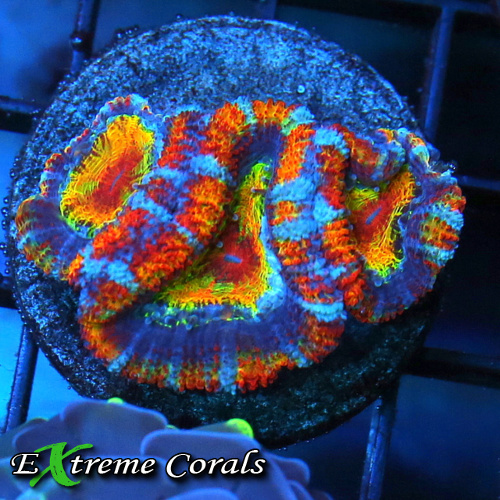
Starting a Coral Frag Tank at Home: Setup, Equipment, Coral Selection and Beginner Tips
Learn how to start a coral frag tank at home with the right setup, equipment, coral choices, lighting, flow, and water quality tips for beginner reef keepers.
by Scott Shiles • April 01, 2024
Starting a coral frag tank is one of the best ways to grow your reef collection, propagate healthy corals, and create a more controlled environment for coral growth. A well-planned frag tank makes it easier to manage lighting, flow, water quality, and coral placement while giving frags room to heal and grow outside the main display. This guide explains how to set up a beginner coral frag tank, what equipment you need, which corals are best to start with, and how to avoid the most common mistakes.
A coral frag tank can be useful for more than just propagation. It can help you organize extra frags, protect your display from overcrowding, isolate problem pieces, and create a dedicated grow-out system that supports healthier coral development over time. For many reef keepers, a frag tank becomes one of the most practical and rewarding systems they run.
Looking to stock a beginner frag system with healthy pieces? Browse our new arrival coral frags and explore colorful frags for your reef tank.
What Is a Coral Frag Tank?
A coral frag tank is a smaller aquarium designed specifically for growing and propagating coral fragments. These fragments, commonly called frags, are small pieces taken from larger colonies and grown in a separate controlled system until they mature into larger corals.
Unlike a display reef, a frag tank is usually built for practicality rather than appearance. It is meant to provide easy access, clean grow-out space, stable conditions, and enough room to observe corals closely. That makes it ideal for reef keepers who want better control over coral growth and health.
Why Start a Coral Frag Tank?
There are several strong reasons to start a frag tank, especially if you are getting more serious about coral keeping.
- Controlled grow-out space: Lets frags heal and grow without competing in the display
- Propagation: Makes it easier to multiply healthy corals from your own colonies
- Better organization: Keeps extras and backups out of the main reef
- Sustainability: Supports aquaculture and reduces pressure on wild coral collection
- Learning opportunity: Helps you better understand coral growth, healing, and placement
A frag tank is especially useful if you plan to buy and sell frags, trim growing colonies regularly, or simply want more control over how your corals develop.
Planning Your Coral Frag Tank Setup
Before you buy equipment, it helps to decide what kind of frag tank you want to run. The best setup depends on how many corals you plan to keep, how much space you have, and whether the tank will be a simple starter system or a more serious propagation setup.
- Choose a tank size that matches your available space
- Think about what coral types you want to grow
- Plan for lighting and flow before adding livestock
- Make sure the tank stand is stable and properly sized
- Cycle the system fully before adding coral frags
A beginner frag tank does not need to be complicated, but it does need to be stable and thoughtfully built.
Best Tank Size for a Beginner Frag Tank
Many beginner frag systems start in the 10 to 20 gallon range, which can work well if you are not trying to grow too many corals at once.
- 10-20 gallons: Good for beginner frag systems with a small number of pieces
- 20-40 gallons: Better for added stability and more rack space
- Shallow tanks: Often the easiest to work with because they offer better access and light spread
Shallow systems are often ideal because they make it easier to place, inspect, and remove frags without digging deep into the tank. A small system can work well, but remember that smaller tanks usually swing faster, so stability becomes even more important.
Essential Equipment for a Coral Frag Tank
A beginner coral frag tank should be simple, stable, and easy to maintain. The core equipment matters much more than fancy upgrades at the start.
Tank
Choose an aquarium that gives you enough surface area for frag racks, plugs, and small colonies. A shallow rectangular tank is often one of the most practical options.
Lighting
Lighting should match the corals you plan to grow. LED lighting is a popular choice because it is efficient, controllable, and can be adjusted for different coral types.
- Use stable, reliable reef lighting
- Match intensity to the coral types in the system
- Keep the lighting schedule consistent
Filtration
A frag tank needs dependable filtration to maintain water clarity and stable water quality. Depending on the setup, this may include biological filtration, mechanical filtration, and a protein skimmer.
- Biological filtration supports stability
- Mechanical filtration helps keep water clean
- A skimmer can be very useful in more heavily stocked systems
Water Flow
Good circulation is critical in a frag tank because detritus can collect around plugs and racks quickly if the flow is weak.
- Use a powerhead or wavemaker
- Aim for broad, even flow instead of one direct blast
- Adjust flow to suit the coral types being grown
Heater
A reliable heater is essential because temperature swings can stress fresh frags quickly. Stable temperature is one of the most basic parts of coral success.
Salt Mix and Water Testing Tools
You need a quality salt mix and reliable test kits or monitors for salinity, pH, alkalinity, nitrate, and other core parameters. Stable chemistry is the foundation of any successful coral system.
Lighting and Placement in a Frag Tank
Lighting is one of the biggest factors in how well coral frags heal and grow. A frag tank should not be lit randomly. Light intensity should make sense for the coral types you are keeping.
- Soft corals and mushrooms often need less intensity
- LPS frags usually do well in moderate lighting
- SPS frags often need stronger light and tighter stability
- Place corals at different heights if the system contains different coral types
If you want a deeper breakdown, learn more about coral lighting.
Water Parameters and Maintenance
Stable water parameters are one of the biggest keys to a healthy frag tank. Freshly cut or newly mounted frags can react quickly to poor water quality, so routine testing matters.
- Maintain stable temperature
- Keep salinity consistent
- Monitor pH and alkalinity regularly
- Watch nitrate and phosphate levels
- Perform regular water changes
Each coral species may have its own preferences, but overall stability matters more than chasing perfect numbers every day. A beginner frag tank usually performs best when maintenance is simple and consistent.
If you are working on chemistry consistency, read our reef tank water parameters guide.
Best Corals for a Beginner Frag Tank
Not every coral is a good first frag tank coral. Some are much easier to heal, grow, and propagate than others.
Soft Corals
Soft corals are often among the best beginner frag choices because they are hardy, adaptable, and usually easier to propagate than many stony corals.
- Zoanthids
- Leather corals
- Clove polyps
- Xenia
Mushroom Corals
Mushrooms are often another strong starting point because many varieties are hardy and adapt well to a frag system.
- Rhodactis
- Ricordea
- Discosoma
Beginner-Friendly LPS Corals
Some LPS corals can work very well in a beginner frag tank if the system is stable and spacing is managed carefully.
- Candy cane coral
- Duncan coral
- Some acans
It usually makes sense to avoid more demanding SPS corals until you have more experience with frag tank stability and coral growth patterns.
How to Frag Corals Successfully
Fragging usually starts with a healthy parent colony and the right tools. Clean cuts, stable healing conditions, and patience all matter.
- Use clean, sharp fragging tools
- Cut carefully to reduce tissue damage
- Place fresh frags in stable lighting and flow
- Give them time to attach and heal
- Monitor closely during the first days after cutting
Fragging is not just about making more corals. It is about helping those new pieces survive and grow successfully after the cut.
If you want a deeper guide, read our coral fragging guide.
Common Problems in a Coral Frag Tank
Even a simple frag system can run into problems if maintenance slips or new additions are rushed.
Algae Growth
Excess nutrients, weak maintenance, or poor flow can allow algae to take over racks and plugs.
Temperature and Salinity Swings
Smaller systems are less forgiving, which means daily stability matters even more.
Pests
Flatworms, nudibranchs, and other hitchhikers can spread quickly through a frag tank if new pieces are not inspected carefully.
Poor Healing
Fresh cuts may fail to heal well if water quality, lighting, or flow are not appropriate.
How to Grow and Expand Your Frag Tank Over Time
As the system matures, you can gradually add more coral diversity, increase rack space, and improve your grow-out strategy. The key is not to rush.
- Add new frags slowly
- Watch for signs of stress before expanding too fast
- Monitor growth rates and space needs
- Adjust lighting and flow as the tank fills in
A successful frag tank grows best when the aquarist keeps the system balanced and resists the urge to overcrowd it too quickly.
Related Corals and Reef Tank Topics You May Also Like
If you are starting a coral frag tank, these related guides may also help:
- How to frag corals
- Coral frag tank setup guide
- Reef tank equipment explained
- Choosing the right reef tank size
- Overview of coral types and care guidelines
Ready to start growing your own coral collection? Browse our new arrival coral frags and explore healthy pieces for your frag tank.
Shop Coral Frags for Your Frag Tank
Explore our new arrival coral frags, LPS corals for sale, and soft corals for sale to find healthy additions for your frag system.
Frequently Asked Questions
Q: What size tank is best for a beginner coral frag tank?
A: Many beginners start with a 10 to 20 gallon frag tank, though shallow 20 to 40 gallon systems often provide more stability and usable space.
Q: What are the best corals for a beginner frag tank?
A: Soft corals, mushroom corals, and some beginner-friendly LPS corals are often the best starting choices.
Q: Do I need LED lighting for a coral frag tank?
A: LED lighting is a popular choice because it is efficient, adjustable, and works well for many coral frag systems.
Q: Should I start with SPS corals in a new frag tank?
A: It is usually better to start with easier corals until the frag tank is stable and you have more experience managing growth and water quality.
Q: Why is stability so important in a frag tank?
A: Freshly cut and newly mounted corals can react quickly to poor water quality, unstable salinity, or temperature swings, so consistency is critical.
About the Author
Scott Shiles is the owner of ExtremeCorals.com, which he has operated for over 25 years and is recognized as one of the early dedicated live coral websites on the internet. A lifelong reef keeper since 1984, Scott has decades of hands-on experience maintaining marine aquariums and previously owned and operated a brick and mortar aquarium retail store for 10 years, including five years alongside Extreme Corals. He holds a degree in Marine Biology and has personally selected and sold hundreds of thousands of live corals. An avid scuba diver who has explored reef systems around the world, Scott shares practical coral care and husbandry knowledge based on real world reef experience.
overall rating:
my rating:
log in to rate
Please log in to leave a comment.
For more information visit: additional resources