My Cart: 0 item(s)

Extreme Corals News and Updates
How to Start a Coral Reef Aquarium at Home: Setup, Equipment and First Corals
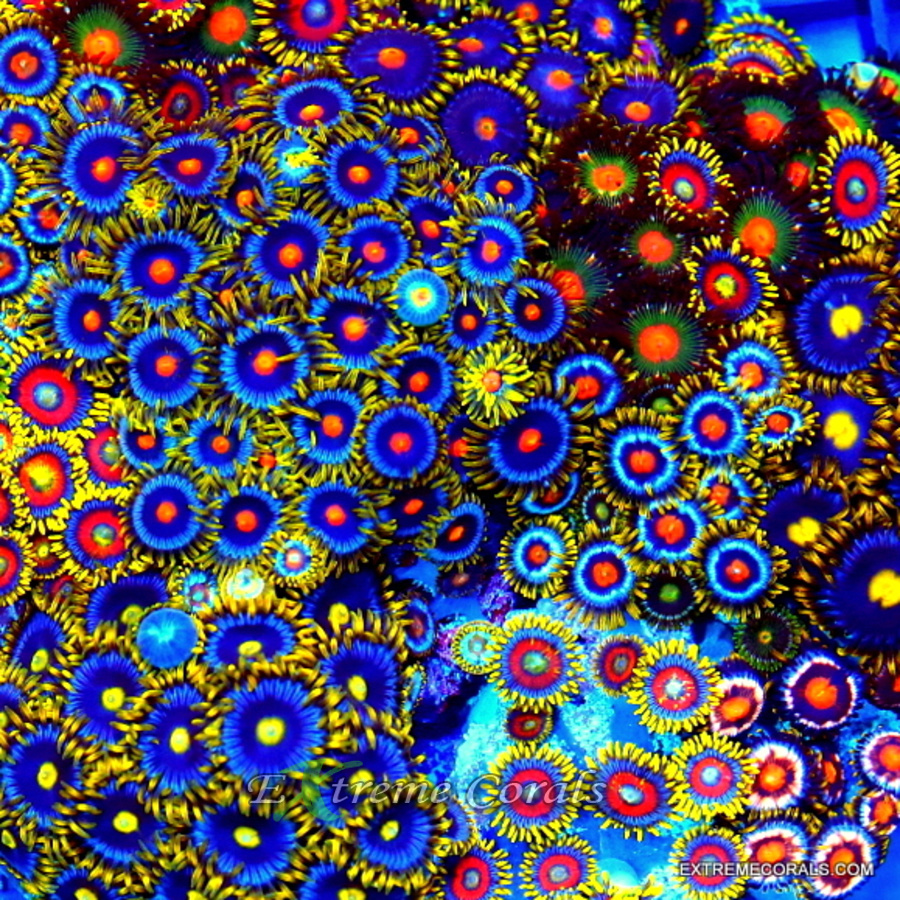
Creating a Thriving Underwater World: A Guide to Coral Reef Aquariums
Dive into the vibrant and serene world of coral reef aquariums. Discover the beauty and benefits of bringing a slice of the ocean into your home, from selecting the perfect tank and beginner-friendly corals to maintaining a healthy environment and tackling common challenges
by scott Shiles • May 23, 2024
SPS Coral Care, Soft Corals Care, Reef Tank Maintenance, LPS Coral Care
Planning your first reef tank? Start with our coral care page and browse our new arrival corals when you are ready to stock your aquarium.
Learn how to start a coral reef aquarium with the right tank size, equipment, water parameters, lighting, flow, and beginner-friendly coral choices. This guide explains the basics of reef tank setup so you can build a stable, attractive saltwater aquarium and avoid common mistakes that frustrate new reef keepers.
Starting a reef aquarium is one of the most rewarding parts of the marine hobby, but success usually comes from patience, planning, and consistency more than from buying expensive equipment. A beginner reef tank should be designed around stability first. When temperature, salinity, alkalinity, nutrient levels, lighting, and water movement stay consistent, corals are far more likely to open well, grow, and maintain strong color over time.
What Is a Coral Reef Aquarium?
A coral reef aquarium is a saltwater system built to keep live corals and other reef-safe marine life in a controlled environment. Unlike a basic fish-only tank, a reef aquarium depends on proper lighting, quality water movement, stable chemistry, and biological filtration to support living coral tissue. Corals are animals, and many also rely on photosynthetic symbionts, which is why lighting and water quality are so important from day one.
Choosing the Right Tank Size for Your First Reef Tank
One of the most common beginner mistakes is starting too small. While nano reefs can be beautiful, they are less forgiving because salinity, temperature, and nutrient levels can change quickly. For many beginners, a moderately sized tank offers a better balance between manageability and stability.
When choosing a tank, think about:
- How much room you have for the aquarium and equipment
- How much maintenance you can realistically handle each week
- Whether you want mostly soft corals, LPS corals, or eventually SPS corals
- Whether you plan to keep fish alongside your coral collection
Larger systems generally provide more stable water conditions, more room for aquascaping, and more flexibility with coral placement. If you are still learning the basics, that extra stability can make a major difference.
Essential Reef Tank Equipment for Beginners
A successful coral reef aquarium starts with dependable core equipment. You do not need to chase every gadget on the market, but you do need gear that helps maintain consistency.
The basics usually include:
- A quality aquarium and stand
- Reliable heater and thermometer
- Modern LED reef lighting
- Adequate flow pumps or wavemakers
- Salt mix and purified source water
- Live rock or reef-safe biological media
- A refractometer or salinity testing tool
- Water testing kits for key parameters
- Filtration suited to the tank size and stocking level
As your reef grows, you may also add a protein skimmer, automatic top-off system, dosing support, or additional monitoring tools. For a closer look at useful reef setup items, read our must-have reef tank tools and accessories.
How to Set Up a Reef Aquarium Step by Step
A clean, methodical setup gives your reef tank a much better chance of long-term success. Rushing through the early stages usually leads to avoidable problems later.
A simple reef setup process looks like this:
- Choose a stable location away from direct sunlight and temperature swings
- Install the tank, stand, and basic equipment
- Add rock structure and reef-safe substrate if desired
- Fill with properly mixed saltwater made from purified water
- Bring temperature and salinity into the proper range
- Start filtration, circulation, and lighting on an appropriate schedule
- Allow the system to cycle before adding corals or fish
- Test water regularly and make adjustments slowly
The cycling phase is especially important. A new reef tank needs time to establish the biological filtration that processes waste safely. Adding animals too early often creates nutrient spikes and instability that can be hard to reverse.
Water Parameters That Matter Most
Reef tanks do best when water chemistry remains stable, not when it constantly swings in search of a perfect number. Beginners should focus on learning the major parameters and testing consistently.
Important areas to monitor include temperature, salinity, pH, alkalinity, calcium, magnesium, nitrate, and phosphate. Stable salinity and alkalinity are especially important once corals are added. If you want to better understand the role of chemistry in coral health, read more about pH and alkalinity in reef tanks.
Keeping notes on your readings can help you spot trends before they become problems. In reef keeping, predictable conditions usually outperform constant tinkering.
Lighting for a Beginner Reef Aquarium
Lighting affects coral color, growth, and overall health. Many beginner reef tanks do well with adjustable LED lighting that can be tailored to the needs of the corals being kept. Soft corals and many LPS corals are often more forgiving, while SPS corals generally demand stronger, more stable lighting and tighter overall system control.
Rather than chasing the brightest possible light, focus on matching intensity and placement to the corals in your tank. Corals that receive too much light too quickly may bleach or stay retracted. Corals that receive too little light may lose color or grow poorly. For a deeper breakdown, learn more about how lighting affects coral growth.
Why Water Flow Is So Important
Water movement helps corals exchange gases, shed waste, capture food, and avoid dead spots where detritus can accumulate. Different coral types prefer different flow patterns, but most beginner reef tanks benefit from moderate, varied circulation instead of harsh direct blasting.
Good flow supports coral extension and keeps the tank cleaner overall. Poor flow, on the other hand, can contribute to nuisance algae, debris buildup, and tissue irritation. For a more detailed look, read our reef flow guide.
Best Beginner Corals for a First Reef Tank
Not every coral is a good first choice. Beginners usually do best with hardy, more forgiving corals that can tolerate small variations while they learn reef husbandry.
Common beginner-friendly choices often include:
- Soft corals such as leathers, mushrooms, clove polyps, and some zoanthids
- LPS corals that are known to adapt well in stable systems
- Hardier corals with moderate lighting and flow demands
Soft corals are often a practical starting point because many adapt well to newer systems. You can browse zoanthids for sale, Ricordia mushrooms, and other LPS corals for sale as you decide what fits your tank and goals.
If you want to compare coral groups, read our overview of coral types and care guidelines. You can also learn more about similar beginner options in our toadstool leather coral care guide, clove polyps care guide, xenia coral care tips, and ultimate zoanthid care guide.
Should Beginners Start With SPS Corals?
In most cases, SPS corals are better added later once the aquarium is mature and the reefer has more experience maintaining stable parameters. SPS corals tend to react quickly to swings in alkalinity, nutrients, light intensity, and flow. That does not mean they are impossible, but they are usually not the easiest starting point for a first reef tank.
Many new hobbyists have better long-term success beginning with soft corals and selected LPS corals, then moving into SPS once they understand how their system behaves. When you do reach that point, you can browse SPS corals for sale and explore more advanced stocking options.
Feeding Corals and Managing Nutrients
Not every coral requires the same feeding strategy, but all reef tanks benefit from balanced nutrient management. Some corals rely heavily on light, while others also respond well to suspended foods or dissolved nutrients in the water column. Overfeeding can quickly lead to algae issues and declining water quality, so a measured approach is best.
Your goal is to support coral health without allowing waste to build up faster than your system can process it. Regular testing, appropriate export, and moderate stocking help keep that balance in check.
Common Beginner Reef Tank Mistakes
Many early problems in reef aquariums come from doing too much too fast. Avoiding a few common mistakes can save a lot of frustration.
- Adding too many fish or corals too quickly
- Chasing numbers instead of prioritizing stability
- Using inadequate or inconsistent flow
- Making major lighting changes too suddenly
- Skipping regular testing and maintenance
- Buying sensitive corals before the tank is mature
- Ignoring quarantine or pest prevention
Patience is one of the most valuable reef keeping skills. A stable tank built slowly usually outperforms a rushed setup every time.
How to Know Your Reef Tank Is on the Right Track
Healthy beginner systems usually show a few encouraging signs over time. Corals open consistently, tissue looks full rather than receded, algae remains manageable, and water parameters stay predictable between maintenance sessions. As your understanding of the tank improves, coral placement, feeding, and growth expectations also become easier to manage.
If you want a broader understanding of coral husbandry before buying additional livestock, our coral care resources are a useful place to continue learning.
Shop Beginner-Friendly Coral Options
When your system is cycled and stable, browse our featured corals for sale, new coral frags, and new coral colonies to find reef-ready pieces for your aquarium. Starting with healthy, properly selected corals can make the learning curve much smoother for first-time reef keepers.
Frequently Asked Questions
Q: What is the best tank size for a beginner reef aquarium?
A: A moderately sized tank is often easier for beginners because it offers more stable water conditions than a very small nano system.
Q: How long should I wait before adding corals to a new reef tank?
A: You should wait until the tank has completed its cycle and basic parameters are stable before adding beginner-friendly corals.
Q: What corals are easiest for beginners?
A: Many beginners start successfully with soft corals and selected LPS corals because they are generally more forgiving than SPS corals.
Q: Do beginner reef tanks need strong lighting?
A: Reef tanks need appropriate lighting for the specific corals being kept, but stronger is not always better. Matching light intensity to coral type is more important.
Q: Why is water flow important in a reef aquarium?
A: Water flow helps deliver oxygen and nutrients, removes waste from coral surfaces, and reduces dead spots where debris can collect.
About the Author
Scott Shiles is the owner of ExtremeCorals.com, which he has operated for over 25 years and is recognized as one of the early dedicated live coral websites on the internet. A lifelong reef keeper since 1984, Scott has decades of hands-on experience maintaining marine aquariums and previously owned and operated a brick and mortar aquarium retail store for 10 years, including five years alongside Extreme Corals. He holds a degree in Marine Biology and has personally selected and sold hundreds of thousands of live corals. An avid scuba diver who has explored reef systems around the world, Scott shares practical coral care and husbandry knowledge based on real world reef experience.
overall rating:
my rating:
log in to rate
Please log in to leave a comment.
For more information visit: additional resources