My Cart: 0 item(s)

Extreme Corals News and Updates
Scolymia Coral Care Guide for Beginners: Lighting, Feeding, Placement and Growth
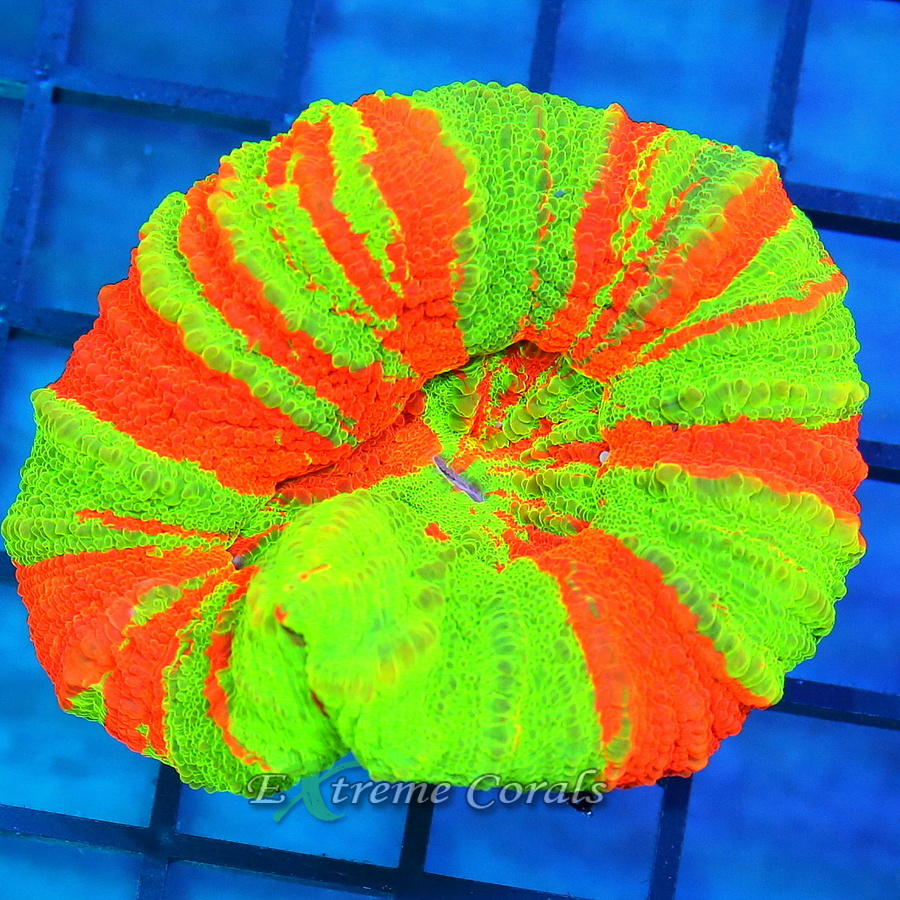
Learn how to care for Scolymia corals in a reef tank with the right lighting, flow, feeding, placement, and stable water conditions for long-term success.
Learn how to care for Scolymia corals in a reef tank with tips on lighting, flow, feeding, placement, water stability, and beginner-friendly long-term care.
by Scott Shiles • April 29, 2024
Scolymia corals are some of the most beautiful fleshy LPS corals in the reef hobby because they combine rich color, bold shape, and a relatively approachable care level in stable aquariums. Often called Lobed Brain Corals, Scolymia can become true centerpiece corals thanks to their inflated tissue, vivid color combinations, and dramatic display presence. This guide explains how to care for Scolymia corals in a reef tank, including lighting, water flow, feeding, placement, growth, fragging, and the most common problems beginners should watch for.
For many reef keepers, Scolymia is one of the first premium-looking corals that feels both exciting and manageable. These corals are highly sought after for their bright reds, greens, oranges, blues, and multicolor patterns, and a healthy specimen can add instant visual impact to a reef tank. With proper care, Scolymia can remain colorful, inflated, and healthy for years.
Looking to add a colorful LPS coral to your reef tank? Browse our LPS corals for sale and explore healthy corals for your aquarium.
What Are Scolymia Corals?
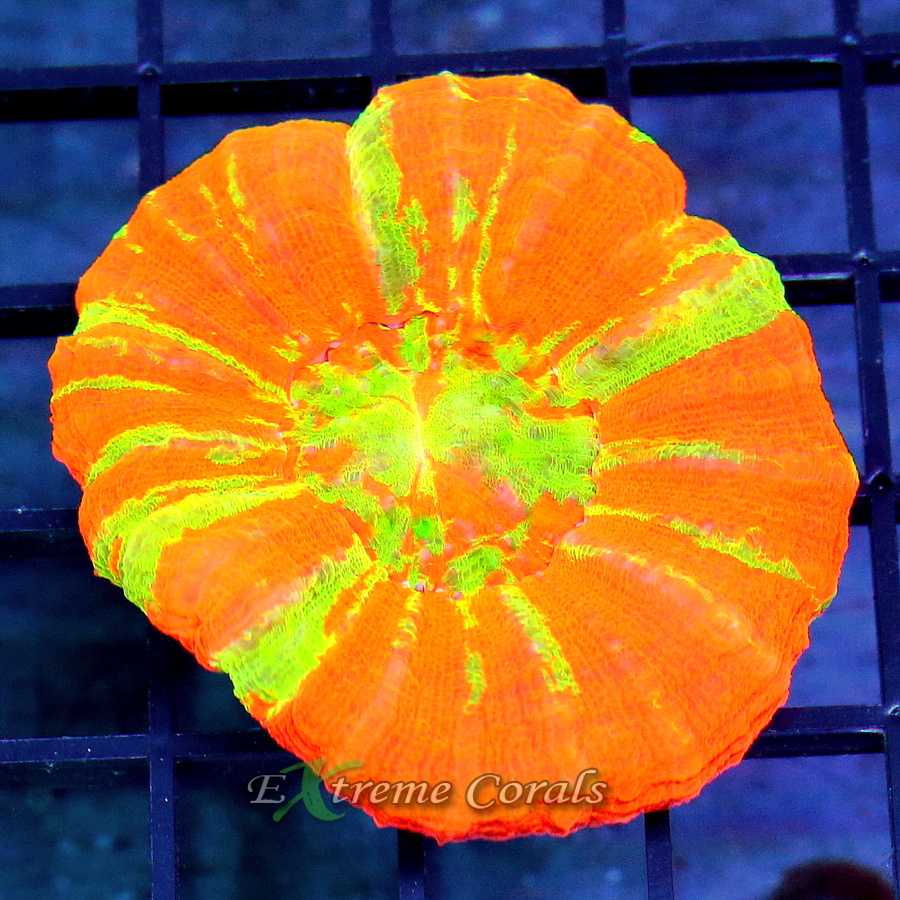
Scolymia corals are colorful large polyp stony corals known for their fleshy bodies, round shape, and bold patterns. In the reef hobby, they are often valued for their “showpiece coral” look, since even a single healthy specimen can draw attention immediately.
Some hobbyists associate Scolymia with doughnut-style and brain-style appearances because of the way the tissue forms around the coral skeleton. Their colors can range from green and orange to red, blue, and multicolor combinations, giving reef keepers many different looks to choose from.
Why Scolymia Corals Are So Popular
- They offer bold color and fleshy texture
- They make excellent centerpiece corals
- They are often manageable in stable reef tanks
- They add a premium LPS look without SPS-level demands
- They are highly rewarding to observe and feed
Scolymia is especially popular with beginners who want a coral that looks high-end and dramatic without needing the same care intensity as many advanced SPS species.
Setting Up the Ideal Environment for Scolymia Corals
Scolymia corals do best in aquariums with stable water conditions, moderate lighting, moderate flow, and enough room to sit comfortably without irritation from neighboring corals.
- Use a stable reef tank with consistent water chemistry
- Provide moderate to moderately high lighting
- Maintain moderate indirect water flow
- Use a sandy substrate or stable lower rock placement
- Leave enough space for the coral to expand
Creating an environment that feels calm and stable is often the biggest key to long-term Scolymia success.
Water Parameters and Stability
Scolymia thrives best when water parameters stay stable. Like many fleshy LPS corals, it usually handles a healthy reef range well as long as the tank does not swing too often.
- Temperature: 75-80°F
- Salinity: 1.023-1.025 specific gravity
- pH: 8.1-8.4
- Alkalinity: keep stable in a healthy reef range
- Calcium: maintain in a healthy reef range
- Magnesium: keep stable for skeletal support
Stable chemistry supports healthy tissue, better feeding response, and stronger long-term coral health. Sudden shifts in salinity, alkalinity, or temperature can stress Scolymia quickly.
If you are working on chemistry stability, read our guide on reef tank water parameters.
Lighting Requirements
Scolymia corals usually do best under moderate to moderately high lighting. In many reef tanks, they are placed in lower or middle zones where the light is strong enough to support health and color without overwhelming the fleshy tissue.
- Moderate to moderately high lighting is usually best
- LED lighting is a popular and effective option
- Too much sudden intensity can stress the coral
- Slow acclimation is safer than abrupt exposure to brighter light
Scolymia often shows its best color and inflation when the light is balanced and stable rather than extreme.
If you want to understand reef lighting better, read our guide on reef tank lighting.
Water Flow
Moderate water flow is important for Scolymia coral because it helps prevent debris buildup and allows nutrients to move across the coral without damaging the fleshy tissue.
- Moderate indirect flow is usually ideal
- Avoid strong direct blasting from powerheads
- Too little flow can let detritus settle on the coral
- The coral should look relaxed and inflated, not flattened
As with many fleshy LPS corals, the best flow keeps the coral clean while still allowing it to remain open and comfortable.
If you want to learn more about circulation, read our guide on water flow and coral health.
Feeding Scolymia Corals
Scolymia corals are excellent feeders and can benefit from regular target feeding. Their fleshy tissue allows them to trap and consume foods effectively, which is one reason they are so satisfying for hobbyists to keep.
- Offer foods such as brine shrimp, mysis shrimp, or zooplankton-sized foods
- Feed regularly but lightly
- Watch the coral’s feeding response before increasing frequency
- Avoid overfeeding because it can hurt water quality
Regular feeding can help support growth, color, and tissue fullness, but the tank must still remain stable and clean.
Placement Tips for Scolymia Corals
Scolymia usually does best on a sandy substrate or stable lower rock structure where it has enough room to expand naturally. Placement should always account for its fleshy tissue and the space it needs from other corals.
- Place on the aquarium floor or a stable lower rock area
- Use lower to middle tank placement as a practical starting point
- Keep enough room between Scolymia and neighboring corals
- Avoid aggressive corals that may sting or crowd it
Strategic placement helps protect the coral’s tissue and makes it easier for the coral to show its best color and feeding behavior.
Growth and Reproduction
Scolymia corals grow by gradually expanding tissue and skeletal structure over time. Under strong care conditions, they can become more impressive and substantial in the aquarium. They may also reproduce sexually in the wild and under certain captive conditions.
In reef tanks, hobbyists are more likely to focus on steady long-term health rather than rapid reproduction. A healthy, stable Scolymia is often prized more as a premium display coral than as a fast-propagating species.
Fragging Scolymia Corals
Fragging Scolymia should be approached carefully. Because of the coral’s fleshy tissue and premium value, any cutting should be done with proper tools and only when the coral is healthy.
- Use sharp, clean tools for precise cuts
- Minimize stress during the process
- Allow the new pieces to heal on a stable base such as a frag plug
- Keep the coral in stable conditions after cutting
With expensive fleshy LPS corals, safe handling and healing are more important than aggressive propagation.
If you want to learn more about fragging, read our guide on how to frag corals.
Handling Common Issues and Problems
Like other fleshy corals, Scolymia can show visible signs when something is wrong. Catching issues early is one of the best ways to protect the coral.
Algae Overgrowth
Excess nutrients and neglected maintenance can allow algae to grow around the coral and irritate its tissue.
Aggressive Tankmates
Nearby corals or fish may stress or damage Scolymia if the coral does not have enough space.
Bleaching
Lighting stress, especially after sudden changes, can reduce color and overall health.
Poor Water Quality
Instability in water chemistry can lead to poor inflation, color loss, or recession.
Feeding Difficulties
If the coral is not feeding well, review flow, stress from neighbors, and overall tank stability.
How to Tell If Scolymia Is Healthy
- The tissue stays full and inflated
- Color remains vibrant and stable
- The coral responds well to feeding
- There is no visible recession or damage
- The coral looks settled in its location
A healthy Scolymia usually looks fleshy, colorful, and calm in the tank. If it stays shrunken or dull for too long, something in the environment usually needs to be adjusted.
Best Tank Setup for Scolymia Corals
Scolymia usually does best in reef tanks with:
- Stable water chemistry
- Moderate to moderately high lighting
- Moderate indirect flow
- Lower or middle placement zones
- Enough room from aggressive neighbors
It is a strong choice for hobbyists who want a fleshy, colorful LPS coral that feels premium but is still manageable in a stable reef aquarium.
Related Corals You May Also Like
If you are interested in Scolymia corals, you may also want to explore other fleshy LPS corals and related reef tank guides:
- Browse LPS corals for sale
- Cynarina donut coral care guide
- Symphyllia coral care guide
- Trachyphyllia coral guide
- LPS corals overview
Ready to add a colorful showpiece coral to your reef tank? Browse our LPS corals for sale and explore healthy additions for your aquarium.
Shop Scolymia and LPS Corals
Explore our WYSIWYG LPS corals, new arrival corals, and featured corals to build a more colorful reef tank.
Final Thoughts
Scolymia corals are stunning additions to reef tanks because they offer rich color, bold fleshy texture, and strong centerpiece appeal. With stable water conditions, balanced lighting, moderate flow, and regular feeding, even beginners can enjoy the beauty of Scolymia and keep these corals thriving long term.
Frequently Asked Questions
Q: Are Scolymia corals good for beginners?
A: Yes, often. They are usually manageable in stable reef tanks and are easier than many SPS corals.
Q: What lighting do Scolymia corals need?
A: Moderate to moderately high lighting is usually a strong starting point, with careful acclimation.
Q: Do Scolymia corals need feeding?
A: Yes, supplemental feeding can help. Foods such as mysis shrimp or zooplankton-sized foods often support better tissue fullness and color.
Q: Where should I place Scolymia coral?
A: Usually on the sandbed or lower to middle areas of the tank with moderate flow and enough space around it.
Q: Why is my Scolymia losing color or shrinking?
A: Common causes include lighting stress, poor water quality, aggression from nearby corals, or unstable water parameters.
About the Author
Scott Shiles is the owner of ExtremeCorals.com, which he has operated for over 25 years and is recognized as one of the early dedicated live coral websites on the internet. A lifelong reef keeper since 1984, Scott has decades of hands-on experience maintaining marine aquariums and previously owned and operated a brick and mortar aquarium retail store for 10 years, including five years alongside Extreme Corals. He holds a degree in Marine Biology and has personally selected and sold hundreds of thousands of live corals. An avid scuba diver who has explored reef systems around the world, Scott shares practical coral care and husbandry knowledge based on real world reef experience.
overall rating:
my rating:
log in to rate
Please log in to leave a comment.
For more information visit: additional resources