My Cart: 0 item(s)

Extreme Corals News and Updates
The Rare Beauty of Acanthastrea Lordhowensis: An Underwater Jewel
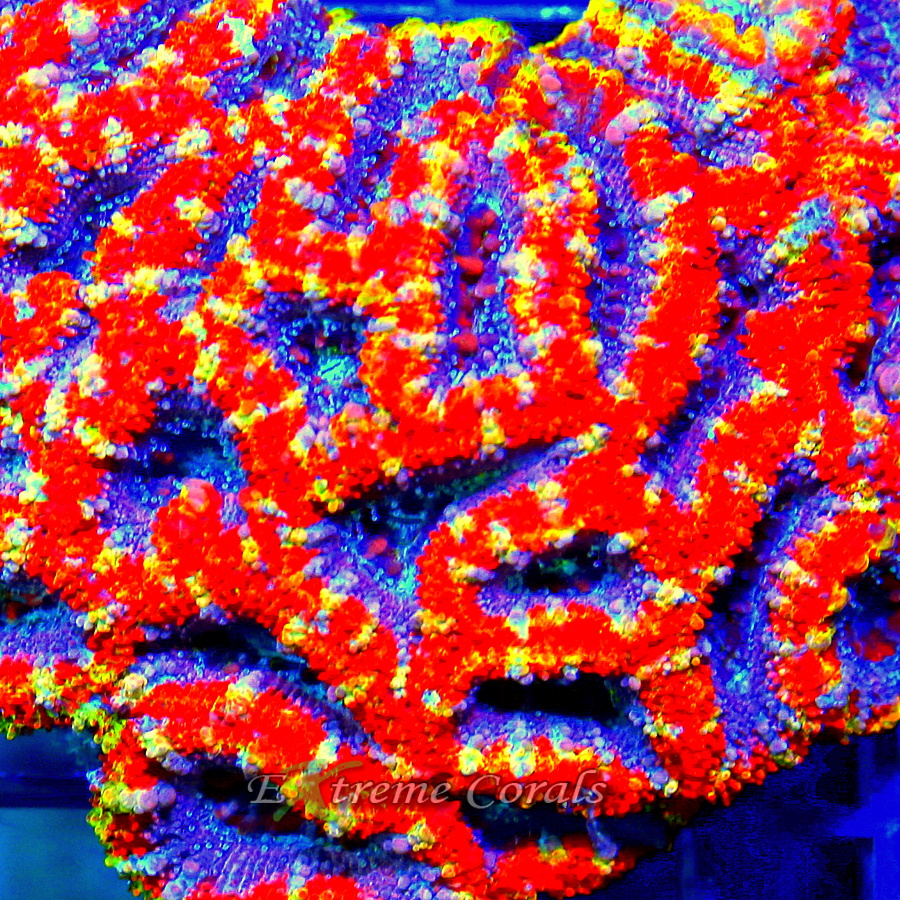
Discover what makes Acanthastrea lordhowensis so prized in reef aquariums, from its vivid coloration and fleshy polyps to its hardy nature, care requirements, and long-term appeal.
Learn why Acanthastrea lordhowensis is such a prized reef coral, with guidance on its beauty, habitat, care requirements, feeding, propagation, and aquarium value.
by Scott Shiles • April 24, 2026
Acanthastrea lordhowensis remains one of the most visually captivating fleshy LPS corals in the reef hobby because it combines intense color, thick tissue, hardy behavior, and a collector look that stands out in almost any aquarium. Often called the “Acan Lord” by hobbyists, this coral has earned its reputation through a combination of beauty and practicality. It can look exotic and high-end while still being manageable in a well-maintained reef tank. In our experience, Acanthastrea lordhowensis is one of those corals that keeps its appeal even as a reefer becomes more advanced. It is not just a beginner favorite. It is a coral with lasting value because of how well it adds dense color, visual texture, and a polished look to the reef. This guide explores the rare beauty of Acanthastrea lordhowensis, what makes it special, how it lives in nature, and how to keep it thriving in captivity.
A common mistake hobbyists make is focusing only on the color patterns and not enough on the overall condition of the coral. With Acan Lords, tissue fullness, healing, placement, and long-term stability matter at least as much as the flashiest coloration. In our experience, the most rewarding colonies are the ones that look healthy first and stunning second, because the healthiest specimens usually become the most beautiful over time.
If you are looking for healthy, fully conditioned Acanthastrea and other fleshy LPS corals, browse our WYSIWYG LPS corals to compare healthy examples.
What is Acanthastrea Lordhowensis?
Acanthastrea lordhowensis, also known in the hobby today under related classification discussions involving Micromussa, is a type of colorful coral species found in the ocean. It belongs to a group of fleshy stony corals prized for their bright colors, plump polyps, and strong visual contrast. It is often referred to as the “Acan Lord” because of its vibrant and mesmerizing patterns, and it remains highly sought after by reef hobbyists due to its stunning appearance and the way it enhances reef aquariums.
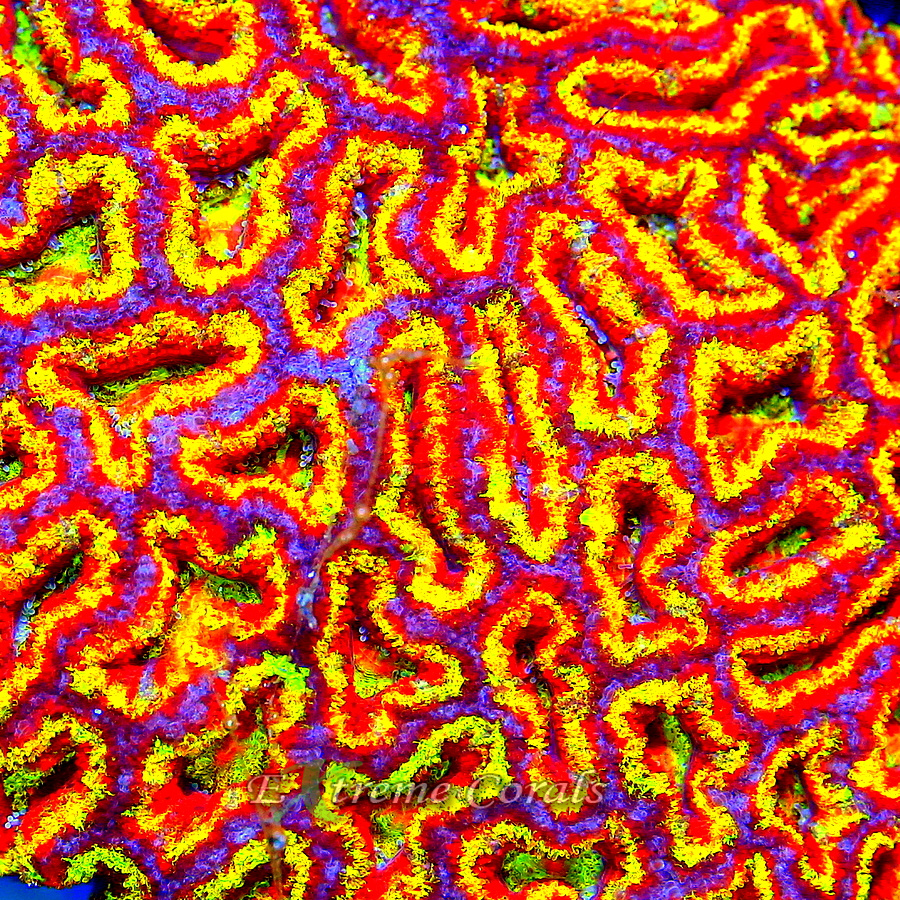
In our experience, one of the reasons this coral remains so desirable is that it adds a dense, high-end look without requiring a massive colony to make an impact. Even a small healthy piece can add real visual value to a reef tank because the polyps are so fleshy and so vividly patterned.
Acanthastrea Lordhowensis: A Brief History
Acanthastrea lordhowensis, commonly known as the “Acan Lord,” was first described by Wells in 1954 and is native to the waters of the Indo-Pacific region. Over time it became one of the most recognizable and collectible fleshy LPS corals in the marine aquarium trade because of its varied coloration, strong adaptability, and broad appeal among reef keepers.
It has long been considered a good choice for both beginner and experienced hobbyists because it combines beauty with a level of resilience that many more delicate corals lack. In our experience, this is part of what gave Acan Lords such staying power in the hobby. Many coral trends come and go, but acans remained desirable because they actually perform well in captivity when cared for properly.
Unique Characteristics of Acanthastrea Lordhowensis
Acanthastrea lordhowensis is highly prized for its distinctive, colorful appearance and remarkable fleshy texture. This species is known for its large, inflated polyps and varied colors, ranging from deep reds to vivid greens, oranges, blues, and multicolor combinations. Those thick fleshy polyps give it a richer and more dimensional look than many flatter reef corals.
In addition, Acan Lords are notable for their ability to adapt to a range of lighting and water flow conditions when the tank is stable. That makes them especially attractive to hobbyists who want a premium-looking coral without moving directly into high-demand SPS territory. We’ve found that they are often one of the best corals for adding strong low-to-mid-level color to a reef without making the layout feel repetitive.
The Natural Habitat of Acanthastrea Lordhowensis
Acanthastrea lordhowensis is found in the wild in the oceans of Australia and New Caledonia. These stunning corals thrive in a variety of reef habitats, including shallow lagoons, reef flats, and slopes, where they can receive adequate light for growth and natural water movement for nutrient exchange.
Acan Lords are often found in areas with moderate water movement, which helps them obtain nutrients from the passing water and keeps debris from settling on the tissue. In many ways, their wild habitat helps explain why they do best in reef tanks with moderate conditions rather than extremes. In our experience, acans usually look their best when their environment feels stable and balanced rather than aggressively high-energy.
Caring for Acanthastrea Lordhowensis in Your Aquarium
Acanthastrea lordhowensis is a stunning addition to a reef aquarium, but long-term success depends on stable conditions and thoughtful placement. They thrive best in a reef environment with moderate lighting and water flow.
- Lighting: Provide moderate lighting. They need enough light for photosynthesis, but direct intense lighting can cause stress or faded tissue.
- Water Flow: Maintain moderate water flow to keep debris from settling and to deliver nutrients without battering the flesh.
- Water Parameters: Keep water temperature between 75-80°F (24-27°C), pH between 8.1-8.4, and salinity between 1.023-1.025.
- Feeding: Acanthastrea lordhowensis is primarily photosynthetic but benefits from supplemental feeding. Offer small meaty foods like brine shrimp, mysis shrimp, or microplankton 2-3 times per week.
By following these care tips, you can enjoy the beauty of Acanthastrea lordhowensis thriving in your aquarium. In our experience, the biggest difference between an average Acan colony and an exceptional one is consistency. A common mistake hobbyists make is moving them around too often or placing them too close to aggressive neighbors, which leads to slow tissue damage over time.
If you want to better understand these fundamentals, read our reef tank lighting guide, our water flow and coral health guide, and our reef tank maintenance guide.
Feeding Acanthastrea Lordhowensis
Acanthastrea lordhowensis is a relatively low-maintenance coral, but targeted feeding can improve tissue fullness, color, and growth. These corals get much of their energy from light, yet they also respond well to supplemental foods.
- Feeding small meaty foods such as brine shrimp or mysis shrimp a couple of times a week can help promote stronger color and growth.
- Target feeding can be beneficial, as it ensures that the coral directly receives the food instead of losing it to fish or current.
- It is important not to overfeed, as excess food can contribute to nutrient imbalance and reduced water quality.
We’ve found that Acan Lords usually respond best to moderate, consistent feeding rather than heavy feeding. A common mistake hobbyists make is forcing too much food into a tank just because the coral accepts it. Balanced feeding tends to produce better long-term results than aggressive feeding combined with unstable nutrient swings.
How to Tell a Healthy Acan Lord Before Buying
One of the best ways to succeed with Acanthastrea lordhowensis is to start with a strong specimen. When selecting a coral, look beyond the flashiest color pattern and focus on overall condition.
- Look for full, inflated tissue over the skeleton
- Choose stable coloration instead of faded or washed-out sections
- Avoid visible recession along the edges
- Look for a clean base and a healed, settled appearance
- Choose a coral that looks stable rather than recently stressed
In our experience, a healthy Acan Lord will usually outperform a more exotic-looking specimen that has weak tissue or visible recession. A common mistake hobbyists make is buying strictly by pattern name and overlooking the actual condition of the coral itself. If you are looking for a healthy, fully acclimated specimen, look for strong tissue, healthy color, and a coral that appears settled rather than reactive.
Common Problems and How to Solve Them
Acanthastrea lordhowensis is usually a hardy coral, but like any living organism, it can encounter problems. Here are some common issues and practical solutions:
- Algae Overgrowth: Algae can smother the coral and hinder growth. Maintain proper water quality, reduce nutrient excess, and consider cleanup crew support.
- Bleaching: Stress from light, temperature, or chemistry changes can cause bleaching. Ensure stable water parameters, appropriate lighting, and avoid sudden changes.
- Predatory Threats: Some fish and invertebrates may pose a threat. Choose tank mates carefully and monitor behavior around fleshy corals.
- Tissue Damage from Aggression: Keep Acans away from neighboring corals that may sting or rub against them.
In our experience, most Acan problems begin with stress, not mystery disease. A common mistake hobbyists make is looking for a complicated explanation first when the real issue is usually placement, aggression, light shock, or instability. Observing and maintaining good water quality is still one of the best long-term protections.
Reproduction and Propagation of Acanthastrea Lordhowensis
Acanthastrea lordhowensis reproduces through a process called budding, where a new polyp grows from the parent polyp. This makes them relatively easy to propagate in a home aquarium once established. They can also reproduce through sexual spawning in the wild, where eggs and sperm are released into the water to form new colonies.
Experienced aquarists can propagate Acanthastrea lordhowensis by carefully fragging the coral, allowing the fragments to grow into new colonies. This requires patience and precision to protect the fleshy tissue and ensure strong healing. In our experience, healthy, well-fed colonies tend to recover and propagate much more reliably than stressed ones.
Acanthastrea Lordhowensis and Its Impact on the Underwater Ecosystem
Acanthastrea lordhowensis plays a meaningful role in the underwater ecosystem. These corals provide habitat structure for various small marine species and contribute to the biodiversity of reef environments. Their vibrant colors and fleshy structure also attract marine life, making them an active part of the underwater landscape rather than just a passive feature.
In a home aquarium, this translates into a coral that can help make the reef feel more alive and visually balanced. In our experience, Acans often function as both display corals and structural fillers in the lower reef, giving the tank a more natural and mature appearance.
Why Acanthastrea Lordhowensis Remains So Desirable
The Acanthastrea lordhowensis is a striking and valuable coral species that can greatly enhance the beauty of your reef tank. Its vibrant and intricate patterns, fleshy polyp structure, and adaptable nature make it desirable for many aquarists. With proper care and maintenance, this coral can be a long-lasting addition to a reef display.
We’ve found that one reason Acan Lords remain so popular is that they work across experience levels. Newer hobbyists appreciate that they are approachable. Experienced reef keepers appreciate that they still look premium and grow into impressive colonies over time. That combination is rare, and it is part of what makes this coral such an underwater jewel.
Related Corals You May Also Like
If you are interested in Acanthastrea lordhowensis, you may also want to explore other fleshy LPS corals and related reef tank guides:
- Browse LPS corals for sale
- Acanthastrea care guide
- Acanthophyllia care guide
- Blastomussa care guide
- LPS coral care overview
Ready to add a healthy Acan Lord or another fleshy LPS coral to your reef tank? Browse our LPS corals for sale and explore healthy additions for your aquarium.
Shop Acanthastrea and LPS Corals
Explore our WYSIWYG LPS corals, new arrival coral colonies, and featured corals to build a more colorful reef tank.
Final Thoughts
Acanthastrea lordhowensis remains one of the most attractive and practical fleshy corals in the reef hobby. It combines bold color, collector appeal, hardy behavior, and long-term value in a way few corals do. When given stable water conditions, moderate light, moderate flow, and thoughtful feeding, it can thrive for years and become one of the most satisfying corals in the tank.
In our experience, that is what makes the Acan Lord such a lasting favorite. It is not just a beautiful coral. It is a coral that rewards good reefkeeping in a very visible way.
Frequently Asked Questions
Q: Is Acanthastrea lordhowensis beginner friendly?
A: Yes. It is often considered one of the more manageable fleshy LPS corals for beginners in a stable reef tank.
Q: What lighting does Acan Lord need?
A: Moderate lighting is usually a strong starting point. Too much direct intensity can stress the tissue.
Q: Does Acanthastrea lordhowensis need feeding?
A: It is mainly photosynthetic but benefits from supplemental feedings of small meaty foods a few times per week.
Q: How do I know if an Acan Lord is healthy before buying?
A: Look for full tissue, stable color, no obvious recession, and a coral that appears settled and well healed.
Q: Can Acan Lords be propagated in home aquariums?
A: Yes. Healthy colonies can be fragged carefully and often grow into new colonies with time and proper healing.
About the Author
Scott Shiles is the owner of ExtremeCorals.com, which he has operated for over 25 years and is recognized as one of the early dedicated live coral websites on the internet. A lifelong reef keeper since 1984, Scott has decades of hands-on experience maintaining marine aquariums and previously owned and operated a brick and mortar aquarium retail store for 10 years, including five years alongside Extreme Corals. He holds a degree in Marine Biology and has personally selected and sold hundreds of thousands of live corals. An avid scuba diver who has explored reef systems around the world, Scott shares practical coral care and husbandry knowledge based on real world reef experience.
overall rating:
my rating:
log in to rate
Please log in to leave a comment.
For more information visit: additional resources