My Cart: 0 item(s)

Extreme Corals News and Updates
Coral Coloration Explained: How to Bring Out Brighter Colors in Your Reef Tank
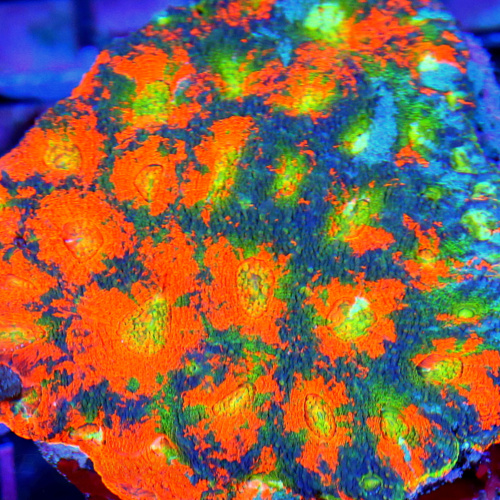
Learn the science behind coral coloration, including lighting, nutrients, water quality, and feeding strategies that help enhance vibrancy in a reef tank.
Learn how coral coloration works and how to improve coral color in your reef tank with better lighting, water quality, nutrients, feeding, and stability.
by Scott Shiles • April 20, 2026
Reef Tank Equipment, All Corals
Coral coloration is one of the most fascinating parts of reefkeeping because the colors you see in a reef tank are the result of light, pigments, coral health, and environmental stability all working together. From glowing greens and electric blues to deep reds and rich purples, coral color is not just about appearance. It is also a signal of how the coral is responding to its environment. This guide explains the science behind coral coloration and shows how reef keepers can enhance vibrancy in their tanks through better lighting, water quality, nutrition, and stability.
For many hobbyists, coral color is one of the clearest signs that a reef tank is thriving. A coral that holds strong color and healthy tissue usually reflects balanced conditions, while faded or browned-out corals often suggest something in the system needs attention. Once you understand what drives coral pigmentation, it becomes much easier to make smart changes that improve both appearance and long-term coral health.
Looking to add colorful corals to your reef tank? Browse our new arrival corals and explore vibrant additions for your aquarium.
Why Are Corals So Colorful?
Corals display a wide range of colors because their tissues contain different pigments and proteins that interact with light in specific ways. These colors are not random. They often help corals adapt to light intensity, protect themselves from excess radiation, and manage their relationship with symbiotic algae.
Coral coloration is mainly influenced by three key factors:
- Zooxanthellae pigments: Symbiotic algae living inside coral tissue contribute brown and golden tones, especially in lower-light environments.
- Fluorescent proteins: These proteins glow under blue and UV light and help create neon greens, blues, oranges, and other vivid shades.
- Chromoproteins: These non-fluorescent pigments absorb certain wavelengths of light and often produce pastel tones such as pinks, purples, and deeper reds.
Understanding how these factors work gives reef keepers a much better chance of bringing out the strongest colors possible in their tanks.
How Lighting Affects Coral Coloration
The Role of Spectrum: Blue vs. White Light
Lighting is one of the most important factors in coral coloration. Corals respond differently to different wavelengths, and certain spectrums are much better at enhancing fluorescent pigments than others.
- Blue and UV light (420-470 nm): This range is especially effective at enhancing fluorescent greens, blues, and purples.
- Red and warm white light (600+ nm): Usually less useful for coral fluorescence and can contribute to browning if overused.
- Balanced white light: Still important for natural growth, but usually works best when paired with strong blue spectrum.
For the best coral color, many reef keepers use a blue-heavy lighting schedule with gradual sunrise and sunset transitions. This not only improves appearance but can also help reduce light shock from abrupt intensity changes.
Lighting Tips for Better Coral Color
- Use a blue-heavy spectrum to enhance fluorescence
- Acclimate corals slowly to stronger lighting
- Avoid keeping white light too intense for too long
- Maintain a stable lighting schedule instead of making frequent changes
If you want to understand reef lighting better, read our guide on reef tank lighting.
The Impact of Water Quality on Coral Colors
Water quality has a direct effect on coral pigmentation. Stable, balanced water helps corals maintain strong color, while unstable or nutrient-heavy conditions often lead to duller or browned-out colonies.
For color enhancement, these ranges are a practical starting point:
- Nitrates: 0.02-5 ppm
- Phosphates: 0.01-0.05 ppm
- Calcium: 400-450 ppm
- Alkalinity: 8-12 dKH
- Magnesium: 1250-1350 ppm
How Nutrients Affect Coral Pigments
- Too many nutrients: Corals often turn brown because excess zooxanthellae dominate the tissue.
- Too few nutrients: Corals may become pale or washed out because they lack the energy reserves to maintain strong pigmentation.
- Balanced nutrients: Fluorescent proteins often become more noticeable, creating brighter and cleaner coloration.
The goal is not to strip the water completely clean. It is to maintain a balanced, stable environment where corals are healthy enough to express their strongest pigments.
If you are working on chemistry stability, read our guide on pH and alkalinity in reef tanks.
The Role of Nutrition in Coral Coloration
Corals do not rely on light alone. Nutrition also plays a major role in color development and pigment maintenance. In reef tanks, targeted feeding and proper nutrient support can make a noticeable difference, especially in SPS and LPS corals.
Key Nutrients That Support Better Color
- Amino acids: Support protein synthesis and can help improve coloration and overall tissue quality.
- Fatty acids and carotenoids: Help support deeper non-fluorescent pigments and fuller color expression.
- Trace elements: Elements such as iodine, iron, and strontium can support natural pigmentation when kept balanced.
LPS corals often benefit from targeted feeding a few times per week, while SPS and soft corals usually respond better to light feeding support and water-column nutrition in a stable tank.
Preventing Coral Color Fading
Even experienced reef keepers sometimes struggle with coral color fading. The good news is that most color loss comes back to a few common issues that can be corrected.
Too Much White Light
Excessive white or warm-spectrum light can encourage zooxanthellae overgrowth, making corals appear brown and less vibrant.
High Nitrates and Phosphates
Nutrient spikes often dull coral color and reduce fluorescence. Stable export through water changes, skimming, and balanced filtration helps prevent this.
Inconsistent Water Parameters
Fluctuating alkalinity, calcium, and magnesium can stress corals and interfere with their ability to hold strong color long term.
Lack of Supplemental Nutrition
Some corals struggle to maintain strong pigmentation if they are getting light but not enough nutritional support from the water column or feeding routine.
How to Make Corals More Vibrant in a Home Reef Tank
If you want to improve coral color in your reef tank, focus on the fundamentals instead of trying to force quick changes.
- Use a blue-heavy lighting spectrum
- Keep nutrients balanced, not extreme
- Maintain stable alkalinity, calcium, and magnesium
- Feed corals thoughtfully when appropriate
- Avoid sudden shifts in light or chemistry
- Watch each coral’s response over time before making another adjustment
Coral coloration usually improves gradually, not overnight. The best results often come from consistent conditions over weeks and months rather than aggressive short-term corrections.
Why Stability Matters More Than Chasing Color
One of the biggest mistakes reef keepers make is chasing color too aggressively. Corals usually hold their best color when the environment is stable enough for them to thrive, not when the tank is constantly being adjusted in search of a more intense look.
In practice, that means:
- Stable light schedules
- Consistent water parameters
- Moderate, appropriate nutrient levels
- Patience with how long coloration changes can take
When corals are healthy, coloration is usually a natural result of that health.
Related Reef Tank Topics You May Also Like
If you want to improve coral color and overall coral health, these related guides may also help:
- Reef tank lighting guide
- Coral health signs guide
- Coral behavior explained
- Coral diseases guide
- Browse colorful new arrival corals
Ready to bring more color to your reef tank? Browse our new arrival corals and explore vibrant aquacultured corals for your aquarium.
Final Thoughts
Coral coloration is the result of biology, lighting, nutrition, and stability all working together. Once you understand the role of zooxanthellae, fluorescent proteins, chromoproteins, lighting spectrum, nutrient balance, and feeding support, it becomes much easier to create a reef tank where corals show stronger and healthier color. The brightest tanks are usually not the ones chasing shortcuts. They are the ones built on consistency.
Frequently Asked Questions
Q: Why do corals turn brown?
A: Corals often turn brown when nutrient levels are too high and excess zooxanthellae dominate their tissue.
Q: Why do corals lose color and look pale?
A: Pale corals may be getting too little nutrition, too much light, or unstable water conditions.
Q: What light spectrum brings out the best coral colors?
A: Blue and UV-heavy spectrums usually enhance fluorescence best, especially in greens, blues, and purples.
Q: Can feeding improve coral color?
A: Yes. Amino acids, fatty acids, and fine coral foods can support better pigmentation in a stable reef tank.
Q: What is most important for vibrant coral coloration?
A: Stable lighting, balanced nutrients, good water quality, and patience are the biggest long-term factors.
About the Author
Scott Shiles is the owner of ExtremeCorals.com, which he has operated for over 25 years and is recognized as one of the early dedicated live coral websites on the internet. A lifelong reef keeper since 1984, Scott has decades of hands-on experience maintaining marine aquariums and previously owned and operated a brick and mortar aquarium retail store for 10 years, including five years alongside Extreme Corals. He holds a degree in Marine Biology and has personally selected and sold hundreds of thousands of live corals. An avid scuba diver who has explored reef systems around the world, Scott shares practical coral care and husbandry knowledge based on real world reef experience.
overall rating:
my rating:
log in to rate
Please log in to leave a comment.
For more information visit: additional resources