My Cart: 0 item(s)

Extreme Corals News and Updates
Frogspawn Coral in Reef Tanks: Growth, Behavior, Placement and Care Tips
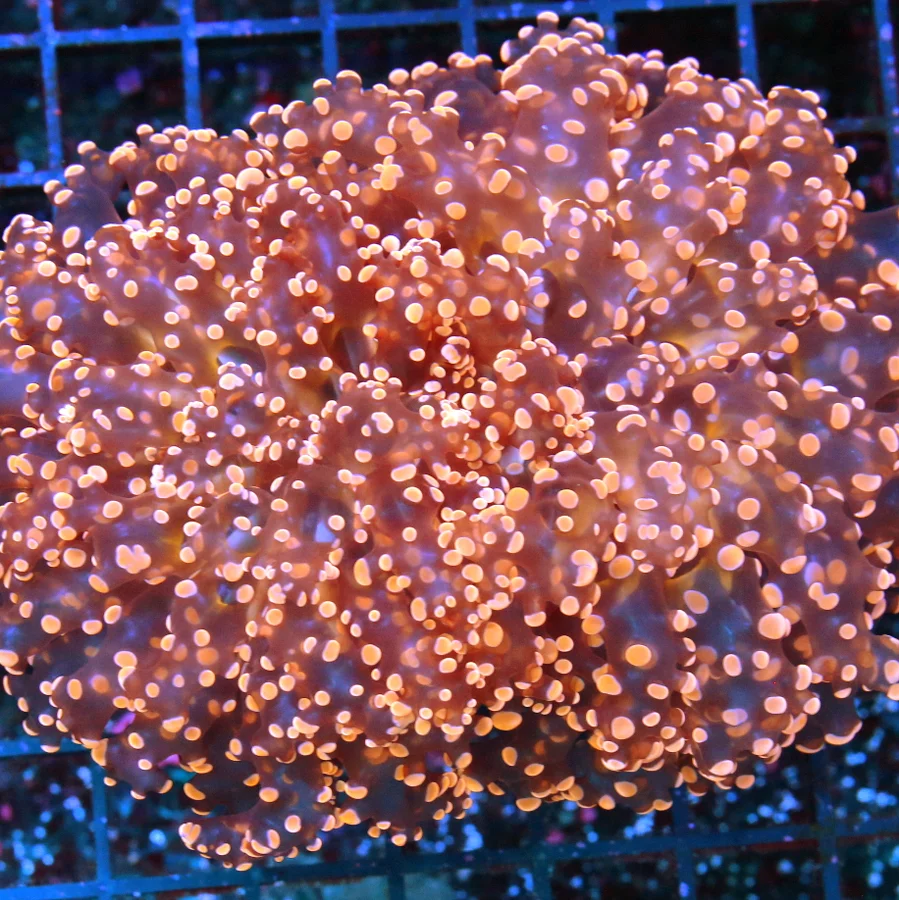
Unlocking the Secrets of Frogspawn Coral: A Dive into Coral Biology and Ecology
Frogspawn coral, scientifically known as Euphyllia divisa, captivates marine enthusiasts with its delicate yet resilient nature. This blog delves into the fascinating growth patterns, reproductive strategies, and environmental adaptations that allow frogspawn coral to thrive in dynamic marine environments. By understanding these mysteries, we gain deeper insights into the complexity and beauty of coral reef ecosystems.
by Scott Shiles • August 12, 2024
Looking to add frogspawn coral to your reef tank? Browse our LPS corals for sale and explore colorful, flowing corals for your aquarium.
Frogspawn coral is one of the most popular LPS corals in reef tanks because it combines flowing movement, strong color, and relatively manageable care requirements. This guide explains how frogspawn coral grows, how it behaves in a reef aquarium, and what it needs in terms of lighting, flow, placement, feeding, and water stability to stay healthy long term.
For many reef keepers, frogspawn coral is the perfect middle ground between hardy beginner corals and more demanding showpiece LPS or SPS corals. It creates motion in the tank, develops into attractive branching colonies, and can become a major visual focal point when placed correctly. At the same time, understanding how frogspawn grows and behaves helps prevent many of the problems hobbyists run into with Euphyllia-type corals.
What Is Frogspawn Coral?
Frogspawn coral is a large polyp stony coral commonly associated with the Euphyllia group. It is best known for its fleshy tentacles with rounded, branching tips that resemble clusters of frog eggs, which is where the common name comes from.
In reef tanks, frogspawn is prized for its movement, branching growth pattern, and ability to add a more natural, flowing look to the aquarium. It is also a coral that teaches reef keepers a lot about how coral behavior changes with light, flow, feeding, and overall water quality.
Why Frogspawn Coral Is Such a Strong Seller
- It adds constant visible movement to the tank
- It has broad appeal for both newer and experienced reef keepers
- It works well in mixed reefs and LPS-dominant systems
- Branching colonies can become impressive centerpiece corals
- It offers a high-end look without full SPS-level demands
Frogspawn sells well because it checks a lot of boxes at once. It looks dramatic, it grows into an attractive display coral, and it feels more achievable for many hobbyists than the most demanding corals in the hobby.
Understanding Frogspawn Coral Growth
Frogspawn coral grows by building a calcium-based skeleton beneath fleshy tissue and extending new heads over time. In branching forms, individual heads can divide and gradually create a fuller colony. That makes frogspawn especially appealing to reef keepers who want a coral that can visibly develop into a more substantial showpiece.
- Growth is usually steady under stable conditions
- Branching forms can add new heads over time
- Stable alkalinity and calcium support better skeletal growth
- Good placement helps improve extension and overall development
One reason frogspawn is so rewarding is that growth is usually easy to appreciate. A healthy coral often shows fuller extension first, then gradual colony expansion as conditions remain stable.
How Frogspawn Coral Behaves in a Reef Tank
Frogspawn coral is not static. Its appearance changes throughout the day depending on light, flow, feeding response, and overall tank conditions. Healthy frogspawn usually extends its tentacles well, sways in moderate current, and retracts somewhat at night or during stress.
- Tentacles expand and contract based on conditions
- Flow strongly influences how open the coral appears
- Feeding response may be more visible in calmer periods
- Stress often shows up first as reduced extension
This is one of the reasons frogspawn is such an engaging coral to keep. It gives visible feedback. If the coral is unhappy, it often shows that through behavior before major tissue loss occurs.
The Science Behind Frogspawn Coral
Frogspawn coral depends on a symbiotic relationship with zooxanthellae, the microscopic algae living in its tissue. These algae use light to produce energy through photosynthesis, and the coral benefits from that energy. At the same time, frogspawn is also an animal that can capture food and respond actively to its environment.
- Photosynthesis provides much of its daily energy
- It can also benefit from direct feeding
- Its skeleton grows through calcification
- Its behavior changes in response to environment and stress
This balance between photosynthesis, feeding, and environmental adaptation is what makes frogspawn so fascinating. It is not just a decorative coral. It is a responsive living animal shaped by the conditions around it.
Lighting for Frogspawn Coral
Frogspawn coral generally does best under moderate lighting. It does not usually need the same intense placement as many SPS corals, but it also should not be left in dim conditions if you want strong health and good extension.
- Moderate lighting is usually the safest starting point
- Avoid abrupt jumps in intensity
- Too much light can stress tissue and reduce extension
- Too little light can reduce long-term vigor and growth
In most reef tanks, frogspawn performs well when it receives enough light to support photosynthesis without being forced into the brightest upper zones of the tank right away.
If you are still fine-tuning your lighting, learn more about coral lighting.
Water Flow for Frogspawn Coral
Frogspawn coral usually prefers moderate, indirect flow. This is one of the biggest factors affecting how it looks on a day-to-day basis. Proper flow creates a gentle swaying motion, while poor flow often leads to either stagnation or tissue irritation.
- Moderate indirect flow is ideal
- Avoid hard direct blasts from powerheads
- Too little flow can allow debris to settle
- Too much flow can keep the coral retracted
A healthy frogspawn should move naturally, not whip violently in one direction. Good flow supports both cleanliness and the kind of motion that makes this coral so appealing in the first place.
You can also read our reef flow guide.
Best Placement for Frogspawn Coral
Frogspawn coral is usually best placed in the bottom to middle areas of the tank where light and flow are more moderate. It also needs room around it, because like other Euphyllia-type corals, it can sting nearby neighbors.
- Bottom to middle placement is often best
- Give it room to expand fully
- Keep distance from other fleshy corals
- Use a stable spot where it will not need constant repositioning
Placement matters not only for health, but also for appearance. A correctly placed frogspawn usually looks fuller, healthier, and more active than one stuck in the wrong flow or too close to aggressive neighbors.
Water Parameters for Frogspawn Coral
Frogspawn coral benefits from stable reef tank parameters. Like many LPS corals, it can be more forgiving than some SPS species, but that does not mean it likes instability.
- Temperature: 76-80°F
- Salinity: 1.024-1.026
- pH: 8.1-8.4
- Alkalinity: stable and consistent
- Calcium and magnesium should support healthy skeletal growth
Stability matters more than chasing perfect numbers. Repeated swings in alkalinity, salinity, or temperature are often the real problem when frogspawn starts looking stressed.
If you are working on chemistry consistency, learn more about pH and alkalinity in reef tanks.
Does Frogspawn Coral Need Feeding?
Frogspawn coral can survive largely through photosynthesis, but it may also benefit from occasional feeding. Supplemental feeding can help support tissue fullness and growth in some systems, especially those that run very clean or low in nutrients.
- Photosynthesis remains the main energy source
- Occasional small meaty foods may be beneficial
- Do not overfeed the tank
- Feed lightly and only when the coral is healthy and extended
In many reef tanks, proper placement and stable parameters do more for frogspawn than aggressive feeding schedules. Still, occasional feeding can be helpful when done carefully.
How Frogspawn Reproduces and Expands
In the wild, frogspawn can reproduce sexually through spawning, releasing gametes into the water column. In aquariums, hobbyists are more likely to see asexual expansion through head splitting or propagation from branching colonies.
- Wild reproduction can occur through spawning
- Home reef growth is usually seen as colony expansion
- Branching forms are often easier to frag
- Stable conditions support better long-term propagation
This is part of what makes frogspawn such a rewarding seller and keeper coral. A healthy branch can eventually become a strong multi-head colony with real display value.
Common Frogspawn Coral Problems
Poor Extension
This is often caused by too much flow, unstable parameters, lighting stress, or irritation from nearby corals.
Tissue Recession
When tissue begins pulling back from the skeleton, it is usually a warning that something in placement or chemistry needs attention.
Brown Jelly and Infection Risk
Like other Euphyllia-type corals, frogspawn can decline quickly if bacterial issues take hold after stress or damage.
Stinging Damage
Frogspawn can injure nearby corals if it is placed too close and allowed to extend into their space.
How to Tell If Frogspawn Coral Is Healthy
- Strong tentacle extension during the day
- Natural flowing movement in the current
- Full tissue with no visible recession
- Steady long-term growth or head development
Healthy frogspawn usually looks alive and responsive. A coral that stays tightly retracted for too long is often signaling that something is off with placement or tank stability.
Related Corals You May Also Like
If you are interested in frogspawn coral, you may also want to explore other flowing LPS corals and related reef-building corals:
- Browse LPS corals for sale
- Torch coral care guide
- Hammer coral care guide
- Euphyllia care requirements
- LPS corals overview
Ready to add a flowing showpiece coral to your reef tank? Browse our LPS corals for sale and explore healthy, colorful frogspawn corals for your aquarium.
Shop Frogspawn Coral
Explore our WYSIWYG LPS corals and find vibrant frogspawn corals ready for your reef tank.
Frequently Asked Questions
Q: Is frogspawn coral good for beginners?
A: Frogspawn is often considered a solid beginner-to-intermediate LPS coral because it combines movement and beauty with more manageable care requirements than many SPS corals.
Q: What lighting does frogspawn coral need?
A: Frogspawn usually does best under moderate lighting with slow acclimation to brighter placement if needed.
Q: What flow is best for frogspawn coral?
A: Moderate indirect flow is usually ideal because it helps keep the coral clean while allowing natural swaying movement.
Q: Does frogspawn coral need feeding?
A: It relies mainly on photosynthesis, but occasional supplemental feeding can be beneficial in some reef tanks.
Q: Why is my frogspawn coral not opening?
A: Common causes include too much flow, unstable parameters, poor placement, lighting stress, or irritation from nearby corals.
About the Author
Scott Shiles is the owner of ExtremeCorals.com, which he has operated for over 25 years and is recognized as one of the early dedicated live coral websites on the internet. A lifelong reef keeper since 1984, Scott has decades of hands-on experience maintaining marine aquariums and previously owned and operated a brick and mortar aquarium retail store for 10 years, including five years alongside Extreme Corals. He holds a degree in Marine Biology and has personally selected and sold hundreds of thousands of live corals. An avid scuba diver who has explored reef systems around the world, Scott shares practical coral care and husbandry knowledge based on real world reef experience.
overall rating:
my rating:
log in to rate
-9 Comments
Please log in to leave a comment.
For more information visit: additional resources