My Cart: 0 item(s)

Extreme Corals News and Updates
How to Care for Toadstool Leather Coral in a Reef Tank (Beginner Guide)
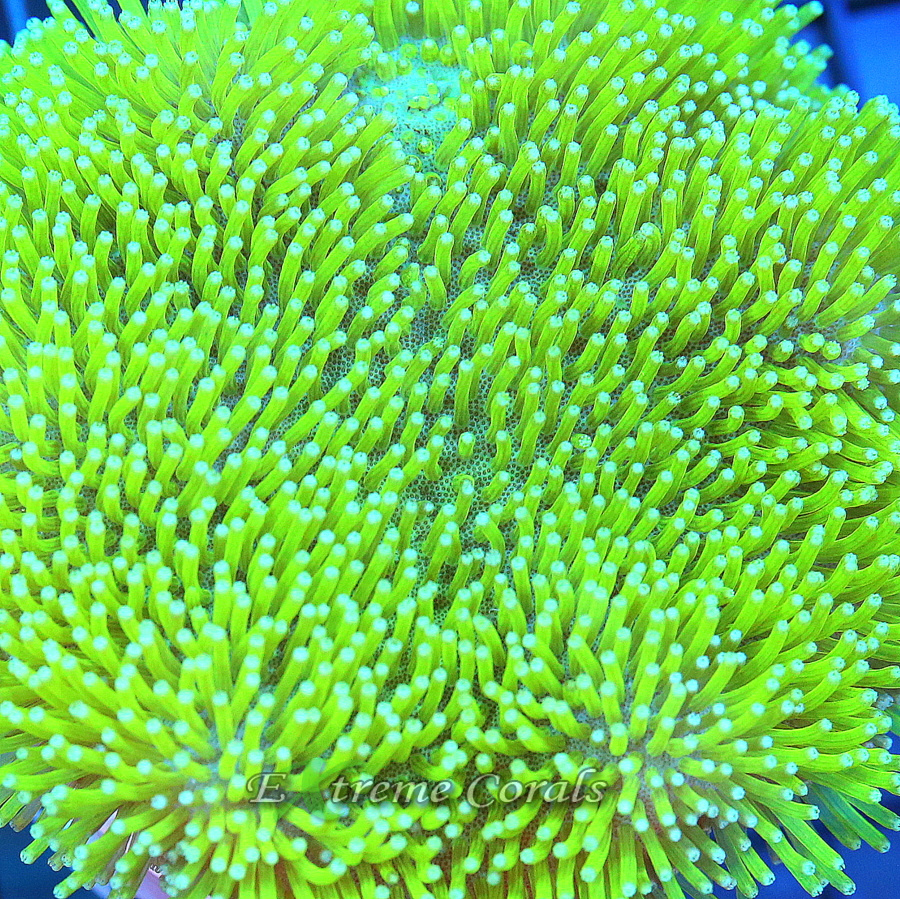
Learn how to keep toadstool leather coral healthy in a reef tank with the right lighting, water flow, placement, feeding, and stable conditions for long-term soft coral success.
Learn how to keep toadstool leather coral healthy in a reef tank with the right lighting, water flow, placement, feeding, and stable conditions for long-term soft coral success.
by Scott Shiles • March 28, 2024
Keeping Toadstool Leather Corals Healthy: A Reef Tank Guide to Light, Flow and Placement
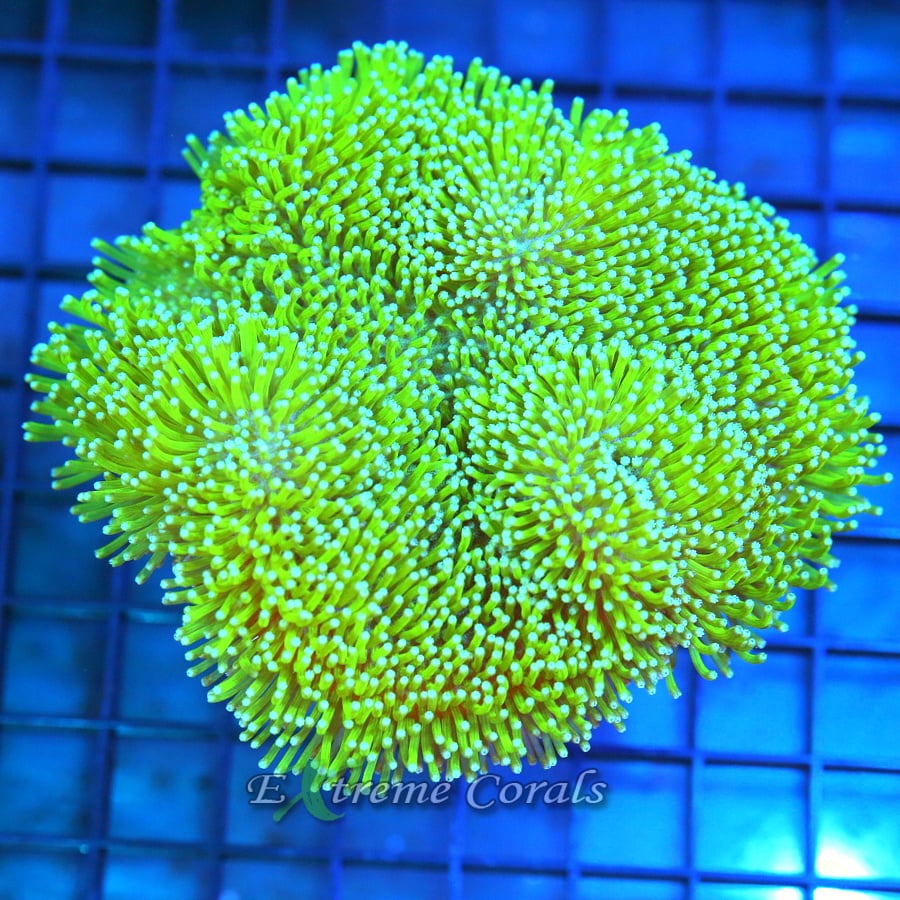
Toadstool leather coral is one of the most reliable soft corals in reef tanks because it combines hardiness, movement, and a natural reef look with relatively easy care requirements. Commonly grouped under Sarcophyton species, toadstool leathers are popular with both beginners and experienced reef keepers. This guide explains how to keep toadstool leather coral healthy in a reef tank, including lighting, flow, placement, feeding, growth, shedding behavior, and compatibility with other corals.
For many hobbyists, toadstool leather coral is one of the first corals that makes a reef tank feel established. Its broad cap and extending polyps add texture and movement, and a healthy specimen can become a large, flowing centerpiece over time. While it is one of the easier corals to keep, it still benefits from stable water conditions and thoughtful placement.
Looking to add a hardy soft coral to your reef tank? Browse our soft corals for sale and explore healthy corals for your aquarium.
Why Toadstool Leather Coral Is So Popular
Toadstool leathers remain a favorite in the reef hobby because they are durable, attractive, and adaptable. They can work in many types of reef tanks, from beginner mixed reefs to mature soft coral systems.
- They are very hardy and beginner-friendly
- They add natural movement with extended polyps
- They can grow into impressive display corals
- They adapt well to many reef setups
- They provide texture and height without SPS-level demands
They are often one of the first corals reef hobbyists keep successfully, and many advanced hobbyists still make room for them because of the movement and structure they bring to a tank.
If you are looking to add soft corals to your system, you can also browse our new arrival coral frags.
Lighting Requirements for Toadstool Leather Coral
Toadstool leather corals usually do best under moderate to moderately high lighting. They are adaptable, but like many corals they can react poorly to sudden changes in intensity.
- Moderate to moderately high lighting is usually ideal
- Too little light can reduce polyp extension
- Too much light too quickly can cause stress or bleaching
- Gradual acclimation is safer than sudden moves into brighter areas
Many reef keepers place toadstool leathers in the middle to upper parts of the tank, depending on how strong the lighting system is. The best location is one where the coral receives steady light without being shocked by excessive intensity.
To better understand coral lighting, visit our coral care guide. You can also read more in our reef tank lighting article.
Water Flow for Toadstool Coral
Toadstool corals usually prefer moderate indirect flow that keeps the polyps moving gently and helps prevent debris from settling on the coral.
- Moderate flow is usually best
- Too much direct flow can cause retraction and stress
- Too little flow can allow debris buildup
- Indirect, random flow often works better than a hard direct stream
Good water movement is especially important because toadstool leathers periodically shed a waxy layer. Steady flow helps the coral clean itself more effectively during this normal process.
If you want to learn more about flow and coral health, read our reef flow guide.
Water Quality and Parameters
Toadstool leather corals are forgiving, but they still do best when water conditions stay stable. They tend to handle slightly nutrient-richer systems better than many SPS corals, but swings in salinity, alkalinity, or temperature can still cause problems.
- Temperature: 76-78°F
- Salinity: 1.023-1.025
- pH: 8.1-8.4
- Alkalinity: 8-10 dKH
Regular testing and water changes help keep conditions stable. Consistency is usually more important than chasing perfect numbers every day.
If you are building a stable reef system, you can also browse our featured corals.
Placement in the Reef Tank
Toadstool corals should be placed on live rock or another stable surface where they have room to grow and open fully. They can become quite large over time, so spacing matters more than many hobbyists expect.
- Place them where the cap can expand comfortably
- Give them enough room from neighboring corals
- Avoid crowding them into tight mixed-coral clusters
- Plan for future growth, not just current size
If you are planning your reef layout, you can also browse our new arrival coral colonies.
Feeding Toadstool Leather Coral
Toadstool leather corals are mainly photosynthetic and receive most of their energy from light. However, they may still benefit from occasional supplemental nutrition in some reef systems.
- Occasional phytoplankton may be helpful
- Fine coral foods can be used lightly
- Nutrient-rich water may support health in some tanks
- Overfeeding should be avoided to protect water quality
Feeding is usually not required for a toadstool leather to survive, but a stable tank with appropriate nutrients can help it stay fuller and healthier long term.
Growth and Shedding Behavior
One of the most distinctive traits of toadstool leather corals is their shedding cycle. New hobbyists sometimes mistake this for illness, but it is often normal behavior.
During a shedding cycle, the coral may:
- Close up for a period of time
- Develop a waxy coating
- Then reopen fully once the surface layer is shed
This is a normal self-cleaning process that helps the coral stay healthy. Good flow can make shedding easier and help the coral reopen more quickly.
Compatibility With Other Corals
Toadstool leathers are generally peaceful in terms of direct stinging, but they can still affect neighboring corals through chemical competition, also known as allelopathy.
Best practices include:
- Provide space between corals
- Use carbon filtration if needed
- Avoid placing them too close to delicate SPS corals
- Monitor nearby corals for stress if the leather grows large
In mixed reefs, this matters more as the coral gets larger and begins to dominate more space in the aquarium.
Common Toadstool Leather Problems
Although toadstool corals are hardy, they can still run into issues if placement, water quality, or flow are poor.
- Poor extension from weak or overly strong flow
- Bleaching from excessive light
- Long periods of closure from stress or poor water conditions
- Nearby coral stress from chemical competition
If a toadstool coral stays closed for too long, check flow, lighting, water stability, and whether it may simply be going through a normal shedding cycle.
Pro Tips for Success
- Keep water parameters stable
- Avoid strong direct flow
- Allow enough space for future growth
- Expect periodic shedding
- Monitor neighboring corals as the colony gets larger
Related Corals You May Also Like
If you are interested in toadstool leather coral, you may also want to explore other hardy soft corals and mixed reef favorites:
- Browse soft corals for sale
- Zoanthid care guide
- Green Star Polyp care guide
- Xenia coral care tips
- Coral care guide
Ready to add a hardy flowing soft coral to your reef tank? Browse our new arrival corals and explore healthy additions for your aquarium.
Shop Toadstool Leather and Soft Corals
Explore our soft corals, new arrival coral frags, and featured corals to build a more colorful reef tank.
Final Thoughts
Toadstool leather coral is one of the easiest and most rewarding corals you can keep. With proper lighting, flow, and stable water conditions, it can grow into a large, flowing centerpiece that adds movement and texture to your reef tank for years.
Frequently Asked Questions
Q: Is toadstool coral beginner friendly?
A: Yes, it is one of the easiest soft corals to keep and is widely considered beginner friendly.
Q: How fast does toadstool coral grow?
A: It can grow fairly quickly under the right conditions and may become a large colony over time.
Q: Why is my toadstool not opening?
A: This can be due to lighting, flow, water quality, stress, or its normal shedding cycle.
Q: Does toadstool coral need feeding?
A: No, not necessarily, but it may benefit from occasional supplemental feeding in some reef tanks.
Q: Does toadstool leather shed normally?
A: Yes, periodic shedding is normal and helps the coral clean its surface.
About the Author
Scott Shiles is the owner of ExtremeCorals.com, which he has operated for over 25 years and is recognized as one of the early dedicated live coral websites on the internet. A lifelong reef keeper since 1984, Scott has decades of hands-on experience maintaining marine aquariums and previously owned and operated a brick and mortar aquarium retail store for 10 years, including five years alongside Extreme Corals. He holds a degree in Marine Biology and has personally selected and sold hundreds of thousands of live corals. An avid scuba diver who has explored reef systems around the world, Scott shares practical coral care and husbandry knowledge based on real world reef experience.
overall rating:
my rating:
log in to rate
86 Comments
Please log in to leave a comment.
For more information visit: additional resources