My Cart: 0 item(s)

Extreme Corals News and Updates
Torch Coral Care Guide (Lighting, Flow, Feeding & Placement Tips)
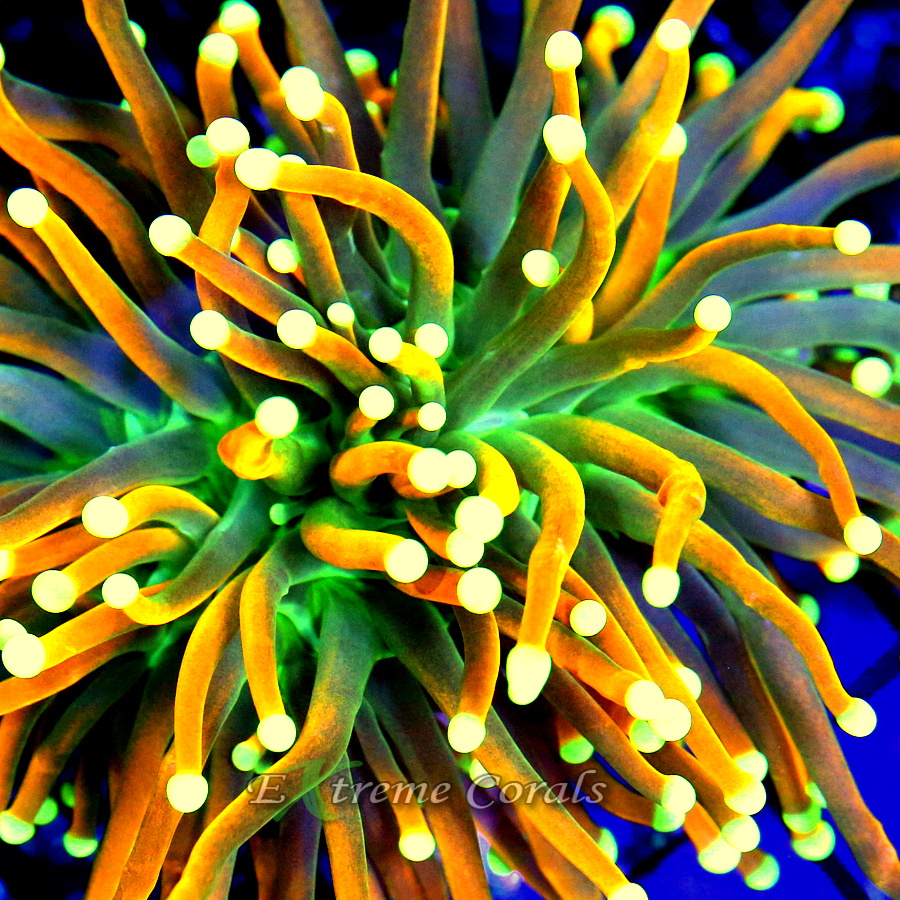
Cultivating Vibrant Torch Coral: A Comprehensive Care Guide
This blog provides a detailed guide on successfully keeping torch coral in your reef aquarium, covering essential topics such as habitat setup, care requirements, lighting, feeding, fragging techniques, and selecting compatible tank mates. With practical tips and advice, enthusiasts can ensure the health and vitality of their torch coral while creating a stunning aquatic environment.
by Scott Shiles • April 11, 2024
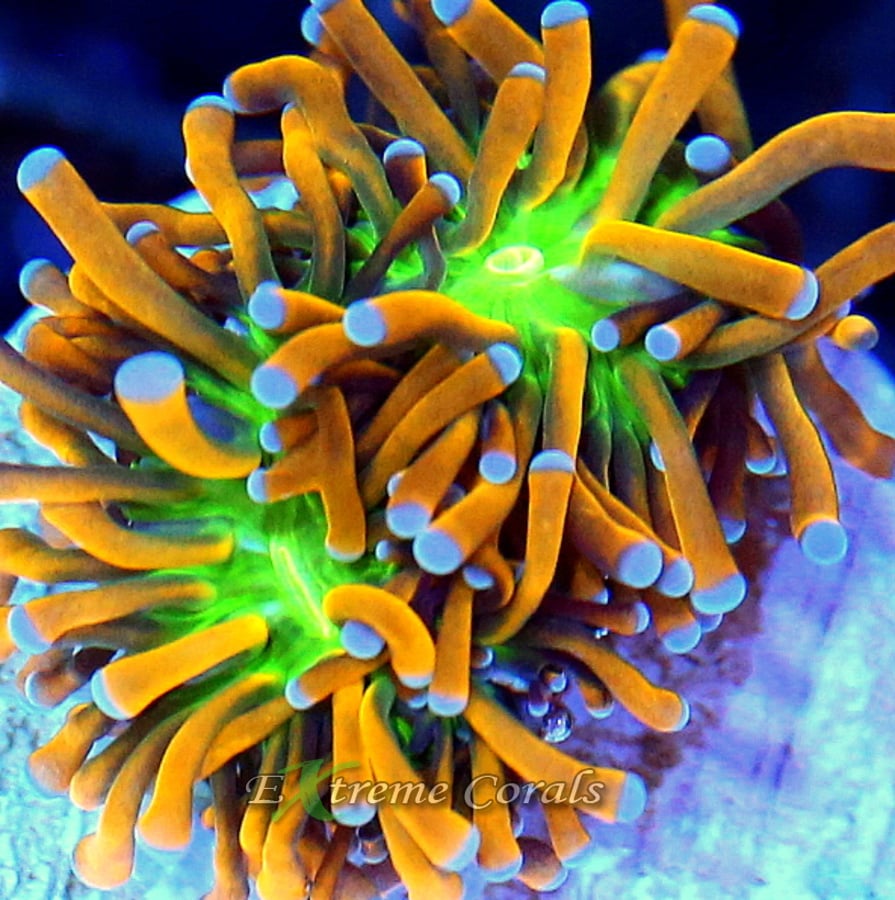
Learn how to care for torch coral in a reef tank with proper lighting, water flow, feeding, placement, and water stability. This in-depth guide covers everything you need to keep Euphyllia torch corals healthy, extended, and thriving long term.
Torch coral (Euphyllia glabrescens) is one of the most sought-after LPS corals in the reef hobby. Known for its long flowing tentacles and vibrant coloration, it adds movement, depth, and high-end visual appeal to any reef tank. However, torch coral is more sensitive than many beginner corals and requires stable conditions to truly thrive.
If you're new to reef keeping or want a full breakdown of setup, lighting, and flow, review our coral care guide here:
https://www.extremecorals.com/coralcare.html
What Makes Torch Coral Unique
Torch coral stands out from other LPS corals because of its long, flowing tentacles and strong movement in the water. Unlike many corals that stay compact, torch coral creates a dynamic, flowing look that becomes a focal point in the tank.
It is also one of the most valuable and desirable corals in the hobby, often available in rare and high-end color variations.
If you're looking to add premium corals to your reef tank, browse new arrival corals here:
https://www.extremecorals.com/category/new-arrival-corals.html
You can also browse featured corals here:
https://www.extremecorals.com/category/featured-corals.html
Lighting Requirements for Torch Coral
Torch coral prefers moderate lighting. It does not require extremely high PAR levels like SPS corals, but it does need consistent, stable lighting to maintain color and health.
Too much light can cause:
- Bleaching
- Tissue recession
- Stress
Too little light can result in:
- Reduced growth
- Weak coloration
- Poor extension
Placement in the tank should be adjusted gradually. Always acclimate torch corals to new lighting conditions to avoid shock.
If you want to understand how lighting affects coral growth and placement, click here:
https://www.extremecorals.com/blog/how-lighting-affects-coral-growth-a-beginners-guide-to-reef-tank-lighting.html
Water Flow for Torch Coral
Torch coral requires moderate, indirect water flow. The tentacles should sway gently in the current, not whip aggressively or remain completely still.
Proper flow helps:
- Deliver nutrients
- Remove waste
- Prevent detritus buildup
Too much flow can:
- Damage tissue
- Prevent full extension
- Cause long-term stress
Too little flow can:
- Lead to debris accumulation
- Increase risk of disease
If you want to learn more about proper reef flow, click here:
https://www.extremecorals.com/blog/the-impact-of-water-flow-on-coral-health-tips-for-creating-the-right-conditions.html
Water Parameters and Stability
Torch coral is sensitive to parameter swings. Stability is more important than chasing perfect numbers.
Ideal parameters include:
- Temperature: 76–78°F
- Salinity: 1.025
- pH: 8.1–8.4
- Alkalinity: 8–10 dKH
- Calcium: 400–450 ppm
- Magnesium: 1250–1350 ppm
Sudden changes in alkalinity are one of the most common causes of torch coral stress or death.
If you're building a stable reef system, browse large polyp stony corals here:
https://www.extremecorals.com/category/large-polyp-stonies-corals.html
Placement and Spacing
Torch coral should be placed in areas with:
- Moderate light
- Indirect flow
- Enough space for full extension
One of the most important factors is spacing.
Torch corals have long sweeper tentacles that can sting nearby corals. Always give them enough room to avoid damaging neighboring corals.
If you're planning your reef layout, browse new arrival coral colonies here:
https://www.extremecorals.com/category/new-arrival-coral-colonies.html
You can also browse new arrival coral frags here:
https://www.extremecorals.com/category/new-arrival-coral-frags.html
Feeding Torch Coral
Torch coral can benefit from regular feeding, especially in lower nutrient systems.
Foods include:
- Mysis shrimp
- Brine shrimp
- Small meaty foods
- Reef-specific coral foods
Feeding helps:
- Increase growth
- Improve coloration
- Enhance polyp extension
Feed lightly and avoid overfeeding, which can degrade water quality.
Torch Coral Aggression and Compatibility
Torch corals are semi-aggressive and should be handled carefully in mixed reef tanks.
Key considerations:
- Keep distance from other corals
- Avoid placing near sensitive species
- Monitor interactions over time
They can coexist with other Euphyllia in some cases, but spacing is still critical.
If you want to learn about related LPS coral care, click here:
https://www.extremecorals.com/blog/care-requirements-of-micromussa-in-home-reef-aquariums.html
Common Torch Coral Problems
Torch corals can experience several issues if conditions are not ideal.
Common problems include:
- Brown jelly disease
- Tissue recession
- Polyp bailout
- Bleaching
- Lack of extension
Most of these issues are caused by:
- unstable water parameters
- excessive or insufficient flow
- poor placement
- sudden environmental changes
Early detection and correction are key to preventing loss.
Signs of a Healthy Torch Coral
A healthy torch coral will show:
- Full polyp extension
- Strong coloration
- Gentle movement in flow
- No exposed skeleton
- Consistent expansion during the day
Watching behavior daily is one of the best ways to catch problems early.
Best Tank Setup for Torch Coral
Torch coral does best in:
- Stable reef systems
- Moderate lighting environments
- Moderate indirect flow
- Balanced nutrient levels
It thrives in mixed reef tanks when properly placed and maintained.
Pro Tips for Long-Term Success
- Always prioritize stability over perfection
- Acclimate slowly to new lighting and flow
- Avoid placing near aggressive corals
- Feed occasionally but consistently
- Watch for early warning signs of stress
- Keep alkalinity stable at all times
Final Thoughts
Torch coral is one of the most rewarding and visually stunning corals in the reef hobby. With proper care and stable conditions, it can become a centerpiece coral that adds movement and color to your tank.
If you're looking to expand your reef tank, shop new arrival corals here:
https://www.extremecorals.com/category/new-arrival-corals.html
Frequently Asked Questions
Is torch coral hard to keep?
Torch coral is moderately difficult and requires stable water conditions.
Why is my torch coral not opening?
This is usually caused by flow, lighting, stress, or unstable parameters.
How much flow does torch coral need?
Moderate, indirect flow that allows gentle movement.
Does torch coral need feeding?
It benefits from feeding but does not require heavy feeding.
About the Author
Scott Shiles is the owner of ExtremeCorals.com, which he has operated for over 25 years and is recognized as one of the early dedicated live coral websites on the internet. A lifelong reef keeper since 1984, Scott has decades of hands-on experience maintaining marine aquariums and previously owned and operated a brick and mortar aquarium retail store for 10 years, including five years alongside Extreme Corals. He holds a degree in Marine Biology and has personally selected and sold hundreds of thousands of live corals. An avid scuba diver who has explored reef systems around the world, Scott shares practical coral care and husbandry knowledge based on real world reef experience.
overall rating:
my rating:
log in to rate
Please log in to leave a comment.
For more information visit: additional resources