My Cart: 0 item(s)

Extreme Corals News and Updates
Goniopora Coral Care Guide (Lighting, Flow, Feeding and Placement)
Nurturing Goniopora: From Setup to Sustainability
Discover care tips for Goniopora corals. Learn setup, maintenance, feeding, and troubleshooting techniques for thriving reef aquariums
by Scott Shiles • February 09, 2024
Learn how to care for Goniopora coral in a reef tank with proper lighting, water flow, feeding, placement, and water quality. This complete guide covers everything you need to keep Goniopora corals healthy, extended, and thriving in your aquarium.
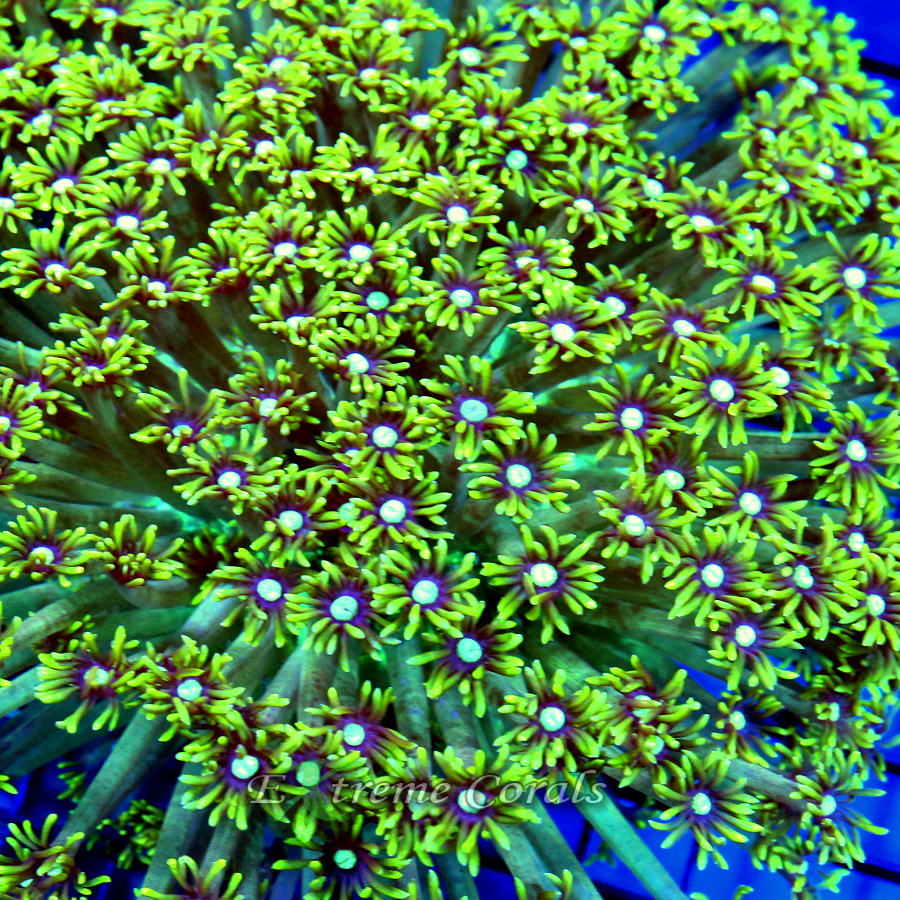
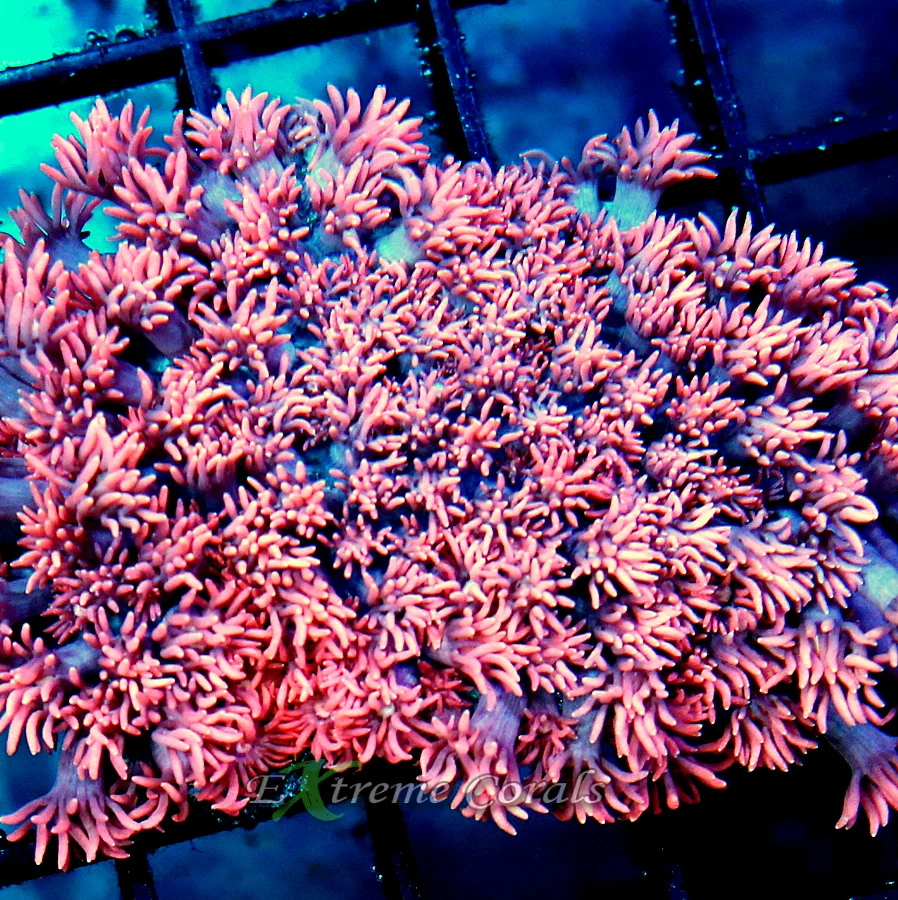
Goniopora coral, often called flowerpot coral, is one of the most eye-catching LPS corals in the reef hobby. Its long flowing polyps and bright coloration make it a standout in reef tanks, but it also has a reputation for being more demanding than many beginner corals. With the right setup and stable conditions, Goniopora can do very well and become one of the most rewarding corals in your system.
If you're new to reef keeping or want a full breakdown of proper tank setup, lighting, and flow, review our coral care guide here:
https://www.extremecorals.com/coralcare.html
Why Goniopora Coral Is So Popular
Goniopora is popular because it combines strong movement, vibrant color, and a dramatic flower-like appearance that stands out in reef aquariums. When healthy, its polyps extend beautifully and create a full, flowing look that many hobbyists love.
If you're looking to add new corals to your reef tank, browse new arrival corals here:
https://www.extremecorals.com/category/new-arrival-corals.html
You can also browse featured corals here:
https://www.extremecorals.com/category/featured-corals.html
Lighting Requirements for Goniopora Coral
Goniopora generally does best under moderate lighting. Too little light can reduce extension and slow growth, while too much intensity can cause stress, retraction, or fading.
Popular reef lighting systems such as AI PRIME, RADION XR15, and KESSIL can work very well when properly adjusted to the coral's placement and the overall needs of the tank.
To better understand coral lighting requirements and placement, review our coral care guide here:
https://www.extremecorals.com/coralcare.html
If you want to learn more about reef lighting and coral growth, click here:
https://www.extremecorals.com/blog/how-lighting-affects-coral-growth-a-beginners-guide-to-reef-tank-lighting.html
Water Flow for Goniopora Coral
Goniopora prefers gentle to moderate water flow. The goal is to keep the polyps moving naturally without blasting the coral directly.
Too much flow can prevent full extension and irritate the tissue. Too little flow can allow debris to collect on the coral, which may lead to stress over time.
If you want to learn more about creating proper flow for coral health, click here:
https://www.extremecorals.com/blog/the-impact-of-water-flow-on-coral-health-tips-for-creating-the-right-conditions.html
Water Quality and Parameters
Stable water quality is one of the biggest keys to long-term Goniopora success. Like many LPS corals, Goniopora responds best when your parameters stay steady rather than constantly shifting.
Important parameters to monitor include:
- Temperature: 76-78 F
- Salinity: 1.025
- pH: 8.1-8.4
- Alkalinity: 8-10 dKH
- Calcium: 400-450 ppm
- Magnesium: 1250-1350 ppm
Reliable tools such as HANNA CHECKERS, SALIFERT TEST KITS, and RED SEA TEST KITS can help you stay consistent.
If you're building a stable reef system around LPS corals, browse large polyp stonies corals here:
https://www.extremecorals.com/category/large-polyp-stonies-corals.html
Placement in the Reef Tank
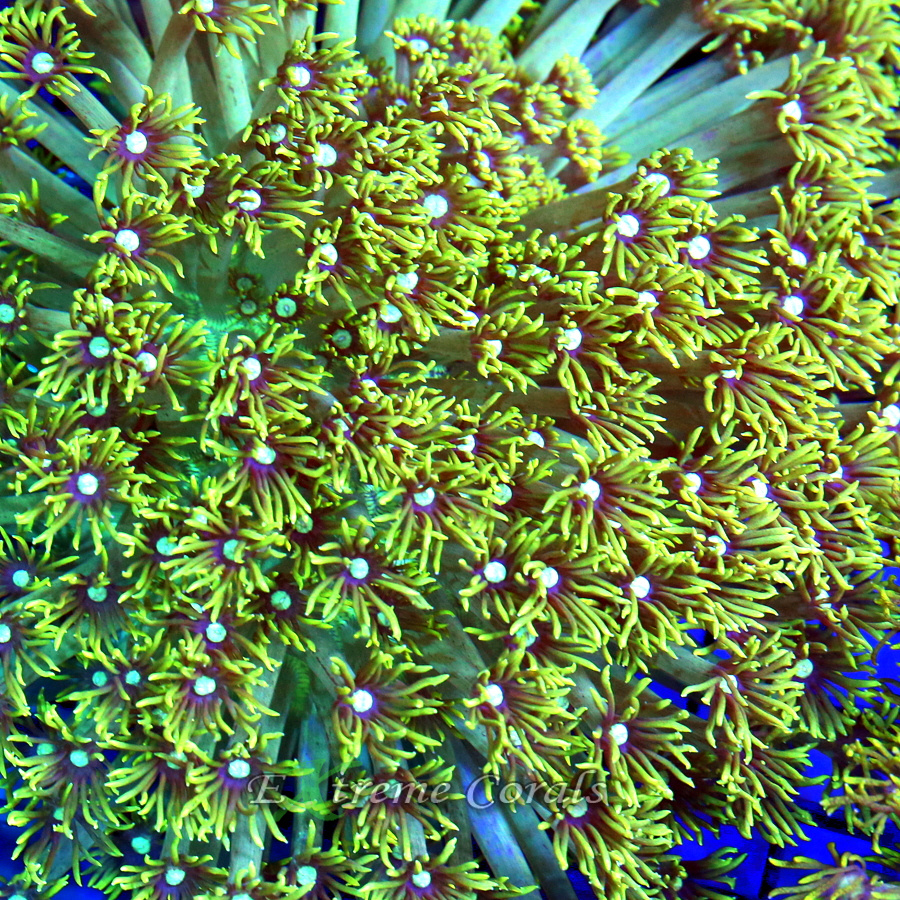
Goniopora is usually best placed in the lower to middle areas of the reef tank, depending on your lighting intensity and flow pattern.
Give the coral enough room around it for full polyp extension. Avoid placing it where aggressive neighboring corals can sting it or where strong direct flow will keep it from opening fully.
If you're planning coral placement and tank layout, browse new arrival coral colonies here:
https://www.extremecorals.com/category/new-arrival-coral-colonies.html
You can also browse new arrival coral frags here:
https://www.extremecorals.com/category/new-arrival-coral-frags.html
Feeding Goniopora Coral
Goniopora can benefit from supplemental feeding, especially in established reef tanks where you are trying to improve extension, color, and overall health.
Many hobbyists use:
- Fine powdered coral foods
- Phytoplankton
- Zooplankton-sized foods
- Liquid coral foods
Target feeding can be useful, but consistency and water quality matter more than overfeeding. It is usually better to feed lightly and regularly than to add too much food at once.
Goniopora Coral Compatibility
Goniopora is generally peaceful, but it still needs space from nearby corals. Avoid placing it too close to aggressive LPS corals or in areas where fish and invertebrates may constantly irritate its tissue.
If you want to learn more about similar LPS care topics, click here:
https://www.extremecorals.com/blog/care-requirements-of-micromussa-in-home-reef-aquariums.html
If you want to read another related LPS care article, click here:
https://www.extremecorals.com/blog/care-requirements-of-duncan-coral-in-home-reef-aquariums.html
Common Goniopora Coral Problems
Some of the most common problems with Goniopora include:
- Poor polyp extension
- Tissue recession
- Faded color
- Slow decline after placement
- Detritus settling on the coral
These issues are often connected to unstable water parameters, poor placement, lighting that is too intense, or flow that is either too weak or too strong.
Watching the coral closely during the first few weeks after adding it can help you make small corrections before a larger problem develops.
Best Tank Setup for Goniopora Coral
Goniopora does best in a stable reef tank with:
- Moderate lighting
- Gentle to moderate flow
- Good nutrient balance
- Consistent alkalinity, calcium, and magnesium
- Enough space for polyp extension
It can do very well in mixed reefs and LPS-dominant systems when conditions are stable and placement is thoughtful.
If you're expanding your LPS collection, browse featured corals here:
https://www.extremecorals.com/category/featured-corals.html
Pro Tips for Goniopora Success
- Keep water parameters stable
- Avoid placing it in harsh direct flow
- Start in lower to moderate light and adjust slowly
- Feed lightly and consistently
- Give the coral room to fully extend
- Watch for stress after moving or acclimating it
Final Thoughts
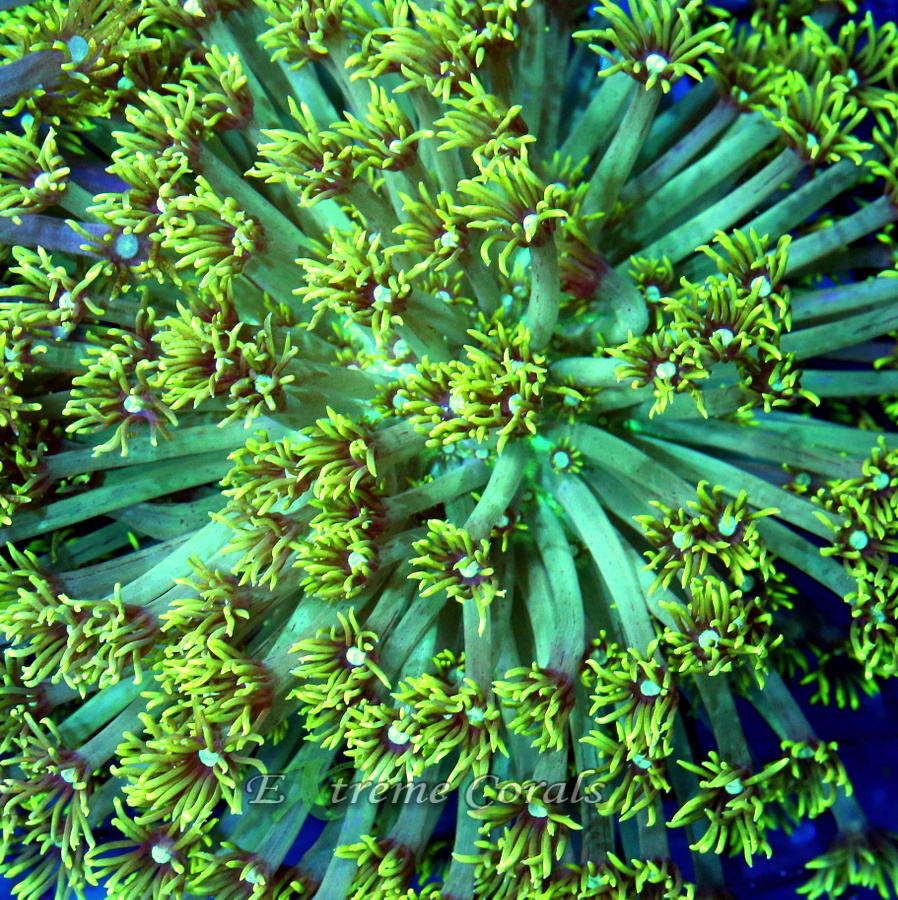
Goniopora coral is one of the most beautiful and rewarding LPS corals you can keep, but it does best with stable care and careful placement. When lighting, flow, and water quality are properly balanced, Goniopora can become a showpiece coral in your reef tank.
If you're looking to build out your reef tank with high-end corals, shop new arrival corals here:
https://www.extremecorals.com/category/new-arrival-corals.html
Frequently Asked Questions
Is Goniopora coral hard to keep?
Goniopora is generally considered more demanding than many beginner corals, but it can do very well in stable reef tanks with proper placement and care.
What flow does Goniopora like?
Goniopora usually prefers gentle to moderate flow that keeps the polyps moving naturally without blasting the coral directly.
Does Goniopora need feeding?
Goniopora can benefit from supplemental feeding, especially fine coral foods and small suspended foods.
Where should I place Goniopora in my tank?
Most Goniopora corals do best in the lower to middle part of the tank with moderate light and gentle to moderate flow.
About the Author
Scott Shiles is the owner of ExtremeCorals.com, which he has operated for over 25 years and is recognized as one of the early dedicated live coral websites on the internet. A lifelong reef keeper since 1984, Scott has decades of hands-on experience maintaining marine aquariums and previously owned and operated a brick and mortar aquarium retail store for 10 years, including five years alongside Extreme Corals. He holds a degree in Marine Biology and has personally selected and sold hundreds of thousands of live corals. An avid scuba diver who has explored reef systems around the world, Scott shares practical coral care and husbandry knowledge based on real world reef experience.
overall rating:
my rating:
log in to rate
Please log in to leave a comment.
For more information visit: additional resources