My Cart: 0 item(s)

Extreme Corals News and Updates
Reef Tank Water Parameters Explained: What to Test, What to Dose and How to Keep Chemistry Stable
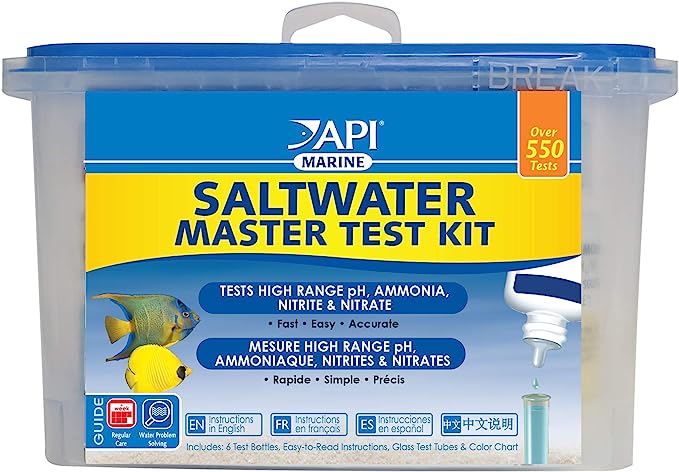
As a crucial part of keeping your reef tank healthy. Water testing should be a top priority to maintaining your reef tank
Here we will discuss all of the parameters you should keep an eye on and test regularly. Including Temperature, Salinity, pH, & more
by Scott Shiles • March 14, 2023
Reef Tank Maintenance, All Corals
Understanding reef tank water parameters is one of the most important parts of keeping corals healthy long term. Temperature, salinity, pH, alkalinity, calcium, magnesium, nitrate, and phosphate all affect coral growth, color, feeding response, and overall tank stability. This guide explains what to test, what the major parameters do, when supplementation may be needed, and how to keep your reef chemistry consistent.
Many reef tank problems do not start with obvious disease or pests. They start with unstable water chemistry. Corals can look fine for a while, then begin to shrink, lose color, stop growing, or recede when parameters drift too far or swing too often. The goal is not chasing perfect numbers every day. The goal is building a stable system that supports healthy coral growth over time.
Working on a healthier reef system? Browse our new arrival corals and explore healthy corals for stable reef aquariums.
Why Water Parameters Matter in a Reef Tank
Corals, fish, and invertebrates all rely on stable water chemistry, but corals are often the first to react when something begins drifting out of range. Water parameters affect skeletal growth, tissue health, nutrient balance, oxygen exchange, and the overall biological stability of the tank.
- Stable chemistry supports coral growth
- Balanced nutrients help control algae and stress
- Consistent salinity and temperature reduce shock
- Proper alkalinity, calcium, and magnesium support calcification
The live article already identifies temperature, salinity, pH, alkalinity, calcium, magnesium, nitrate, and phosphate as core reef tank parameters to test regularly. :contentReference[oaicite:1]{index=1}
The Most Important Reef Tank Water Parameters
Temperature
Temperature is one of the most basic but most important reef tank parameters. Sudden temperature shifts can stress corals, fish, and beneficial bacteria. Most reef tanks do best when temperature stays stable rather than moving up and down constantly.
- General target range: 75-80°F
- Avoid rapid swings
- Use a reliable heater and thermometer
- Monitor closely during seasonal changes
The live article recommends maintaining a reef tank between 75-80°F with a reliable heater. :contentReference[oaicite:2]{index=2}
Salinity
Salinity affects nearly every part of a reef system. Corals and fish both depend on a stable salt concentration, and even small swings can create stress over time. Salinity is usually measured with a refractometer or hydrometer, though many hobbyists prefer a refractometer for better accuracy.
- Common reef target: around 1.023-1.026
- Stability matters more than constant adjustment
- Evaporation raises salinity if top-off is neglected
- Always mix new saltwater carefully before water changes
The live article recommends salinity between 1.023 and 1.025 and notes the use of a hydrometer or refractometer plus salt mix to adjust levels. :contentReference[oaicite:3]{index=3}
pH
pH measures how acidic or basic the water is. Reef tanks usually do best with a stable pH rather than aggressive attempts to force a higher number every day. Small daily movement is normal, but prolonged low pH or wild swings can stress corals and reduce calcification.
- General target range: 8.1-8.4
- Small daily changes are normal
- Low pH is often linked to excess carbon dioxide
- Do not chase pH without understanding alkalinity
The live article recommends maintaining pH between 8.1 and 8.4 and mentions buffer solutions for stability. :contentReference[oaicite:4]{index=4}
Alkalinity
Alkalinity is one of the most important parameters in reef keeping because it helps stabilize pH and supports coral skeleton growth. In many reef tanks, alkalinity is one of the first values hobbyists need to supplement regularly as coral demand increases.
- Common target range: 8-11 dKH
- Stability is more important than constant correction
- Large swings can stress corals, especially SPS
- Often dosed as part of a two-part system or other supplementation method
The live article recommends alkalinity between 8 and 12 dKH and notes that alkalinity supplements or buffers can help stabilize it. :contentReference[oaicite:5]{index=5}
Calcium
Calcium is critical for coral growth because stony corals use it to build skeletons. As coral growth increases, calcium demand can rise significantly, especially in tanks with many LPS or SPS corals.
- Common target range: 380-450 ppm
- Important for skeletal growth
- Often supplemented alongside alkalinity
- Should be tested consistently in growing reef tanks
The live article recommends calcium between 380 and 450 ppm and identifies calcium supplementation as a way to maintain it. :contentReference[oaicite:6]{index=6}
Magnesium
Magnesium helps support reef chemistry balance and plays an important role in maintaining calcium and alkalinity stability. It is often overlooked until something starts drifting or becoming harder to keep stable.
- Common target range: 1200-1350 ppm
- Supports broader chemical balance
- Often consumed more slowly than calcium or alkalinity
- May need supplementation in coral-heavy systems
The live article recommends magnesium between 1200 and 1350 ppm and notes magnesium supplementation when needed. :contentReference[oaicite:7]{index=7}
Nitrate
Nitrate is a nutrient parameter that should be controlled, not ignored. Corals usually do better in a tank with balanced nutrients than in one that swings between excessive buildup and overly aggressive stripping.
- Low but controlled nitrate is usually preferred
- Excess nitrate can contribute to algae problems
- Protein skimming, live rock, and water changes can help manage it
- Heavy feeding and overstocking can push nitrate higher
The live article recommends keeping nitrate below 5 ppm and notes skimming, live rock, and regular water changes as control methods. :contentReference[oaicite:8]{index=8}
Phosphate
Phosphate is another nutrient parameter that needs control. Too much phosphate can contribute to nuisance algae and may interfere with coral growth if allowed to rise too high.
- Low phosphate is usually preferred
- Excess phosphate can contribute to algae growth
- Water changes and phosphate-removal media may help
- Feeding practices often influence phosphate over time
The live article recommends phosphate below 0.03 ppm and mentions phosphate removers and water changes as control methods. :contentReference[oaicite:9]{index=9}
What Should You Actually Dose in a Reef Tank?
This is where many reef keepers get confused. Not every tank needs the same supplementation, and not every chemical should be added just because a bottle exists. The right approach depends on coral load, consumption, and test results.
In general, the most commonly supplemented reef parameters are:
- Alkalinity
- Calcium
- Magnesium
In some systems, reef keepers may also deliberately manage nitrate and phosphate if nutrients fall too low or rise too high, but those situations require more care and should be based on testing, not guessing. The live article discusses dosing phosphate, nitrate, alkalinity, calcium, and magnesium within recommended ranges, but in practice the most consistent long-term supplementation in many reef tanks centers on alkalinity, calcium, and magnesium. :contentReference[oaicite:10]{index=10}
When Do You Need to Start Dosing?
You usually need to start dosing when coral growth and biological demand begin lowering important parameters faster than water changes can replace them. This often becomes more noticeable in tanks with growing stony corals.
- Test regularly before dosing anything
- Watch for repeat drops in alkalinity, calcium, or magnesium
- Do not start multiple supplements blindly at once
- Base dosing decisions on consumption, not assumptions
The live article notes that dosing alkalinity, calcium, and magnesium should begin when levels drop and need replenishment. :contentReference[oaicite:11]{index=11}
Water Changes vs Dosing
Water changes remain one of the simplest and most effective ways to refresh a reef tank. They help export waste, replenish trace elements, and maintain balance. However, as coral demand grows, water changes alone may stop being enough to hold alkalinity, calcium, and magnesium where you want them.
- Water changes help reset and refresh the system
- Dosing helps replace what the reef consumes between changes
- Many healthy reef tanks use both approaches together
The live article also emphasizes regular partial water changes as a way to replenish consumed elements and export excess nutrients. :contentReference[oaicite:12]{index=12}
How Often Should You Test?
Testing frequency depends on the maturity of the tank and how many corals are consuming key elements.
- New tanks: test more often while the system stabilizes
- Growing coral tanks: test alkalinity, calcium, and nutrients regularly
- Established stable tanks: watch trends and test consistently
The live article also highlights the importance of regular water testing and adjusting as needed to maintain stability. :contentReference[oaicite:13]{index=13}
Common Reef Chemistry Mistakes
- Chasing perfect numbers instead of focusing on stability
- Dosing chemicals without testing first
- Making large corrections too quickly
- Ignoring salinity drift from evaporation
- Letting alkalinity swing in a coral-heavy tank
- Overfeeding and then trying to “fix” nutrients after the fact
Many reef tanks do better when the owner makes fewer, more measured corrections instead of constantly forcing the water in different directions.
How Water Parameters Affect Different Coral Types
Different coral types react differently to instability.
- Soft corals: usually the most forgiving
- LPS corals: often appreciate stable nutrients and chemistry
- SPS corals: usually the most sensitive to alkalinity swings and instability
If you are keeping demanding SPS, read our Acropora care guide. If you are building a more forgiving mixed reef, you may also want to learn more about LPS corals.
Related Corals and Reef Tank Topics You May Also Like
If you are working on reef chemistry and system stability, these related guides may also help:
- pH and alkalinity in reef tanks
- How lighting affects coral growth
- The impact of water flow on coral health
- Reef tank equipment explained
- Must-have reef tank tools and accessories
- New arrival corals
Ready to put a stable reef system to work? Browse our new arrival corals and explore healthy corals for balanced reef aquariums.
Shop Corals for Stable Reef Systems
Explore our new arrival corals, LPS corals for sale, and SPS corals for sale to find healthy additions for well-maintained reef tanks.
Frequently Asked Questions
Q: What are the most important water parameters in a reef tank?
A: Temperature, salinity, pH, alkalinity, calcium, magnesium, nitrate, and phosphate are some of the most important parameters to monitor regularly.
Q: What chemicals do I need to add to a reef tank?
A: It depends on the tank, but alkalinity, calcium, and magnesium are among the most commonly dosed elements in coral-growing reef systems.
Q: Do I need to dose nitrate and phosphate?
A: Not always. Nutrient management should be based on test results and system behavior, not automatic dosing.
Q: How often should I test reef tank water?
A: Newer or fast-growing reef tanks usually need more frequent testing, especially for alkalinity, calcium, and salinity.
Q: Are water changes enough to maintain a reef tank?
A: In some lighter-demand systems, maybe. In many growing coral tanks, water changes and dosing work together to maintain stability.
About the Author
Scott Shiles is the owner of ExtremeCorals.com, which he has operated for over 25 years and is recognized as one of the early dedicated live coral websites on the internet. A lifelong reef keeper since 1984, Scott has decades of hands-on experience maintaining marine aquariums and previously owned and operated a brick and mortar aquarium retail store for 10 years, including five years alongside Extreme Corals. He holds a degree in Marine Biology and has personally selected and sold hundreds of thousands of live corals. An avid scuba diver who has explored reef systems around the world, Scott shares practical coral care and husbandry knowledge based on real world reef experience.
overall rating:
my rating:
log in to rate
Please log in to leave a comment.
For more information visit: additional resources