My Cart: 0 item(s)

Extreme Corals News and Updates
How to Properly Feed Your Corals: Reef Tank Feeding Guide for Growth and Color
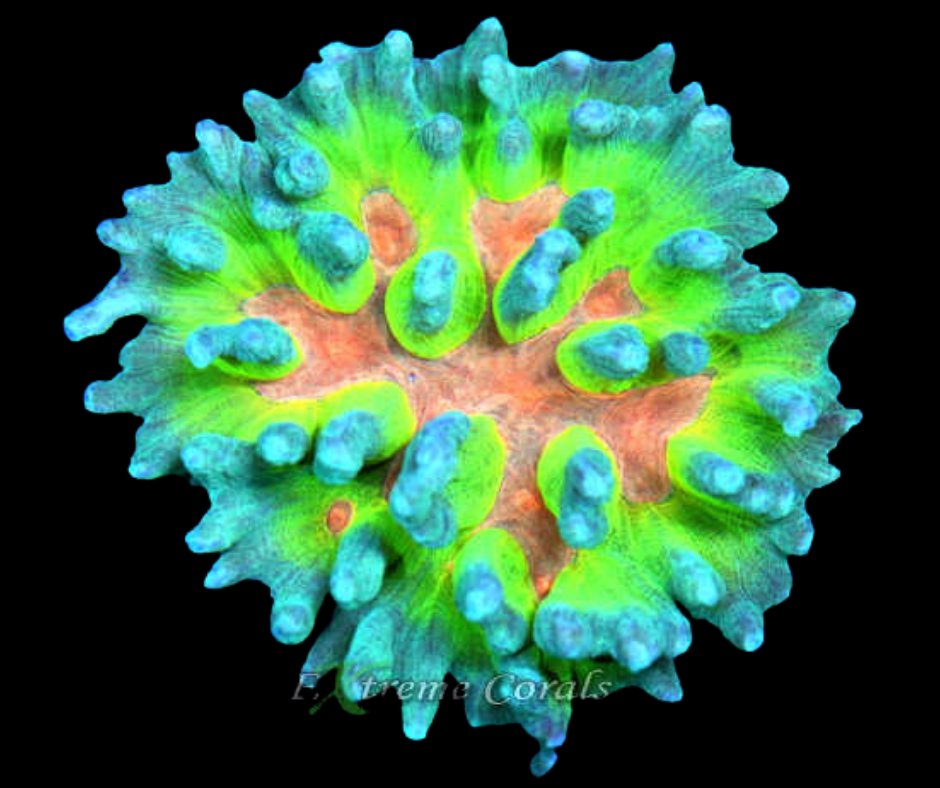
Learn how to feed corals the right way in a reef aquarium, including how light supports coral nutrition, when to target feed, what foods to use for LPS, SPS, soft corals and zoanthids, and how to avoid overfeeding.
Learn how to properly feed your corals with reef tank feeding tips for LPS, SPS, soft corals and zoanthids, including light, target feeding, broadcast feeding and water quality.
by Scott Shiles • April 28, 2026
SPS Coral Care, Zoanthids Coral Care, Soft Corals Care, Reef Tank Maintenance, All Corals, LPS Coral Care
Feeding corals correctly is one of the most important parts of building a healthy reef tank, but it is also one of the most misunderstood. Many beginners assume that strong lighting is enough for every coral, while others feed too heavily and end up creating nutrient problems, algae growth, and stressed livestock. The truth is that coral nutrition is a balance between light, available nutrients, natural plankton, fish waste, dissolved organics, and direct feeding.
Corals are living animals, and different types of corals feed in different ways. Some rely heavily on photosynthesis. Some capture small particles from the water column. Some fleshy LPS corals respond strongly to target feeding with meaty foods. Some soft corals and zoanthids do best with smaller foods and stable nutrients rather than heavy feeding. Understanding these differences helps you feed your reef in a way that supports growth, color, tissue health, and long-term stability.
At Extreme Corals, we work with a wide range of live corals every day, including LPS corals, SPS corals, soft corals, zoanthids, mushrooms, chalices, acans, torches, hammers, and many other reef tank favorites. This guide explains how to properly feed your corals, how photosynthesis supports coral nutrition, when target feeding helps, what foods make sense for different coral types, and how to avoid the common feeding mistakes that can hurt water quality.
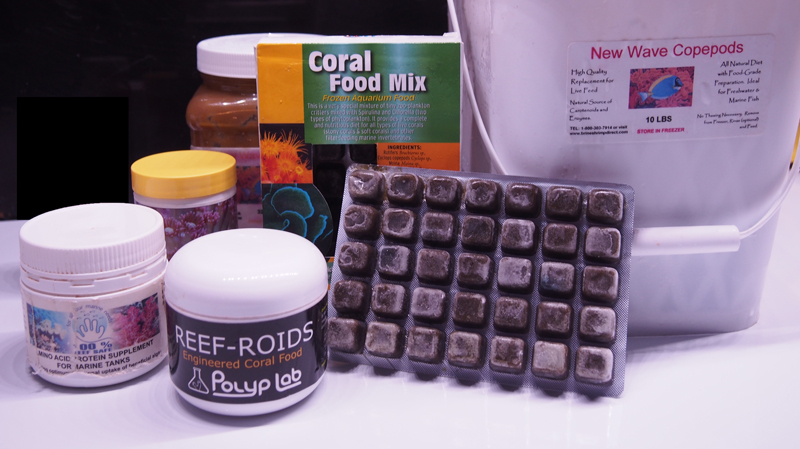
Why Coral Feeding Matters
Coral feeding matters because corals need energy to maintain tissue, grow skeleton, recover from stress, heal after shipping, build color, and compete in a reef aquarium environment. Lighting plays a major role, but feeding can still be valuable when done properly.
In a home reef tank, corals may receive nutrition from several sources:
- Photosynthesis from symbiotic zooxanthellae algae living inside coral tissue
- Target feeding with small meaty foods or coral-specific foods
- Broadcast feeding with planktonic or powdered foods in the water column
- Fish waste and dissolved nutrients produced naturally in the aquarium
- Microfauna and bacteria moving through the reef system
- Particulate food left in circulation after fish feeding
The goal is not to feed every coral heavily. The goal is to understand how each coral gets energy and then feed in a way that supports the animal without overwhelming the aquarium.
How Light “Feeds” Corals
Many corals contain symbiotic algae called zooxanthellae. These algae live inside the coral tissue and use light to produce energy through photosynthesis. The coral receives part of that energy, which helps support survival, growth, and coloration.
This is why reef lighting is so important. A coral that depends heavily on photosynthesis needs the right intensity, spectrum, and photoperiod. Too little light can lead to poor energy production, dull color, and slow decline. Too much light can cause bleaching, shrinking, and stress.
Different coral groups rely on light differently:
- SPS corals often depend heavily on strong lighting and stable water chemistry.
- LPS corals use light but often benefit from supplemental feeding.
- Soft corals are often photosynthetic but may also absorb nutrients and small foods.
- Zoanthids rely on light but can benefit from fine foods and balanced nutrients.
- Non-photosynthetic corals require regular feeding because light does not meet their needs.
Light is not a replacement for all coral nutrition, but it is the foundation for many reef corals. If lighting is wrong, feeding alone will not fix the problem.
Direct Feeding vs Indirect Feeding
Corals can be fed directly or indirectly. Both methods can be useful, but they work differently.
Direct feeding means offering food to a coral intentionally. This may involve target feeding an LPS coral with mysis shrimp, feeding zoanthids with fine particle food, or gently offering food to a coral when its feeding tentacles are extended.
Indirect feeding happens when corals receive nutrition from the overall reef system. Fish waste, dissolved organics, bacteria, microfauna, tiny food particles, and naturally suspended nutrients can all contribute to coral feeding. A reef tank with fish, stable nutrients, and healthy biodiversity often provides some background nutrition even when corals are not being directly fed.
Most successful reef tanks use both forms. Direct feeding supports corals that respond strongly to food, while indirect feeding helps maintain a more natural nutrient environment.
The Best Foods for Feeding Corals
The best coral food depends on the type of coral. A large fleshy LPS coral can often capture meaty foods that would be too large for SPS corals or zoanthids. Fine planktonic foods may be useful for smaller-polyp corals, but they can also pollute the water if overused.
Common coral foods include:
- Mysis shrimp for many LPS corals and larger-polyp feeders
- Brine shrimp as a light meaty feeding option
- Finely chopped seafood for fleshy LPS corals
- Zooplankton-based foods for many corals that capture small prey
- Phytoplankton for certain filter feeders and reef biodiversity support
- Powdered coral foods used carefully for broadcast or target feeding
- Amino acid supplements used lightly when appropriate
- Liquid coral foods used sparingly in systems that can handle them
The most important rule is to match food size to the coral. Food that is too large may sit on the coral, irritate tissue, attract shrimp or fish, and decay before being eaten. Food that is too fine may simply disperse through the tank and raise nutrients if used too heavily.
How to Feed LPS Corals
LPS corals are often some of the most responsive corals to feeding. Many have fleshy polyps, visible mouths, and feeding tentacles that can capture meaty foods. Examples include acans, scolymia, blastomussa, favia, favites, lobophyllia, trachyphyllia, candy cane corals, and many brain corals.
Good feeding options for many LPS corals include:
- Mysis shrimp
- Small pieces of brine shrimp
- Finely chopped krill
- Small pieces of marine fish or shrimp
- Small particle LPS coral foods
- Zooplankton-based coral foods
Target feeding one to two times per week is a practical starting point for many LPS corals. Some corals may benefit from slightly more frequent feeding, while others do well with less. The tank’s nutrient level and the coral’s response should guide the schedule.
When feeding LPS corals, turn down strong flow briefly, gently place food near the mouth or feeding tentacles, and give the coral time to capture the food. Restore normal flow afterward so leftovers do not settle and decay.
How to Feed SPS Corals
SPS corals generally have smaller polyps and are more dependent on strong lighting, stable alkalinity, clean water, and consistent flow. They may capture very small particles, but they are not fed the same way as fleshy LPS corals.
SPS feeding is usually more about maintaining the right reef environment than dropping large food onto the coral. Helpful nutrition sources may include:
- Stable measurable nitrate and phosphate
- Fish waste from a balanced fish population
- Fine planktonic foods used sparingly
- Amino acids used carefully in stable systems
- Strong random flow that keeps fine particles available
Overfeeding an SPS tank can quickly create nutrient problems, while stripping nutrients too low can cause pale color and poor growth. SPS corals usually reward consistency more than heavy feeding.
How to Feed Soft Corals
Soft corals vary widely in feeding needs. Many common soft corals are photosynthetic and can do well with good lighting, stable nutrients, and dissolved organics in the water. Some may capture fine particles, while others rely heavily on light and nutrient absorption.
Soft corals such as leathers, sinularia, mushrooms, xenia, and green star polyps often do well in tanks that are not overly stripped of nutrients. These corals may not need regular target feeding the way many LPS corals do.
For soft corals, focus on:
- Stable lighting
- Moderate water movement
- Balanced nitrate and phosphate
- Good gas exchange and water quality
- Occasional fine particle foods if the coral responds well
Because many soft corals can release chemical compounds into the water, activated carbon can be useful in mixed reef tanks where soft corals are kept with LPS or SPS corals.
How to Feed Zoanthids and Palythoas
Zoanthids and palythoas are popular because of their color variety and colony growth. Many are photosynthetic and can grow well with good lighting and stable nutrients. Some varieties also respond to fine coral foods, small particle foods, or broadcast feeding.
For zoanthids, the key is moderation. Heavy feeding can raise nutrients and encourage algae or film growth between polyps. A light feeding response can be beneficial, but the colony should not be buried in food.
Good zoanthid feeding habits include:
- Use fine particle foods sparingly.
- Keep nutrients present but controlled.
- Maintain good flow to prevent debris from settling between polyps.
- Avoid blasting the colony directly with heavy food.
- Watch for algae, pests, or irritation if polyps stay closed.
Many zoanthid problems are related more to placement, flow, pests, or unstable conditions than lack of food.
Broadcast Feeding vs Target Feeding
Broadcast feeding means adding food to the water column so corals can capture it as it circulates. Target feeding means placing food directly near or onto a specific coral. Both methods can work, but each has strengths and risks.
Broadcast feeding can help feed many corals at once, especially filter feeders, smaller-polyp corals, and corals that capture fine suspended food. The downside is that uneaten food spreads throughout the tank and can raise nutrients.
Target feeding is more controlled. It works especially well for LPS corals with visible mouths and feeding tentacles. The downside is that fish or shrimp may steal food, and too much direct feeding can still create waste.
For most reef tanks, a combination works best. Use target feeding for corals that clearly benefit from it, and use broadcast feeding lightly if your system can handle the extra nutrients.
When Is the Best Time to Feed Corals?
The best time to feed corals depends on the coral and its feeding behavior. Many corals extend feeding tentacles after lights dim or when they detect food in the water. LPS corals in particular may feed more aggressively in the evening.
Good feeding times include:
- After lights begin to ramp down
- When feeding tentacles are visible
- Shortly after fish feeding, when corals sense food in the water
- During a planned target feeding session with flow reduced briefly
You can train some corals to show feeding response by feeding at consistent times. However, avoid feeding so often that nutrients rise faster than the tank can export them.
How Often Should You Feed Corals?
There is no single feeding schedule that works for every reef tank. The right frequency depends on coral type, tank maturity, nutrient levels, fish load, filtration, and how the corals respond.
A practical starting point is:
- LPS corals: Target feed one to two times per week.
- SPS corals: Focus on lighting, flow, stable chemistry, and light fine-particle feeding only if needed.
- Soft corals: Feed lightly if they respond, but do not overdo it.
- Zoanthids: Use fine foods sparingly and maintain good nutrients and flow.
- Non-photosynthetic corals: Feed much more frequently and only keep them if you can meet their needs.
If nitrate and phosphate are rising too quickly, feed less or improve nutrient export. If corals look pale and nutrients are extremely low, feeding and nutrient availability may need to be increased carefully.
How to Feed Corals Without Hurting Water Quality
Feeding should support coral health without destabilizing the reef. The most common mistake is adding too much food too often and then trying to fix the resulting water quality problems later.
To feed without hurting water quality:
- Feed small amounts and observe the response.
- Use target feeding when possible to reduce waste.
- Turn down flow briefly, but restart it after feeding.
- Remove uneaten large food if the coral does not capture it.
- Test nitrate and phosphate regularly.
- Do not feed every coral the same way.
- Use a protein skimmer, water changes, and filtration to manage nutrients.
- Watch for algae growth after increasing feeding.
A reef tank with healthy feeding habits should show good coral response without constant nutrient spikes. If feeding creates algae problems, cloudy water, or rising phosphate, the routine needs adjustment.
Signs Your Corals Are Feeding Well
Healthy feeding response looks different depending on the coral, but there are common signs that your routine is helping rather than hurting.
Positive signs include:
- Improved polyp extension
- Fuller LPS tissue
- Visible feeding tentacles during feeding time
- Food being captured and pulled toward the mouth
- Stable or improved coloration
- Slow, steady growth over time
- No major algae increase after feeding
Corals do not always need to eat dramatically to benefit. In many cases, subtle improvements in tissue fullness, extension, and long-term stability are better signs than rapid growth.
Signs You May Be Overfeeding Corals
Overfeeding is one of the easiest ways to create problems in a reef tank. More food does not always mean more growth. If the system cannot process the extra nutrients, corals may actually suffer.
Signs of overfeeding include:
- Rising nitrate and phosphate
- Cloudy water
- Algae growth increasing
- Cyanobacteria or film algae spreading
- Food collecting in low-flow areas
- Corals staying closed after heavy feeding
- Poor water clarity or odor
If these signs appear, reduce feeding, improve mechanical filtration, remove detritus, review fish feeding, and test nutrients. Do not keep adding coral food just because growth seems slow. Stability comes first.
The Role of Fish in Coral Feeding
Fish can indirectly help feed corals. When fish eat, digest food, and release waste, they contribute nutrients and organic material to the reef system. In a balanced aquarium, this background nutrient input can support coral health.
This is one reason ultra-clean tanks with very low fish load can sometimes have pale or slow-growing corals. Corals need clean water, but not sterile water. A healthy reef tank often has measurable nitrate and phosphate, active fish, strong filtration, and consistent maintenance.
The key is balance. Too few nutrients can starve corals. Too many nutrients can fuel algae and stress livestock. Fish feeding, coral feeding, filtration, water changes, and nutrient export all need to work together.
Common Coral Feeding Mistakes to Avoid
Most coral feeding mistakes come from treating every coral the same or feeding without watching the tank’s response. A better approach is to feed intentionally and adjust based on what the corals and water tests show.
Avoid these mistakes:
- Feeding every coral large meaty foods
- Broadcast feeding too heavily
- Ignoring nitrate and phosphate after increasing feeding
- Leaving uneaten food on corals
- Feeding stressed corals heavily instead of fixing the cause
- Using food as a substitute for proper lighting
- Assuming SPS corals feed like LPS corals
- Letting shrimp steal food from target-fed LPS corals
- Changing the feeding routine too often to judge results
Good coral feeding is controlled, consistent, and based on observation. The tank should look healthier over time, not dirtier.
A Simple Coral Feeding Routine for Beginners
If you are new to coral feeding, keep the routine simple. It is better to underfeed slightly while learning than to overload the tank with food and create nutrient problems.
A beginner-friendly routine may look like this:
- Feed fish normally but avoid excess food drifting into the rocks.
- Target feed responsive LPS corals once per week.
- Use small portions of appropriately sized food.
- Broadcast feed only lightly if your corals benefit from it.
- Test nitrate and phosphate weekly while adjusting feeding.
- Watch coral extension, color, and algae growth.
- Increase or decrease feeding slowly based on results.
Once the tank is mature and you understand how it responds, you can fine-tune feeding for specific corals. The goal is steady improvement, not a dramatic overnight change.
Related Corals You May Also Like
If you are learning how to feed corals properly, these coral groups and guides can help you match feeding style to coral type:
- Large Polyp Stony Corals - Explore fleshy LPS corals that often respond well to target feeding.
- Soft Corals - Browse hardy soft corals that rely on light, nutrients, and stable reef conditions.
- SPS Corals - View small-polyp stony corals that need strong lighting, flow, and stability.
- Zoanthids - Explore colorful zoanthid corals that can benefit from good lighting and balanced nutrients.
- What Corals Actually Eat - Read a deeper guide on feeding soft corals, LPS, SPS, zoanthids, and clams.
- Coral Care Guides - Browse care information for many popular reef aquarium corals.
Shop Corals for Your Reef Tank
Understanding how to feed corals properly helps you choose livestock that fits your reef tank, your maintenance routine, and your experience level. Some corals are easy to support with light and balanced nutrients, while others benefit from regular target feeding and more careful observation.
Browse new arrival corals, LPS corals, soft corals, SPS corals, and Scott's Handpicked Corals at ExtremeCorals.com to find healthy corals that match your lighting, flow, feeding style, and reefkeeping goals.
Frequently Asked Questions About Feeding Corals
Do corals need to be fed?
Many corals receive energy from photosynthesis, but most corals can benefit from some form of nutrition beyond light. Some need only balanced nutrients and fine particles, while many LPS corals benefit from occasional target feeding.
How often should I feed my corals?
Many LPS corals do well with target feeding one to two times per week. SPS corals, soft corals, and zoanthids usually need a more careful approach based on lighting, nutrients, and food particle size. Always watch nitrate, phosphate, and coral response.
What is the best food for corals?
The best food depends on the coral. LPS corals often respond to small meaty foods like mysis shrimp or finely chopped seafood. SPS corals and zoanthids usually need finer foods, stable nutrients, and strong lighting rather than large food pieces.
Is target feeding better than broadcast feeding?
Target feeding is better for corals that can capture larger foods directly, such as many LPS corals. Broadcast feeding can help corals that capture fine particles, but it can also raise nutrients if too much food is added.
Can you overfeed corals?
Yes. Overfeeding can raise nitrate and phosphate, fuel algae, cloud the water, and stress corals. Coral feeding should be controlled and based on how the tank responds.
Should I turn off pumps when feeding corals?
You can turn down or temporarily pause strong flow during target feeding so food does not immediately blow away. Normal circulation should be restored afterward so leftover food does not settle and decay.
Why are my corals not eating?
Corals may not eat if they are stressed by poor water quality, excessive light, strong flow, recent shipping, pests, fish irritation, or unstable parameters. Fix the environment before increasing feeding.
About the Author
Scott Shiles is the owner of ExtremeCorals.com, which he has operated for over 25 years and is recognized as one of the early dedicated live coral websites on the internet. A lifelong reef keeper since 1984, Scott has decades of hands-on experience maintaining marine aquariums and previously owned and operated a brick and mortar aquarium retail store for 10 years, including five years alongside Extreme Corals. He holds a degree in Marine Biology and has personally selected and sold hundreds of thousands of live corals. An avid scuba diver who has explored reef systems around the world, Scott shares practical coral care and husbandry knowledge based on real world reef experience.
overall rating:
my rating:
log in to rate
Please log in to leave a comment.
For more information visit: additional resources