My Cart: 0 item(s)

Extreme Corals News and Updates
Acropora Coral Care Guide for Reef Tanks: Lighting, Flow, Placement and Growth
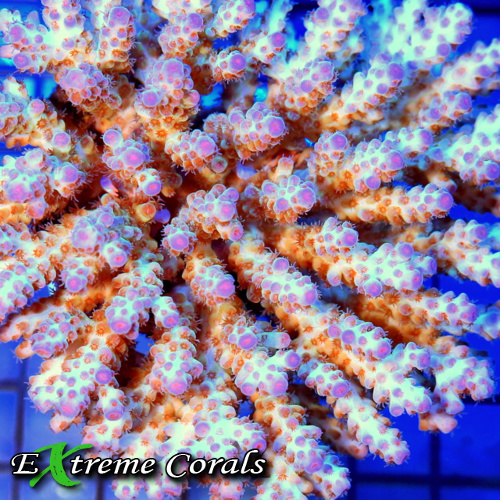
Exploring the Exquisite World of Acropora Corals: A Comprehensive Guide for Reef Aquarium Enthusiasts
Discover essential tips for keeping acropora corals in 'The Beginner's Guide to Keeping Acropora Corals: What You Need to Know'.
by Scott Shiles • May 02, 2024
Looking to buy Acropora corals? Browse our SPS corals for sale and explore high-end Acropora frags and colonies for your reef tank.
Acropora corals are considered the pinnacle of reef keeping, known for their vibrant colors, fast growth, and intricate branching structures. This complete Acropora care guide covers lighting, water flow, placement, feeding, and stability to help you successfully grow SPS corals in your reef aquarium.
Acropora are one of the most popular and diverse coral genera, with over 150 species found across tropical reefs worldwide :contentReference[oaicite:0]{index=0}. While they can be challenging, they are also one of the most rewarding corals to keep when proper conditions are maintained.
What Are Acropora Corals?
Acropora are small polyp stony (SPS) corals that form branching, tabling, or plating structures. In the wild, they are major reef builders and are typically found in shallow areas with strong light and water movement :contentReference[oaicite:1]{index=1}.
In reef tanks, they are often referred to as “sticks” due to their branching structure and are prized for their intense coloration and rapid growth.
Why Acropora Corals Are So Popular
- Extremely vibrant coloration under proper lighting
- Fast growth compared to many other corals
- Wide variety of species and designer morphs
- Ability to create full SPS-dominated reef structures
- Highly collectible among reef hobbyists
Many reef keepers consider keeping Acropora successfully a milestone in the hobby because of their higher care requirements :contentReference[oaicite:2]{index=2}.
Acropora Care Requirements
Lighting (Very Important)
Acropora require strong, stable lighting to maintain color and growth.
- High-intensity reef lighting is required
- Typical PAR range: 200–400+
- Too little light leads to browning
- Too much light too quickly causes bleaching
You can learn more about coral lighting to dial in your setup correctly.
Water Flow
Acropora require strong, turbulent flow to stay healthy.
- High, random flow is ideal
- Avoid direct blasting from powerheads
- Flow helps remove waste and deliver nutrients
Proper flow is critical—read our reef flow guide.
Water Parameters (Stability Is Everything)
Acropora are extremely sensitive to instability. Sudden swings are one of the main causes of coral loss.
- Temperature: 75–80°F
- Salinity: 1.025–1.026
- pH: 8.0–8.4
- Alkalinity: 7–9 dKH (stable is critical)
- Calcium: 400–450 ppm
- Magnesium: 1250–1400 ppm
- Nitrates: low but detectable
- Phosphates: low but not zero
Consistency matters more than perfection. Stable parameters lead to long-term success :contentReference[oaicite:3]{index=3}.
Acropora Placement in a Reef Tank
Placement is critical for both growth and coloration.
- Typically placed in the top to middle areas of the tank
- Requires strong light and flow exposure
- Allow space between colonies to prevent competition
Acropora can be aggressive toward other corals and even each other if they come into contact.
Tank Requirements for Acropora
- Mature tank (6–12+ months old recommended)
- Stable dosing system or regular supplementation
- Strong lighting system
- High-flow circulation setup
Most successful Acropora tanks are stable, mature systems with consistent maintenance routines :contentReference[oaicite:4]{index=4}.
Feeding Acropora Corals
Acropora primarily rely on photosynthesis but can benefit from supplemental feeding.
- Feed small planktonic foods or coral blends
- Optional 1–3 times per week
- Avoid overfeeding to prevent nutrient spikes
Feeding can improve coloration and growth when combined with proper lighting and stability.
Common Acropora Problems
- RTN/STN: Rapid or slow tissue loss from instability
- Browning: Caused by low light or excess nutrients
- Bleaching: From light shock or parameter swings
- Pests: Flatworms, red bugs, nudibranchs
Regular inspection and stable parameters are the best prevention methods.
Best Beginner Acropora Species
If you're new to SPS, start with more forgiving species:
- Acropora millepora
- Acropora valida (Green Slimer)
- Acropora tenuis
- Montipora (great stepping stone SPS)
Starting with hardy species improves success rates significantly.
Related Corals You May Also Like
If you're interested in Acropora, you may also want to explore other SPS and reef-building corals:
Ready to build an SPS reef? Browse our Acropora and SPS corals for sale and explore premium frags and colonies.
Shop Acropora Corals
Explore our WYSIWYG SPS corals and find vibrant Acropora ready for your reef tank.
Frequently Asked Questions
Q: Are Acropora corals good for beginners?
A: Acropora are best suited for intermediate to advanced reef keepers due to their need for stable conditions.
Q: Why are my Acropora turning brown?
A: Usually caused by low lighting or elevated nutrients.
Q: How much flow do Acropora need?
A: Strong, turbulent flow is essential for health and growth.
Q: How fast do Acropora grow?
A: Many species grow quickly under stable conditions.
Q: What is the most important factor for success?
A: Stability in alkalinity, nutrients, and overall water chemistry.
About the Author
Scott Shiles is the owner of ExtremeCorals.com, which he has operated for over 25 years and is recognized as one of the early dedicated live coral websites on the internet. A lifelong reef keeper since 1984, Scott has decades of hands-on experience maintaining marine aquariums and previously owned and operated a brick and mortar aquarium retail store for 10 years, including five years alongside Extreme Corals. He holds a degree in Marine Biology and has personally selected and sold hundreds of thousands of live corals. An avid scuba diver who has explored reef systems around the world, Scott shares practical coral care and husbandry knowledge based on real world reef experience.
overall rating:
my rating:
log in to rate
Please log in to leave a comment.
For more information visit: additional resources