My Cart: 0 item(s)

Extreme Corals News and Updates
Pagoda Cup Coral Care Guide: Lighting, Flow, Placement and Growth in Reef Tanks
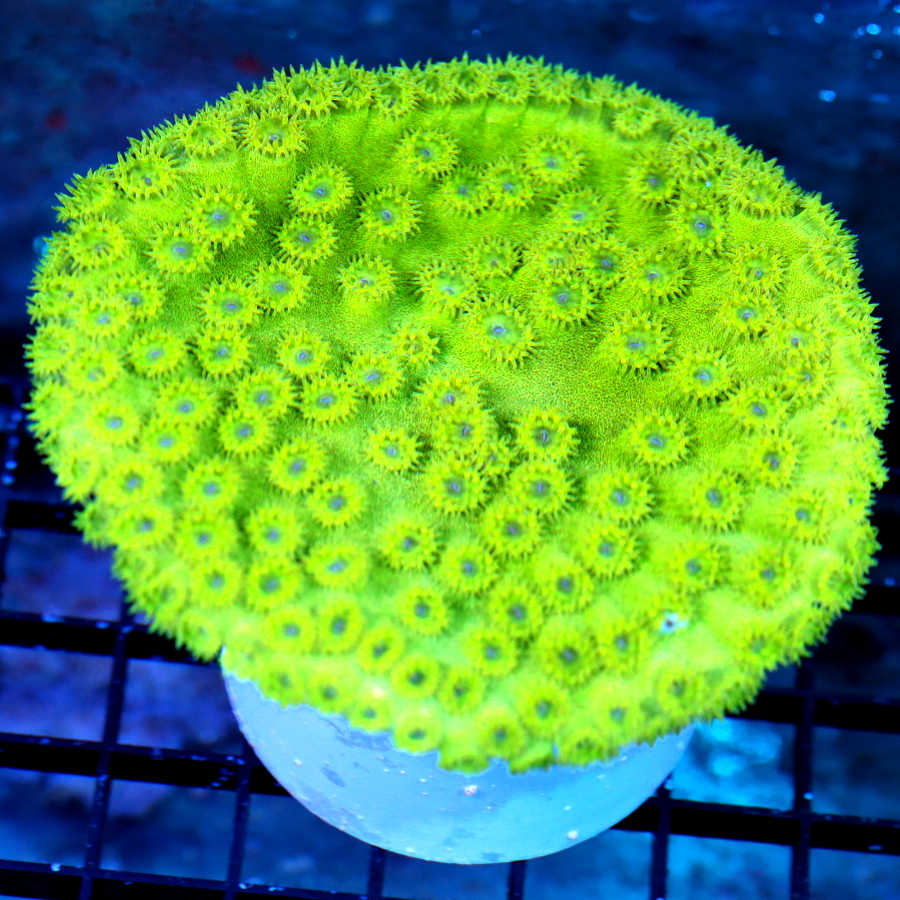
Learn how to care for Pagoda Cup Coral in a home reef aquarium with tips on lighting, water flow, feeding, placement, growth, and maintaining stable long-term coral health.
Learn how to care for Pagoda Cup Coral in a reef tank with guidance on lighting, flow, feeding, placement, water stability, and keeping Turbinaria healthy and growing.
by Scott Shiles • April 20, 2026
Pagoda Cup Coral is a distinctive and sculptural stony coral that adds height, texture, and a natural reef look to home aquariums. Commonly known as Turbinaria peltata, this coral is admired for its cup-like or scrolling growth pattern, textured surface, and subtle coloration. While it is not usually considered one of the most difficult corals to keep, it still depends on stable water quality, balanced lighting, proper flow, and thoughtful placement to do well over the long term. This guide explains the care requirements of Pagoda Cup Coral in home reef aquariums, including water parameters, feeding, growth, placement, and common issues to watch for.
For many reef keepers, Pagoda Cup Coral is appealing because it brings a different shape to the aquarium than many fleshy LPS corals or branching SPS species. Its layered, architectural growth can help fill vertical space in a reef tank while still remaining peaceful and manageable in a mixed reef setup.
Looking to add unique stony corals to your reef tank? Browse our LPS corals for sale and explore healthy corals for your aquarium.
Introduction to Pagoda Cup Coral
Pagoda Cup Coral, commonly known as Turbinaria peltata, is a colonial stony coral recognized for its cup- or plate-like growth form and textured surface. Covered in fleshy polyps, it commonly appears in green, tan, yellow, or brown shades, sometimes showing fluorescent highlights under actinic lighting.
This coral offers a moderate care challenge, which makes it a strong option for intermediate reef hobbyists. It is known for its peaceful temperament and sculptural appearance, helping add flow and height to reef aquascapes without the aggressive behavior seen in some other corals.
Natural Habitat and Wild Location
Pagoda Cup Corals are found throughout the Indo-Pacific region, including the Red Sea, Japan, Indonesia, and the Great Barrier Reef. In the wild, they grow on reef slopes, in lagoons, and in sheltered current zones where they attach to rocky substrates in shallower water with moderate light and flow.
This natural habitat helps explain why Pagoda Cup Coral usually does best in reef tanks with stable parameters, moderate lighting, and indirect water movement rather than harsh blasting flow.
Why Choose Pagoda Cup Coral for Your Reef Tank?
- Hardy and adaptable to a variety of tank conditions
- Unique architectural growth, from cups to scrolls
- Peaceful temperament that usually does not sting nearby corals
- Moderate growth that stays manageable in mixed reef tanks
Pagoda Cup Coral is especially useful for reef keepers who want to add a more vertical or plated structure to the tank without choosing a coral that becomes too aggressive or difficult to manage.
Optimal Water Parameters
Stable water parameters are important for Pagoda Cup Coral, especially if you want to maintain healthy tissue, steady growth, and good polyp extension.
- Temperature: 75-80°F
- Salinity: 1.024-1.026 SG
- pH: 8.1-8.4
- Alkalinity: 8-9 dKH
- Calcium: 400-450 ppm
- Magnesium: 1260-1350 ppm
- Nitrate: below 10 ppm
- Phosphate: below 0.10 ppm
Like many stony corals, Pagoda Cup Coral usually responds best to consistency rather than constant corrections. Regular testing and stable maintenance habits make a big difference in long-term health.
If you are working on chemistry stability, read our guide on pH and alkalinity in reef tanks.
Lighting Requirements
Pagoda Cup Coral usually thrives under moderate lighting. A practical target PAR range of about 150-250 often works well in reef aquariums.
- Lighting level: moderate
- PAR range: about 150-250
- Lighting systems: LED, T5, and hybrid systems can all work well
- Acclimation: avoid placing it directly under intense light without adjustment time
This coral can adapt to several lighting setups, but sudden exposure to stronger intensity can still create stress. Gradual acclimation is one of the safest ways to avoid problems.
If you want to understand reef lighting better, read our guide on reef tank lighting.
Water Flow and Circulation
Pagoda Cup Coral does best with moderate, indirect flow. Good circulation helps prevent detritus from settling on the coral while also keeping tissue healthier and better oxygenated.
- Use moderate indirect flow
- Avoid overly strong direct current
- Use varied currents when possible to mimic natural conditions
- Keep debris from collecting on the coral’s surface
Excessively strong flow can irritate the polyps or damage tissue, while too little movement may allow buildup that causes long-term problems. Balance is important.
If you want to learn more about circulation, read our guide on water flow and coral health.
Feeding and Nutrition
Pagoda Cup Coral is photosynthetic, but it also benefits from supplemental feeding. Regular feeding can help encourage polyp extension and support long-term growth.
- Feed 1-2 times weekly
- Use mysis shrimp, rotifers, marine snow, or powdered plankton foods
- Keep feedings moderate rather than excessive
- Watch the coral’s response and adjust carefully
Like many corals, Pagoda Cup Coral often does best with measured supplemental feeding that supports health without causing water quality problems.
Placement and Tank Setup
Pagoda Cup Coral is usually best placed in the middle to lower regions of the aquarium, where it has enough room to expand and grow without becoming crowded.
- Place it on ledges, rock islands, or open substrate areas with stable footing
- Allow room for horizontal expansion
- Choose a secure placement that prevents tipping or shifting
- Avoid crowding it with aggressive neighboring corals
Its plate- or cup-like growth form makes spacing especially important, since it may spread outward over time and shade or crowd nearby corals if not planned properly.
Growth and Propagation
Pagoda Cup Coral usually grows in plate or cup formations that can become increasingly dramatic as the colony matures. Its growth rate is moderate, which makes it easier to manage than some faster-spreading corals.
Propagation is possible by carefully cutting part of the skeletal base using coral cutters or a band saw. After fragging, the coral should be kept stable and low stress so it has time to recover and resume growth.
If you want to learn more about propagation, read our guide on how to frag corals.
Common Issues and How to Avoid Them
- Sediment buildup: Use proper flow and occasional gentle cleaning
- Tissue recession: Maintain stable parameters and avoid excessive direct flow
- Algae growth on skeleton: Keep nutrients controlled and perform regular maintenance
Most common issues with Pagoda Cup Coral are related to poor flow, unstable conditions, or maintenance lapses that allow debris and algae to accumulate.
Signs of Stress and Solutions
- Closed or retracted polyps: May result from excessive flow, light shock, or poor water quality
- Fading coloration: Consider slightly more frequent feeding and review light intensity
- Mucus production: Usually a response to stress or physical disturbance
If these signs appear, review recent changes in lighting, flow, maintenance, or water chemistry before making larger adjustments. Slow, careful corrections are usually better than abrupt ones.
How to Tell If Pagoda Cup Coral Is Healthy
- Polyps extend normally
- Color remains stable
- Tissue stays attached and full
- The surface remains relatively clean
- The coral appears settled and stable in its placement zone
A healthy Pagoda Cup Coral usually looks calm, well-expanded, and firmly established. Long-term retraction or obvious recession is often a sign that something in the environment needs to be addressed.
Best Tank Setup for Pagoda Cup Coral
Pagoda Cup Coral usually does best in reef tanks with:
- Stable water chemistry
- Moderate lighting
- Moderate indirect flow
- Room to expand outward
- Regular but controlled feeding
This makes it a strong choice for intermediate reef keepers who want a peaceful, structural coral that adds texture and height to a mixed reef aquarium.
Related Corals You May Also Like
If you are interested in Pagoda Cup Coral, you may also want to explore other unique stony corals and related reef tank guides:
- Browse LPS corals for sale
- Platygyra coral care guide
- Brain coral guide
- Lobophyllia coral care guide
- LPS corals overview
Ready to add a sculptural coral to your reef tank? Browse our LPS corals for sale and explore healthy additions for your aquarium.
Shop Pagoda Cup Coral and LPS Corals
Explore our WYSIWYG LPS corals, new arrival corals, and featured corals to build a more colorful reef tank.
Final Thoughts
Pagoda Cup Coral is a beautiful and distinctive stony coral that can thrive in a home reef aquarium when water parameters stay stable, flow is balanced, lighting is moderate, and feeding is consistent. With proper placement and regular care, it can become a peaceful and visually impressive part of a mixed reef setup for many years.
Frequently Asked Questions
Q: Is Pagoda Cup Coral beginner friendly?
A: It is usually better for intermediate hobbyists, though it can do well in a stable tank with proper care.
Q: What lighting does Pagoda Cup Coral need?
A: Moderate lighting is usually best, with a PAR range around 150-250.
Q: Does Pagoda Cup Coral need feeding?
A: Yes, supplemental feeding can help. Mysis shrimp, rotifers, marine snow, and powdered plankton foods are useful options.
Q: What flow is best for Pagoda Cup Coral?
A: Moderate indirect flow is usually ideal because it keeps the surface clean without irritating the polyps.
Q: Why is my Pagoda Cup Coral staying closed or fading?
A: Common causes include excessive flow, light shock, unstable water quality, or physical stress.
About the Author
Scott Shiles is the owner of ExtremeCorals.com, which he has operated for over 25 years and is recognized as one of the early dedicated live coral websites on the internet. A lifelong reef keeper since 1984, Scott has decades of hands-on experience maintaining marine aquariums and previously owned and operated a brick and mortar aquarium retail store for 10 years, including five years alongside Extreme Corals. He holds a degree in Marine Biology and has personally selected and sold hundreds of thousands of live corals. An avid scuba diver who has explored reef systems around the world, Scott shares practical coral care and husbandry knowledge based on real world reef experience.
overall rating:
my rating:
log in to rate
Please log in to leave a comment.
For more information visit: additional resources