My Cart: 0 item(s)

Extreme Corals News and Updates
Coral Behavior Explained: Feeding, Stress, Aggression and Reef Tank Interaction
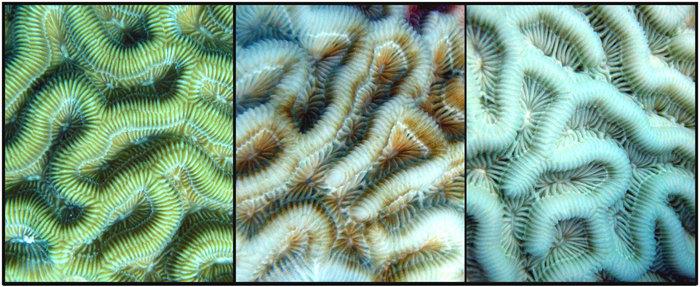
Learn how corals interact with their environment through feeding, symbiosis, aggression, stress responses, and adaptation in both natural reefs and home aquariums.
Learn how coral behavior works in reef tanks, including feeding, symbiosis, aggression, stress responses, and what these signs mean for coral placement and care.
by Scott Shiles • April 09, 2026
Corals may look calm and stationary, but they are constantly interacting with their environment through feeding, competition, symbiosis, and stress responses. In both natural reefs and home aquariums, coral behavior plays a huge role in survival, growth, and long-term health. This guide explains how corals interact with their environment, how they feed, how they compete, how they respond to stress, and how reef keepers can use this knowledge to make better decisions about coral placement and care.
For many reef hobbyists, understanding coral behavior is one of the biggest steps toward becoming better at reefkeeping. Corals are always giving signals through their tentacles, tissue, color, growth patterns, and overall posture in the tank. When you learn how to read those signals, it becomes much easier to create a more stable, healthier, and more natural reef aquarium.
Looking to build a healthier, more balanced reef tank? Browse our new arrival corals and choose species that fit your setup and care style.
The Dynamic World of Coral Behavior
At first glance, corals can seem like simple stationary organisms, but they are far more active and responsive than they appear. Corals engage in nutrient exchange, prey capture, space competition, and environmental adaptation every day. These interactions help shape both wild coral reefs and home reef aquariums.
In a reef tank, coral behavior affects everything from placement choices to lighting adjustments to flow patterns. Paying attention to these behaviors can help prevent stress, reduce aggression, and improve long-term coral health.
Feeding Behavior: How Corals Capture Nutrients
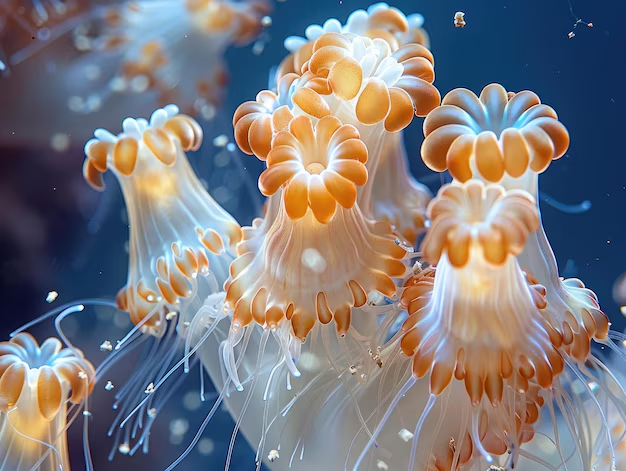
Corals feed in more than one way, which is one reason they are so adaptable in different reef environments. Most rely on a combination of photosynthesis and active feeding.
- Photosynthesis: Many corals depend heavily on symbiotic zooxanthellae algae living inside their tissues. These algae convert light into energy that the coral uses to survive and grow.
- Prey capture: Corals use tentacles and stinging cells called cnidocytes to catch plankton and microscopic prey drifting in the water.
- Dissolved nutrients: Corals can also absorb dissolved organic compounds from the water column.
This dual feeding strategy is one reason proper lighting, stable nutrients, and appropriate flow all matter so much in reef tanks.
Symbiosis: Corals Do Not Live Alone
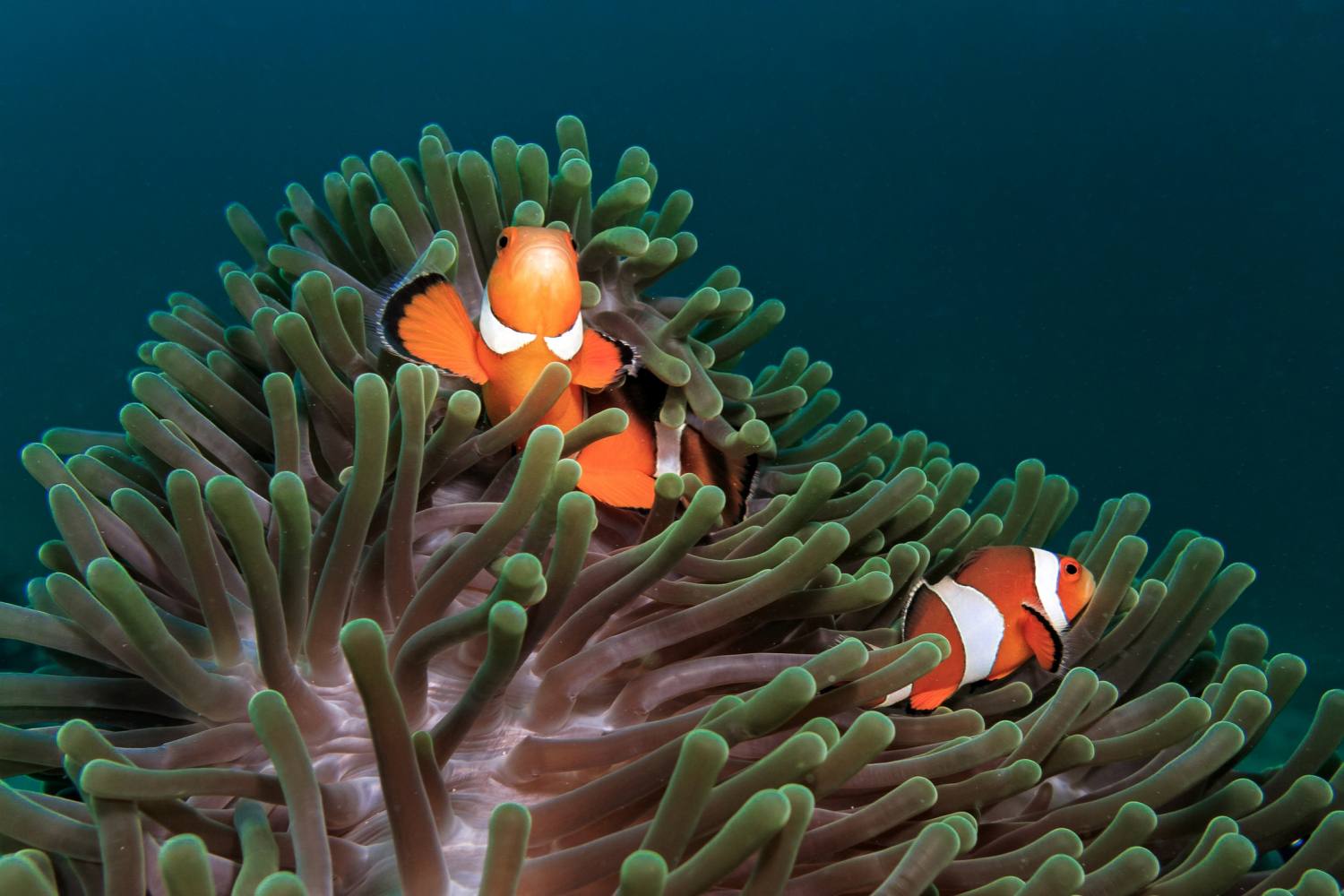
One of the most fascinating parts of coral behavior is symbiosis. Corals are not isolated organisms. They depend on relationships with other living things to survive and thrive.
- Zooxanthellae algae: This is the most important coral partnership. The algae receive shelter and access to light, while the coral receives nutrients produced through photosynthesis.
- Cleaner shrimp and gobies: Some reef animals help remove debris and parasites from coral surfaces.
- Reef fish: Fish that move around coral colonies can improve local circulation and nutrient delivery while also using the coral for shelter.
These interactions are a major reason why coral reefs function as complex ecosystems rather than collections of individual animals.
Aggression and Competition: Corals Fight for Space
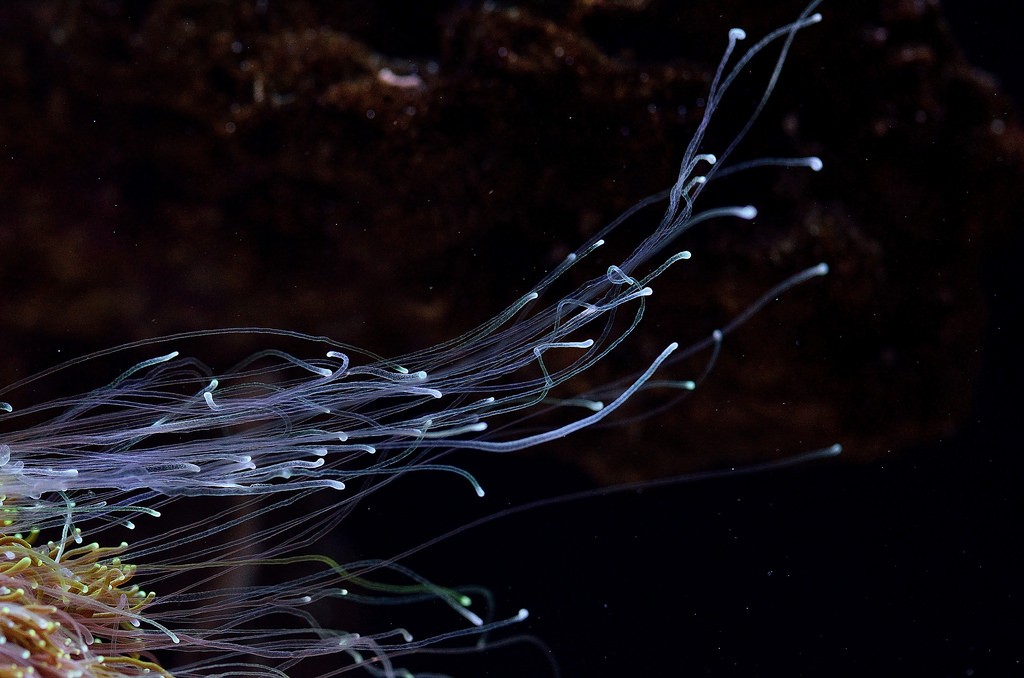
Corals are not passive when it comes to competition. In crowded reef environments, they use both physical and chemical strategies to defend their space.
- Sweeper tentacles: Some corals extend long stinging tentacles to attack nearby competitors. These can cause visible tissue damage to neighboring corals.
- Chemical warfare: Certain soft corals release allelopathic compounds into the water that can inhibit the growth of nearby species.
- Rapid overgrowth: Fast-spreading corals such as green star polyps or Xenia can outcompete slower corals by taking over rock and blocking light.
This is why coral placement matters so much in reef tanks. Corals do not just need room to look good. They need room to avoid harming each other.
How Corals Respond to Stress
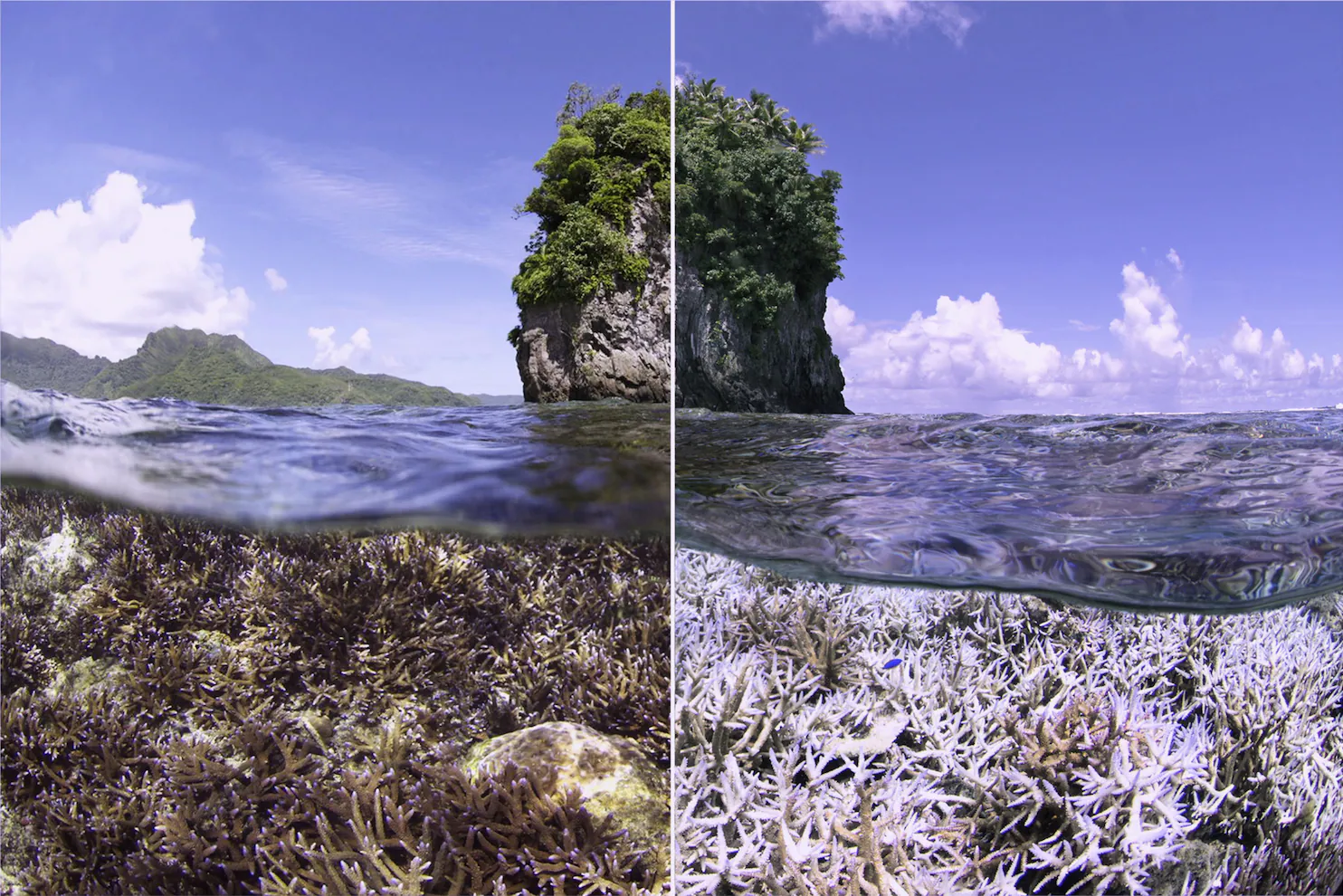
Corals show specific behaviors when they are stressed, and learning to recognize these signs can help reef keepers intervene before major damage happens.
- Bleaching: A coral under serious stress may expel its zooxanthellae and become pale or white.
- Polyp retraction: Corals often pull in their polyps when flow is too strong, water quality declines, or physical disturbance occurs.
- Slime shedding: Some soft corals release a mucus layer when irritated, stressed, or exposed to poor water conditions.
- Tissue recession: Flesh pulling back from the skeleton is a major warning sign that something is wrong.
These behaviors are not random. They are direct signals that the coral is reacting to something in the environment.
Why Coral Behavior Matters in a Reef Tank
Understanding coral behavior helps reef keepers make better decisions every day. It turns a tank from something you simply look at into something you can actively read and manage.
- Placement decisions: Knowing which corals are aggressive helps you avoid stings and competition.
- Flow adjustments: Watching polyp extension helps you judge whether circulation is too weak or too strong.
- Lighting corrections: Coral color and expansion can reveal whether lighting is appropriate.
- Early stress detection: Recognizing retraction, bleaching, or slime shedding early can prevent bigger problems.
In many cases, coral behavior tells you something is wrong before a test kit or major visible damage does.
How Different Coral Types Behave
Different groups of corals often show different behavioral patterns in the same tank.
Soft Corals
Soft corals often show movement, pulsing, or mucus shedding more visibly than stony corals. They can also compete chemically in mixed reefs.
LPS Corals
LPS corals often show dramatic feeding responses, fleshy expansion, and aggressive sweeper tentacles. Their behavior is usually easy to observe.
SPS Corals
SPS corals are often subtler behaviorally, but polyp extension, color, and growth tips can reveal a lot about their comfort level and water stability.
This is one reason mixed reef tanks need thoughtful planning. Different coral types do not interact with the environment in the same way.
Signs That a Coral Is Thriving
Healthy coral behavior usually includes several positive signals:
- Good polyp extension
- Strong, stable color
- Normal feeding response
- Steady growth over time
- Comfortable tissue inflation in fleshy species
Every species behaves a little differently, so it is important to learn what “normal” looks like for each coral in your tank rather than applying one standard to all of them.
Signs That a Coral Is Struggling
Behavioral warning signs are often the first clue that something is off in the tank.
- Retraction that lasts too long
- Pale or faded tissue
- Unusual slime production
- Weak feeding response
- Receding flesh or damaged tissue
- Aggressive contact from nearby corals
When these signs appear, it is worth reviewing flow, lighting, recent parameter changes, coral spacing, and water quality right away.
Best Ways to Support Natural Coral Behavior
If you want corals to behave naturally and stay healthier long term, focus on the fundamentals:
- Maintain stable water parameters
- Use lighting that matches the coral species
- Create appropriate flow zones
- Leave enough room between corals
- Feed thoughtfully when appropriate
- Watch daily for behavioral changes
The more closely a reef tank matches the needs of the coral, the more natural and healthy the coral’s behavior tends to be.
Related Reef Tank Topics You May Also Like
If you want to understand coral behavior more deeply, these related guides may also help:
- Coral health signs guide
- LPS vs SPS coral guide
- How to acclimate new corals
- Water flow and coral health
- Browse new arrival corals
Ready to observe coral behavior in your own reef tank? Browse our new arrival corals and build a more dynamic and balanced reef ecosystem.
Final Thoughts
Corals are far more dynamic than they first appear. They feed, compete, adapt, react to stress, and form partnerships with other organisms in ways that shape both wild reefs and home aquariums. Once you understand coral behavior, it becomes much easier to build a reef tank that supports healthier coral growth, better placement, and a more natural-looking environment.
Frequently Asked Questions
Q: Do corals really interact with their environment?
A: Yes. Corals feed, compete, respond to stress, form symbiotic relationships, and adjust their behavior based on light, flow, water quality, and nearby organisms.
Q: Why do some corals extend long tentacles at night?
A: Many corals extend feeding or sweeper tentacles to capture food or defend their space when nearby competition increases.
Q: What does it mean when a coral retracts its polyps?
A: Polyp retraction can be a stress signal caused by flow issues, poor water quality, pests, aggression, or physical disturbance.
Q: Can coral behavior help me care for my reef tank better?
A: Absolutely. Coral behavior often tells you when lighting, flow, placement, or water conditions need adjustment.
Q: Are corals aggressive toward each other?
A: Yes, many are. Some use sweeper tentacles, chemical warfare, or fast growth to compete for space and resources.
About the Author
Scott Shiles is the owner of ExtremeCorals.com, which he has operated for over 25 years and is recognized as one of the early dedicated live coral websites on the internet. A lifelong reef keeper since 1984, Scott has decades of hands-on experience maintaining marine aquariums and previously owned and operated a brick and mortar aquarium retail store for 10 years, including five years alongside Extreme Corals. He holds a degree in Marine Biology and has personally selected and sold hundreds of thousands of live corals. An avid scuba diver who has explored reef systems around the world, Scott shares practical coral care and husbandry knowledge based on real world reef experience.
overall rating:
my rating:
log in to rate
Please log in to leave a comment.
For more information visit: additional resources