My Cart: 0 item(s)

Extreme Corals News and Updates
Coral Symbiosis Explained for Reef Tanks: Why It Matters for Coral Health
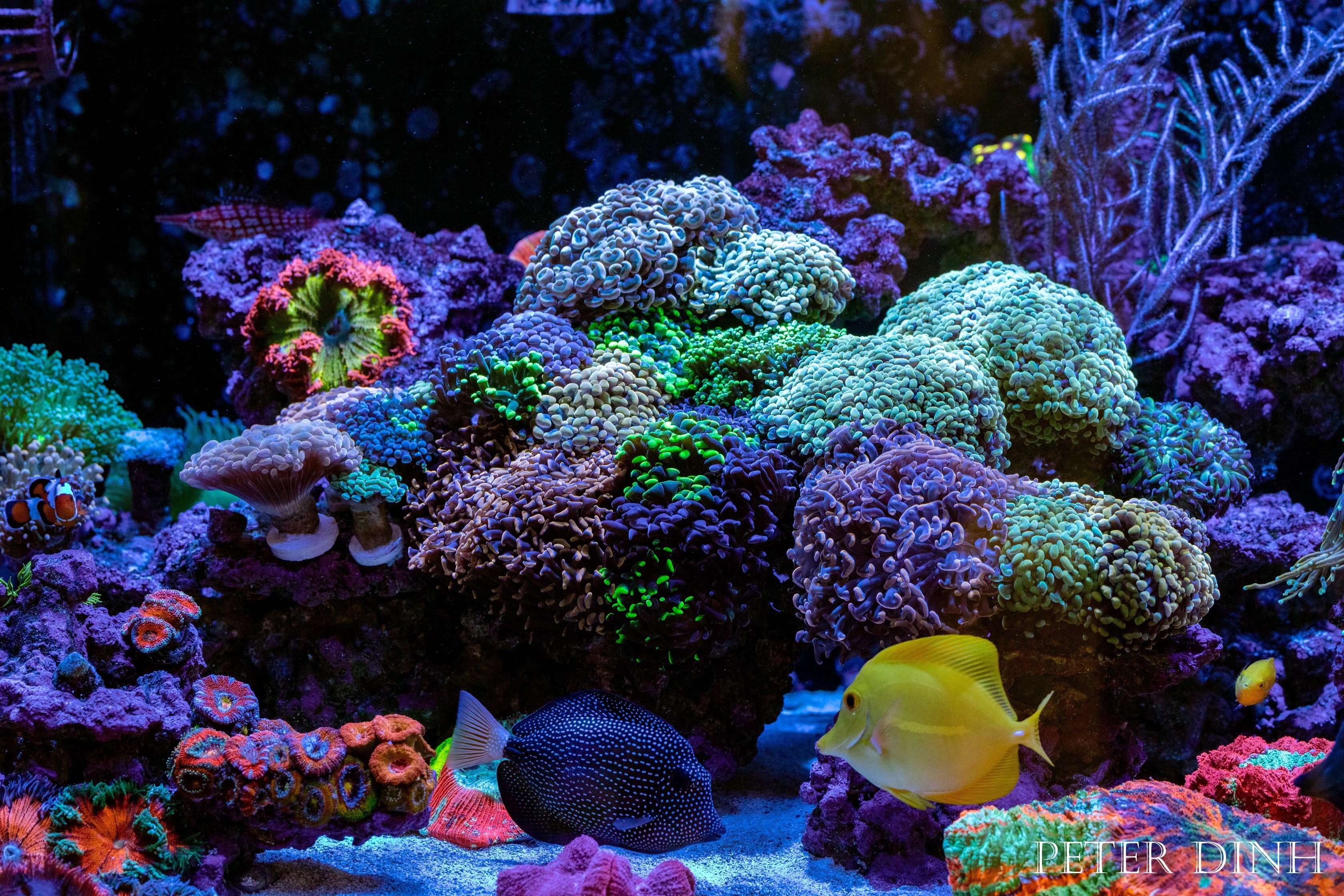
Harmony Below the Waves: Unraveling Coral Symbiosis in Reef Aquariums
Explore the vital nexus of coral symbiosis in reef aquariums: from mutualistic relationships to environmental challenges. Learn how to foster thriving ecosystems and ensure the health and diversity of your reef aquariums. Dive into expert insights now!
by Scott Shiles • February 21, 2024
Looking to keep healthier corals long term? Start with our coral care page and browse our featured corals for sale when you are ready to add new pieces to your reef tank.
Coral symbiosis is one of the most important foundations of reef tank success because it directly affects coral color, growth, feeding, stress tolerance, and long-term health. This guide explains how coral and beneficial algae work together, why this relationship matters in home aquariums, and what reef keepers can do to protect it through proper lighting, flow, water quality, and stability.
Many reef keepers focus on the visible side of coral care such as color, polyp extension, and growth, but those signs are closely tied to what is happening inside the coral itself. Corals are animals that depend on a delicate partnership with microscopic algae living in their tissues. When that relationship is strong, corals tend to look fuller, brighter, and more resilient. When it breaks down, health problems often follow quickly.
What Is Coral Symbiosis?
Coral symbiosis usually refers to the mutual relationship between coral polyps and photosynthetic algae commonly called zooxanthellae. These algae live inside the coral's tissues and produce energy through photosynthesis. In return, the coral provides the algae with shelter, carbon dioxide, and access to nutrients.
This relationship is one of the main reasons many reef-building corals can grow and thrive under proper reef tank lighting. It also helps explain why coral placement, light acclimation, nutrient balance, and water stability all matter so much in reef aquariums.
Why Coral Symbiosis Matters in a Reef Aquarium
In a home reef tank, coral symbiosis supports much more than just survival. It influences growth rate, coloration, tissue health, and how well a coral handles environmental stress. When the algae inside a coral are functioning properly, the coral can access a significant part of the energy it needs each day.
That is why reef keepers often see corals struggle after sudden lighting changes, unstable salinity, poor water quality, or temperature swings. Those stressors do not just irritate the coral on the surface. They can disrupt the internal balance between the coral host and its symbiotic algae.
How Corals and Zooxanthellae Work Together
Corals provide a protected environment for zooxanthellae, while the algae use light to create sugars and other compounds that support coral metabolism. This helps many corals build tissue and skeletal structure more efficiently than they could through feeding alone.
Even though this partnership is powerful, it does not replace good husbandry. Corals still depend on stable chemistry, appropriate feeding conditions, and proper water movement. If you want to better understand one major part of this equation, read how lighting affects coral growth.
Symbiosis, Lighting, and Coral Placement
Because zooxanthellae depend on light, lighting is one of the biggest factors affecting coral symbiosis in reef aquariums. Too little light can reduce photosynthetic efficiency and weaken coral performance over time. Too much light too quickly can overwhelm the coral-algae relationship and contribute to stress, bleaching, or tissue damage.
This is why careful placement and light acclimation are so important. Different corals have different tolerance levels, and the best results usually come from matching the coral to the correct zone in the aquarium rather than forcing every coral into the brightest area.
Modern reef lighting gives hobbyists much more control than ever, but that control works best when changes are gradual. Stronger settings do not always mean healthier corals.
Why Water Flow Supports Coral Symbiosis
Flow is another major part of maintaining a healthy symbiotic relationship. Good water movement helps bring oxygen and nutrients to the coral surface while removing waste and preventing debris from settling on tissue. It also supports gas exchange and helps many corals maintain better extension throughout the day.
Poor flow can create stress even when lighting looks correct on paper. Dead spots, detritus buildup, and weak circulation can make it harder for corals to stay clean and function efficiently. Learn more about coral movement and circulation in our reef flow guide.
Signs Coral Symbiosis May Be Under Stress
When the coral-algae partnership is stressed, reef keepers often notice visible warning signs. These can include fading color, reduced polyp extension, slowed growth, tissue recession, or outright bleaching. In many cases, the coral is reacting to instability rather than a single obvious cause.
Common stress triggers include:
- Sudden temperature changes
- Rapid salinity swings
- Overly aggressive lighting changes
- Very low or excessively high nutrient levels
- Poor water flow
- Unstable alkalinity or pH
- Accumulated waste and declining water quality
Because several different problems can create similar symptoms, stable reef keeping habits are usually more effective than chasing quick fixes.
Water Quality and Nutrient Balance
Healthy coral symbiosis depends on more than clear water. Corals need stable salinity, temperature, alkalinity, and nutrient conditions to support both the coral animal and the algae living within it. Systems that swing back and forth tend to produce more stress than systems that remain steady in a reasonable range.
Testing and consistency matter here. If you want to learn more about the chemistry side of reef stability, read our guide to pH and alkalinity in reef tanks.
Coral Symbiosis and Reef Tank Diversity
Understanding coral symbiosis also helps reef keepers build better mixed reefs. Different coral groups respond differently to light intensity, flow, nutrient availability, and placement. A tank with thoughtful coral selection and placement is more likely to remain balanced than one filled without a plan.
If you are comparing coral groups for your system, read our overview of coral types and care guidelines. You can also explore LPS corals for sale, SPS corals for sale, zoanthids for sale, and Ricordia mushrooms to match coral choices to your tank's conditions and experience level.
How to Protect Coral Symbiosis in a Home Aquarium
The best way to protect coral symbiosis is to build your reef tank around stability. That means choosing appropriate lighting, maintaining consistent flow, testing water regularly, avoiding sudden changes, and acclimating new corals carefully.
Strong reef husbandry usually includes:
- Slow light acclimation for new corals
- Stable temperature and salinity
- Regular testing of alkalinity and nutrients
- Consistent maintenance and filtration
- Coral placement based on species needs
- Observation of color, extension, and tissue condition
These practices do not just improve appearance. They help preserve the internal biological relationship that makes coral health possible.
Coral Symbiosis and Long-Term Reef Success
Many reef tank problems look different on the surface but trace back to the same issue: the coral is under stress and its natural symbiosis is no longer functioning efficiently. Reef keepers who understand this usually make better decisions about lighting, maintenance, placement, and stocking.
Instead of viewing coral care as a list of isolated tasks, it helps to see the aquarium as a connected system. Healthy coral symbiosis is one of the clearest examples of how reef stability, equipment choices, and day-to-day husbandry all work together.
Shop Healthy Corals for Your Reef Tank
Looking to add new pieces to your system? Browse our new arrival corals, new coral frags, and new coral colonies to find WYSIWYG corals for your reef aquarium. Starting with healthy corals and placing them correctly is one of the best ways to support strong long-term performance.
Frequently Asked Questions
Q: What is coral symbiosis?
A: Coral symbiosis is the beneficial relationship between coral polyps and photosynthetic algae living within their tissues, where both organisms help support each other.
Q: Why is coral symbiosis important in a reef tank?
A: It plays a major role in coral energy production, coloration, growth, and overall health, which is why stable reef conditions matter so much.
Q: Can poor lighting disrupt coral symbiosis?
A: Yes. Too little light can reduce photosynthetic support, while too much light too quickly can stress corals and contribute to bleaching.
Q: How does water flow help coral health?
A: Proper flow helps deliver oxygen and nutrients, removes waste, and supports cleaner, healthier coral tissue.
Q: What are signs that coral symbiosis is under stress?
A: Common signs include fading color, reduced extension, slow growth, tissue recession, and bleaching.
About the Author
Scott Shiles is the owner of ExtremeCorals.com, which he has operated for over 25 years and is recognized as one of the early dedicated live coral websites on the internet. A lifelong reef keeper since 1984, Scott has decades of hands-on experience maintaining marine aquariums and previously owned and operated a brick and mortar aquarium retail store for 10 years, including five years alongside Extreme Corals. He holds a degree in Marine Biology and has personally selected and sold hundreds of thousands of live corals. An avid scuba diver who has explored reef systems around the world, Scott shares practical coral care and husbandry knowledge based on real world reef experience.
overall rating:
my rating:
log in to rate
Please log in to leave a comment.
For more information visit: additional resources