My Cart: 0 item(s)

Extreme Corals News and Updates
Extreme Corals Reef Tank Setup Guide: Build a Thriving Coral Ecosystem at Home
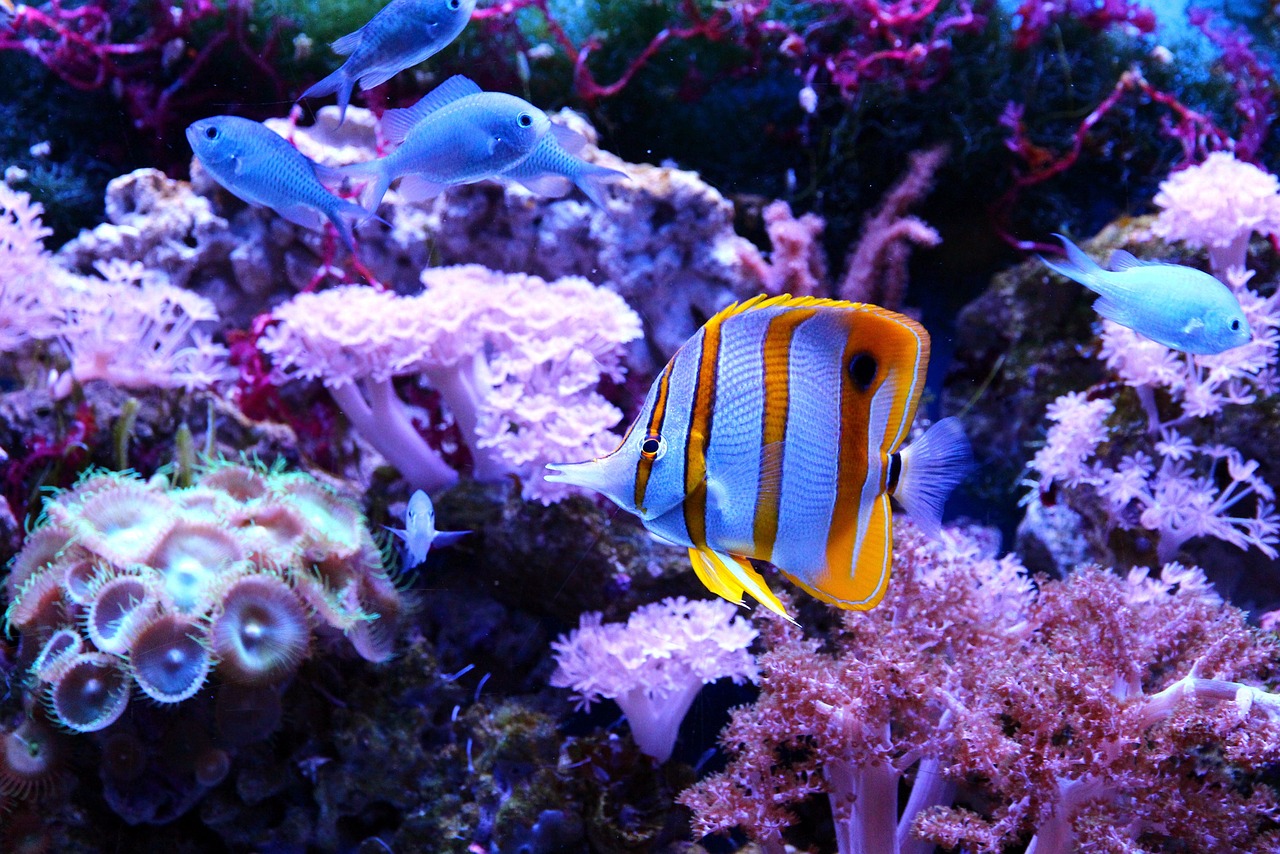
Learn how to build a healthier reef aquarium with the right tank setup, equipment, water quality, beginner corals, reef-safe fish, maintenance habits, and long-term sustainability.
Learn how to build a thriving reef tank with proper setup, filtration, lighting, water parameters, beginner corals, reef-safe fish, maintenance, and sustainable reefkeeping tips.
by Scott Shiles • May 08, 2026
Reef Tank Maintenance, Reef Tank Equipment, All Corals
Building a thriving coral ecosystem in a home aquarium starts with understanding that a reef tank is more than a glass box filled with saltwater. It is a living system made up of corals, fish, invertebrates, bacteria, live rock, lighting, flow, filtration, and stable water chemistry. When these parts work together, the aquarium becomes healthier, more colorful, and easier to maintain over time.
Many reef tank problems come from rushing the setup, adding livestock too quickly, using weak equipment, or ignoring basic water stability. A successful reef aquarium is built in stages. The tank needs time to cycle, the aquarist needs time to learn the system, and corals need consistent conditions before they can grow well.
At Extreme Corals, we have worked with reef keepers at every level, from beginners setting up their first saltwater aquarium to experienced hobbyists building advanced coral displays. This guide explains how to build a stronger reef tank ecosystem, including tank setup, equipment, water quality, beginner corals, reef-safe fish, maintenance habits, sustainability, and long-term coral success.
Start With the Right Reef Tank Mindset
A reef aquarium is different from a simple freshwater tank or fish-only saltwater setup because corals depend on stable chemistry, proper light, water movement, and biological balance. The goal is not only to keep animals alive. The goal is to create a stable environment where corals can open, feed, grow, and recover from normal stress.
A strong reef tank mindset includes:
- Building slowly instead of rushing livestock additions
- Testing water regularly instead of guessing
- Choosing corals that match your tank and experience level
- Maintaining stable parameters rather than chasing perfect numbers
- Using quality source water and reliable equipment
- Observing coral behavior every day
The best reef keepers are patient. They understand that stability develops over time and that every change in the tank can affect the entire ecosystem.
Choosing the Right Tank Size and Shape
Tank size matters because larger water volume usually provides more stability. In a small aquarium, salinity, temperature, nutrients, and alkalinity can change quickly. In a larger aquarium, those changes often happen more slowly, giving the aquarist more time to correct problems.
That does not mean small reef tanks cannot succeed. Nano reefs can be beautiful, but they require consistent maintenance, careful feeding, and close attention to evaporation and water chemistry.
Good reef tank planning should consider:
- Available space in the room
- Budget for equipment and livestock
- Ease of maintenance and water changes
- Lighting coverage from end to end
- Flow patterns around rockwork
- Long-term coral growth and spacing
A tank that is easy to access, clean, and maintain will usually perform better than a tank that looks impressive but is difficult to service.
Filtration and Circulation
Filtration helps remove waste, support water clarity, and maintain a healthier environment for corals and fish. Water circulation keeps oxygen moving, prevents dead spots, delivers nutrients to corals, and carries waste away from coral tissue.
Important reef tank filtration and circulation equipment may include:
- Protein skimmer: Helps remove dissolved organic waste before it breaks down.
- Sump: Adds water volume and provides space for equipment.
- Mechanical filtration: Removes particles from the water column.
- Biological filtration: Uses live rock, media, and bacteria to process waste.
- Powerheads or wavemakers: Create water movement throughout the aquarium.
- Return pump: Moves water from the sump back into the display tank.
Flow should match the corals you plan to keep. Soft corals and many LPS corals often prefer low to moderate or moderate indirect flow, while SPS corals usually need stronger, more random flow. Poor flow can allow detritus to collect, while excessive direct flow can damage fleshy coral tissue.
Lighting for Coral Growth
Lighting is one of the most important pieces of reef tank equipment because many corals rely on photosynthesis for energy. Reef lighting should provide the right spectrum, intensity, and photoperiod for the corals in the tank.
LED reef lights are popular because they are adjustable, efficient, and capable of supporting many coral types when used properly. The key is not simply buying a powerful light. The key is matching intensity and placement to the corals you keep.
General lighting guidance includes:
- Soft corals: Often do well in low to moderate lighting.
- Zoanthids and mushrooms: Usually do well in moderate or lower-light areas depending on variety.
- LPS corals: Often prefer moderate lighting with gradual acclimation.
- SPS corals: Usually need stronger lighting and very stable water chemistry.
Avoid sudden lighting changes. Corals can bleach, shrink, or lose color when moved too quickly into stronger light. A gradual acclimation period is safer for new corals and established colonies.
Temperature and Salinity Control
Stable temperature and salinity are two of the foundations of reef tank success. Corals can often tolerate small differences between aquariums, but they do not respond well to constant swings.
A good reef aquarium should include:
- A reliable heater
- A thermometer or temperature controller
- An auto top-off system to replace evaporated water
- A refractometer or accurate salinity testing tool
- Consistent use of high-quality saltwater or mixed salt
Evaporation removes freshwater but leaves salt behind, which can raise salinity if not corrected. An auto top-off system helps keep salinity stable by replacing evaporated water with fresh RO/DI water.
Best Water Parameters for a Reef Tank
Water chemistry affects coral health, color, growth, feeding response, and long-term stability. The exact ideal range can vary by system and coral type, but most mixed reef aquariums do best with stable parameters near common reef ranges.
| Parameter | Recommended Range |
|---|---|
| Temperature | 76-80°F |
| Salinity | 1.024-1.026 specific gravity |
| pH | 8.1-8.4 |
| Alkalinity | 8-10 dKH |
| Calcium | 400-450 ppm |
| Magnesium | 1250-1350 ppm |
| Nitrate | 5-15 ppm for many mixed reefs |
| Phosphate | 0.03-0.10 ppm for many mixed reefs |
Regular testing is important. Monitor salinity, temperature, alkalinity, nitrate, phosphate, calcium, and magnesium consistently. Ammonia and nitrite should be zero in a cycled reef tank. If parameters move too quickly, slow down and correct the cause instead of making large sudden adjustments.
Use Clean Source Water
One of the simplest ways to avoid reef tank problems is to start with clean source water. Tap water can contain chlorine, chloramine, copper, nitrate, phosphate, silicates, and other contaminants that may contribute to algae issues or coral stress.
RO/DI water is the preferred source water for most reef aquariums because it removes unwanted impurities before salt mix is added. Using clean water for mixing saltwater and topping off evaporation gives the tank a stronger foundation.
Cycling the Aquarium Before Adding Corals
A reef tank should be fully cycled before corals are added. During the cycle, beneficial bacteria establish themselves and begin converting waste into less harmful compounds. Adding corals before the biological filter is ready can lead to stress, tissue loss, and livestock losses.
Before adding corals, the tank should have:
- No detectable ammonia
- No detectable nitrite
- Stable salinity and temperature
- Consistent basic maintenance
- Lighting and flow already running properly
- A plan for water testing and water changes
Patience during the early stage saves money and frustration later. A reef tank that is allowed to mature slowly is usually easier to manage long term.
Suitable Corals for Beginners
Beginner reef keepers should start with corals that are hardy, adaptable, and appropriate for a young but stable reef tank. The goal is early success, not adding the most difficult coral first.
Good beginner coral choices often include:
- Mushroom corals: Hardy, colorful, and often comfortable in lower light and lower flow.
- Zoanthids: Colorful colonial polyps that can grow into bright zoa gardens.
- Leather corals: Durable soft corals that add structure and movement.
- Green Star Polyps: Fast-growing and hardy when placed where spread can be controlled.
- Some LPS corals: Duncan, Candy Cane, Blastomussa, and some Favia can work well in stable beginner tanks.
Beginners should avoid difficult SPS corals and delicate showpiece corals until the tank is mature and the aquarist understands lighting, flow, nutrient control, and alkalinity stability.
Popular Reef-Safe Fish
Fish bring movement, personality, and nutrients to a reef tank, but the wrong fish can nip corals, harass tank mates, or outgrow the aquarium. Reef-safe fish should be chosen based on tank size, temperament, diet, and compatibility with corals.
Popular reef-safe fish often include:
- Clownfish: Hardy, adaptable, and popular for beginner reef tanks.
- Royal Gramma: Colorful, generally peaceful, and well suited to many reef aquariums.
- Firefish: Peaceful, colorful, and best kept with calm tank mates.
- Gobies: Many species stay small and work well in reef tanks.
- Blennies: Useful and interesting fish, with some species helping graze algae.
- Peaceful wrasses: Some species can help manage pests, though compatibility depends on the species.
Add fish slowly. Overloading the tank too quickly can increase waste, raise nutrients, and destabilize the system before filtration and maintenance routines are ready.
Cleanup Crew and Invertebrates
A cleanup crew can help manage algae, leftover food, and detritus, but it should not be used as a replacement for good maintenance. Snails, hermit crabs, shrimp, and other invertebrates all have different jobs and compatibility concerns.
Helpful cleanup crew options may include:
- Trochus snails for algae grazing
- Nassarius snails for sandbed scavenging
- Cerith snails for film algae and detritus
- Scarlet hermit crabs for scavenging
- Cleaner shrimp for visual interest and scavenging
- Sand-sifting invertebrates only in tanks that can support them
Do not add too many cleanup crew animals at once. If the tank cannot provide enough food, they may starve. Add them based on the actual needs of the aquarium.
Best Equipment for Reef Tanks
Reef tanks do not need every expensive gadget to succeed, but reliable equipment makes stability easier. The best equipment choices depend on tank size, livestock goals, and coral types.
Lighting
LED lights are popular because they are efficient, adjustable, and capable of supporting many coral types. Choose lights that provide enough coverage and intensity for the corals you plan to keep.
Filtration
Protein skimmers, sumps, filter socks, filter cups, media baskets, and biological filtration can all help maintain water quality. The system should be easy enough to clean regularly.
Water Circulation
Powerheads and wavemakers help prevent dead spots and keep oxygen, nutrients, and waste moving. Flow should be adjusted based on coral response.
Test Kits
Quality test kits are essential for monitoring alkalinity, nitrate, phosphate, calcium, magnesium, salinity, and other important values. Testing helps you see trends before problems become serious.
Auto Top-Off
An auto top-off system helps keep salinity stable by replacing evaporated freshwater. This is one of the most useful pieces of equipment for long-term reef stability.
Short-Term Reef Tank Success Habits
Short-term success comes from reducing stress and creating predictable conditions for new livestock. Every new coral or fish should be introduced carefully.
Important short-term habits include:
- Properly acclimate new livestock.
- Inspect new corals before adding them to the display.
- Dip corals when appropriate and follow product directions.
- Quarantine fish when possible.
- Keep lighting moderate for new corals at first.
- Avoid adding too many animals at once.
- Perform regular water changes and remove detritus.
The first few months of a reef tank are about stability and learning. A clean, steady routine will do more for success than constant changes.
Long-Term Reef Tank Sustainability
Long-term reefkeeping is about keeping the system healthy year after year. That requires good maintenance, responsible livestock choices, sustainable coral sourcing, and patience.
Strong long-term practices include:
- Support aquacultured corals and responsible coral vendors.
- Choose captive-bred fish when appropriate and available.
- Learn coral compatibility before buying.
- Propagate corals when colonies grow large enough.
- Avoid livestock that will outgrow the tank.
- Minimize chemical quick fixes and focus on root causes.
- Share responsible reefkeeping information with other hobbyists.
A sustainable reef tank is not just better for the animals. It is also better for the hobbyist because healthier systems are less stressful, less wasteful, and more rewarding.
Common Beginner Reef Tank Mistakes
Most beginner mistakes come from moving too fast or skipping basic testing and maintenance. These problems are common, but they are avoidable.
- Adding corals before the tank is stable
- Using tap water instead of RO/DI water
- Adding too many fish too quickly
- Overfeeding fish and corals
- Ignoring alkalinity and salinity stability
- Buying corals based only on color
- Placing corals too close together
- Changing lights too quickly
- Not researching fish compatibility
Avoiding these mistakes gives your reef tank a much stronger chance of becoming stable, attractive, and easier to maintain.
How to Know Your Reef Tank Is Thriving
A thriving reef tank shows signs of balance. Corals open consistently, fish behave normally, algae is manageable, and water parameters remain steady without constant emergency corrections.
Positive signs include:
- Corals opening regularly
- Stable color and gradual coral growth
- Fish eating well and behaving normally
- Manageable algae levels
- No ammonia or nitrite
- Stable salinity, temperature, and alkalinity
- Consistent maintenance routine
A reef tank does not need to look perfect every day to be successful. It needs to be stable, improving, and managed with patience.
Related Corals You May Also Like
If you are building a reef tank ecosystem, these coral categories and care resources can help you choose livestock that fits your tank and experience level:
- New Arrival Corals - Browse recently added corals for your reef aquarium.
- Soft Corals - Explore hardy beginner-friendly corals with movement and texture.
- Zoanthids - Add bright color and colony growth to your reef tank.
- Mushroom Corals - Choose hardy corals for lower-light and lower-flow areas.
- LPS Corals - Browse fleshy stony corals with color, feeding response, and showpiece appeal.
- Coral Care Guides - Review coral care information for LPS, SPS, soft corals, mushrooms, and zoanthids.
- How to Maintain Your Saltwater Aquarium - Learn maintenance habits that support long-term reef health.
Shop Corals for a Thriving Reef Tank
Creating and maintaining a successful reef tank involves understanding the needs of the animals, choosing the right equipment, maintaining stable water quality, and making informed livestock choices. When those pieces come together, a reef aquarium can become a beautiful, living ecosystem that continues to grow and improve over time.
Browse new arrival corals, soft corals, zoanthids, LPS corals, and Scott's Handpicked Corals at ExtremeCorals.com to find healthy corals that match your reef tank and long-term goals.
Frequently Asked Questions About Building a Reef Tank Ecosystem
What is the most important part of a successful reef tank?
Stability is the most important part of a successful reef tank. Stable salinity, temperature, alkalinity, nutrients, lighting, and flow help corals adjust, grow, and stay healthy over time.
What tank size is best for a beginner reef aquarium?
Many beginners do well with a medium-sized tank because it provides more stable water volume than a very small nano tank while still being manageable for maintenance and equipment costs.
What corals are best for beginners?
Good beginner corals often include mushrooms, zoanthids, leather corals, Green Star Polyps, Duncan Coral, Candy Cane Coral, Blastomussa, and some hardy Favia or Favites corals in stable tanks.
Do reef tanks need special lighting?
Yes. Corals need reef-capable lighting that supports photosynthesis. The correct intensity depends on the coral type, with soft corals usually needing less light than many SPS corals.
Why is RO/DI water important for reef tanks?
RO/DI water helps remove unwanted contaminants from source water. This reduces the risk of algae problems, nutrient issues, and harmful substances entering the aquarium.
How often should I test reef tank water?
New reef tanks should be tested frequently while they stabilize. Established tanks still need regular testing for salinity, alkalinity, nitrate, phosphate, calcium, magnesium, and temperature.
Can beginners keep reef-safe fish and corals together?
Yes. Beginners can keep reef-safe fish and beginner-friendly corals together if the tank is cycled, livestock is added slowly, water quality is stable, and fish are compatible with corals.
How do I make my reef tank more sustainable?
Choose aquacultured corals, captive-bred fish when possible, responsible vendors, proper quarantine and acclimation habits, and livestock that matches your aquarium size and care ability.
About the Author
Scott Shiles is the owner of ExtremeCorals.com, which he has operated for over 25 years and is recognized as one of the early dedicated live coral websites on the internet. A lifelong reef keeper since 1984, Scott has decades of hands-on experience maintaining marine aquariums and previously owned and operated a brick and mortar aquarium retail store for 10 years, including five years alongside Extreme Corals. He holds a degree in Marine Biology and has personally selected and sold hundreds of thousands of live corals. An avid scuba diver who has explored reef systems around the world, Scott shares practical coral care and husbandry knowledge based on real world reef experience.
overall rating:
my rating:
log in to rate
Please log in to leave a comment.
For more information visit: additional resources