My Cart: 0 item(s)

Extreme Corals News and Updates
Advanced Coral Care for Rare and Exotic Species in Reef Tanks
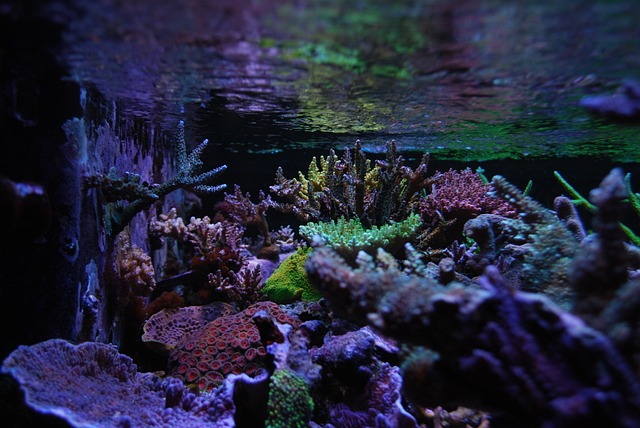
Learn how to care for rare and exotic corals with advanced reef tank techniques for water quality, lighting, flow, acclimation, feeding, disease prevention, and propagation.
Learn advanced coral care techniques for rare and exotic reef tank species, including lighting, flow, acclimation, disease prevention, propagation, and water quality.
by Scott Shiles • May 08, 2026
Rare and exotic corals can be some of the most rewarding corals to keep, but they usually demand more precision, more stability, and more discipline than common beginner-friendly species. These corals often react quickly to shifts in water quality, lighting, nutrients, and handling, which is why advanced coral care depends on consistency, research, and a carefully managed reef environment. This guide covers advanced coral care techniques for nurturing rare and exotic coral species in a reef tank, including water quality management, lighting, flow, feeding, acclimation, disease prevention, monitoring, and propagation.
Many reef hobbyists are drawn to rare and exotic corals because of their unusual colors, uncommon growth forms, or collector appeal. But the truth is that rarity often comes with higher sensitivity. These corals usually reward careful husbandry and punish instability. Success does not come from just buying better livestock. It comes from creating a system that can consistently support more demanding species over time.
Looking to add exceptional corals to your reef tank? Browse our new arrival corals and explore standout additions for your aquarium.
Why Advanced Coral Care Matters
Rare and exotic coral species are often less forgiving than common reef tank corals. They may require stronger stability, more targeted placement, closer nutrient control, and more careful acclimation than hardy soft corals or beginner LPS corals.
- Delicate species often react poorly to instability
- Collector corals may have more specialized needs
- Advanced care helps preserve color, tissue health, and long-term growth
- Better husbandry reduces losses and supports responsible reefkeeping
Good advanced coral care is not just about keeping rare corals alive. It is about creating an environment where they can actually thrive.
Understanding Rare and Exotic Coral Species
Rare and exotic coral species often demand a more species-specific approach than beginner corals. That means you should not assume one advanced coral can be treated exactly like another just because both are expensive or visually impressive.
- Research and identification: know the species or at least its general care group
- Water quality management: match the coral to the chemistry demands of your tank
- Lighting and flow: tailor placement to the coral’s real needs, not guesses
- Feeding and supplementation: understand whether the coral benefits from direct nutrition
- Ecosystem integration: consider aggression, chemical warfare, and shading risk
The more unusual the coral, the more important it is to avoid lazy assumptions and generic care advice.
Create the Right Environment Before You Buy
One of the biggest mistakes hobbyists make with rare corals is buying them before the aquarium is ready. Advanced corals do not usually thrive in unstable or immature tanks, even when the equipment looks impressive.
Before buying rare or exotic species, make sure your tank has:
- Stable temperature and salinity
- Predictable alkalinity, calcium, and magnesium
- Appropriate nutrient control
- Reliable lighting and flow patterns
- Enough space for safe placement and future growth
It is much easier to keep rare corals healthy in a system already designed for their needs than to try to force the system to adapt after they arrive.
Water Quality Management for Delicate Corals
Water quality is one of the most important foundations of advanced coral care. Rare and exotic corals often respond poorly to sudden changes, even when the test numbers look “acceptable” on paper.
That means paying close attention to:
- Temperature stability
- Salinity consistency
- pH stability
- Alkalinity consistency
- Calcium and magnesium support
- Nutrient balance without major swings
Advanced coral systems usually perform best when they are built around stability rather than constant correction. A stable reef tank with disciplined maintenance will usually outperform a tank with dramatic chemistry swings and reactive dosing.
If you want to review water chemistry basics, visit our coral care guide.
Lighting and Flow for Rare Corals
Advanced coral care depends heavily on matching each coral to the right lighting and flow. Rare corals are often expensive enough that guessing is a bad strategy.
Key lighting and flow principles include:
- Provide appropriate lighting intensity for the coral type
- Use lighting spectrum and schedule that support color and growth
- Match water movement to tissue type and natural growth form
- Avoid exposing new rare corals to sudden changes in either light or flow
Lighting matters because photosynthesis is a major energy source for many corals. Flow matters because it affects nutrient delivery, waste removal, oxygen exchange, and surface cleanliness. Rare corals often suffer quickly when either one is wrong.
If you want to learn more, read our guides on reef tank lighting and reef tank maintenance.
Advanced Techniques for Coral Nourishment
Many rare and exotic corals benefit from a more intentional approach to coral nutrition. While some are strongly photosynthetic, others do best when the aquarist also supports them with targeted feeding or system-wide nutrient balance.
- Use coral foods that match the coral’s feeding style
- Feed lightly and consistently instead of heavily and unpredictably
- Consider precise dosing of supplements when appropriate
- Use dosing pumps and automated systems carefully if needed
Advanced coral nourishment is not just about adding food. It is about delivering the right nutrients without destabilizing the water. A coral that receives perfect feeding in a polluted tank is still in trouble.
Disease Prevention and Coral Health Management
Disease prevention becomes even more important when rare or exotic corals are involved. The cost of reacting too late can be much higher, both financially and biologically.
Strong prevention practices include:
- Regular observation for tissue discoloration, lesions, or recession
- Proper quarantine procedures for new corals
- Strict sanitation when moving tools or equipment between systems
- Stable nutrients and strong water quality to reduce stress
- Quick action when a coral shows unusual decline
Healthy corals usually resist problems better than stressed ones. That is why disease prevention often begins with stability, not medication.
Handling and Acclimating Rare Corals
Acclimating rare and exotic coral species correctly is one of the smartest ways to protect your investment and improve long-term success. These corals often do not tolerate sloppy introductions well.
Useful acclimation techniques include:
- Slow drip acclimation: gradually match water chemistry over time
- Dip method: use coral dip solutions to reduce pest and parasite risk
- Light acclimation: increase lighting exposure gradually over several days
Proper acclimation reduces stress and gives the coral a better chance of settling into its new environment. Rare corals are often expensive reminders that rushing never pays off.
Monitor Water Parameters With More Precision
Advanced coral care usually requires more disciplined monitoring than beginner reefkeeping. Rare species often react poorly to drift that might not visibly bother hardier corals.
Important parameters to watch closely include:
- Temperature
- Salinity
- pH
- Alkalinity
- Calcium
- Magnesium
- Nitrate
- Phosphate
Reliable test kits, probes, and monitors can help reduce guesswork. Advanced coral keepers often succeed because they catch trends early, not because they wait for obvious losses.
Use Specialized Equipment the Right Way
Rare and exotic coral systems often benefit from specialized equipment, but only when it is used correctly. Better gear can support better stability, but it does not replace strong husbandry.
Useful equipment may include:
- Precise water quality monitors
- High-quality reef lighting systems
- Reliable dosing pumps
- Strong but controllable flow pumps
- Efficient filtration and protein skimming
The purpose of specialized equipment is to help create predictable, repeatable conditions for corals that may be less forgiving than standard beginner species.
Propagation and Breeding Methods
Advanced coral care often includes propagation. For rare and exotic species, propagation is not just a hobby activity. It is also part of conservation-minded reefkeeping.
Effective methods include:
- Fragging: cutting healthy sections and allowing them to grow into new colonies
- Spawning support: encouraging sexual reproduction where possible
- Selective breeding: propagating corals with desirable traits or strong captive performance
Propagation helps reduce pressure on wild reefs, supports long-term availability of rare corals, and gives hobbyists more control over growth and colony management.
Common Mistakes With Rare Corals
Some of the most common mistakes reef hobbyists make with rare and exotic coral species include:
- Buying the coral before the tank is mature enough
- Using generic coral care assumptions instead of species-specific care
- Skipping quarantine and dips
- Moving the coral too often
- Overcorrecting water chemistry
- Ignoring subtle early warning signs
Rare corals often fail because of preventable stress, not because they are impossible to keep.
Related Corals and Reef Tank Topics You May Also Like
If you are working on advanced coral care and reef stability, these related guides may also help:
- Coral care guide
- How to maintain your saltwater aquarium
- Reef tank lighting guide
- How to acclimate new corals
- Browse new arrival corals
Ready to build a reef tank that can support exceptional coral species? Browse our new arrival corals and choose standout additions for your aquarium.
Shop Rare and Exotic Reef Corals
Explore our new arrival corals, featured corals, LPS corals, and SPS corals to build a more advanced reef tank.
Final Thoughts
Advanced coral care is really about precision, stability, and patience. Rare and exotic species often demand more from the aquarist, but they also reward that effort with extraordinary beauty, color, and uniqueness. With the right research, better habits, and careful system design, reef hobbyists can successfully nurture exceptional coral species over the long term.
Frequently Asked Questions
Q: Are rare corals always harder to keep?
A: Not always, but many are more sensitive. Rare and exotic corals often require more precise care and less instability than beginner-friendly species.
Q: Do rare corals need special lighting?
A: Often yes. The exact lighting depends on the coral, but advanced species usually respond best when light intensity and spectrum are carefully matched to their needs.
Q: Should I quarantine rare corals?
A: Yes, when possible. Quarantine is one of the best ways to reduce pest and disease risk before adding valuable corals to the display tank.
Q: Can advanced corals benefit from direct feeding?
A: Some can. Feeding strategies depend on the species, but targeted feeding and proper nutrient support can help many rare corals perform better.
Q: Is expensive equipment enough for advanced coral care?
A: No. Equipment helps, but stability, research, observation, and strong husbandry still matter most.
About the Author
Scott Shiles is the owner of ExtremeCorals.com, which he has operated for over 25 years and is recognized as one of the early dedicated live coral websites on the internet. A lifelong reef keeper since 1984, Scott has decades of hands-on experience maintaining marine aquariums and previously owned and operated a brick and mortar aquarium retail store for 10 years, including five years alongside Extreme Corals. He holds a degree in Marine Biology and has personally selected and sold hundreds of thousands of live corals. An avid scuba diver who has explored reef systems around the world, Scott shares practical coral care and husbandry knowledge based on real world reef experience.
overall rating:
my rating:
log in to rate
Please log in to leave a comment.
For more information visit: additional resources