My Cart: 0 item(s)

Extreme Corals News and Updates
Acropora Coral in Reef Tanks: How to Keep It Colorful, Stable and Growing
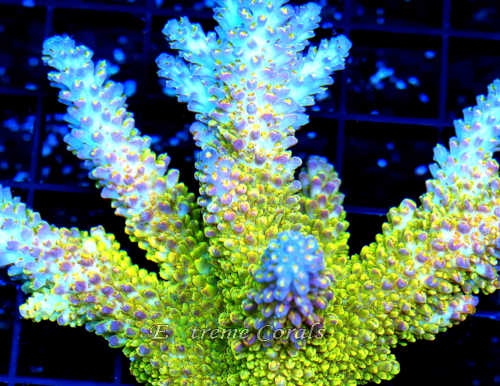
Learn how to care for Acropora coral in a reef tank with the right lighting, flow, placement, feeding, and stable water chemistry for long-term SPS success.
Learn how to care for Acropora coral in a reef tank with tips on lighting, flow, placement, feeding, water changes, and stable water parameters for healthy growth.
by Scott Shiles • February 27, 2023
Acropora Coral in Reef Tanks: How to Keep It Colorful, Stable and Growing
Acropora corals are some of the most admired SPS corals in the reef hobby because of their incredible colors, branching growth forms, and unmistakable display appeal. They are also among the most demanding corals to keep successfully, which is why stability, strong lighting, proper flow, and consistent husbandry matter so much. This guide explains how to care for Acropora in a reef tank, including water parameters, lighting, flow, feeding, water changes, placement, and the biggest mistakes that hurt long-term SPS success.
For many reef keepers, Acropora represents the goal of a mature, well-run reef system. A healthy Acropora colony can add height, structure, movement, and intense color to an aquarium in a way few other corals can match. At the same time, Acropora usually does not tolerate instability well, which is why these corals are best approached with patience, strong maintenance habits, and a system built around their needs.
Looking to add premium SPS corals to your reef tank? Browse our SPS corals for sale and explore healthy corals for your aquarium.
What Is Acropora Coral?
Acropora is a genus of small polyp stony coral known for branching growth, fast skeletal development under the right conditions, and some of the most sought-after color patterns in the reef hobby. These corals are especially popular with SPS reef keepers because they can create dramatic, natural-looking reef structures when they are healthy and stable.
Acropora can grow in a wide range of forms depending on the species, including branching, table-like, bottlebrush, and compact colony shapes. That diversity is one reason they remain some of the most desirable corals in reef aquariums.
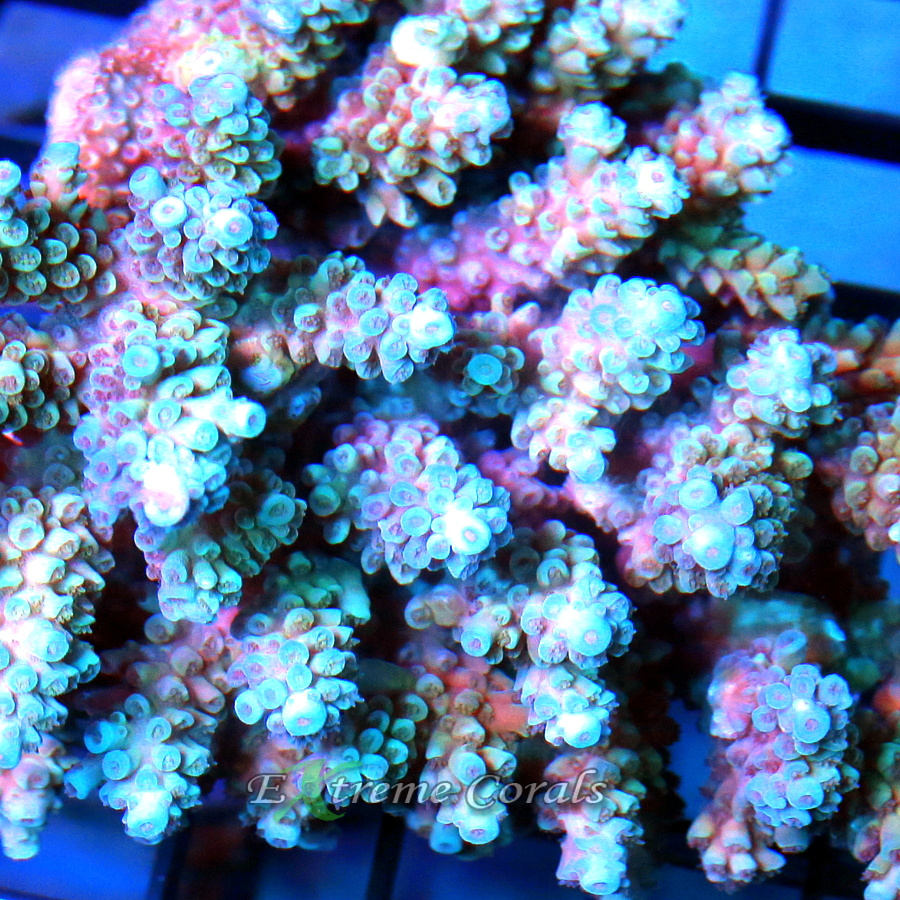
Why Acropora Is So Popular
- It offers some of the most dramatic SPS coloration in the hobby
- It creates strong branching reef structure
- Healthy colonies can grow quickly in stable systems
- It is a favorite among experienced SPS reef keepers
- It gives reef tanks a mature, high-end look
Acropora is especially attractive to hobbyists who want a reef tank that looks full, layered, and alive with branching coral growth.
Proper Water Parameters
Acropora thrives in stable, clean, well-maintained reef systems. More than almost any other common coral group, Acropora tends to reward consistency and punish instability.
- Temperature: 76-82°F
- Salinity: 1.025-1.026
- pH: 8.1-8.4
- Alkalinity: 8-12 dKH
- Calcium: 400-450 ppm
- Magnesium: 1200-1350 ppm
- Nitrate: low but detectable is usually safer than major swings
- Phosphate: low and controlled, without abrupt shifts
Regular testing and disciplined correction are important with Acropora, but the real goal is not just good numbers. The real goal is stable numbers over time. A tank that swings constantly will usually struggle with Acropora no matter how expensive the equipment is.
If you are working on chemistry consistency, read our guide on pH and alkalinity in reef tanks.
Lighting
High-intensity lighting is one of the biggest keys to long-term Acropora success. These corals rely heavily on strong light for photosynthesis and color development, but they still need to be acclimated carefully to avoid shock.
- Lighting level: high-intensity lighting is usually required
- Photoperiod: 8 to 10 hours is a common working range
- LED systems: popular because they allow spectrum and intensity control
- Acclimation: always move into stronger light gradually
Strong lighting helps support coloration, growth, and overall Acropora health, but too much light too quickly can still cause bleaching or stress. Stable, appropriate intensity matters more than simply blasting the coral with the strongest light possible.
If you want to learn more about reef lighting, read our guide on how lighting affects coral growth.
Water Flow
Acropora needs strong, turbulent water flow. Proper flow helps remove waste, deliver oxygen and nutrients, and keep tissue healthy. In SPS systems, weak flow is often one of the main reasons corals lose color, collect detritus, or decline slowly.
- Flow strength: strong, high-volume flow is usually best
- Flow type: random and turbulent is better than a narrow direct blast
- Purpose: supports waste removal, gas exchange, and nutrient delivery
- Avoid: stagnant zones and weak circulation around branches
Many reef keepers think only about total turnover, but Acropora usually responds best when the flow is broad, changing, and chaotic rather than just forceful in one direction. Good flow keeps the colony clean and healthy without creating dead spots.
If you want to learn more about circulation, read our guide on water flow and coral health.
Feeding
Acropora is primarily photosynthetic, but some hobbyists find that supplemental feeding can support better color and growth in certain systems. Fine coral foods and plankton-based foods are the most common choices.
- Food options: reef roids, plankton-based coral foods, and fine suspended foods
- Goal: support color and nutritional balance without polluting the tank
- Approach: feed lightly and consistently if your system responds well
Feeding should never come at the expense of water quality. In many Acropora tanks, stability and water cleanliness matter more than aggressive feeding. The best feeding approach is the one your system can support consistently.
Water Changes
Regular water changes are important in Acropora systems because they help remove waste, support cleaner water, and replenish trace elements. They also help reduce long-term drift in chemistry if done consistently.
- 10% to 20% water changes every two weeks are common in many systems
- Regular water changes help support overall reef stability
- Consistent maintenance usually matters more than dramatic correction
Water changes are not a replacement for good dosing and parameter management, but they are still a valuable part of long-term Acropora husbandry.
Placement
Placement is critical for Acropora because these corals need both strong lighting and strong water movement. In many tanks, that means upper rockwork or high-energy zones where both conditions are available.
- Place Acropora in areas with strong light
- Choose zones with strong turbulent flow
- Mount colonies securely on stable rock
- Think ahead about future branch growth and shading
Acropora colonies also need room. As they grow, they can shade other corals and compete aggressively for space. Planning placement early prevents many long-term problems later.
Avoid Overcrowding
Overcrowding can create serious problems in an SPS reef. Acropora colonies need space not just for visual balance, but for flow, light access, and growth.
- Give each colony enough room to branch out
- Avoid placing colonies so close that they will shade one another
- Leave room for future growth, not just current frag size
- Watch for contact and competition as the tank matures
An SPS tank can look spacious at first and become crowded much faster than expected once colonies start growing. Acropora placement should always be planned with the future in mind.
Common Acropora Problems
Tissue Recession
This is often linked to unstable alkalinity, poor flow, rapid environmental changes, pests, or overall stress.
Color Loss
Fading or browning may be tied to lighting imbalance, unstable nutrients, weak flow, or long-term system stress.
Slow Growth
If Acropora is not growing, common causes include poor chemistry stability, insufficient light, weak flow, or lack of overall tank maturity.
Pest Vulnerability
Acropora can be vulnerable to pests and disease, which is why inspection, quarantine, and careful monitoring matter so much.
How to Tell If Acropora Is Healthy
- Color remains strong and stable
- Polyps extend appropriately
- The base and tips show steady growth
- There is no obvious tissue recession
- The colony remains clean and free of detritus buildup
A healthy Acropora colony usually looks stable, clean, and increasingly vibrant over time. Problems often start subtly, which is why daily observation is so important in SPS reef tanks.
Additional Information About Acropora
Acropora belongs to the Acroporidae family and is one of the most diverse and recognized groups of SPS corals in the reef hobby. These corals are found largely in tropical Indo-Pacific waters and are famous for their contribution to reef structure in the wild.
Although they can be challenging, Acropora can thrive in captivity when the tank is mature, stable, and designed around SPS requirements. Their beauty, diversity, and growth forms are part of what makes them some of the most desirable corals in reefkeeping.
Related Corals You May Also Like
If you are interested in Acropora, you may also want to explore other SPS and reef-building corals:
- Browse SPS corals for sale
- Bird’s Nest coral care guide
- Montipora care guide
- Pocillopora coral care guide
- Coral types and care guidelines
Ready to build a stronger SPS reef? Browse our SPS corals for sale and explore healthy Acropora for your aquarium.
Shop Acropora and SPS Corals
Explore our WYSIWYG SPS corals, new arrival corals, and featured corals to build a more colorful reef tank.
Final Thoughts
Acropora corals are some of the most beautiful and rewarding SPS corals in reefkeeping, but they demand careful husbandry and excellent stability. When lighting, flow, water chemistry, and placement are all working together, Acropora can become one of the most stunning parts of a reef tank.
Frequently Asked Questions
Q: Is Acropora hard to keep?
A: Yes, compared with many other corals. Acropora usually needs stronger lighting, stronger flow, and tighter stability than soft corals or many LPS corals.
Q: What light does Acropora need?
A: High-intensity reef lighting is usually best, with careful acclimation to prevent bleaching.
Q: Does Acropora need feeding?
A: It can benefit from supplemental feeding in some systems, but water quality and stability matter more than aggressive feeding.
Q: Where should I place Acropora in my tank?
A: Usually in higher-energy zones with strong light and strong turbulent flow.
Q: Why is my Acropora losing color or tissue?
A: Common causes include unstable alkalinity, weak flow, poor lighting balance, pest issues, or general system instability.
About the Author
Scott Shiles is the owner of ExtremeCorals.com, which he has operated for over 25 years and is recognized as one of the early dedicated live coral websites on the internet. A lifelong reef keeper since 1984, Scott has decades of hands-on experience maintaining marine aquariums and previously owned and operated a brick and mortar aquarium retail store for 10 years, including five years alongside Extreme Corals. He holds a degree in Marine Biology and has personally selected and sold hundreds of thousands of live corals. An avid scuba diver who has explored reef systems around the world, Scott shares practical coral care and husbandry knowledge based on real world reef experience.
overall rating:
my rating:
log in to rate
Please log in to leave a comment.
For more information visit: additional resources