My Cart: 0 item(s)

Extreme Corals News and Updates
Hammer Coral Care Guide (Lighting, Flow, Feeding, Placement and Health)
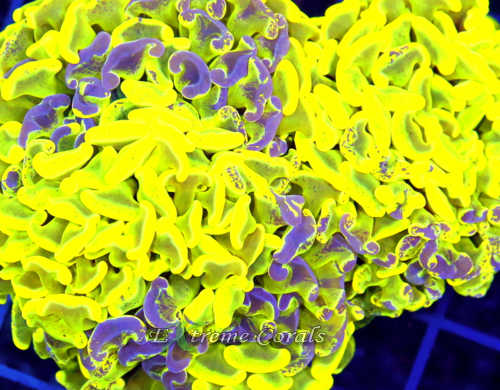
Find out how to properly care for your new Hammer Coral with this "how-to" guide on the requirements for healthy Hammer Coral from the #1 place to buy corals online!
Read along to find out the Lighting, Water Flow, Feeding, Placement & more when it comes to the care of your new Hammer Coral
by Scott Shiles • February 27, 2023
Hammer Coral Care Guide (Lighting, Flow, Feeding, Placement and Health)
Learn how to care for hammer coral in a reef tank with proper lighting, water flow, feeding, placement, and stable water parameters. This complete guide covers everything you need to keep hammer coral healthy, extended, growing, and thriving long term in your aquarium.
Hammer coral is one of the most popular LPS corals in the reef hobby because it combines movement, color, and strong visual impact. Its branching or wall-like growth form and flowing polyps make it a favorite in mixed reefs and LPS-dominant systems. While hammer coral is often considered easier than some other high-end corals, it still requires stable conditions and thoughtful placement to truly thrive.
If you are new to reef keeping or want a full breakdown of proper setup, lighting, and flow, review our coral care guide.
What Makes Hammer Coral So Popular
Hammer coral is one of the most recognizable and widely kept reef corals because it offers:
- Large fleshy polyps with strong movement
- Bright color variation and strong visual appeal
- A classic LPS look that stands out in reef tanks
- Growth forms that work well in mixed reefs
It is also one of the corals hobbyists often move into after gaining confidence with beginner soft corals.
If you are looking to expand your reef tank with high-end corals, browse our new arrival corals and our featured corals.
Lighting Requirements for Hammer Coral
Hammer coral generally does best under moderate lighting. It does not usually require the extreme intensity many SPS corals need, but it still depends on stable, appropriate lighting to maintain color, tissue health, and growth.
Too much light can lead to:
- Bleaching
- Tissue stress
- Reduced extension
Too little light can lead to:
- Slow growth
- Poor coloration
- Weak extension
It is usually best to acclimate hammer coral gradually to new lighting and avoid sudden changes in intensity.
If you want to learn more about reef lighting and coral growth, read our guide on how lighting affects coral growth.
Water Flow for Hammer Coral
Hammer coral prefers moderate, indirect water flow. The polyps should sway naturally and gently rather than being blasted in one direction.
Proper flow helps:
- Bring nutrients to the coral
- Carry away waste
- Reduce debris buildup around the tissue
Too much flow can cause:
- Tissue damage
- Poor extension
- Long-term stress
Too little flow can cause:
- Detritus buildup
- Reduced gas exchange
- Increased irritation around the coral
If you want to learn more about proper flow and coral health, read our guide on water flow and coral health.
Water Parameters and Stability
Stable water parameters are one of the biggest keys to long-term hammer coral success. Like many LPS corals, hammer coral usually responds better to consistency than constant adjustment.
- Temperature: 76-78 F
- Salinity: 1.025
- pH: 8.1-8.4
- Alkalinity: 8-10 dKH
- Calcium: 400-450 ppm
- Magnesium: 1250-1350 ppm
- Nitrate: Low to moderate
- Phosphate: Low but not stripped too aggressively
Rapid alkalinity swings are one of the most common reasons hammer corals decline. Stable parameters are far more important than trying to chase perfect numbers every day.
If you are building a stable LPS system, browse our large polyp stony corals.
Placement in the Reef Tank
Hammer coral is usually best placed in the middle to lower parts of the reef tank, depending on your light intensity and flow pattern. Placement should always be adjusted based on how the coral responds over time.
When choosing a spot, make sure the coral has:
- Moderate light
- Indirect flow
- Enough room for full extension
- Space away from aggressive neighbors
If you are planning your reef layout, browse our new arrival coral colonies and our new arrival coral frags.
Hammer Coral Aggression and Compatibility
Hammer coral may look peaceful when fully extended, but it can be aggressive toward nearby corals. It has sweeper tentacles that can sting neighboring corals, especially if they are placed too close.
Important compatibility tips:
- Give hammer coral plenty of space
- Do not crowd it near delicate corals
- Monitor nearby LPS and soft corals carefully
- Allow extra room as colonies grow larger
If you want to learn about another important LPS coral, read our guide on torch coral care.
Feeding Hammer Coral
Hammer coral is photosynthetic, but it can also benefit from supplemental feeding. In many tanks it will do well without heavy feeding, but occasional target feeding can improve growth, fullness, and tissue health.
Foods often used include:
- Mysis shrimp
- Brine shrimp
- Finely chopped meaty foods
- Reef coral foods designed for LPS corals
Feed lightly and avoid overfeeding, since excess nutrients can quickly hurt overall reef stability.
Branching vs Wall Hammer Coral
Hammer corals are commonly found in two general forms: branching and wall hammers.
Branching hammers usually:
- Are easier to frag
- Can recover well from minor damage
- Grow into multi-head colonies over time
Wall hammers usually:
- Have one longer connected skeleton
- Can be more difficult to frag safely
- May be more vulnerable if damaged
Understanding which type you have helps with placement, fragging, and long-term planning.
Signs of a Healthy Hammer Coral
A healthy hammer coral will usually show:
- Full and extended tissue
- Good coloration
- Gentle movement in the current
- No visible skeleton through the tissue
- Consistent daytime extension
Daily observation is one of the best tools you have. Hammer corals often show early warning signs before major decline happens.
Common Hammer Coral Problems
Some of the most common issues include:
- Brown jelly disease
- Tissue recession
- Poor extension
- Bleaching
- Damage from nearby corals
- Stress from unstable parameters
Most hammer coral problems are related to:
- Sudden changes in alkalinity
- Poor placement
- Improper flow
- Lighting changes that happen too quickly
- Physical damage during transport or handling
The earlier you catch a change in behavior, the better chance you have of correcting the problem before permanent damage occurs.
Fragging Hammer Coral
Branching hammer corals can often be fragged successfully by cutting cleanly through the skeleton between heads. This should only be done on healthy corals using clean tools and careful handling.
Wall hammers are much riskier to frag and should be treated more cautiously.
If you frag hammer coral, always:
- Use clean tools
- Avoid cutting through living tissue
- Handle the coral gently
- Allow time for recovery in stable conditions
Best Tank Setup for Hammer Coral
Hammer coral does best in stable reef tanks with:
- Moderate lighting
- Moderate indirect flow
- Stable alkalinity, calcium, and magnesium
- Enough room for expansion and aggression management
It can do very well in mixed reefs and LPS-dominant systems when the environment is consistent and placement is carefully planned.
Pro Tips for Long-Term Hammer Coral Success
- Prioritize stability over constant adjustments
- Give the coral more space than you think it needs
- Avoid harsh direct flow
- Acclimate slowly to lighting changes
- Watch for early signs of stress every day
- Do not ignore tissue recession or brown jelly symptoms
Final Thoughts
Hammer coral is one of the most beautiful and rewarding LPS corals you can keep. With proper lighting, flow, placement, and water stability, it can become a long-term showpiece coral that adds movement and structure to your reef tank.
If you are looking to build out your reef system, shop our new arrival corals.
Frequently Asked Questions
Is hammer coral beginner friendly?
Hammer coral is usually considered a good coral for reef keepers with some basic experience and a stable tank.
How much flow does hammer coral need?
Hammer coral generally does best in moderate, indirect flow that keeps the polyps moving gently.
Does hammer coral need feeding?
It is mainly photosynthetic, but it can benefit from occasional supplemental feeding.
Why is my hammer coral not opening?
Common reasons include lighting stress, poor flow, unstable water parameters, aggression from nearby corals, or handling stress.
About the Author
Scott Shiles is the owner of ExtremeCorals.com, which he has operated for over 25 years and is recognized as one of the early dedicated live coral websites on the internet. A lifelong reef keeper since 1984, Scott has decades of hands-on experience maintaining marine aquariums and previously owned and operated a brick and mortar aquarium retail store for 10 years, including five years alongside Extreme Corals. He holds a degree in Marine Biology and has personally selected and sold hundreds of thousands of live corals. An avid scuba diver who has explored reef systems around the world, Scott shares practical coral care and husbandry knowledge based on real world reef experience.
overall rating:
my rating:
log in to rate
Please log in to leave a comment.
For more information visit: additional resources