
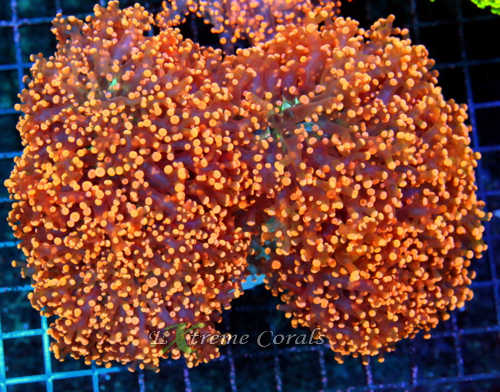
LPS corals, or large polyp stony corals, are some of the most rewarding corals a reef hobbyist can keep. They bring bold color, visible feeding response, fleshy movement, and a real sense of presence to a reef tank. For many hobbyists, LPS corals are the group that makes a reef feel alive. They are often easier to appreciate than tiny-polyp corals because their tissue, skeleton, shape, and behavior are much more obvious day to day.
They also cover a wide range of looks and personalities. Some LPS corals are fleshy and inflated, like Acanthophyllia or Trachyphyllia. Some are more aggressive and structured, like Pectinia. Others add rich texture and a classic brain-coral look, like Symphyllia wilsoni, Symphyllia, and Lobophyllia vs Symphyllia. That variety is part of what makes the category so appealing.
At the same time, LPS corals are often misunderstood. They are commonly described as easier than SPS, and that is often true, but that does not mean they are casual corals you can place anywhere and ignore. Long-term success with LPS depends on stable water chemistry, appropriate flow, careful placement, smart feeding, and understanding that not all LPS corals want the same conditions. Some prefer gentler flow and lower placement. Others want more movement and more room because of aggression. The reef keeper who learns to read those differences usually succeeds. The reef keeper who treats all LPS corals the same usually runs into avoidable problems.
If you are building a reef around bold, fleshy, high-impact corals, our LPS corals collection is a natural place to explore specimens for every style of tank, from lower-reef showpieces to structured, aggressive mixed-reef accents.
What Counts as an LPS Coral?
LPS stands for large polyp stony coral. These corals have a hard calcium-based skeleton, but they also have larger, more visible fleshy polyps than SPS corals. That combination is part of why they are so popular. You get the structure and growth form of a stony coral, but with tissue and feeding behavior that is easier to observe and often easier to connect with as a hobbyist.
LPS includes a wide range of coral types, from fleshy single-polyp showpieces to branching or encrusting colonies. That is why broad rules can only take you so far. A showpiece Acanthophyllia is not going to be handled exactly the same way as a more aggressive Pectinia, and neither behaves quite like a colony of Micromussa. Still, the core principles overlap enough that learning how to keep LPS well will improve your overall reefkeeping fast.
Why LPS Corals Are So Popular
LPS corals are popular because they offer strong visual reward without demanding the ultra-clean, high-intensity, high-stability environment that many sensitive SPS corals prefer. Many hobbyists feel that LPS corals strike the best balance in the hobby. They are often more forgiving than SPS, but they still provide dramatic color, growth, and complexity. They also tend to give a tank a more mature, premium look very quickly.
They are especially appealing in mixed reefs because they create contrast. Where SPS often add fine structure and branching growth, LPS add fleshy mass, movement, and a visible feeding response. That contrast is a big part of what makes a tank feel layered and complete.
Lighting for LPS Corals
One of the most common mistakes hobbyists make with LPS corals is assuming that all of them want the same amount of light. In reality, lighting needs vary by species, but as a category, many LPS corals do best in low to moderate or moderate light rather than extreme intensity. Some tolerate more, but very few benefit from being blasted without careful acclimation.
The safest general approach is to start more conservatively and observe the coral’s response. A healthy LPS coral should show normal expansion, good color, and a settled appearance. If it stays tightly retracted, pales, or looks irritated, lighting is one of the first things to reevaluate. This becomes especially important with fleshy corals like Wilsoni, Acanthophyllia, and Trachyphyllia, which often respond better to restraint than intensity.
If you want to understand this part of coral husbandry more clearly, read our article on how lighting affects coral growth. It helps explain why placement decisions matter more than just fixture brand names or raw output numbers.
Water Quality and Stability Matter More Than Chasing Perfect Numbers
Water quality is critical for LPS corals, but the real lesson is stability. Reef hobbyists often get trapped chasing exact numbers when what their corals really need is consistency. A tank that drifts moderately but predictably can often support LPS better than a tank that is constantly being corrected in reaction to every test result.
In general, LPS corals do best with stable salinity, alkalinity, calcium, magnesium, pH, and temperature. Ammonia and nitrite should remain at zero, and nutrients should be controlled without being stripped too aggressively. Many LPS corals prefer a tank that feels mature and balanced rather than overly sterile.
Good general priorities include:
- Stable salinity
- Stable alkalinity
- Reasonable calcium and magnesium for skeletal growth
- Consistent temperature
- Low ammonia and nitrite
- Manageable nitrate and phosphate
- Stable pH in a healthy reef range
If you want a deeper look at reef chemistry, our article on reef tank water parameters is one of the most useful supporting pieces you can read before building an LPS-heavy system.
Flow: Enough to Keep Them Clean, Not Enough to Beat Them Up
Flow is another area where hobbyists often oversimplify. LPS corals need water movement, but many do not want strong direct flow. The goal is to keep detritus from settling, support gas exchange, and move nutrients through the tank without causing the coral’s tissue to stay irritated or retracted.
Broad, indirect, moderate flow is usually the safest starting point for many LPS corals. Strong direct current can whip fleshy tissue, prevent expansion, and create long-term irritation that hobbyists sometimes mistake for a chemistry problem. At the same time, very low flow can allow waste to settle and create dead spots around the coral.
This balance is especially important because LPS corals vary. Some can tolerate or even appreciate more movement than others. A Pectinia is not the same as a showpiece Acanthophyllia, and a Trachyphyllia is not the same as a colony-forming LPS coral tucked higher on the rock. Our article on water flow and coral health can help you dial this in more intelligently.
Feeding LPS Corals
Many LPS corals benefit from supplemental feeding, and this is one of the traits that makes them especially fun to keep. Unlike some corals that seem passive to the eye, many LPS corals show obvious feeding responses and can take in appropriately sized meaty foods or coral foods when conditions are right. That does not mean every LPS coral should be fed heavily or constantly, but it does mean feeding can be a valuable tool when used correctly.
Small meaty foods such as Mysis shrimp, finely chopped seafood, or quality coral-targeted foods are commonly used. The best approach is usually moderate and deliberate. Feed enough to support tissue condition and response without creating excess waste in the tank. Two or three times a week may work for some systems, but the correct schedule depends on nutrient levels, export capacity, and the specific corals being kept.
Target feeding is often most useful for fleshy LPS corals or newly introduced specimens that are settling in. Corals like Symphyllia wilsoni, Micromussa, Lobophyllia and Symphyllia, and Acanthophyllia can all benefit when feeding is done sensibly. But overfeeding is one of the fastest ways to create water quality problems, so restraint matters.
Placement Is One of the Biggest Keys to Long-Term Success
Placement is where a lot of LPS success or failure begins. Too many hobbyists buy a coral, look for an open spot, and place it based on where it fits visually in the moment. That is not enough. Good placement means thinking about light, flow, tissue expansion, aggression, nighttime sweeper reach, and future growth.
Many fleshy LPS corals do best lower in the tank on the substrate or on secure low rock structures, especially if they have delicate tissue that can be damaged by sharp rock. Others can live higher or in more exposed locations. The key is not to assume all LPS corals should be clustered together because they look good side by side. A coral garden can be beautiful, but only if spacing is planned carefully.
For placement examples, compare the different needs in our articles on Acanthophyllia, Trachyphyllia, Wilsoni, and Pectinia. They all fall under LPS, but they are not placed identically in a smart reef.
Aggression and Coral Compatibility
This is one of the biggest areas where hobbyists underestimate LPS corals. Many LPS species are aggressive enough to damage neighboring corals through sweeper tentacles, direct contact, or simple crowding. Some look calm and fleshy during the day, then become much more dangerous after lights out. That is why daytime appearance can be misleading.
Pectinia is a great example of a coral that deserves more space than many people first assume. The same lesson applies to brain-type LPS corals and other fleshy showpieces. Coral warfare can easily be mistaken for unexplained decline if you are not thinking about nighttime extension and contact. Giving LPS corals more room than you think they need is usually a smart decision, not wasted space.
If compatibility and spacing are concerns, it helps to think of your LPS layout as zones rather than random placements. Give aggressive corals their own area. Keep delicate fleshy corals away from sharp contact points. Avoid packing everything into one high-value cluster just because it looks impressive on day one.
Quarantine and Coral Dipping
Quarantining new corals is one of the best habits a serious reef hobbyist can build. Even if you trust the source, quarantine and proper dipping reduce the risk of introducing pests, disease, nuisance algae, or other unwanted hitchhikers into the display tank. Once pests enter a reef full of established corals, solving the problem becomes much harder and more stressful.
At a minimum, new LPS corals should be inspected carefully and dipped appropriately before introduction. A proper quarantine setup adds another layer of protection, especially if you are regularly adding corals or maintaining a valuable mixed reef. It is much easier to prevent problems than to remove them later from a packed display.
Common Mistakes When Keeping LPS Corals
Treating All LPS Corals the Same
LPS is a category, not a single care profile. Different species have different needs for light, flow, and spacing.
Using Too Much Direct Flow
Many fleshy LPS corals do poorly when blasted by direct current. Irritation and poor expansion often start here.
Crowding Corals Too Closely
LPS aggression is real. Sweeper tentacles and contact damage are major causes of tissue loss in mixed reefs.
Overfeeding
Feeding helps, but too much food creates nutrient issues quickly. Support the coral without overwhelming the system.
Chasing Numbers Instead of Stability
Constant adjustment often stresses corals more than slightly imperfect but stable conditions.
Ignoring Acclimation
New corals need time to settle into your tank’s light, flow, and chemistry. Sudden changes create unnecessary stress.
How to Tell If an LPS Coral Is Healthy
Healthy LPS corals usually show strong coloration, good tissue extension for their species, a normal feeding response, and a stable appearance over time. Fleshy species should look substantial and settled rather than thin or chronically retracted. Skeleton should not be increasingly exposed, and the coral should not look like it is fighting its environment every day.
Positive signs include:
- Consistent expansion or normal tissue posture for the species
- Stable color
- Visible feeding response when appropriate
- No obvious tissue recession
- A consistent day-to-day appearance
Warning Signs to Catch Early
If an LPS coral begins to decline, the first things to review are almost always placement, aggression, flow, light acclimation, and recent stability. Tissue recession, repeated deflation, color fading, exposed skeleton, and unexplained damage often trace back to one of those issues rather than something mysterious.
Ask yourself:
- Is the coral getting too much direct flow?
- Was it placed too brightly too quickly?
- Is another coral reaching it at night?
- Has alkalinity, salinity, or temperature shifted recently?
- Is the coral sitting against sharp rock or being irritated by tankmates?
When you correct those fundamentals early, many LPS corals recover well. When you wait too long, damage can become much harder to reverse.
Building a Reef Tank Around LPS Corals
LPS corals are often the backbone of beautiful mixed reefs and LPS-dominant displays because they combine strong color, dramatic texture, and visible life. A well-designed LPS reef usually includes a mix of tissue styles, coral shapes, and aggression levels rather than just packing together whatever looks good at checkout.
For example, you might combine fleshy sandbed or lower-reef showpieces like Acanthophyllia and Trachyphyllia with more structured accent pieces like Pectinia, while using textured brain-type corals like Lobophyllia and Symphyllia to add depth and variety. That kind of layout gives the tank more character and usually leads to better long-term compatibility.
Frequently Asked Questions About Keeping LPS Corals
Are LPS corals good for beginners?
Many LPS corals are realistic for beginners with stable tanks, but they are not all equally easy. Some are much more forgiving than others.
Do LPS corals need feeding?
Many benefit from occasional supplemental feeding, especially fleshy species, but overfeeding should be avoided.
Do all LPS corals need the same light and flow?
No. General patterns exist, but different LPS species can have noticeably different preferences.
Why is my LPS coral not opening fully?
Common causes include too much direct flow, recent stress, poor placement, aggressive neighbors, or unstable water parameters.
Can LPS corals sting each other?
Yes. Many LPS corals can extend sweeper tentacles or damage nearby corals through contact, so spacing is very important.
Related Corals and Reef Topics You May Also Like
If you are interested in keeping LPS corals successfully, these related care articles and coral pages can help you build a smarter, more compatible reef:
- Browse LPS corals for sale
- Read our Acanthophyllia care guide
- See our Trachyphyllia care guide
- Learn about Symphyllia wilsoni care
- Compare general Symphyllia care
- Explore Micromussa care
- Understand Pectinia aggression and placement
- Improve coral lighting strategy
- Dial in reef tank flow
- Strengthen reef water parameters
- See new coral arrivals
Ready to build a reef around bold, colorful, high-impact corals? LPS corals can be some of the most rewarding animals in the hobby when they are placed thoughtfully, fed sensibly, and given stable long-term conditions. Whether you prefer fleshy showpieces, brain corals, or more structured aggressive accents, a well-planned LPS reef can be one of the most visually impressive styles of aquarium you can keep.
Shop LPS Corals
Explore our LPS corals for sale and find standout corals for your reef tank.
About the Author
Scott Shiles is the owner of ExtremeCorals.com, which he has operated for over 25 years and is recognized as one of the early dedicated live coral websites on the internet. A lifelong reef keeper since 1984, Scott has decades of hands-on experience maintaining marine aquariums and previously owned and operated a brick and mortar aquarium retail store for 10 years, including five years alongside Extreme Corals. He holds a degree in Marine Biology and has personally selected and sold hundreds of thousands of live corals. An avid scuba diver who has explored reef systems around the world, Scott shares practical coral care and husbandry knowledge based on real world reef experience.