My Cart: 0 item(s)

Extreme Corals News and Updates
Micromussa Coral Care Guide: Placement, Feeding, Lighting and Species Differences
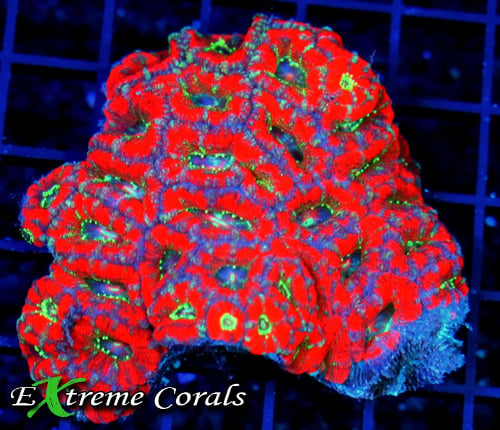
Learn how to care for Micromussa corals in a reef tank, including lighting, flow, feeding, placement, and the differences between Lordhowensis and Amakusensis.
Learn how to care for Micromussa coral in a reef tank with tips on placement, feeding, lighting, water flow, water stability, and species differentiation.
by Scott Shiles • March 31, 2023
Micromussa corals are some of the most colorful and rewarding LPS corals in reef aquariums because they combine bold patterns, fleshy polyps, and manageable care requirements in stable systems. Often called tooth corals by hobbyists, Micromussa corals are loved for their rich coloration and colony-forming growth that can turn a small frag into a striking reef display. This guide explains how to care for Micromussa in a reef tank, including lighting, water flow, feeding, water stability, placement, and the most important differences between Micromussa lordhowensis and Micromussa amakusensis.
For many reef keepers, Micromussa is one of the best corals for adding concentrated color to lower or middle reef zones. These corals can fit beautifully into mixed reefs and LPS-dominant tanks, but they still need the right environment to stay puffy, colorful, and healthy. Stable parameters, thoughtful placement, and careful feeding usually make the biggest difference in long-term success.
Looking to add colorful LPS corals to your reef tank? Browse our LPS corals for sale and explore healthy corals for your aquarium.
What Is Micromussa Coral?
Micromussa is a large polyp stony coral known for its fleshy polyps, vibrant coloration, and colony-forming growth. It is especially popular in reef aquariums because a single colony can display multiple colors and strong contrast, making it one of the most visually rewarding corals in a mixed reef.
These corals are often collected and traded for their intense color morphs and the way they create compact but eye-catching growth across rockwork and frag plugs. In the right conditions, Micromussa can become one of the most attractive corals in the lower zones of a reef tank.
Why Micromussa Is So Popular
- It offers strong color and pattern variety
- It fits well in mixed reef and LPS tanks
- It can be grown from small frags into attractive colonies
- It usually works well in lower and middle reef zones
- It gives hobbyists high visual impact without SPS-level demands
Micromussa is especially appealing to hobbyists who want premium-looking color in a coral that is more manageable than many advanced SPS species.
Lighting
Micromussa usually does best under low to moderate or moderate lighting depending on the species, placement, and prior acclimation. Many hobbyists get the best results when they avoid blasting Micromussa with extreme intensity too quickly.
- Moderate lighting is a safe starting point for many systems
- Stable light is usually more important than frequent adjustment
- Blue-heavy reef lighting often helps coloration stand out
- Slow acclimation helps prevent stress and fading
While some care guides describe Micromussa broadly as tolerating moderate to high light, many reef keepers find that these corals color up and stay fuller when introduced more cautiously. Placement should always be adjusted based on how the coral responds in your specific tank.
If you want to understand reef lighting better, read our guide on reef tank lighting.
Water Flow
Micromussa thrives in moderate water flow. The goal is enough movement to keep debris from settling around the coral without exposing the fleshy tissue to harsh direct current.
- Moderate indirect flow is usually best
- Too much direct flow can irritate tissue
- Too little flow can allow waste and debris to collect
- Gentle consistent movement helps keep the coral clean
Moderate flow usually helps Micromussa stay inflated and healthy without pushing the tissue too hard against the skeleton.
Feeding
Micromussa is primarily photosynthetic, but it can also benefit from supplemental feeding. Many reef keepers find that regular light feeding helps with fullness, growth, and color retention.
- Offer small meaty foods such as shrimp or fish
- Feed once or twice weekly as a practical starting point
- Use small portions to avoid nutrient spikes
- Watch for feeding response before increasing amounts
Feeding should support the coral without harming water quality. In many reef tanks, small consistent feedings work much better than large infrequent ones.
Water Parameters
Water stability is one of the biggest factors in Micromussa success. These corals generally do best when the tank is stable, clean, and not prone to repeated chemistry swings.
- Temperature: 75-82°F
- Salinity: 1.023-1.025
- pH: 8.0-8.4
- Stable alkalinity, calcium, and magnesium are important
Sudden shifts in salinity, alkalinity, temperature, or nutrient balance can stress Micromussa and make it more prone to recession or poor extension. Stability usually matters more than trying to force perfect numbers.
If you are working on chemistry stability, read our guide on reef tank water parameters.
Placement in the Reef Tank
Micromussa is usually best placed in the lower to middle regions of the tank where it can receive suitable light and moderate flow without being crowded by aggressive corals. It should sit on a stable surface that allows the colony to expand naturally.
- Lower to middle placement is often ideal
- Mount on stable rock or substrate
- Avoid aggressive or stinging neighbors
- Allow enough room for colony growth and inflation
Placement becomes even more important when keeping different Micromussa species or color morphs, since light tolerance and ideal exposure can vary slightly depending on the coral.
Micromussa Lordhowensis vs. Micromussa Amakusensis
Among reef hobbyists, Micromussa lordhowensis and Micromussa amakusensis are two of the most recognized Micromussa species. They are often discussed together, but understanding the difference matters for both buying and placement.
Micromussa lordhowensis
Micromussa lordhowensis, often called a lord by hobbyists, is known for larger polyps and strong coloration. It is commonly kept in lower-light areas where it can maintain good color and tissue fullness.
- Larger polyps
- Often stronger color contrast
- Usually does well in lower to moderate lighting
- Works well on the substrate or in shaded lower areas
Micromussa amakusensis
Micromussa amakusensis is usually described as having smaller polyps. It often adapts well to moderate lighting and can do well in lower to mid-level placement where it gets enough exposure without being overpowered.
- Smaller polyps
- More compact appearance
- Often does well in moderate lighting
- Usually suited for lower to mid-tank placement
Understanding this difference helps hobbyists avoid treating every Micromussa exactly the same. Small differences in polyp size and light preference can matter over time.
Common Micromussa Problems
Tissue Recession
This is often linked to instability, rough handling, poor placement, or nearby aggression.
Color Loss
Lighting stress, nutrient imbalance, or unstable chemistry can reduce coloration over time.
Poor Inflation
If Micromussa stays tight and withdrawn, common causes include too much flow, poor water quality, or irritation from neighboring corals.
Debris Buildup
Weak flow and poor placement can allow waste to settle around the coral, increasing irritation and stress.
How to Tell If Micromussa Is Healthy
- Polyps stay inflated and full
- Color remains vibrant
- The colony shows steady growth over time
- There is no visible recession around the skeleton
- The coral responds well to feeding and stable conditions
A healthy Micromussa usually looks puffy, colorful, and settled in the tank. If it stays retracted too long, it is usually worth reviewing placement, flow, lighting, and nearby coral interactions.
Best Tank Setup for Micromussa
Micromussa usually does best in reef tanks with:
- Stable water chemistry
- Low to moderate or moderate lighting depending on species
- Moderate indirect flow
- Careful spacing from aggressive neighbors
- Consistent maintenance and observation
It is a strong choice for hobbyists who want high color, manageable care, and a coral that can grow into a beautiful colony without the demands of SPS reefkeeping.
Related Corals You May Also Like
If you are interested in Micromussa, you may also want to explore other colorful LPS corals and related reef tank guides:
- Browse LPS corals for sale
- Scolymia coral care guide
- Blastomussa coral care guide
- Bubble coral care guide
- LPS corals overview
Ready to add a colorful Micromussa colony to your reef tank? Browse our LPS corals for sale and explore healthy corals for your aquarium.
Shop Micromussa and LPS Corals
Explore our WYSIWYG LPS corals, new arrival corals, and featured corals to build a more colorful reef tank.
Final Thoughts
Micromussa is one of the most rewarding LPS corals for reef hobbyists who want rich color, fleshy polyps, and manageable care. With stable water conditions, proper placement, and a good understanding of the species you are keeping, Micromussa can become one of the most vibrant and eye-catching corals in a reef aquarium.
Frequently Asked Questions
Q: Is Micromussa a good coral for beginners?
A: Often yes. Micromussa is usually manageable in stable reef tanks and is generally easier than many SPS corals.
Q: What lighting does Micromussa need?
A: Low to moderate or moderate lighting is usually a safe range, depending on the species and how the coral has been acclimated.
Q: Does Micromussa need feeding?
A: It can benefit from supplemental feeding. Small meaty foods once or twice a week often support better fullness and growth.
Q: What is the difference between Micromussa lordhowensis and Micromussa amakusensis?
A: Lordhowensis usually has larger polyps, while amakusensis has smaller polyps and often handles moderate lighting well.
Q: Where should Micromussa be placed in a reef tank?
A: Usually in the lower to middle parts of the tank with moderate flow and enough space from aggressive neighbors.
About the Author
Scott Shiles is the owner of ExtremeCorals.com, which he has operated for over 25 years and is recognized as one of the early dedicated live coral websites on the internet. A lifelong reef keeper since 1984, Scott has decades of hands-on experience maintaining marine aquariums and previously owned and operated a brick and mortar aquarium retail store for 10 years, including five years alongside Extreme Corals. He holds a degree in Marine Biology and has personally selected and sold hundreds of thousands of live corals. An avid scuba diver who has explored reef systems around the world, Scott shares practical coral care and husbandry knowledge based on real world reef experience.
overall rating:
my rating:
log in to rate
Please log in to leave a comment.
For more information visit: additional resources