My Cart: 0 item(s)

Extreme Corals News and Updates
How to Frag Corals growing in your Reef Tank
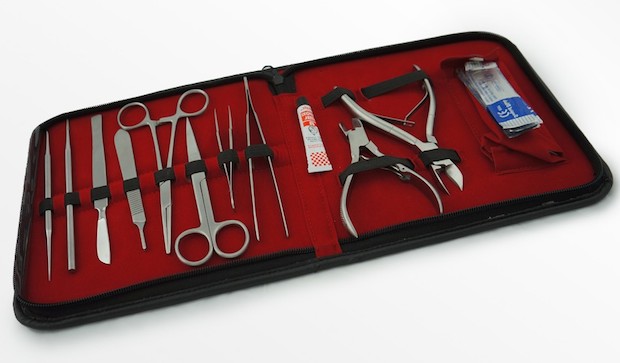
If you're new to the hobby or a seasoned veteran, you have heard of "Coral Frags" but do you know the process?
If you have interest in fragging corals. Read the following information in a step by step guide of how to make your very own coral frags
by Scott Shiles • March 01, 2023
Zoanthids Coral Care, SPS Coral Care, Soft Corals Care, LPS Coral Care, All Corals
How to Frag Corals in a Reef Tank: Step-by-Step Guide for Beginners
Looking to grow your coral collection? Browse our coral frags for sale and new arrival corals to add proven, healthy pieces to your reef tank.
Fragging corals is one of the most valuable skills in reef keeping, allowing you to propagate, control growth, and expand your coral collection. This step-by-step guide explains how to frag corals safely, including tools, techniques, placement, and aftercare to help your frags heal and thrive.
Fragging, also known as coral propagation, is the process of cutting or separating a piece of a coral and allowing it to grow into a new colony :contentReference[oaicite:0]{index=0}. Whether you're trimming back overgrowth, saving a stressed colony, or creating new frags, learning how to frag corals correctly can significantly improve your reef tank long-term.
Why Frag Corals in a Reef Tank?
Fragging isn’t just about making more corals—it’s about maintaining a healthier and more controlled reef system. Reef keepers frag corals to manage growth, prevent overcrowding, and even rescue healthy tissue from damaged colonies :contentReference[oaicite:1]{index=1}.
- Control fast-growing corals
- Create new coral colonies
- Prevent shading and competition
- Share or trade corals with other hobbyists
- Preserve desirable coral genetics
Tools You Need for Coral Fragging
Having the right tools makes fragging safer and more successful. Clean cuts reduce stress and improve healing.
- Coral cutters or bone cutters (for SPS and LPS)
- Sharp scissors or scalpel (for soft corals)
- Frag plugs or discs
- Reef-safe super glue gel
- Reef-safe epoxy (optional for larger frags)
- Container of tank water
- Gloves and eye protection
Using proper tools helps minimize damage and speeds up recovery, especially for more delicate species :contentReference[oaicite:2]{index=2}.
Step-by-Step: How to Frag Corals
1. Choose a Healthy Coral
Always start with a healthy, established coral. Avoid fragging stressed or newly introduced corals. Look for strong polyp extension, good coloration, and steady growth.
2. Remove the Coral (If Needed)
In many cases, it’s best to remove the coral and place it in a container of tank water while working. This reduces stress and keeps the coral hydrated during the process.
3. Make a Clean Cut
Use the appropriate tool based on the coral type:
- SPS / branching corals: Use bone cutters to snap or cut a branch
- LPS corals: Use cutters or a saw for thicker skeletons
- Soft corals: Use scissors or a blade to cut tissue cleanly
Clean cuts are critical—crushing or tearing tissue can lead to infection or tissue loss.
4. Rinse the Frag
After cutting, gently rinse the frag in tank water to remove slime, debris, or damaged tissue.
5. Mount the Frag
Attach the frag to a plug or rock using reef-safe glue:
- Apply a small drop of glue to the frag plug
- Press the coral frag gently into place
- Hold for a few seconds until secure
Some reef keepers use a glue + epoxy combination for extra stability in high-flow areas.
6. Place Back in the Tank
Return the frag to the tank in a stable location with appropriate lighting and flow. Avoid placing it in overly strong flow immediately.
Where to Place New Coral Frags
Placement is critical for successful healing and growth.
- Lighting: Start lower in the tank and gradually move up if needed
- Flow: Moderate, indirect flow helps prevent debris buildup
- Stability: Avoid moving frags frequently during healing
If you need help dialing this in, learn more about reef lighting and read our water flow guide.
Fragging Different Types of Corals
Soft Corals (Easiest)
Zoanthids, mushrooms, and leather corals are the easiest to frag. They can often be cut with scissors and typically heal quickly.
LPS Corals (Moderate Difficulty)
Corals like hammer, frogspawn, and candy cane require more precision due to their skeletons.
SPS Corals (Advanced)
SPS corals like Acropora require stable parameters and clean cuts. These are best attempted once you have experience.
If you're newer to coral types, learn more about LPS corals before fragging them.
Aftercare: Helping Coral Frags Heal
After fragging, proper care is critical. Most corals will begin healing within days, but full recovery can take weeks depending on the species.
- Keep water parameters stable
- Avoid excessive handling
- Watch for tissue recession or infection
- Maintain moderate flow to keep the frag clean
Many corals recover quickly when conditions are stable, with soft corals often healing within 1–2 weeks :contentReference[oaicite:3]{index=3}.
Common Fragging Mistakes to Avoid
- Fragging unhealthy or stressed corals
- Using dull or improper tools
- Placing frags in too much light too quickly
- Not securing frags properly
- Unstable water parameters after fragging
Shop Coral Frags
Looking to expand your reef after fragging? Browse our WYSIWYG coral frags and featured corals for sale to find healthy, aquacultured pieces ready for your tank.
Frequently Asked Questions
Q: Is fragging corals safe?
A: Yes, when done properly with clean tools and protective gear. Some corals can release toxins, so gloves and eye protection are recommended.
Q: How long does it take coral frags to heal?
A: Soft corals can heal within 1–2 weeks, while LPS and SPS corals may take several weeks to fully recover.
Q: Can beginners frag corals?
A: Yes, beginners should start with soft corals like zoanthids or mushrooms before attempting LPS or SPS corals.
Q: Do coral frags grow into full colonies?
A: Yes, with proper care, a small frag can grow into a full colony over time.
Q: When should I frag my coral?
A: Frag corals when they are healthy, established, and large enough to safely remove a portion.
About the Author
Scott Shiles is the owner of ExtremeCorals.com, which he has operated for over 25 years and is recognized as one of the early dedicated live coral websites on the internet. A lifelong reef keeper since 1984, Scott has decades of hands-on experience maintaining marine aquariums and previously owned and operated a brick and mortar aquarium retail store for 10 years, including five years alongside Extreme Corals. He holds a degree in Marine Biology and has personally selected and sold hundreds of thousands of live corals. An avid scuba diver who has explored reef systems around the world, Scott shares practical coral care and husbandry knowledge based on real world reef experience.
overall rating:
my rating:
log in to rate
Please log in to leave a comment.
For more information visit: additional resources