My Cart: 0 item(s)

Extreme Corals News and Updates
LPS Coral Care Guide (Best LPS Corals, Lighting, Flow, Feeding and Placement)
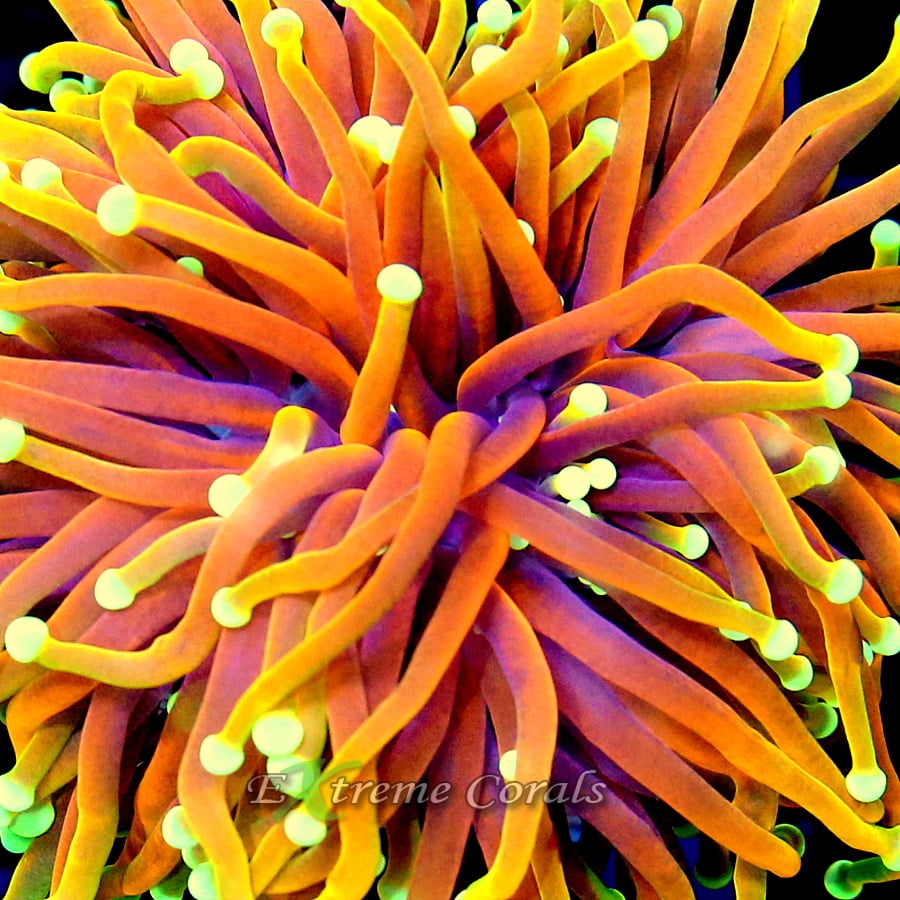
Unveiling the Beauty: A Comprehensive Guide to LPS Corals in Reef Tanks
Dive into the mesmerizing world of LPS corals with our comprehensive guide. Discover care tips, benefits, and more for your reef tank. Start exploring now!
by Scott Shiles • February 01, 2024
Looking to buy LPS corals? Browse our LPS corals for sale and explore colorful, WYSIWYG pieces for your reef tank.
Learn how to care for LPS corals in a reef tank with proper lighting, water flow, feeding, placement, and stable water parameters. This complete guide explains what Large Polyp Stony corals are, why they are so popular, and how to keep them healthy and thriving long term.
LPS corals, or Large Polyp Stony corals, are some of the most popular corals in the reef hobby because they combine bold color, strong movement, fleshy polyps, and moderate care requirements. They are often the corals reef keepers move into after gaining confidence with soft corals, and they can become some of the most striking pieces in a reef tank.
If you are new to reef keeping or want a full breakdown of proper tank setup, lighting, and flow, review our coral care guide.
What Are LPS Corals?
LPS stands for Large Polyp Stony. These corals have a hard calcium skeleton with large fleshy polyps that extend outward into the water. Compared with SPS corals, LPS usually have larger visible tissue and tend to prefer less extreme lighting and flow.
They are especially popular because they offer a strong visual impact without always requiring the demanding conditions that many advanced SPS corals need.
Why LPS Corals Are So Popular
LPS corals are a favorite among reef keepers because they offer:
- Large fleshy polyps and strong movement
- Bright colors and unique shapes
- A moderate difficulty level that fits many reef tanks
- Excellent centerpiece potential
Many of the most sought-after reef corals in the hobby fall into the LPS category.
If you are looking to expand your reef tank, browse our new corals for sale and our featured corals.
Popular Types of LPS Corals
Some of the most popular LPS corals include:
- Torch coral
- Hammer coral
- Frogspawn coral
- Goniopora
- Micromussa
- Chalice corals
- Brain corals
- Pectinia corals
If you want to learn more about individual LPS corals, read our guides on hammer coral care, torch coral care, and Micromussa coral care.
Lighting Requirements for LPS Corals
Most LPS corals do best under low to moderate or moderate lighting, depending on the species. In general, they do not need the same high intensity many SPS corals require.
Too much light can lead to:
- Bleaching
- Tissue stress
- Poor extension
Too little light can lead to:
- Weak coloration
- Slow growth
- Poor overall health
It is usually best to acclimate LPS corals slowly to new lighting and observe how each coral responds.
If you want to learn more about reef lighting and coral growth, read our guide on how lighting affects coral growth.
Water Flow for LPS Corals
Most LPS corals prefer low to moderate or moderate indirect flow. Their polyps should move naturally without being blasted.
Proper flow helps:
- Deliver nutrients
- Remove waste
- Keep debris from settling on tissue
Too much flow can damage soft tissue, while too little flow can allow detritus to build up around the coral.
If you want to learn more about proper flow and coral health, read our guide on water flow and coral health.
Water Parameters and Stability
LPS corals generally perform best in stable reef tanks with consistent parameters. Stability matters more than making constant adjustments.
- Temperature: 76-78 F
- Salinity: 1.025
- pH: 8.1-8.4
- Alkalinity: 8-10 dKH
- Calcium: 400-450 ppm
- Magnesium: 1250-1350 ppm
- Nitrate: Low to moderate
- Phosphate: Low but not stripped too aggressively
Many LPS corals react poorly to sudden alkalinity swings, so consistency is one of the biggest keys to long-term success.
Placement in the Reef Tank
LPS corals are often placed in the middle to lower parts of the reef tank, depending on the species and the intensity of your lighting and flow. The most important thing is matching placement to the coral's individual needs.
Good placement usually means:
- Moderate lighting
- Indirect flow
- Enough room for extension
- Distance from aggressive neighbors
If you are planning your reef layout, browse our WYSIWYG coral colonies and our new coral frags.
Feeding LPS Corals
Many LPS corals benefit from supplemental feeding because their large fleshy polyps can capture food directly. While they are also photosynthetic, feeding can improve fullness, growth, and coloration.
Foods often used include:
- Mysis shrimp
- Brine shrimp
- Small meaty foods
- LPS coral foods
Feed lightly and consistently rather than overfeeding and creating water quality problems.
LPS Coral Aggression and Compatibility
Many LPS corals are more aggressive than they look. Some extend sweeper tentacles or can sting nearby corals if placed too closely.
Best practices include:
- Leaving room between corals
- Watching for nighttime sweepers
- Avoiding overcrowding
- Rechecking spacing as colonies grow
Compatibility planning is one of the most important parts of successful LPS placement.
Common Problems With LPS Corals
Some of the most common issues reef keepers see include:
- Tissue recession
- Poor extension
- Bleaching
- Brown jelly disease
- Damage from excessive flow
- Stress from unstable parameters
Most LPS problems trace back to one or more of the following:
- Sudden parameter swings
- Poor placement
- Flow that is too strong or too weak
- Lighting changes that happen too quickly
- Aggression from neighboring corals
Best LPS Corals for Reef Keepers
Some of the best LPS corals for reef keepers who want beauty and moderate care requirements include:
- Hammer coral
- Frogspawn coral
- Torch coral
- Micromussa
- Brain corals
These corals offer excellent movement, color, and structure while still fitting into many mixed reef systems when cared for properly.
Best Tank Setup for LPS Corals
LPS corals do best in reef tanks with:
- Stable parameters
- Moderate lighting
- Low to moderate or moderate indirect flow
- Balanced nutrients
- Enough room for growth and expansion
They can thrive in mixed reef tanks and LPS-dominant systems when their specific needs are respected.
Pro Tips for Long-Term LPS Success
- Prioritize stability over constant tweaking
- Acclimate corals slowly to lighting and flow
- Feed moderately, not excessively
- Give every colony room to expand
- Watch daily for signs of stress or aggression
Shop LPS Corals
Browse our selection of LPS corals for sale and explore colorful WYSIWYG corals for your reef tank.
Final Thoughts
LPS corals are some of the most rewarding corals in the reef hobby because they combine color, movement, and strong visual impact with moderate care requirements. With stable water parameters, proper placement, and consistent care, they can become centerpiece corals that define the look of your reef tank.
If you are building or expanding your collection, browse our new arrival corals.
Frequently Asked Questions
Q: What does LPS stand for in reef keeping?
A: LPS stands for Large Polyp Stony, a group of corals with hard skeletons and large fleshy polyps.
Q: Are LPS corals beginner friendly?
A: Many LPS corals are a good next step after beginner soft corals, but they still require stable water conditions and careful placement.
Q: Do LPS corals need feeding?
A: Many LPS corals benefit from supplemental feeding, especially meaty foods and LPS coral foods.
Q: What flow do LPS corals need?
A: Most LPS corals prefer low to moderate or moderate indirect flow that keeps their tissue moving gently without blasting them.
About the Author
Scott Shiles is the owner of ExtremeCorals.com, which he has operated for over 25 years and is recognized as one of the early dedicated live coral websites on the internet. A lifelong reef keeper since 1984, Scott has decades of hands-on experience maintaining marine aquariums and previously owned and operated a brick and mortar aquarium retail store for 10 years, including five years alongside Extreme Corals. He holds a degree in Marine Biology and has personally selected and sold hundreds of thousands of live corals. An avid scuba diver who has explored reef systems around the world, Scott shares practical coral care and husbandry knowledge based on real world reef experience.
overall rating:
my rating:
log in to rate
Please log in to leave a comment.
For more information visit: additional resources