My Cart: 0 item(s)

Extreme Corals News and Updates
Calcium Reactor Guide for Reef Tanks: How They Work, Best Types and When to Use One
Learn what a calcium reactor is, how it works in a reef tank, the main types available, and when this equipment makes sense for maintaining calcium and alkalinity.
Learn what a calcium reactor is, how it works, the best calcium reactor types for reef tanks, and how it helps maintain calcium, alkalinity, and coral growth.
by Scott Shiles • April 17, 2026
A calcium reactor is one of the most effective tools reef keepers can use to maintain stable calcium and alkalinity in a reef aquarium, especially in tanks with heavy coral growth and strong long-term demand. As stony corals, coralline algae, clams, and other reef inhabitants consume calcium and alkalinity every day, keeping those parameters stable becomes harder through manual dosing alone. A calcium reactor automates much of that process by dissolving calcium carbonate media and delivering a steady supply of calcium, alkalinity, and related ions back into the system. :contentReference[oaicite:1]{index=1}
For many reef keepers, calcium reactors become most useful once a tank matures and coral demand begins rising quickly. While they are not necessary for every aquarium, they can be one of the best long-term equipment upgrades for reef tanks dominated by stony corals. This guide explains what a calcium reactor is, how it works, the main types available, the benefits of using one, and what reef keepers should know before adding one to their system. :contentReference[oaicite:2]{index=2}
Looking to build a reef tank that supports healthy coral growth? Browse our new arrival corals and explore healthy additions for your aquarium.
What Is a Calcium Reactor?
A calcium reactor is a device used in a reef aquarium to automatically replenish calcium, alkalinity, and other trace elements that are consumed by corals, invertebrates, and other reef inhabitants. According to the source draft, it works by using carbon dioxide gas to dissolve calcium carbonate media, which then releases calcium and other ions into the aquarium water. :contentReference[oaicite:3]{index=3}
In simpler terms, a calcium reactor turns solid reactor media into a usable form that helps replace what a growing reef tank is constantly using up. Instead of manually adding supplements every day, the reactor provides a more continuous and stable method of support.
How a Calcium Reactor Works in a Reef Tank
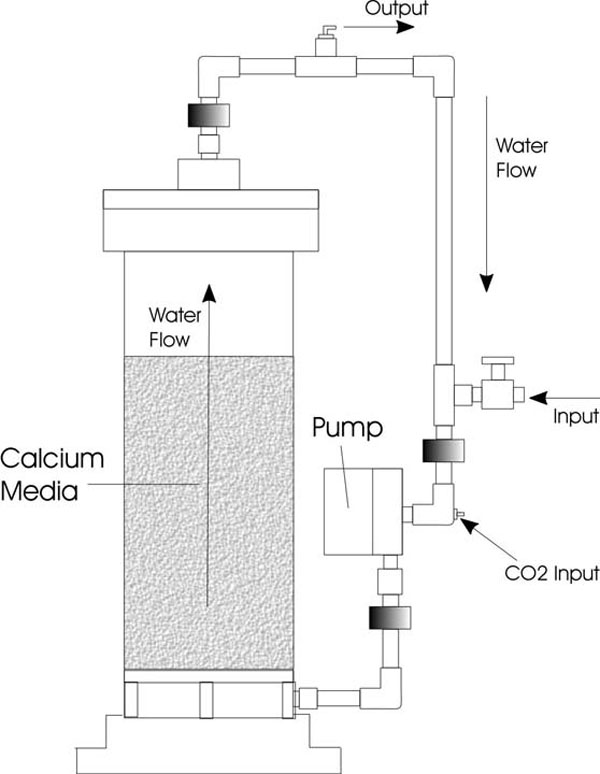
A calcium reactor works by circulating aquarium water through a chamber filled with calcium carbonate media. Carbon dioxide is introduced into the reactor, which lowers the internal pH enough to dissolve the media slowly. As that media breaks down, it releases calcium and alkalinity-rich effluent back into the aquarium. :contentReference[oaicite:4]{index=4}
The result is a steady addition of important reef-building elements without the frequent manual dosing that many high-demand systems otherwise require.
- Water enters the reactor chamber
- Carbon dioxide lowers the internal pH
- Calcium carbonate media begins dissolving
- Calcium- and alkalinity-rich effluent returns to the tank
This process is especially useful in reef tanks with growing SPS, LPS, clams, and other calcifying organisms that consume large amounts of calcium and alkalinity over time.
Why Reef Tanks Need Calcium and Alkalinity Support
Reef tanks are closed systems, which means calcium and alkalinity are constantly being used but not naturally replaced at the rate a growing coral system may need. As corals build skeleton and coralline algae spreads, the demand increases.
Without proper replenishment, hobbyists often begin seeing:
- Slower coral growth
- Poor skeletal development
- Parameter instability
- Stress in stony corals and other reef inhabitants
A calcium reactor helps solve that problem by delivering a more consistent supply of the major elements the reef is consuming.
The Main Types of Calcium Reactors
The source draft identifies three main calcium reactor styles commonly found in the reef aquarium market: recirculating, non-recirculating, and dual-stage designs. Each type has its own advantages depending on how much control, simplicity, and efficiency the reef keeper wants. :contentReference[oaicite:5]{index=5}
1. Recirculating Calcium Reactor
A recirculating calcium reactor sends water from the aquarium through the reactor and then recirculates it before returning it to the tank. The draft describes this type as offering better pH control and helping maintain a more stable environment. :contentReference[oaicite:6]{index=6}
Best for: reef keepers who want stronger control and a more refined setup.
Main advantages:
- Better pH control
- More stable operation
- Often preferred for higher-demand reef systems
2. Non-Recirculating Calcium Reactor
A non-recirculating calcium reactor allows water to pass through the reactor once before it returns to the aquarium. The draft notes that this design generally requires less maintenance, though it may not be as effective as a recirculating model. :contentReference[oaicite:7]{index=7}
Best for: hobbyists who want a simpler setup and are comfortable with a more basic design.
Main advantages:
- Simpler operation
- Less maintenance in some setups
- Useful for hobbyists who want fewer moving parts
3. Dual-Stage Calcium Reactor
A dual-stage calcium reactor uses two chambers. According to the source, one chamber handles media dissolution while the second helps with reintroduction of the effluent. This design improves pH control and allows more efficient use of the media. :contentReference[oaicite:8]{index=8}
Best for: serious reef keepers with higher-demand tanks and a desire for more efficient reactor performance.
Main advantages:
- Better pH management
- More efficient use of reactor media
- Strong option for larger or heavily stocked reef systems
Which Calcium Reactor Type Is Best?
The best type depends on your tank goals, coral demand, and how much complexity you are comfortable managing.
- Recirculating reactors are often the best all-around choice for control and stability
- Non-recirculating reactors may appeal to hobbyists who want something simpler
- Dual-stage reactors are often the strongest choice for advanced users and higher-demand reef systems
For many mature SPS-heavy tanks, recirculating or dual-stage systems usually make the most sense because they offer better long-term control.
Benefits of Using a Calcium Reactor
The source draft highlights several major benefits of using a calcium reactor in a reef tank. These benefits become more important as the tank matures and coral demand continues to rise. :contentReference[oaicite:9]{index=9}
A More Stable Reef Environment
Automatic replenishment of calcium and alkalinity helps keep those parameters more stable, which is especially beneficial for corals and other calcifying reef inhabitants. :contentReference[oaicite:10]{index=10}
Reduced Manual Maintenance
A calcium reactor can reduce the need for frequent manual dosing and other repetitive supplementation tasks. :contentReference[oaicite:11]{index=11}
Enhanced Coral Growth
The draft notes that corals and other invertebrates can grow faster and healthier when calcium and alkalinity remain consistently available in a stable system. :contentReference[oaicite:12]{index=12}
Long-Term Cost Efficiency
Although calcium reactors have a higher upfront cost, they may be more cost-effective over time than repeated manual supplementation in high-demand reef tanks. :contentReference[oaicite:13]{index=13}
When a Calcium Reactor Makes the Most Sense
Not every reef tank needs a calcium reactor. In many smaller or lower-demand aquariums, manual dosing may still be the simplest option. Calcium reactors usually make the most sense when:
- The tank is heavily stocked with SPS or other calcifying corals
- Manual dosing demand keeps increasing
- Calcium and alkalinity consumption is consistently high
- The reef keeper wants a more automated long-term solution
They are most often worth considering once the reef reaches a stage where growth is strong enough that manual supplementation becomes less practical.
What to Watch Out For
The source draft also emphasizes that calcium reactors require careful monitoring and maintenance. They are not a plug-and-forget solution. Incorrect setup or neglected maintenance can create problems in the reef tank instead of solving them. :contentReference[oaicite:14]{index=14}
- They require monitoring to ensure proper operation
- pH and effluent control matter
- Maintenance is still necessary even though dosing is automated
- Improper tuning can create instability instead of stability
That is why they are best used by reef keepers who are ready to monitor the system carefully and make adjustments as needed.
How Calcium Reactors Compare to Simpler Supplement Methods
A calcium reactor is not always the easiest method, but it is one of the most powerful for long-term reef stability when demand becomes high. Simpler methods such as hand dosing or automated two-part dosing may work better for smaller or lower-demand systems, while calcium reactors usually shine in larger or more mature coral-heavy tanks.
The main tradeoff is simple:
- Simpler methods: easier to start, more manual over time
- Calcium reactor: more complex upfront, often more efficient long term
Related Reef Tank Topics You May Also Like
If you are interested in calcium reactors and reef chemistry, these related guides may also help:
- pH and alkalinity in reef tanks
- How to maintain your saltwater aquarium
- Reef tank filtration guide
- Water flow guide
- Browse new arrival corals
Ready to build a reef tank that supports strong coral growth? Browse our new arrival corals and create a healthier, more stable reef system.
Final Thoughts
A calcium reactor is a powerful reefkeeping tool designed to replenish calcium, alkalinity, and related ions in a more automated and stable way than many manual methods. For reef tanks with growing demand, especially systems full of stony corals, it can be one of the most effective long-term solutions available. The best type depends on how much control, simplicity, and efficiency you want, but in all cases, proper monitoring and maintenance remain essential for success. :contentReference[oaicite:15]{index=15}
Frequently Asked Questions
Q: What does a calcium reactor do in a reef tank?
A: It helps replenish calcium, alkalinity, and other ions by dissolving calcium carbonate media and returning that effluent to the tank. :contentReference[oaicite:16]{index=16}
Q: What are the main types of calcium reactors?
A: The three main types are recirculating, non-recirculating, and dual-stage reactors. :contentReference[oaicite:17]{index=17}
Q: Which calcium reactor type offers the best control?
A: Recirculating and dual-stage reactors generally offer better pH control and more stable operation. :contentReference[oaicite:18]{index=18}
Q: Are calcium reactors worth it?
A: They often are for high-demand reef tanks, especially when coral growth makes manual dosing less practical. :contentReference[oaicite:19]{index=19}
Q: Do calcium reactors require maintenance?
A: Yes. They still require careful monitoring and maintenance to operate correctly and safely. :contentReference[oaicite:20]{index=20}
About the Author
Scott Shiles is the owner of ExtremeCorals.com, which he has operated for over 25 years and is recognized as one of the early dedicated live coral websites on the internet. A lifelong reef keeper since 1984, Scott has decades of hands-on experience maintaining marine aquariums and previously owned and operated a brick and mortar aquarium retail store for 10 years, including five years alongside Extreme Corals. He holds a degree in Marine Biology and has personally selected and sold hundreds of thousands of live corals. An avid scuba diver who has explored reef systems around the world, Scott shares practical coral care and husbandry knowledge based on real world reef experience.
overall rating:
my rating:
log in to rate
Please log in to leave a comment.
For more information visit: additional resources