My Cart: 0 item(s)

Extreme Corals News and Updates
The Impact of Water Flow on Coral Health: Tips for Creating the Right Conditions
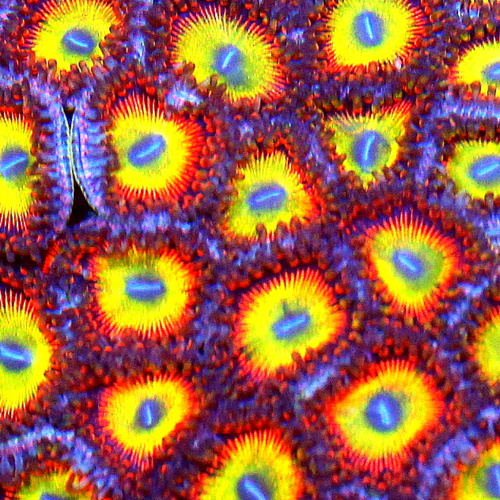
Understanding Water Flow and Its Role in Coral Growth, Health, and Reef Tank Success
Water flow is a critical factor in coral health, affecting nutrient delivery, waste removal, and overall growth. This guide explores how different types of corals respond to flow and provides practical tips for setting up the best water movement in your reef tank.
by scott Shiles • February 17, 2025
Reef Tank Maintenance, Reef Tank Equipment, All Corals
Why Water Flow Matters for Corals
Water flow is one of the most important but often overlooked aspects of reef tank success. In the wild, corals are constantly exposed to ocean currents, which provide essential nutrients, remove waste, and prevent harmful buildup on their surfaces. Without proper flow, corals can become stressed, experience poor growth, or even deteriorate over time.
Creating the right water movement in your aquarium is essential for mimicking the natural reef environment and ensuring coral health. This guide will break down the importance of water flow, how different corals respond to movement, and how to create the right conditions in your tank.
The Role of Water Flow in Coral Health
Water movement influences nearly every aspect of coral survival. Here’s how:
Nutrient Delivery and Oxygenation
Corals rely on water flow to bring essential nutrients, oxygen, and plankton to their polyps. SPS corals, which depend on strong lighting for photosynthesis, require water movement to distribute oxygen throughout their tissues. LPS and soft corals also benefit from steady but moderate flow to capture food particles efficiently.
Waste Removal and Preventing Detritus Build-Up
Without adequate flow, waste and detritus can settle on coral surfaces, leading to algae growth, bacterial infections, and tissue decay. Water movement flushes away mucus, uneaten food, and toxins, keeping corals clean and preventing diseases like brown jelly infections in LPS corals.
Encouraging Coral Growth and Natural Behavior
Proper flow stimulates coral polyps to extend and feed naturally, improving their overall health and resilience. High-energy reefs, like those with Acropora and Montipora, require strong, turbulent flow to promote skeletal development. In contrast, corals like Zoanthids and Mushrooms prefer gentler movement to avoid excessive stress.
Types of Water Flow and How They Affect Corals
Reef tanks should replicate natural water movement as closely as possible. There are several types of flow, each serving a unique purpose:
Laminar Flow (Constant, One-Directional Flow)
- Mimics strong ocean currents.
- Best for: SPS corals (Acropora, Montipora) that thrive in high-energy environments.
- Downside: Can create dead zones if not adjusted properly.
Turbulent Flow (Chaotic, Random Movement)
- Provides variable, natural movement that prevents stagnation.
- Best for: Mixed reef tanks with SPS, LPS, and soft corals.
- How to achieve: Use multiple powerheads placed at different angles to create swirling currents.
Pulsing Flow (Alternating Strong and Weak Currents)
- Simulates wave-like motion that corals experience on reefs.
- Best for: LPS corals (Torch, Hammer, Frogspawn) that enjoy gentle swaying.
- How to achieve: Use programmable wavemakers with alternating settings.
Gentle Flow (Minimal Water Movement)
- Ideal for delicate, low-energy corals that prefer slow-moving water.
- Best for: Soft corals (Mushrooms, Leather Corals, Xenia).
- How to achieve: Adjust return pump outlets or reduce powerhead intensity.
Best Water Flow Conditions for Different Coral Types
Each coral species thrives under different water movement conditions. Here’s a breakdown of ideal flow setups:
| Coral Type | Recommended Flow Type | Placement in Tank |
|---|---|---|
| SPS Corals (Acropora, Montipora, Birdsnest) | Strong, random turbulent flow | High in tank, direct exposure to flow |
| LPS Corals (Torch, Hammer, Frogspawn, Acans) | Moderate pulsing flow | Mid-level tank, indirect exposure |
| Soft Corals (Leather Corals, Zoanthids, Xenia, Mushrooms) | Gentle to moderate flow | Bottom or shaded areas, away from direct currents |
| Encrusting Corals (GSP, Montipora, Chalice Corals) | Moderate, evenly distributed flow | Mid to low-level areas with open surfaces |
How to Create the Ideal Water Flow in Your Tank
Use Multiple Powerheads for Even Distribution
Instead of using one strong pump, position multiple powerheads to create intersecting currents. This prevents dead spots and ensures all corals receive proper flow.
Recommended Equipment:
- EcoTech Marine VorTech MP40/MP10 – Adjustable, wireless, and ideal for all reef setups.
- AI Nero 3/5 – Compact but powerful for creating wide, randomized flow.
- Tunze Nanostream Pumps – Great for nano and mixed reef tanks.
Adjust Placement and Flow Strength Based on Coral Needs
- High-energy corals (SPS) should be placed in strong, turbulent flow areas.
- LPS corals should be in areas where water movement is indirect and pulsing.
- Soft corals need low-flow regions where movement is minimal.
Invest in a Programmable Wavemaker
Automated wavemakers allow custom flow schedules that mimic real ocean conditions. By changing flow patterns throughout the day, corals experience natural stimulation and improved growth.
Monitor Coral Behavior and Adjust as Needed
Signs of too much flow:
- Corals retracting or failing to extend polyps.
- LPS corals being blown over or struggling to expand.
- Soft corals showing tissue recession.
Signs of too little flow:
- Corals accumulating detritus or slime.
- Lack of polyp extension and feeding response.
- Algae or bacterial growth on coral surfaces.
Balance is Key to Coral Health
Water flow is just as important as lighting and water chemistry when it comes to reef tank success. By understanding the different types of water movement and how they impact coral health, you can optimize your setup for growth, coloration, and overall tank stability.
Creating the right flow conditions ensures your corals stay healthy, clean, and well-fed. By investing in quality equipment and monitoring coral responses, you can build a reef tank that mimics nature as closely as possible.
Looking for high-quality corals to add to your reef? Browse our collection at ExtremeCorals.com and find the perfect addition to your setup.
overall rating:
my rating:
log in to rate
Please log in to leave a comment.
For more information visit: additional resources