My Cart: 0 item(s)

Extreme Corals News and Updates
Reef Tank Equipment Guide: Essential Tools and Accessories for Coral Success
Learn the must-have reef tank equipment for coral health, including lighting, flow pumps, skimmers, ATO systems, heaters, test kits, controllers, dosing tools and maintenance accessories.
Learn the essential reef tank tools and accessories for coral success, including lighting, protein skimmers, ATO systems, test kits, flow pumps and maintenance gear.
by Scott Shiles • May 13, 2026
Successful reef tanks are built on stability. Beautiful corals matter, but even the healthiest coral can struggle if the aquarium does not have reliable lighting, water movement, temperature control, salinity stability, filtration, and testing. The right reef tank tools and accessories help create a more consistent environment where corals can open, grow, color up, and recover from normal stress.
For new reef keepers, equipment choices can feel overwhelming. There are lights, pumps, skimmers, heaters, controllers, dosing systems, test kits, algae scrapers, frag tools, and maintenance accessories. The goal is not to buy every gadget available. The goal is to build a dependable system that supports the corals you actually want to keep.
At Extreme Corals, we see equipment as part of coral husbandry. A reef tank with stable salinity, correct lighting, proper flow, clean source water, and regular testing gives corals a much better chance to thrive. This guide explains the essential reef tank tools and accessories that matter most for coral success, how each one supports reef health, and how to match equipment to soft corals, LPS corals, SPS corals, mushrooms, and zoanthids.
Why Reef Tank Equipment Matters
Reef aquarium equipment matters because corals depend on consistency. In the ocean, water movement, chemistry, light, and temperature are supported by a massive natural system. In a home aquarium, the equipment has to help create that stability in a much smaller volume of water.
Good reef equipment helps control:
- Lighting intensity and spectrum
- Water movement and oxygen exchange
- Temperature stability
- Salinity stability
- Nutrient export
- Calcium, alkalinity, and magnesium demand
- Routine testing and maintenance
- Algae and detritus control
Equipment does not replace good husbandry, but it makes good husbandry easier. A reliable setup gives reef keepers more predictable results and reduces the chance of avoidable coral stress.
Reef Tank Lighting Systems
Lighting is one of the most important tools in a coral reef aquarium because many corals depend on photosynthesis through symbiotic algae living in their tissue. Proper reef lighting supports coral color, growth, energy production, and daily behavior.
Modern reef lighting options include LED fixtures, T5 fixtures, and hybrid LED/T5 systems. LED lights are popular because they are adjustable, efficient, and can provide the blue-heavy spectrum many corals respond to well. T5 lighting provides even spread and reduced shadowing. Hybrid systems can combine the control of LEDs with the coverage of T5s.
Lighting should be matched to the coral type:
- Soft corals: Often do well under low to moderate or moderate lighting.
- Mushroom corals: Usually prefer lower to moderate light.
- Zoanthids: Often do well in moderate light with gradual acclimation.
- LPS corals: Usually prefer moderate lighting and careful placement.
- SPS corals: Usually need stronger lighting and more stable water chemistry.
Avoid sudden lighting changes. Corals can bleach or shrink if intensity is increased too quickly. A stable lighting schedule with gradual ramp-up and ramp-down is safer than frequent major adjustments.
Powerheads and Flow Pumps
Water movement is essential in a reef tank. Flow delivers oxygen and nutrients, removes waste, keeps detritus from settling, and helps corals shed mucus and debris. Poor flow can lead to dead spots, algae problems, tissue irritation, and weak coral growth.
Good reef flow should be matched to the coral:
- SPS corals: Strong, broad, random flow.
- LPS corals: Low to moderate or moderate indirect flow.
- Soft corals: Gentle to moderate movement depending on species.
- Mushrooms: Usually lower flow so they can stay attached and expanded.
- Zoanthids: Enough flow to keep debris off the colony without blasting polyps closed.
Powerheads and wavemakers should create movement throughout the tank without blasting one coral directly all day. Random or alternating flow is often better than narrow constant streams.
Protein Skimmers
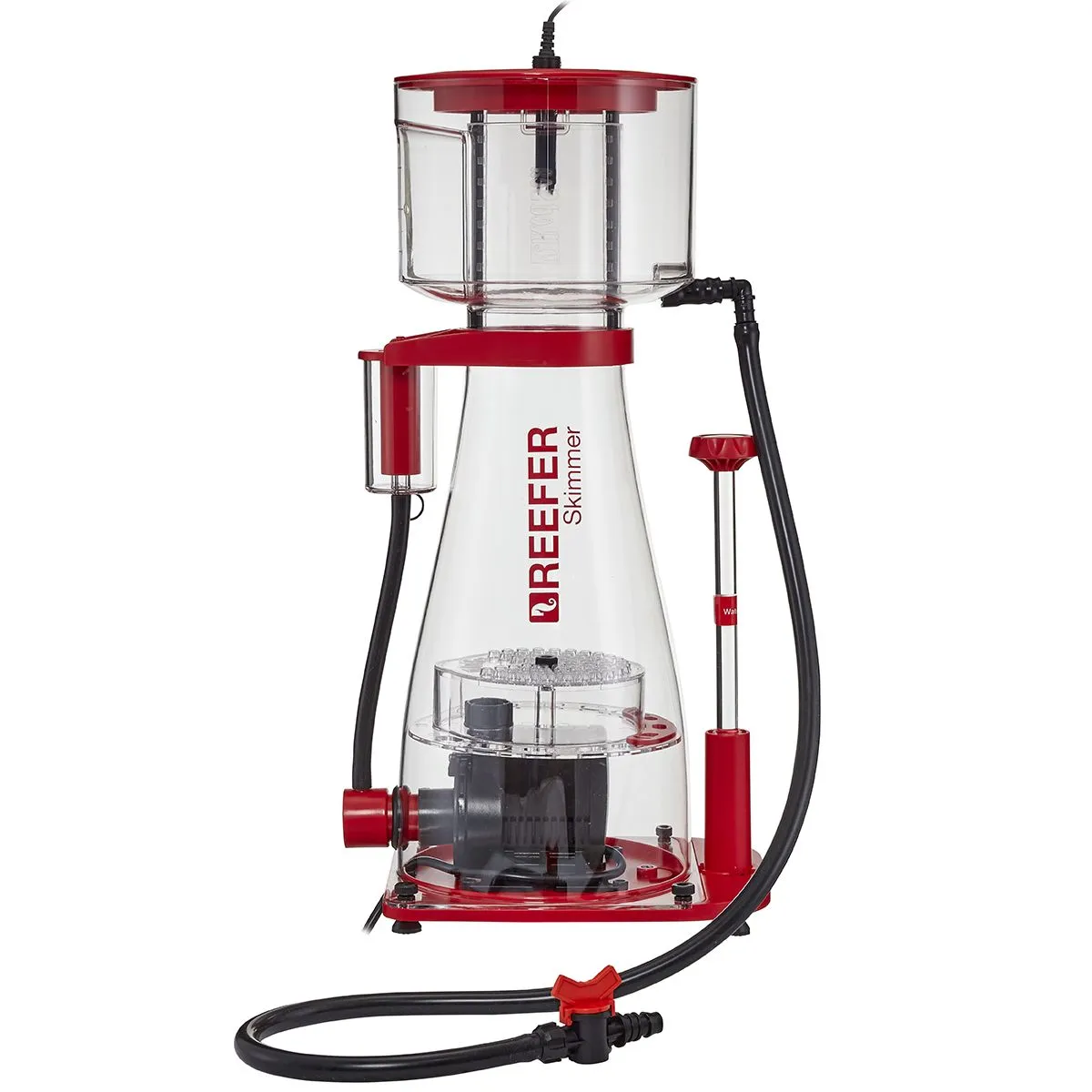
A protein skimmer helps remove dissolved organic waste before it breaks down into nitrate and phosphate. Skimmers are especially useful in tanks with heavier fish loads, frequent feeding, SPS corals, or systems where nutrient control is a challenge.
A protein skimmer can help:
- Improve water clarity
- Remove dissolved organics
- Support gas exchange
- Reduce nutrient buildup
- Improve overall system stability
A skimmer is not mandatory for every reef tank, but it is a valuable tool for many systems. The skimmer should be sized appropriately for the aquarium and cleaned regularly so it performs consistently.
Auto Top-Off Systems
An auto top-off system, or ATO, is one of the most useful reef tank accessories for stability. As water evaporates from the aquarium, freshwater leaves but salt remains behind. If evaporation is not replaced with fresh water, salinity rises.
An ATO system automatically replaces evaporated water with fresh RO/DI water, helping keep salinity stable. Stable salinity is especially important for corals because sudden changes can stress tissue, reduce polyp extension, and affect overall health.
A good ATO setup should include:
- A reliable sensor
- A clean freshwater reservoir
- A safe pump size
- Protection against overfilling
- Regular inspection and cleaning
For many reef keepers, an ATO is one of the first automation tools worth adding because it helps prevent one of the most common stability problems.
Heaters and Temperature Controllers
Temperature stability is critical in reef aquariums. Corals can tolerate a reasonable range, but they do not respond well to sudden swings or unreliable heaters. A quality heater and temperature controller help prevent dangerous overheating or chilling.
Best practices for temperature control include:
- Use a reliable heater sized for the tank.
- Consider using two smaller heaters instead of one oversized heater.
- Use a temperature controller for extra safety.
- Keep heaters in an area with steady water movement.
- Check temperature daily or use a monitor.
Most reef tanks do well around 76-80°F, but stability matters more than constantly chasing one exact number.
Water Testing Kits and Monitoring Tools
Testing is one of the most important habits in reef keeping. Without testing, it is easy to guess wrong about why corals are struggling. Reliable test kits and monitoring tools help reef keepers identify trends before they become serious problems.
Important reef tank tests include:
- Salinity
- Temperature
- Alkalinity
- Calcium
- Magnesium
- Nitrate
- Phosphate
- pH
- Ammonia and nitrite in new systems
New tanks should be tested more frequently while they stabilize. Mature tanks can often follow a consistent weekly or routine schedule, depending on coral demand and system complexity.
RO/DI Water Systems
Clean source water is one of the foundations of reef tank success. Tap water can contain chlorine, chloramine, copper, nitrate, phosphate, silicate, and other contaminants that may contribute to algae problems or coral stress.
An RO/DI system removes unwanted impurities before salt is mixed or top-off water is added. Using RO/DI water helps create a cleaner baseline for reef chemistry and makes problems easier to diagnose.
RO/DI water is used for:
- Mixing new saltwater
- Auto top-off reservoirs
- Emergency water changes
- Reducing unwanted nutrients and contaminants
Replace RO/DI filters when needed and monitor TDS so the system continues producing clean water.
Dosing Pumps and Additive Control
As stony corals grow, they consume alkalinity, calcium, and magnesium. In tanks with many LPS or SPS corals, water changes alone may not always keep up with demand. Dosing pumps can help maintain stable levels by adding supplements slowly and consistently.
Dosing equipment may be useful for:
- Alkalinity
- Calcium
- Magnesium
- Trace elements in appropriate systems
- Amino acids or other additives when used carefully
Dosing should always be based on testing. Never dose blindly. Stability is the goal, and overdosing can cause more damage than underdosing if corrections are made too aggressively.
Reef Controllers and Automation
Reef controllers can help automate and monitor important parts of the aquarium, including temperature, lighting, pumps, pH, dosing, leak detection, and alerts. Advanced reef keepers often use controllers to reduce human error and improve consistency.
Automation can help with:
- Temperature monitoring
- Lighting schedules
- Dosing schedules
- ATO monitoring
- pH tracking
- Pump control
- Emergency alerts
Controllers are useful, but they are not a substitute for observation. Equipment can fail, probes need calibration, and corals still need to be watched. The best reef keepers use automation as a support tool, not as a replacement for husbandry.
Maintenance Tools and Accessories
Small maintenance tools make reef keeping easier and help prevent small problems from becoming larger ones. A clean tank is not only more attractive, it also helps reduce detritus buildup, algae pressure, and coral irritation.
Useful maintenance tools include:
- Algae scrapers
- Magnetic glass cleaners
- Turkey basters for detritus removal
- Coral feeding pipettes
- Frag plugs and glue
- Coral cutters or bone cutters
- Buckets and mixing containers
- Powerheads for saltwater mixing
- Measuring cups and dedicated reef tools
Keep reef tools separate from household cleaning tools. Avoid soap, chemicals, and residues that could harm the aquarium.
Best Equipment Setup for Soft Corals
Soft corals are often the most forgiving coral group for beginners. They usually do not need extremely intense lighting or advanced dosing systems, but they still benefit from stable water, proper flow, and clean source water.
A good soft coral setup includes:
- Moderate reef lighting
- Gentle to moderate water flow
- Stable salinity and temperature
- Regular nitrate and phosphate testing
- RO/DI water
- Basic maintenance tools
Soft corals such as zoanthids, mushrooms, leathers, and clove polyps can be excellent choices for newer reef keepers when placement is planned carefully.
Best Equipment Setup for LPS Corals
LPS corals usually need stable water chemistry, moderate lighting, and indirect flow. Many LPS corals have fleshy tissue that can be damaged by strong direct current, so flow control is especially important.
A good LPS coral setup includes:
- Moderate reef lighting with gradual acclimation
- Low to moderate or moderate indirect flow
- Reliable alkalinity, calcium, and magnesium testing
- Optional target feeding tools
- ATO for salinity stability
- Enough room for coral expansion and sweeper tentacles
As LPS colonies grow, monitor alkalinity and calcium demand. A tank with many stony corals may eventually need dosing support.
Best Equipment Setup for SPS Corals
SPS corals usually need the strongest equipment foundation because they demand stable chemistry, strong lighting, and strong random flow. Acropora, Montipora, Birdsnest, Stylophora, and Pocillopora all perform best when the tank is mature and consistent.
A good SPS setup often includes:
- Strong reef lighting with good spread
- Multiple flow pumps or strong random circulation
- Reliable alkalinity testing
- Dosing pumps or calcium/alkalinity support as demand increases
- Protein skimmer or strong nutrient export
- ATO for salinity stability
- Regular monitoring of nitrate and phosphate
SPS corals reward stability, but they can decline quickly when alkalinity, salinity, nutrients, flow, or lighting become unstable.
Beginner Reef Tank Equipment Checklist
A beginner does not need the most expensive setup, but the basics should be reliable. Cutting corners on core stability tools often leads to problems later.
A strong beginner reef tank checklist includes:
- Reef-capable light
- Heater and thermometer
- Powerhead or wavemaker
- RO/DI water source
- Refractometer or accurate salinity checker
- Basic test kits
- Salt mix and mixing container
- ATO system if possible
- Algae scraper and maintenance tools
- Coral dip and inspection tools
Start with dependable essentials, then upgrade as coral demand increases.
Common Reef Equipment Mistakes
Many reef tank problems come from equipment that is undersized, poorly maintained, or adjusted too aggressively. Even good equipment can cause issues if used incorrectly.
Common mistakes include:
- Using weak lighting for SPS corals
- Running lights too strong for mushrooms or fleshy LPS corals
- Blasting corals with direct flow
- Skipping salinity control
- Using tap water instead of RO/DI water
- Not testing alkalinity regularly
- Letting probes or test kits go uncalibrated or expired
- Dosing without testing
- Buying advanced controllers before understanding basic reef care
The best equipment plan is simple, reliable, and matched to the corals you want to keep.
Related Corals You May Also Like
If you are planning reef tank equipment around coral needs, these coral categories and care resources can help you choose livestock that matches your setup:
- New Arrival Corals - Browse recently added WYSIWYG corals for reef aquariums.
- New Coral Frags - Explore coral frags for new and established reef systems.
- LPS Corals - Shop fleshy stony corals that prefer moderate light and indirect flow.
- SPS Corals - Browse SPS corals for mature reef tanks with stronger lighting and flow.
- Zoanthids - Add colorful beginner-friendly polyps to moderate-light reef zones.
- Ricordia Mushrooms - Explore colorful mushrooms for lower-flow, lower-light areas.
- Reef Tank Lighting Guide - Learn how lighting affects coral growth and color.
- Water Flow and Coral Health - Understand how flow supports coral health.
- Coral Care Guides - Browse care resources for soft corals, LPS, SPS, mushrooms, and zoanthids.
Shop Corals for Your Reef System
The right reef tank tools and accessories help create the stable environment corals need to thrive. Once your lighting, flow, salinity, temperature, and water quality are under control, you can choose corals that match your system and experience level.
Browse new arrival corals, Scott's Handpicked Corals, LPS corals, SPS corals, and zoanthids at ExtremeCorals.com to find healthy corals for your reef tank.
Frequently Asked Questions About Reef Tank Tools and Accessories
What equipment do I need for a reef tank?
A reef tank needs reef-capable lighting, water movement, temperature control, salinity testing, clean source water, filtration, water test kits, and basic maintenance tools.
What is the most important reef tank tool?
The most important tools are the ones that protect stability: reliable lighting, an accurate salinity checker, heater, flow pumps, test kits, and an auto top-off system if possible.
Do I need a protein skimmer for a reef tank?
A protein skimmer is not required for every reef tank, but it is highly useful for nutrient export, water clarity, gas exchange, and overall stability in many systems.
Is an auto top-off system worth it?
Yes, an ATO system is one of the most useful reef accessories because it helps maintain stable salinity by replacing evaporated freshwater automatically.
How often should I test reef tank water?
New reef tanks should be tested frequently while they stabilize. Established reef tanks should still be tested regularly for salinity, alkalinity, nitrate, phosphate, calcium, magnesium, and temperature.
Do soft corals need expensive equipment?
Soft corals usually do not need the most advanced equipment, but they still need stable salinity, proper lighting, appropriate flow, clean water, and consistent maintenance.
What equipment is most important for SPS corals?
SPS corals usually need strong reef lighting, strong random flow, stable alkalinity, reliable testing, nutrient control, and dosing support as coral growth increases.
Can too much equipment make reef keeping harder?
Yes. Too much equipment can create confusion if the basics are not understood. A simple, reliable, well-maintained system is often better than an overcomplicated setup.
About the Author
Scott Shiles is the owner of ExtremeCorals.com, which he has operated for over 25 years and is recognized as one of the early dedicated live coral websites on the internet. A lifelong reef keeper since 1984, Scott has decades of hands-on experience maintaining marine aquariums and previously owned and operated a brick and mortar aquarium retail store for 10 years, including five years alongside Extreme Corals. He holds a degree in Marine Biology and has personally selected and sold hundreds of thousands of live corals. An avid scuba diver who has explored reef systems around the world, Scott shares practical coral care and husbandry knowledge based on real world reef experience.
overall rating:
my rating:
log in to rate
Please log in to leave a comment.
For more information visit: additional resources