My Cart: 0 item(s)

Extreme Corals News and Updates
Coral Care Myths: Reef Tank Facts Every Hobbyist Should Know
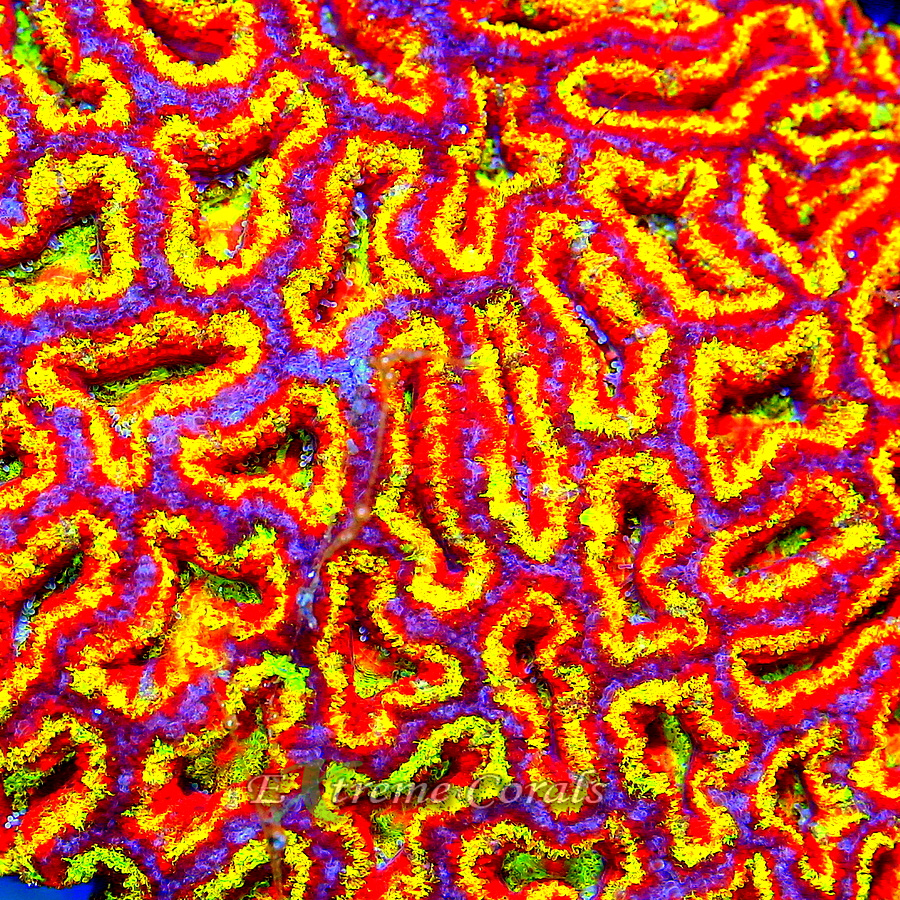
Learn the truth behind common coral care myths, including feeding, lighting, water flow, nutrients, nano tanks, coral spacing, acclimation and reef tank success.
Debunk common coral care myths about feeding, lighting, flow, nutrients, nano tanks, coral spacing and acclimation so your reef corals stay healthier.
by Scott Shiles • May 07, 2026
Reef Tank Maintenance, Reef Tank Equipment, All Corals
Coral care is one of the most rewarding parts of reef keeping, but it is also one of the easiest areas for bad advice to spread. New hobbyists often hear simple rules like “corals only need light,” “cleaner water is always better,” or “high lighting grows everything faster.” The problem is that coral care is not that simple. Corals are living animals with different feeding habits, lighting needs, flow preferences, aggression levels, and environmental tolerances.
Some coral care myths sound harmless, but they can lead to real problems in a reef tank. Poor feeding habits can slow growth. Excessive lighting can bleach sensitive corals. Ultra-low nutrients can starve LPS and soft corals. Bad placement can cause stinging, shading, and tissue recession. The better you understand what corals actually need, the easier it becomes to build a stable reef tank that supports long-term coral health.
At Extreme Corals, we work with corals every day and see how much better hobbyists do when they move past one-size-fits-all advice. This guide breaks down common coral care myths and explains the reef tank facts behind them, including feeding, lighting, nutrients, water flow, nano tanks, coral spacing, acclimation, and long-term husbandry. For broader coral care help, you can also review our coral care guide, reef tank lighting guide, and reef tank water parameters guide.
Why Coral Care Myths Cause Problems
Most reef tank myths become popular because they contain a small piece of truth. Light is important. Clean water matters. Large tanks are more stable. Some corals are easier than others. But when those ideas are simplified too far, they become misleading.
Coral care mistakes often come from treating every coral the same. A torch coral does not need the same flow as an Acropora. A mushroom coral does not need the same lighting as a Montipora. A fleshy open brain coral does not tolerate the same placement as a hardy soft coral. The most successful reef keepers learn to match each coral to its real needs instead of following blanket rules.
Accurate coral care information helps prevent:
- Bleaching from excessive lighting
- Poor extension from incorrect flow
- Tissue damage from bad placement
- Slow growth from unstable nutrients
- Coral aggression from overcrowding
- Pest problems from skipping inspection or quarantine
The goal is not to make reef keeping complicated. The goal is to replace shortcuts with practical, coral-specific decision making.
Myth 1: Corals Do Not Need Feeding Because They Get Everything From Light
Many corals contain symbiotic algae called zooxanthellae that use light to produce energy through photosynthesis. That relationship is extremely important, but it does not mean every coral gets everything it needs from light alone.
Many corals also benefit from dissolved nutrients, plankton, fine particulate foods, amino acids, fish waste, and occasional target feeding. Fleshy LPS corals such as Acanthophyllia, Trachyphyllia, and Lobophyllia often show obvious feeding responses and may grow fuller when fed carefully.
The truth is:
- Photosynthetic corals still benefit from balanced nutrients.
- Many LPS corals respond well to occasional target feeding.
- Non-photosynthetic corals rely heavily or entirely on feeding.
- Overfeeding can cause nutrient spikes, algae, and bacterial issues.
- Feeding should match the coral and the tank’s nutrient export capacity.
A good reef tank does not starve corals, but it also does not dump in food carelessly. Controlled feeding, stable nutrients, and observation are better than either extreme.
Myth 2: High Lighting Is Always Better for Coral Growth
High lighting is not automatically better. Some corals thrive under strong reef lighting, especially many SPS corals such as Acropora and Montipora. Other corals can bleach, shrink, fade, or recede when placed too high under intense light.
Lighting needs depend on the coral species, previous lighting, tank depth, water clarity, fixture strength, spectrum, and acclimation history. A coral that was healthy under moderate light can be shocked if moved suddenly into a high-PAR area.
The truth is:
- Different corals need different light levels.
- Too much light can bleach or stress sensitive corals.
- Too little light can reduce color and growth.
- Gradual acclimation is safer than sudden intensity changes.
- Placement should match coral type, not just what looks brightest.
Lighting should be treated as a tool, not a contest. For a deeper breakdown of PAR, spectrum, and light acclimation, read our reef tank lighting guide.
Myth 3: Corals Need Ultra-Clean Water With Zero Nutrients
Ultra-clean water sounds good, but zero nutrients are not ideal for many reef tanks. Corals need a balanced environment, not sterile water. Extremely low nitrate and phosphate can lead to pale color, poor growth, weak tissue, and instability, especially in LPS and soft coral systems.
The opposite extreme is also a problem. Excessive nitrate and phosphate can fuel nuisance algae, irritate coral tissue, reduce coloration, and create long-term maintenance issues. The goal is measurable, controlled nutrients that remain stable.
The truth is:
- Most reef tanks do better with low but measurable nutrients.
- Zero nitrate and phosphate can stress or pale some corals.
- Excess nutrients can fuel algae and coral health problems.
- Stability matters more than chasing perfect numbers.
- Different coral groups may prefer slightly different nutrient conditions.
Many LPS corals do well in clean but not stripped reef water. SPS systems often need tighter nutrient control, but even SPS corals can suffer if the system becomes too nutrient-depleted. For a practical reference, review our reef tank water parameters guide.
Myth 4: All Corals Need the Same Water Flow
Water flow is one of the most misunderstood parts of coral care. Some corals need strong, random, indirect flow to deliver oxygen and remove waste. Others need gentler movement so their fleshy tissue can expand without being damaged.
For example, many SPS corals prefer strong indirect flow, while fleshy LPS corals like Indophyllia and Acanthophyllia usually need gentler flow. Euphyllia corals such as Hammer Coral and Frogspawn Coral often look best with moderate indirect movement that creates a soft swaying motion.
The truth is:
- SPS corals often need stronger, more turbulent flow.
- Many LPS corals prefer moderate indirect flow.
- Fleshy sandbed corals often need gentle flow.
- Direct blasting can damage coral tissue.
- Flow should remove waste without preventing normal expansion.
Adjustable pumps and thoughtful aquascaping make it easier to create different flow zones. Our water flow and coral health guide explains how to use flow more effectively.
Myth 5: Corals Only Survive in Large Tanks
Large tanks are generally more stable because they have more water volume, but that does not mean corals cannot thrive in smaller aquariums. Nano reef tanks can be successful when the hobbyist manages salinity, temperature, nutrients, lighting, and maintenance carefully.
The challenge with smaller tanks is that changes happen faster. Evaporation affects salinity more quickly. Overfeeding affects nutrients more quickly. Temperature can swing faster. That means nano tanks require discipline, but they are not impossible.
The truth is:
- Corals can thrive in nano tanks with stable conditions.
- Smaller tanks require closer monitoring.
- Evaporation and salinity swings are bigger risks in small systems.
- Not every coral is ideal for a nano reef.
- Soft corals, zoanthids, mushrooms, and some LPS corals can work well in smaller tanks.
A small, stable reef is better than a large, neglected one. The best tank size is the one you can maintain consistently.
Myth 6: Corals Can Be Placed Close Together Without Problems
Corals may look peaceful, but many are aggressive. Some extend sweeper tentacles, some sting through direct contact, some shade their neighbors, and some spread quickly across rockwork. Coral placement is one of the biggest factors in long-term reef tank success.
Crowding corals may look impressive in the short term, but it often causes problems later as colonies grow. A small frag with plenty of space today may become a stinging, shading, or spreading problem months later.
The truth is:
- Many LPS corals can sting nearby corals.
- Fast-growing soft corals can overtake rockwork.
- Mushrooms and zoanthids can crowd slower corals.
- Plating corals can shade lower corals as they grow.
- Spacing should account for future growth, not just current frag size.
Good coral placement means planning for growth, aggression, lighting, and flow before the coral is glued in place. For a complete placement strategy, read our coral placement guide.
Myth 7: Adding New Corals Is Easy: Just Put Them in the Tank
New corals should not simply be dropped into the display without thought. Shipping, bag water, temperature changes, lighting differences, pests, and handling can all stress a coral. A rushed introduction can cause bleaching, poor extension, pest outbreaks, or tissue damage.
At minimum, new corals should be inspected carefully, temperature acclimated, and placed in an appropriate light and flow zone. Many reef keepers also use coral dips and quarantine practices to reduce the risk of pests entering the display.
The truth is:
- New corals should be inspected before placement.
- Temperature acclimation helps reduce stress.
- Light acclimation is important for sensitive corals.
- Coral dips can help reduce pest risk when used correctly.
- Quarantine is one of the best ways to protect a mature reef tank.
A coral may survive a rushed introduction, but survival is not the same as success. Better acclimation and inspection habits improve the odds that new corals settle in well.
Myth 8: More Supplements Always Mean Better Coral Growth
Many reef keepers assume that adding more supplements will automatically produce faster growth and brighter color. In reality, dosing without testing can create instability and cause more harm than good.
Corals need stable alkalinity, calcium, magnesium, salinity, nutrients, and trace elements. But adding products blindly can push levels out of range or create swings that stress corals. This is especially important in smaller tanks or young systems where water chemistry can change quickly.
The truth is:
- Only dose what you can test or reasonably track.
- Alkalinity stability is more important than constantly chasing numbers.
- Calcium and magnesium should stay in balance with alkalinity.
- Trace elements are not a replacement for stable core parameters.
- Regular water changes can supply many elements in many systems.
Good coral growth comes from stability first. Supplements can help when used correctly, but they are not a shortcut around testing and husbandry.
Myth 9: Coral Pests Are Rare and Not Worth Worrying About
Coral pests are not something to panic about, but they are also not something to ignore. Flatworms, nudibranchs, pest snails, vermetids, algae, and hitchhikers can irritate corals, reduce growth, or spread through a display if they are introduced unnoticed.
The best time to find pests is before a coral enters the main tank. Once a pest becomes established in a reef display, removal is usually harder and more stressful.
The truth is:
- New corals should be inspected carefully.
- Coral dips can reduce pest risk when used correctly.
- Quarantine is safer than relying on dips alone.
- Some pests are coral-specific and easy to miss.
- Early detection is much easier than display-tank removal.
For more help identifying warning signs, read our coral pests and predators guide.
Myth 10: If a Coral Looks Bad, Move It Immediately
When a coral looks stressed, the first instinct is often to move it right away. Sometimes that is the right choice, especially if the coral is being blasted by flow, stung by another coral, buried in sand, or clearly burning under intense light. But constant moving can also make stress worse.
Before moving a coral, look for the most likely cause. Check lighting, flow, recent water parameter changes, nearby coral aggression, pests, fish nipping, and handling damage. If the coral is in a reasonable spot, improving stability may be better than repeatedly relocating it.
The truth is:
- Move a coral if the current spot is clearly harmful.
- Avoid moving corals repeatedly without understanding the problem.
- Check water parameters before assuming placement is the issue.
- Look for pests, stings, and tissue damage.
- Give new corals time to settle when conditions are appropriate.
Observation is one of the most valuable reef keeping skills. A coral’s tissue, color, extension, feeding response, and recession pattern often reveal what needs to be corrected.
The Real Foundation of Coral Success
Successful coral care is not about one magic setting, one perfect product, or one universal rule. It is about matching the coral to the right environment and keeping that environment stable over time.
The real foundation includes:
- Stable salinity and temperature
- Appropriate lighting for each coral type
- Correct indirect water flow
- Balanced nutrients, not zero nutrients
- Careful coral spacing and compatibility planning
- Inspection, acclimation, and pest prevention
- Patient adjustments instead of constant changes
When reef keepers replace myths with practical coral-specific care, their tanks usually become more stable, more colorful, and easier to maintain.
Related Corals and Reef Tank Topics You May Also Like
If you are working to avoid common coral care mistakes, these related guides can help you build a stronger foundation:
- Coral Care Guide - Start with general coral care, placement, lighting, and water quality basics.
- Reef Tank Lighting Guide - Learn how lighting affects coral growth, color, and stress.
- Water Flow and Coral Health - Understand how flow affects extension, feeding, and waste removal.
- Coral Placement Guide - Place corals with spacing, aggression, light, and flow in mind.
- Coral Pests and Predators Guide - Learn what to inspect before adding corals.
- Best Beginner Corals - Choose forgiving corals for new reef tanks.
- New Arrival Corals - Browse recently added corals for your reef tank.
- Scott's Handpicked Corals - Explore standout corals selected for color and quality.
Shop Healthy Corals With Better Care Knowledge
The best reef tanks are built with healthy corals, stable husbandry, and accurate information. When you understand coral feeding, lighting, water flow, nutrients, spacing, and acclimation, you can make smarter choices and avoid the myths that cause many reef tank problems.
Browse new arrival corals, LPS corals, SPS corals, soft corals, and Zoanthids at ExtremeCorals.com to find corals that fit your reef tank and experience level.
Frequently Asked Questions About Coral Care Myths
Do corals need to be fed?
Many corals are photosynthetic, but they can still benefit from balanced nutrients and occasional feeding. Fleshy LPS corals and non-photosynthetic corals often depend more heavily on external food.
Is high lighting always better for corals?
No. Some SPS corals need strong light, but many LPS and soft corals do better under low to moderate lighting. Too much light can cause bleaching and tissue stress.
Should nitrate and phosphate be zero in a reef tank?
No. Many reef tanks do better with low but measurable nitrate and phosphate. Zero nutrients can cause pale color and poor coral health, while excessive nutrients can fuel algae and irritation.
Do all corals need the same flow?
No. SPS corals often prefer strong indirect flow, many LPS corals prefer moderate flow, and fleshy sandbed corals often need gentle indirect movement.
Can corals thrive in nano tanks?
Yes, corals can thrive in nano tanks if salinity, temperature, nutrients, lighting, and maintenance remain stable. Smaller tanks require closer attention because changes happen faster.
Can corals be placed close together?
Some compatible corals can be placed near each other, but many corals sting, shade, spread, or compete for space. It is safer to leave room for full expansion and future growth.
Do new corals need acclimation?
Yes. New corals should be inspected, temperature acclimated, and placed carefully. Many reef keepers also dip or quarantine new corals to reduce pest risk.
Should I move a stressed coral right away?
Only move a coral immediately if the current location is clearly harmful. Otherwise, check water parameters, flow, light, pests, and aggression before repeatedly moving the coral.
About the Author
Scott Shiles is the owner of ExtremeCorals.com, which he has operated for over 25 years and is recognized as one of the early dedicated live coral websites on the internet. A lifelong reef keeper since 1984, Scott has decades of hands-on experience maintaining marine aquariums and previously owned and operated a brick and mortar aquarium retail store for 10 years, including five years alongside Extreme Corals. He holds a degree in Marine Biology and has personally selected and sold hundreds of thousands of live corals. An avid scuba diver who has explored reef systems around the world, Scott shares practical coral care and husbandry knowledge based on real world reef experience.
overall rating:
my rating:
log in to rate
Please log in to leave a comment.
For more information visit: additional resources