My Cart: 0 item(s)

Extreme Corals News and Updates
Coral Microbiome Guide: How Invisible Reef Life Supports Coral Health, Color and Growth
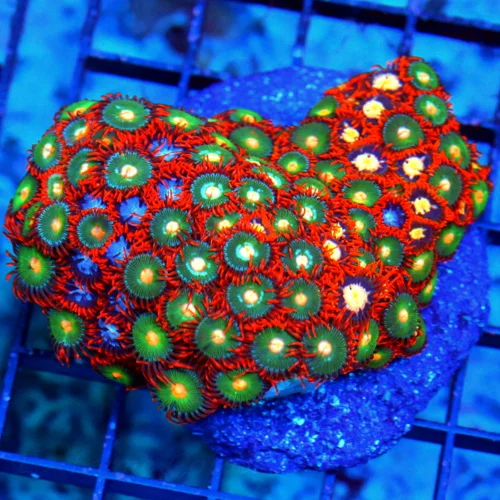
Learn how the coral microbiome affects reef tank health, including zooxanthellae, beneficial bacteria, nutrients, stress, disease resistance, coral color, probiotics and stability.
Learn how the coral microbiome supports coral health, color, growth and disease resistance, including zooxanthellae, beneficial bacteria, nutrients and reef tank stability.
by Scott Shiles • May 12, 2026
The coral microbiome is one of the most important parts of reef health, even though most of it is invisible to the eye. Every coral is more than a single animal. It is a living partnership made up of coral tissue, symbiotic algae, bacteria, archaea, fungi, viruses, mucus, and surrounding microorganisms that all influence how the coral grows, feeds, resists disease, and responds to stress.
For reef keepers, this matters because coral health is not controlled by lighting, flow, and water chemistry alone. Those visible parts of reef care affect the invisible microbial world that helps corals survive. When the microbiome is balanced, corals are often more resilient, colorful, and responsive. When that balance is disrupted, corals may become more vulnerable to disease, bleaching, tissue recession, and poor long-term growth.
At Extreme Corals, we see coral health as a complete system. Stable water, proper lighting, balanced nutrients, smart feeding, careful acclimation, pest prevention, and responsible coral sourcing all help support the microscopic life that keeps corals strong. This guide explains what the coral microbiome is, how zooxanthellae and beneficial bacteria support corals, what causes microbial imbalance, and how reef keepers can promote a healthier coral ecosystem.
What Is the Coral Microbiome?
The coral microbiome is the community of microorganisms that live in, on, and around coral tissue. This includes symbiotic algae, bacteria, archaea, fungi, viruses, and other microscopic life. Together with the coral animal, these organisms form what scientists often call the coral holobiont.
A coral holobiont functions as a living team. The coral provides structure and habitat, while its microbial partners help with energy production, nutrient cycling, immune defense, stress response, and recovery. This microscopic partnership can influence whether a coral simply survives or truly thrives.
The coral microbiome helps support:
- Photosynthesis and energy production
- Nutrient processing
- Waste cycling
- Disease resistance
- Stress recovery
- Color stability
- Tissue health and wound response
- Long-term adaptation to aquarium conditions
This is why a reef tank should be managed as an ecosystem, not just a collection of individual corals.
Why the Coral Microbiome Matters in Reef Tanks
In a home reef aquarium, corals are exposed to changes in light, salinity, temperature, alkalinity, nutrients, flow, feeding, handling, shipping stress, pests, and neighboring coral aggression. The microbiome helps corals respond to those pressures.
A healthy microbiome may help corals recover from stress, resist harmful organisms, and maintain normal tissue function. An unhealthy or disrupted microbiome can make corals more likely to decline when conditions shift.
Microbial balance is especially important after:
- Shipping and acclimation
- Fragging
- Dipping
- Temperature swings
- Alkalinity instability
- Nutrient crashes
- Disease outbreaks
- Major aquascape changes
The more stable the aquarium environment is, the better chance the coral has to maintain a balanced microbial community.
Zooxanthellae and Coral Energy
The most familiar coral symbionts are zooxanthellae, the photosynthetic algae that live inside many coral tissues. These algae use light to produce energy through photosynthesis, and much of that energy can be shared with the coral.
This is one reason reef tank lighting is so important. Proper light helps zooxanthellae function, which supports coral growth, color, and tissue health. Poor lighting can weaken this energy system, while excessive light can stress the coral and contribute to bleaching.
Zooxanthellae help corals by:
- Converting light into usable energy
- Supporting growth and tissue maintenance
- Influencing coral color and appearance
- Helping corals survive in nutrient-limited reef environments
In return, the coral provides shelter and access to nutrients. When this relationship is disrupted, corals may lose color, bleach, or become weaker.
Beneficial Bacteria and Coral Defense
Beneficial bacteria live on coral mucus, tissue surfaces, skeleton, and nearby reef surfaces. These bacteria are part of the coral’s first line of defense. They can help outcompete harmful microbes, process nutrients, and support tissue recovery.
Healthy coral-associated bacteria may help:
- Limit pathogen growth
- Cycle nitrogen and other nutrients
- Support coral mucus health
- Assist stress recovery
- Help corals respond to environmental change
When water quality declines or the coral becomes stressed, the microbial community can shift. This imbalance is often called dysbiosis. Dysbiosis can allow harmful bacteria or opportunistic organisms to become more dominant, increasing the risk of tissue loss, infection, or disease.
What Causes Microbial Imbalance in Reef Corals?
Microbial imbalance can happen when a coral experiences stress that disrupts its normal biological relationships. In reef aquariums, this is often connected to instability or aggressive changes in husbandry.
Common causes of microbiome disruption include:
- Sudden temperature swings
- Rapid salinity changes
- Alkalinity instability
- Low or unstable nutrients
- Excessive nitrate or phosphate
- Poor water flow around coral tissue
- Detritus buildup
- Overuse of medications or antibiotics
- Aggressive coral dips
- Shipping stress
- Physical tissue damage
- Pests and coral predators
This does not mean dips, medications, or interventions are always bad. They can be necessary tools. The key is using them carefully and only when appropriate, because every major stressor can affect the coral and its microbial community.
Coral Color and the Microbiome
Coral color is influenced by genetics, lighting, pigments, zooxanthellae density, nutrient availability, and overall health. The microbiome is part of that larger picture because microbial balance affects how well a coral manages energy, stress, and tissue function.
When corals are stressed, zooxanthellae populations may shift or be expelled, causing bleaching or faded color. When nutrients are too low, corals may become pale. When nutrients are too high, some corals may brown out or become more vulnerable to algae and microbial issues.
Stable color usually comes from:
- Proper lighting spectrum and intensity
- Balanced nutrients
- Stable alkalinity and salinity
- Healthy tissue expansion
- Appropriate flow
- Low pest pressure
- Minimal stress from repeated handling or relocation
A coral that keeps stable color and steady tissue health is often showing that the visible and invisible parts of the reef system are working together.
How Lighting Supports the Coral Microbiome
Lighting supports the coral microbiome mainly through its relationship with zooxanthellae. Proper reef lighting gives photosynthetic symbionts the energy they need to function. Poor lighting can limit energy production, while excessive light can overwhelm the coral and increase bleaching risk.
Good lighting practices include:
- Use coral-appropriate PAR levels.
- Acclimate corals gradually to stronger light.
- Avoid sudden spectrum and intensity changes.
- Match placement to coral type.
- Watch for bleaching, stretching, paling, or shrinking.
Lighting should always be considered together with nutrients and flow. Strong lighting in a nutrient-starved system can stress corals, while weak lighting can limit energy production even when water chemistry looks stable.
How Nutrients Affect Coral Microbial Balance
Nutrients such as nitrate and phosphate influence coral health and microbial balance. Reef tanks that are too dirty can fuel algae, cyanobacteria, and harmful microbial shifts. Reef tanks that are too sterile can leave corals pale, thin, and less resilient.
Many modern reef tanks do best with measurable but controlled nutrients. This gives corals access to available nutrition without allowing nuisance algae and harmful imbalances to dominate.
Good nutrient habits include:
- Test nitrate and phosphate regularly.
- Avoid bottoming nutrients out to zero.
- Do not overfeed fish and corals.
- Use filtration and water changes consistently.
- Remove detritus before it breaks down.
- Make nutrient changes gradually.
Balanced nutrients support coral energy, coloration, and microbial stability more effectively than constant swings between too high and too low.
Water Flow and Coral Mucus Health
Water flow helps move oxygen, nutrients, waste, and microorganisms around coral tissue. It also helps keep coral mucus and surfaces clean. Poor flow can allow detritus, bacteria, and algae to accumulate around coral tissue, which can irritate the coral and contribute to microbial imbalance.
Good flow depends on coral type:
- SPS corals: Usually need stronger, random flow.
- LPS corals: Often prefer moderate indirect flow.
- Mushrooms and soft corals: Often prefer lower to moderate flow.
- Zoanthids: Usually benefit from enough flow to keep debris off the colony.
Flow should keep corals clean without damaging tissue. A coral covered in detritus or constantly blasted by direct current is more likely to become stressed.
Feeding and the Coral Microbiome
Feeding can support coral health, but it must be balanced. Many corals receive energy from light, while others benefit from small meaty foods, fine particle foods, dissolved nutrients, amino acids, or natural fish waste. Feeding also affects the microbial environment because uneaten food breaks down and changes nutrient levels.
Smart feeding practices include:
- Feed small amounts instead of heavy portions.
- Target feed LPS corals when appropriate.
- Use fine foods carefully for SPS and filter-feeding corals.
- Watch nitrate and phosphate after feeding changes.
- Remove uneaten food when possible.
- Avoid dosing additives blindly without testing or observing coral response.
The goal is to support coral tissue and microbial balance without overloading the aquarium with excess organics.
Probiotics and Bacterial Products in Reef Tanks
Some reef keepers use bacterial supplements or probiotic-style products to support water quality and microbial diversity. These products may help in certain systems, especially when used carefully as part of a broader maintenance plan.
However, probiotic dosing should not be treated as a shortcut around stability. A bottled bacteria product cannot fix unstable salinity, poor lighting, weak flow, overfeeding, or poor maintenance by itself.
Before using bacterial supplements:
- Make sure the tank is stable.
- Follow product directions carefully.
- Avoid stacking multiple products at once.
- Watch oxygen levels and coral response.
- Do not use bacterial dosing as a substitute for water changes.
In most reef tanks, consistent husbandry supports microbial health better than constant product changes.
Quarantine and Microbial Protection
Quarantine helps protect the reef tank from pests, pathogens, and unwanted hitchhikers. It also gives new corals time to recover from shipping and adjust before being placed into the main display.
A coral quarantine or observation process can help:
- Catch pests before they enter the display.
- Observe tissue health after shipping.
- Dip corals when appropriate.
- Reduce the risk of introducing disease.
- Allow stressed corals to recover in a controlled setting.
Quarantine does not need to be complicated, but it should be stable. A poorly maintained quarantine tank can stress corals more than it helps. Keep temperature, salinity, light, and flow appropriate for the coral being observed.
How to Support a Healthy Coral Microbiome
The best way to support the coral microbiome is to reduce unnecessary stress and keep the reef environment stable. Corals are more resilient when their basic needs are met consistently.
Strong microbiome-supporting habits include:
- Keep salinity and temperature stable.
- Maintain steady alkalinity, calcium, and magnesium.
- Keep nitrate and phosphate measurable but controlled.
- Use proper light acclimation for new corals.
- Provide coral-appropriate water flow.
- Feed thoughtfully without overloading nutrients.
- Inspect and quarantine new coral additions when possible.
- Avoid unnecessary medications or aggressive treatments.
- Perform regular water changes and remove detritus.
Healthy microbial balance is built through consistency. The reef tank does not need constant intervention. It needs predictable care.
Signs Your Reef Tank Microbial Balance May Be Off
Microbial imbalance can look like many other coral problems, so it is important to check water parameters, placement, pests, and recent changes before assuming one cause.
Possible warning signs include:
- Sudden coral tissue recession
- Brown slime or jelly-like decay on fleshy corals
- Corals fading after nutrient or light changes
- Unusual film on coral tissue or rockwork
- Repeated coral decline after new additions
- Cyanobacteria or bacterial film outbreaks
- Corals failing to recover after stress
When these signs appear, review recent changes first. A lighting adjustment, alkalinity swing, temperature change, new dosing product, or pest introduction may be the trigger.
The Bigger Picture: Reef Tanks Are Living Systems
Understanding the coral microbiome helps reef keepers think beyond single numbers and quick fixes. A reef aquarium is a connected living system. Light affects algae. Nutrients affect bacteria. Flow affects mucus and waste removal. Feeding affects microbes and water chemistry. Stability affects everything.
The healthiest reef tanks usually come from steady habits, careful observation, and respect for the invisible life that supports the corals we can see. When the microscopic system is protected, corals often show better color, better extension, stronger recovery, and more consistent growth.
Related Corals You May Also Like
If you are learning about coral health and reef tank biology, these coral categories and care resources can help you choose corals that fit your system and husbandry style:
- New Arrival Corals - Browse recently added WYSIWYG corals for reef aquariums.
- LPS Corals - Explore fleshy stony corals that respond well to stable nutrients and thoughtful feeding.
- SPS Corals - Browse SPS corals that depend on stable light, flow, and chemistry.
- Soft Corals - Choose adaptable corals for beginner and mixed reef aquariums.
- Reef Tank Lighting Guide - Learn how lighting supports coral energy and photosynthesis.
- Coral Pests and Predators - Learn how pest prevention protects coral health.
- pH and Alkalinity in Reef Tanks - Review important water stability basics.
- Coral Care Guides - Browse care resources for LPS, SPS, soft corals, mushrooms, and zoanthids.
Shop Healthy Reef Corals
A healthy reef tank starts with stable husbandry, careful coral selection, and livestock that matches your aquarium’s lighting, flow, and maturity. The more stable your system is, the better chance corals have to maintain the microscopic partnerships that support color, growth, and resilience.
Browse new arrival corals, LPS corals, SPS corals, soft corals, and Scott's Handpicked Corals at ExtremeCorals.com to find corals for your reef tank.
Frequently Asked Questions About the Coral Microbiome
What is the coral microbiome?
The coral microbiome is the community of microorganisms that live in, on, and around coral tissue, including symbiotic algae, bacteria, archaea, fungi, viruses, and other microscopic life.
Why is the coral microbiome important?
The microbiome helps support coral energy production, nutrient cycling, disease resistance, stress recovery, tissue health, and long-term resilience in reef aquariums.
What are zooxanthellae?
Zooxanthellae are photosynthetic algae that live inside many coral tissues. They use light to produce energy that supports coral growth, color, and survival.
What causes coral microbiome imbalance?
Microbiome imbalance can be caused by temperature swings, salinity changes, unstable alkalinity, poor nutrients, excess detritus, aggressive treatments, pests, disease, or shipping stress.
Can probiotics help reef tanks?
Bacterial supplements may help some systems, but they are not a replacement for stable water, good flow, proper lighting, regular maintenance, and balanced feeding.
How do I support a healthy coral microbiome?
Support the coral microbiome by keeping parameters stable, maintaining balanced nutrients, using proper light acclimation, providing good flow, avoiding unnecessary medications, and quarantining new additions when possible.
Does lighting affect the coral microbiome?
Yes. Lighting affects zooxanthellae, which are a major part of the coral holobiont. Too little light can limit energy production, while too much light can contribute to bleaching.
Can poor water quality affect coral bacteria?
Yes. Poor water quality, excess nutrients, detritus buildup, and unstable chemistry can shift microbial balance and make corals more vulnerable to stress and disease.
About the Author
Scott Shiles is the owner of ExtremeCorals.com, which he has operated for over 25 years and is recognized as one of the early dedicated live coral websites on the internet. A lifelong reef keeper since 1984, Scott has decades of hands-on experience maintaining marine aquariums and previously owned and operated a brick and mortar aquarium retail store for 10 years, including five years alongside Extreme Corals. He holds a degree in Marine Biology and has personally selected and sold hundreds of thousands of live corals. An avid scuba diver who has explored reef systems around the world, Scott shares practical coral care and husbandry knowledge based on real world reef experience.
overall rating:
my rating:
log in to rate
Please log in to leave a comment.
For more information visit: additional resources