My Cart: 0 item(s)

Extreme Corals News and Updates
Best Corals for Movement in a Reef Tank: Torch, Hammer, Xenia and More
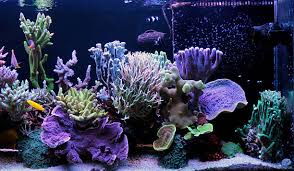
Discover the best corals for adding movement to your reef tank, including Euphyllia, Xenia, Green Star Polyps, and other flowing coral species that bring life to your aquarium.
Explore the best corals for adding movement to your reef tank, including torch, hammer, frogspawn, Xenia, Kenya tree, and Green Star Polyps.
by Scott Shiles • April 20, 2026
One of the best ways to make a reef tank feel alive is to add corals that sway, pulse, and move naturally in the current. In the ocean, coral reefs are never still. Fish weave through coral heads, water flow moves polyps back and forth, and changing light creates constant texture and motion. Recreating that same effect in a home reef aquarium can make the tank feel far more natural, dynamic, and visually impressive. This guide covers the best corals for adding movement to your reef tank, along with practical tips for flow, placement, and creating a more fluid display.
Corals that exhibit visible movement under water flow can transform a reef tank from a static display into a living ecosystem. They add softness, rhythm, and visual energy while also benefiting from the circulation that keeps them healthy. Whether you want long flowing tentacles, pulsing polyps, or waving mats of green, there are several excellent coral choices that can bring your aquarium to life.
Looking to add flowing corals to your reef tank? Browse our collection of LPS corals and soft corals to build a more dynamic reef display.
Why Coral Movement Matters in a Reef Tank
Movement is one of the biggest visual differences between a basic aquarium and a truly captivating reef tank. Corals that sway in the current create a sense of depth and realism that static corals cannot provide on their own.
- Movement adds softness and rhythm to the aquascape
- It helps the tank feel more natural and alive
- Flowing corals create contrast against rockwork and rigid coral forms
- Proper flow also supports coral health and oxygenation
When chosen carefully, movement corals can make even a smaller reef tank feel more vibrant and immersive.
Top Coral Species for Swaying, Flowing Movement
Below are some of the best corals for adding visible motion and fluidity to a reef tank. Each one creates movement in a slightly different way, which is why combining several of them often gives the best result.
1. Torch Coral
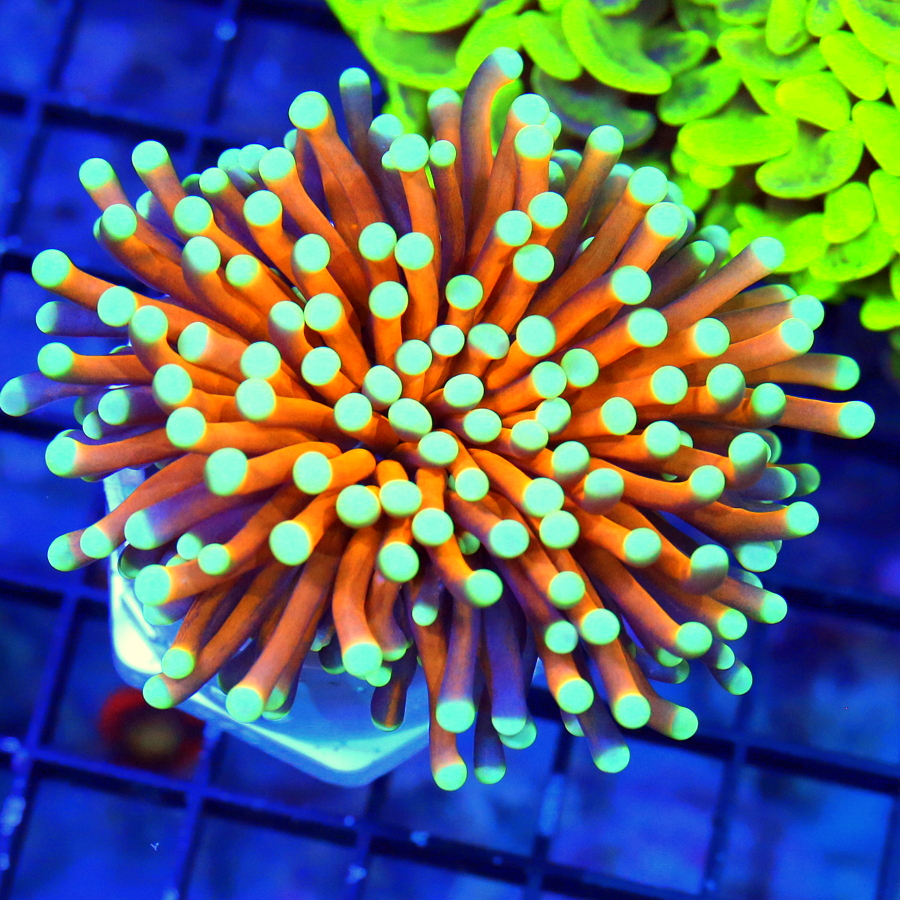
Torch corals are one of the most popular choices for movement-focused reef tanks. Their long, fleshy polyps sway dramatically in moderate current and create one of the most recognizable flowing looks in the hobby. They are available in vibrant colors such as gold, green, pink, and other high-end variations that glow beautifully under reef lighting.
- Placement: Mid to lower tank
- Flow: Moderate
- Lighting: Moderate to high
Torch corals are ideal for hobbyists who want strong movement and strong visual impact at the same time.
2. Frogspawn Coral
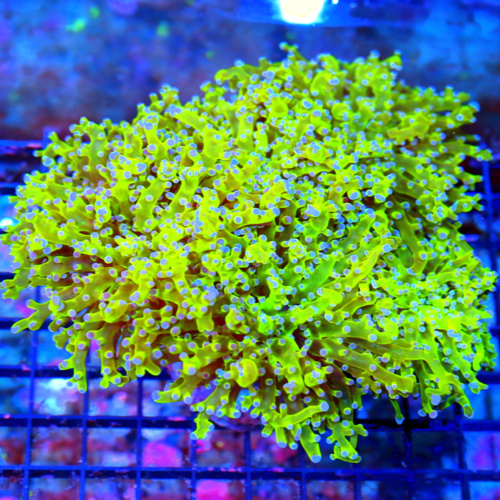
Frogspawn corals are another excellent option for adding movement. Their tentacles are shorter and more branching than those of torch corals, but they still create constant, eye-catching motion in the tank.
- Placement: Mid-level
- Flow: Moderate, indirect
- Lighting: Moderate
Frogspawn is often a great choice for reef keepers who want Euphyllia movement without the exact look of torch or hammer corals.
3. Hammer Coral
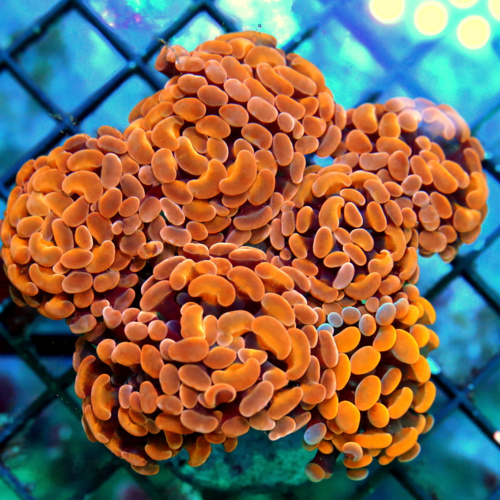
Hammer corals are known for their distinctive hammer- or anchor-shaped tentacles. Under proper flow, these polyps move with a broad, soft pulsing motion that gives the tank a more natural, rolling effect.
- Placement: Mid to bottom
- Flow: Gentle to moderate
- Lighting: Moderate
Hammer corals are especially popular in LPS-focused reef tanks because they add both movement and a unique tentacle shape that stands apart from other flowing corals.
4. Pulsing Xenia
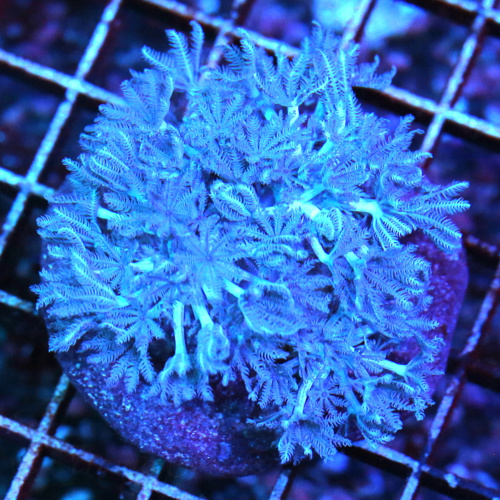
Pulsing Xenia is one of the most unique motion corals in the reef hobby. Instead of simply swaying, its polyps rhythmically pulse open and closed, creating a movement pattern that is very different from most other corals.
- Placement: Mid to top
- Flow: Low to moderate
- Lighting: Moderate
Xenia is especially eye-catching because the coral seems to move on its own, even when flow is gentle. Reef keepers should remember, though, that Xenia can spread quickly if conditions suit it.
5. Green Star Polyps
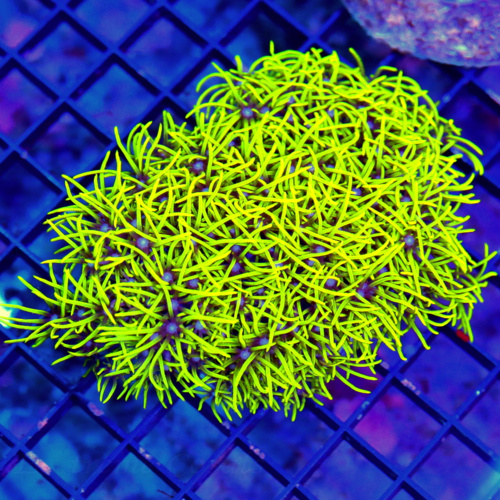
Green Star Polyps, often called GSP, are a beginner-friendly soft coral that creates a waving carpet effect across rockwork or even the back wall of the aquarium. Their bright green polyps move beautifully in moderate current and add strong visual contrast.
- Placement: Anywhere
- Flow: Moderate
- Lighting: Moderate to high
GSP is a great option for hobbyists who want visible movement throughout a larger area of the reef rather than only in a single colony.
6. Kenya Tree Coral
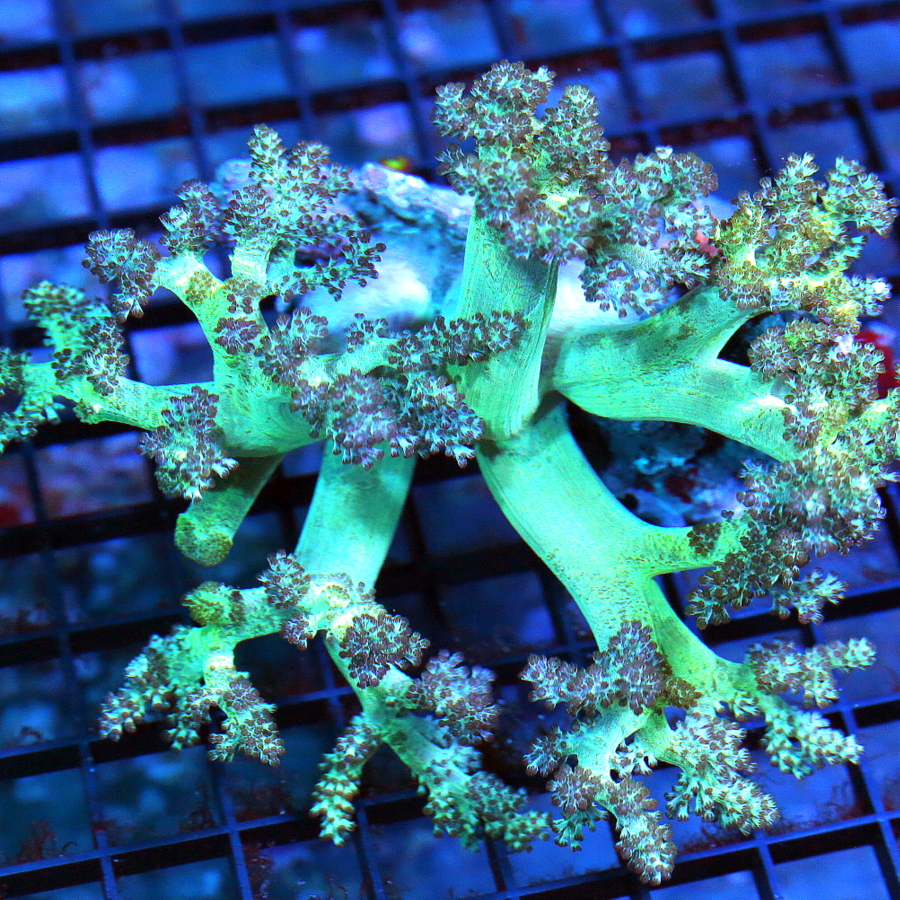
Kenya Tree coral has a soft, tree-like shape that sways gracefully in current. It is hardy, adaptable, and often recommended for reef keepers who want movement and texture without needing high-intensity lighting.
- Placement: Mid-level
- Flow: Moderate
- Lighting: Low to moderate
Kenya Tree is especially useful in mixed reefs where hobbyists want to add a softer silhouette to balance out harder coral shapes.
How to Mix Movement Corals for the Best Effect
The most interesting movement-rich reef tanks usually combine several different motion styles instead of relying on only one species. This creates more depth and a more natural-looking display.
- Use long-flowing Euphyllia for dramatic centerpieces
- Add Xenia for rhythmic pulsing motion
- Use Green Star Polyps for wide-area movement
- Include Kenya Tree for softer, tree-like swaying
Using a mix of textures and motion types can make the tank feel more layered and more realistic.
Flow and Coral Health: A Quick Note
While movement adds beauty, water flow is also important for coral health. Good circulation helps corals function better and stay cleaner.
- Flow helps remove waste
- It helps deliver nutrients
- It reduces algae and detritus buildup
- It can strengthen coral tissue over time
The goal is not to blast corals directly with powerheads. Instead, aim for varied, indirect flow that creates motion without causing stress or tissue damage.
Best Flow Strategy for a Movement-Rich Reef Tank
If your goal is visible motion, controllable pumps and changing flow patterns usually give the best results.
- Use alternating or randomized flow when possible
- Avoid direct blasting from fixed powerheads
- Use wave makers or gyres to simulate ocean movement
- Adjust pumps to match the needs of your specific coral mix
The best-looking tanks often use flow patterns that create a natural back-and-forth motion rather than one constant hard stream.
Final Tips for a Flowing Reef Display
- Mix coral heights and flow needs to create depth
- Use controllable flow pumps to simulate natural movement
- Leave enough room for corals to expand and sway
- Combine LPS and soft corals for more texture variation
A movement-focused reef tank usually looks best when there is a balance between large flowing corals, softer swaying corals, and open space that allows the motion to be seen clearly.
Best Tank Setup for Corals That Move
If you want a reef tank with strong visible movement, focus on:
- Moderate to varied indirect flow
- A mix of LPS and soft corals
- Strategic spacing so corals can sway freely
- Strong but coral-appropriate lighting
- Stable water conditions that support healthy extension
These elements work together to create a reef that feels active, natural, and visually engaging from every angle.
Related Coral Guides You May Also Like
If you are interested in movement corals, you may also want to explore these related reef tank guides:
- Browse LPS corals
- Browse soft corals
- Euphyllia coral care guide
- Water flow and coral health guide
- Green Star Polyps care guide
Ready to add flowing motion to your reef tank? Browse our collection of LPS corals and soft corals and build a more dynamic reef display.
Shop Corals That Add Movement
At ExtremeCorals.com, we offer one of the largest selections of WYSIWYG LPS and soft corals online. Explore our curated collection of Euphyllia, Xenia, Green Star Polyps, Kenya Tree, and more to create a captivating, movement-rich reef tank.
Final Thoughts
The best corals for adding movement to your reef tank are the ones that respond naturally to flow and bring visible life to the aquarium. Torch corals, frogspawn, hammer corals, pulsing Xenia, Green Star Polyps, and Kenya Tree corals are all excellent choices for creating a more dynamic display. With proper flow, spacing, and coral selection, you can turn your reef tank into a more fluid, vibrant, and natural-looking ecosystem.
Frequently Asked Questions
Q: What coral moves the most in a reef tank?
A: Torch coral and pulsing Xenia are among the most visually active corals for movement.
Q: Are movement corals beginner friendly?
A: Some are. Green Star Polyps, Kenya Tree, and Xenia are often beginner friendly, while Euphyllia usually needs a bit more care.
Q: What flow is best for movement corals?
A: Moderate, indirect, and varied flow is usually best because it creates natural swaying without damaging tissue.
Q: Can I mix soft corals and Euphyllia for movement?
A: Yes, as long as you account for spacing, growth, and compatible flow conditions.
Q: Why does movement matter in a reef tank?
A: It makes the aquarium feel more natural and alive, and proper flow also supports coral health.
About the Author
Scott Shiles is the owner of ExtremeCorals.com, which he has operated for over 25 years and is recognized as one of the early dedicated live coral websites on the internet. A lifelong reef keeper since 1984, Scott has decades of hands-on experience maintaining marine aquariums and previously owned and operated a brick and mortar aquarium retail store for 10 years, including five years alongside Extreme Corals. He holds a degree in Marine Biology and has personally selected and sold hundreds of thousands of live corals. An avid scuba diver who has explored reef systems around the world, Scott shares practical coral care and husbandry knowledge based on real world reef experience.
overall rating:
my rating:
log in to rate
Please log in to leave a comment.
For more information visit: additional resources