My Cart: 0 item(s)

Extreme Corals News and Updates
Why Montipora Corals Show So Many Colors: Lighting, Pigments, and Health in Reef Tanks
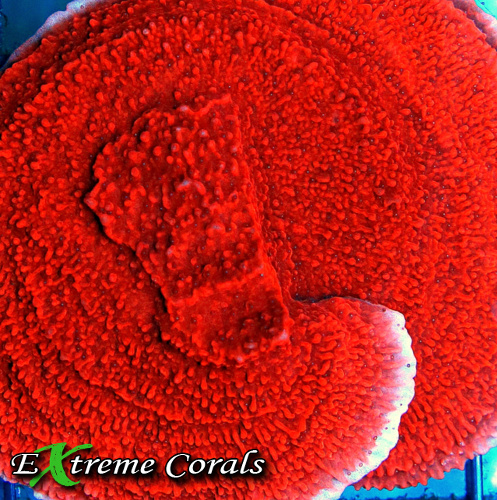
Learn what drives Montipora coral coloration in reef aquariums, from lighting and water quality to pigmentation, growth form, health, and long-term husbandry.
Discover why Montipora corals display so many colors and learn how lighting, water quality, pigments, and coral health affect their appearance in reef tanks.
by Scott Shiles • April 24, 2026
Montipora corals are some of the most visually exciting SPS corals in reef aquariums because their color can shift dramatically based on light, health, nutrients, genetics, and long-term system stability. Few coral groups create as much fascination around color as Montipora. One colony may show deep purple growth tips, another bright orange plates, another neon green encrusting tissue, and yet another subtle pastel shifts that only show up under the right conditions. In our experience, Montipora coloration is one of the clearest examples of how reefkeeping is both art and biology. These corals do not simply “have” color. Their appearance reflects a combination of genetics, environment, and health. This guide explores why Montipora corals display such vibrant colors, what influences those colors in reef tanks, and how hobbyists can maintain better coloration long term.
A common mistake hobbyists make is thinking color is caused by lighting alone. Lighting matters, but it is only one piece of the picture. In many reef tanks, the best Montipora color comes from the combination of proper spectrum, good nutrient balance, stable parameters, strong growth, and a coral that is not constantly stressed.
If you are looking for healthy, colorful SPS corals, browse our WYSIWYG SPS corals to compare healthy examples.
Overview of Montipora Corals
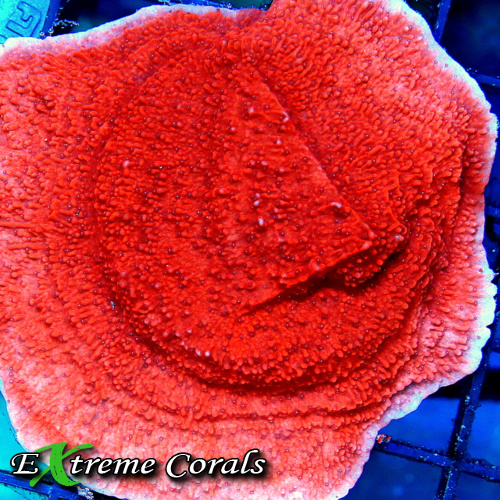
Montipora corals are known for their stunning array of vibrant colors, making them a popular choice for reef enthusiasts. These corals belong to the SPS (small polyp stony) coral family, characterized by their tiny polyps that build intricate calcium carbonate skeletons. Montipora corals are diverse in appearance, ranging from encrusting forms to plating and branching structures.
They are also relatively hardy compared with many other SPS corals, which makes them appealing to both beginners moving into SPS and experienced reef keepers building mature colonies. In our experience, Montipora is often one of the first SPS groups that shows hobbyists how dramatic coral coloration can become when a tank is truly stable.
Why Vibrant Color Matters
Bright colors in Montipora corals are not just visually impressive. They also reflect biological processes tied to light use, protection, and coral health. In broader scientific terms, coral coloration can help with light regulation, photoprotection, and the relationship between the coral host and its symbiotic algae.
In the aquarium hobby, vibrant coloration also matters because it often tells you something about the coral’s condition. We’ve found that strong color in Montipora usually goes hand in hand with healthy growth margins, stable polyp extension, and a coral that is not being stressed by major swings. A common mistake hobbyists make is chasing color enhancement while ignoring the basic husbandry that actually supports it.
Types of Montipora Corals
There are various types of Montipora corals, each with its own unique appearance and growth habit. Some common examples include:
- Montipora digitata – Known for branch-like structures and bold coloration
- Montipora capricornis – Recognized for plating forms and diverse color variations
- Montipora setosa – Characterized by a textured appearance and strong growth
- Montipora spongodes – Notable for encrusting or branching texture and bright color
- Montipora danae – Features a plate-like or encrusting growth form with eye-catching contrast
In our experience, this variety is one reason Montipora is so useful in reef design. Different growth forms allow hobbyists to add structure, ledges, texture, and color in very different ways without leaving the same coral group.
Factors Influencing Coloration
Montipora corals get their vibrant colors from several factors working together. Light plays a major role in enhancing and maintaining their appearance, but the type of light, its intensity, and its spectrum can all affect how vivid those colors become.
Other major factors include:
- Water quality – Stable chemistry supports better long-term coloration
- Nutrient balance – Nutrients that are too high or too low can dull or distort color
- Calcium and magnesium availability – Important for growth and skeletal health
- Genetics – Some Montipora types are naturally more vivid or more variable than others
We’ve found that the best Montipora coloration usually appears when the coral is growing well, not just surviving. A common mistake hobbyists make is trying to force color with stronger light while the coral is still stressed from unstable nutrients or poor placement.
Understanding Pigmentation Mechanisms
Montipora corals get much of their coloration from pigments linked to both the coral animal and the zooxanthellae living inside their tissue. These symbiotic algae play a crucial role in photosynthesis, the process by which the coral creates energy from light. The visible colors hobbyists see are influenced by the combination of pigments in the coral tissue and the biological relationship between the coral and its algae.
In simple reefkeeping terms, that means color is tied closely to how the coral is processing light and how healthy the coral-algae relationship is. In our experience, when that relationship is disrupted by instability, bleaching, nutrient extremes, or poor placement, color is often one of the first things to shift.
Coral Health and Coloration
Coral health is closely tied to vibrant coloration. To maintain bright hues, Montipora corals need proper lighting, strong water quality, good flow, and balanced nutrients. When they are healthy, they may display a wide range of blues, purples, reds, greens, oranges, pinks, and yellows depending on species and strain.
Adequate water quality, stable temperature, and proper nutrition all play a role in keeping Montipora colorful and thriving. Regular testing and observation can help ensure these corals remain healthy and continue showing their best coloration.
We’ve found that one common mistake hobbyists make is ignoring subtle color dulling because the coral is still technically alive. With Montipora, fading color often means the coral is trying to tell you something before real decline becomes obvious. Catching that early is one of the most important reefkeeping skills.
Maintaining Optimal Conditions
To keep Montipora corals healthy and colorful, it is important to maintain stable and reef-appropriate conditions in the aquarium.
- Water Quality: Monitor and maintain temperature, salinity, alkalinity, calcium, magnesium, and pH.
- Lighting: Provide appropriate intensity and spectrum to support growth and coloration.
- Water Flow: Ensure strong but well-distributed flow to prevent debris buildup and support nutrient transport.
- Nutrient Levels: Keep nutrients balanced to avoid both starvation and excess algae pressure.
- Regular Maintenance: Perform water changes, clean equipment, and watch coral response over time.
In our experience, Montipora usually rewards consistency very visibly. A common mistake hobbyists make is trying to solve color issues with one dramatic adjustment, when better results usually come from improving the whole environment more gradually and more reliably.
If you are still working on the basics, our reef tank maintenance guide and pH and alkalinity guide are useful references.
How to Improve Montipora Color in a Home Reef Tank
If your Montipora is healthy but you want better coloration, the most useful improvements usually come from strengthening overall husbandry rather than trying to “boost” the coral artificially.
- Keep alkalinity stable and avoid repeated swings
- Use strong but appropriate lighting with a consistent schedule
- Keep nutrients balanced rather than stripped out
- Provide enough flow to keep the coral clean and active
- Avoid repeated moves once the coral has adjusted well to a placement
We’ve found that many Montipora colonies show their best colors only after they have been left alone in a stable spot for a long enough period. A common mistake hobbyists make is moving SPS corals too quickly after every small color change, which often delays the improvement they are trying to create.
Common Color Varieties
Montipora corals display a wide array of vibrant colors in reef aquariums and in the wild. Some common color varieties include:
- Purple
- Green
- Orange
- Red
- Pink
- Yellow
- Blue-toned and mixed multicolor forms
These colors are influenced by both genetics and environment. In our experience, one of the most rewarding things about Montipora is that color can become more refined and interesting as the colony matures and settles into a stable reef system.
How to Tell a Healthy Montipora Before Buying
One of the smartest ways to improve success with Montipora is to start with a healthy specimen. When selecting a colony or frag, look for:
- Solid tissue coverage with no obvious dead patches
- Strong coloration relative to the type
- Visible growth margins when possible
- No nuisance algae overtaking the base
- A frag or colony that appears healed and settled
A common mistake hobbyists make is buying purely by color without checking the frag base, tissue condition, or growth edge. In our experience, healthy tissue and clean structure matter more than the brightest immediate color when it comes to long-term success.
Appreciating Montipora Corals
Montipora corals come in a variety of colors due to the pigments they contain and the biological processes those pigments support. These corals are unique in their ability to thrive in different reef environments, making them highly popular among marine enthusiasts. By appreciating the beauty and diversity of Montipora corals, hobbyists can better understand how coral health, environmental conditions, and long-term reefkeeping choices all work together.
In our experience, Montipora is one of the best corals for teaching hobbyists how reef conditions influence appearance. It can be beautiful when stable, dull when stressed, and truly exceptional when the system is dialed in. That makes it both challenging and deeply rewarding.
Related Corals You May Also Like
If you are interested in Montipora corals and SPS coloration, you may also want to explore related reef tank guides and coral categories:
- Browse SPS corals for sale
- Montipora care guide
- Acropora coral guide
- SPS coral care guide
- Reef tank lighting guide
Ready to add colorful SPS corals to your reef tank? Browse our SPS corals for sale and explore healthy additions for your aquarium.
Shop Montipora and SPS Corals
Explore our WYSIWYG SPS corals, new arrival corals, and featured corals to build a more colorful reef tank.
Final Thoughts
Montipora corals display such a wide range of colors because their appearance reflects a mix of genetics, pigments, lighting response, nutrient balance, and overall coral health. That is part of what makes them so compelling in reef aquariums. They are beautiful, adaptable, and capable of showing hobbyists just how dramatically environment and husbandry can influence coral appearance.
In our experience, the most colorful Montipora colonies are usually not the result of shortcuts. They are the result of stable water quality, appropriate lighting, strong growth, and patient reefkeeping. That is what truly brings out the mystery and beauty in these corals.
Frequently Asked Questions
Q: Why do Montipora corals show so many colors?
A: Their coloration comes from a mix of genetics, coral pigments, symbiotic algae, lighting response, and overall health.
Q: Does lighting affect Montipora color?
A: Yes. Lighting intensity and spectrum strongly influence how Montipora colors appear and how well they are maintained.
Q: Can poor water quality dull Montipora color?
A: Yes. Instability, poor nutrient balance, and weak overall coral health can lead to faded or less vibrant coloration.
Q: Are Montipora corals good for beginners?
A: They are often a good entry SPS coral for hobbyists with stable tanks, though they still need stronger consistency than soft corals or many LPS.
Q: How do I know if a Montipora frag is healthy before buying?
A: Look for full tissue coverage, good color, a clean frag base, and signs that the coral is healed and actively growing.
About the Author
Scott Shiles is the owner of ExtremeCorals.com, which he has operated for over 25 years and is recognized as one of the early dedicated live coral websites on the internet. A lifelong reef keeper since 1984, Scott has decades of hands-on experience maintaining marine aquariums and previously owned and operated a brick and mortar aquarium retail store for 10 years, including five years alongside Extreme Corals. He holds a degree in Marine Biology and has personally selected and sold hundreds of thousands of live corals. An avid scuba diver who has explored reef systems around the world, Scott shares practical coral care and husbandry knowledge based on real world reef experience.