My Cart: 0 item(s)

Extreme Corals News and Updates
Zoanthid Coral Care Guide: Zoas Growth, Pests, Lighting, Placement and Safety
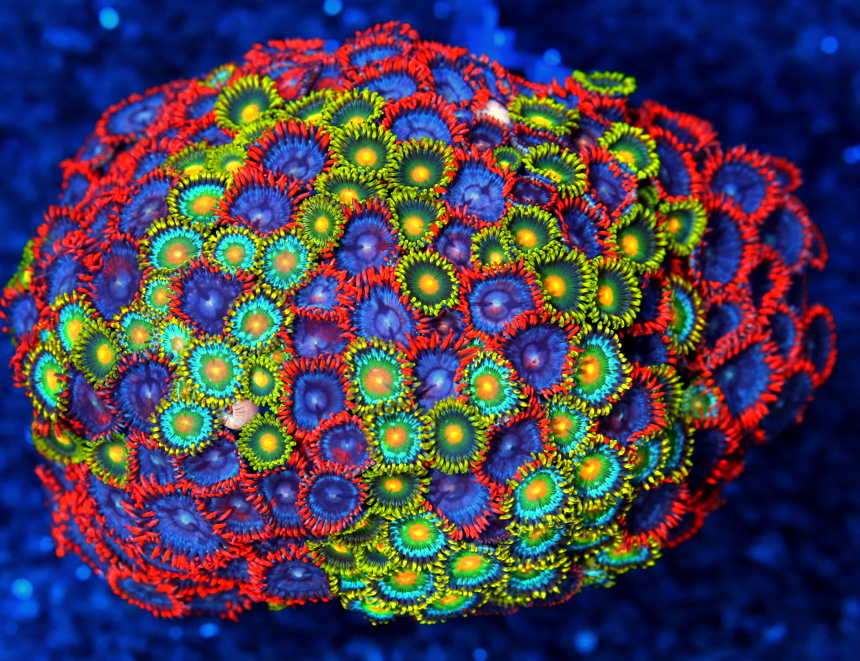
Learn how to care for zoanthid corals in a reef tank with the right lighting, flow, placement, pest prevention, and growth control for long-term success.
Learn how to care for zoanthids in a reef tank with tips on lighting, flow, placement, growth, pests, feeding, and safe handling for healthy long-term colonies.
by Scott Shiles • February 16, 2024
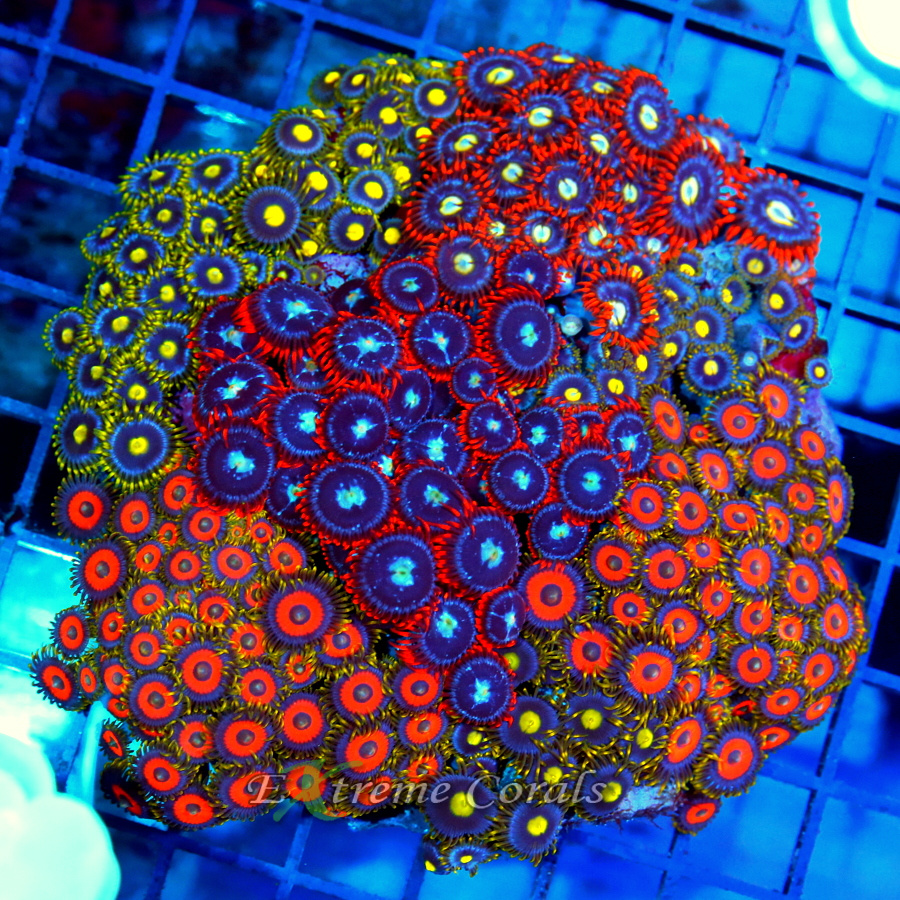
Zoanthids are one of the most popular corals in reef tanks because they combine intense color, fast growth, and relatively manageable care requirements. Often called zoas, these colonial soft corals can quickly form vibrant mats and turn a plain section of rock into one of the most eye-catching areas in the aquarium. This guide explains how to care for zoanthids in a reef tank, including lighting, flow, placement, growth, pest prevention, safe handling, and the signs that tell you whether a colony is thriving or struggling.
For many reef keepers, zoanthids are the corals that first make a reef tank feel truly colorful and dynamic. They are available in a huge range of color combinations and patterns, they can adapt to many mixed reef systems, and they are often easy to frag and propagate. At the same time, they are not maintenance-free. Pest outbreaks, poor placement, unstable water conditions, and unsafe handling are some of the biggest mistakes hobbyists make with zoas.
Looking to add colorful zoanthids to your reef tank? Browse our zoanthids for sale and explore vibrant corals for your aquarium.
What Are Zoanthids?
Zoanthids are colonial soft corals that grow in clusters or mats across rock surfaces, frag plugs, and other stable structures in the reef tank. Each individual polyp can reproduce and form new heads, allowing the colony to spread outward over time.
They are one of the most collectible corals in the reef hobby because they come in hundreds of color combinations and patterns. Some reef keepers build full zoa gardens made almost entirely from different zoanthid varieties.
Why Zoanthids Are So Popular
Zoanthids remain a favorite among reef hobbyists because they offer:
- Incredible color variety and patterns
- Fast growth and spreading
- Easy fragging and propagation
- Compatibility with many reef setups
- Strong visual impact even in smaller tanks
They are commonly used to create zoa gardens where multiple varieties grow together across rockwork. A healthy collection can completely transform the look of a reef tank.
Lighting Requirements for Zoanthids
Zoanthids are adaptable, but many varieties usually do best in low to moderate lighting. Exact placement may vary depending on the morph, prior acclimation, and the overall intensity of the tank.
- Too much light can cause bleaching, shrinking, or closed polyps
- Too little light can cause stretching and dull coloration
- Stable lighting is usually better than frequent adjustment
- Gradual acclimation is important when moving colonies upward
If zoanthids begin stretching upward, they are often reaching for more light. If they remain closed, shrink, or lose color, lighting may be too intense or the coral may be stressed by another issue.
If you want to learn more about how lighting affects coral growth, read our reef tank lighting guide.
Water Flow for Zoanthids
Zoanthids usually prefer moderate, indirect water flow. Proper flow helps keep debris from settling on the colony while delivering nutrients and reducing algae buildup between polyps.
Good flow helps:
- Keep debris off the colony
- Deliver nutrients
- Prevent algae buildup
- Support cleaner, healthier polyps
Too much flow can prevent polyps from opening well, while too little flow allows detritus to collect and may contribute to irritation or algae growth. The best result is usually a gentle, indirect movement rather than a direct blast.
If you want to learn more about flow and coral health, read our reef flow guide.
Water Parameters and Nutrients
Zoanthids are forgiving compared with many SPS corals, but they still do best when water parameters remain stable. They often grow better in tanks with moderate nutrients rather than ultra-clean systems with aggressively stripped water.
- Temperature: 76-78°F
- Salinity: 1.025
- pH: 8.1-8.4
- Alkalinity: 8-10 dKH
Moderate nutrients often support better zoanthid growth and fuller colonies than extremely nutrient-poor systems. Stability matters more than trying to chase perfect numbers every day.
If you are building a stable reef system, you can also browse our featured corals.
Placement in the Reef Tank
Zoanthids can be placed in a wide range of reef tank locations depending on lighting and flow, but placement planning matters because colonies can spread quickly over time.
Best placement tips:
- Start lower and move upward gradually if needed
- Place on stable rock or frag plugs
- Allow room for spreading
- Keep them in areas where debris will not collect heavily
Because zoanthids grow outward, placement planning is important early on. A small frag may eventually cover much more space than expected.
If you are planning your reef layout, browse our new arrival coral frags.
Zoanthid Growth and Spreading
Zoanthids are among the faster-growing corals in reef aquariums when conditions are right. They spread by producing new polyps and gradually expanding across rock surfaces, plugs, and surrounding structures.
- They produce new polyps over time
- They can expand across rock surfaces quickly
- Some varieties spread much faster than others
- Uncontrolled colonies can overtake nearby coral space
This fast growth is one of the biggest reasons reef keepers love zoanthids, but it is also why colonies should be monitored and controlled before they become a problem.
Zoanthid Pests and Problems
This is one of the most important parts of zoanthid care. Pests and early colony problems can destroy a healthy zoa collection quickly if they are not caught early.
Common problems include:
- Zoanthid-eating nudibranchs
- Zoa pox
- Algae overgrowth
- Closed or melting polyps
Always:
- Inspect new frags carefully
- Dip corals before adding them
- Monitor colonies regularly
- Check for pests whenever polyps stay closed too long
Pests are one of the fastest ways to lose zoanthid colonies. A dip and quarantine routine can save you from major headaches later.
Zoanthid Safety
Zoanthids can contain palytoxin, one of the most dangerous natural toxins encountered in the aquarium hobby. Safe handling is extremely important, especially when fragging, moving, or cleaning large colonies.
Always:
- Wear gloves when handling
- Avoid touching your face
- Wash your hands after working in the tank
- Use extra caution when cutting or fragging colonies
This safety step should never be skipped. Even experienced reef keepers need to treat zoanthids with care.
Feeding Zoanthids
Zoanthids are primarily photosynthetic, but they may still benefit from additional nutrients in the water column or occasional fine foods.
They may consume:
- Small particulate foods
- Dissolved nutrients in the water
While feeding is not required for survival in most systems, it may help increase growth and improve coloration when done carefully. Overfeeding is usually more harmful than underfeeding, so keep it light.
Signs of Healthy Zoanthids
Healthy zoanthids will usually show:
- Fully open polyps
- Strong coloration
- Steady growth
- No visible pests
- Consistent response to stable conditions
Closed polyps are often an early warning sign that something is wrong. The cause may be lighting, flow, pests, algae, irritation, or unstable water conditions.
Best Tank Setup for Zoanthids
Zoanthids usually thrive in:
- Mixed reef tanks
- Soft coral systems
- Stable environments
- Moderate nutrient levels
They are one of the most versatile corals in reef keeping, which is why they work in so many different aquarium styles when their basic needs are met.
Pro Tips for Zoanthid Success
- Keep water parameters stable
- Provide moderate flow
- Avoid sudden lighting changes
- Check for pests regularly
- Control spreading early
- Handle colonies safely at all times
Related Corals You May Also Like
If you are interested in zoanthids, you may also want to explore other colorful and beginner-friendly reef corals:
- Browse zoanthids for sale
- Green Star Polyp care guide
- Xenia coral care tips
- Clove polyps care guide
- Overview of coral types and care guidelines
Ready to build a colorful zoa garden? Browse our zoanthids for sale and explore healthy, vibrant coral colonies for your reef tank.
Shop Zoanthids and Colorful Reef Corals
Explore our WYSIWYG zoanthids, featured corals, and new arrival coral frags to build a more colorful reef tank.
Final Thoughts
Zoanthids are one of the most rewarding corals you can keep. With proper care, they can grow quickly, form vibrant colonies, and completely change the look of your reef tank.
Frequently Asked Questions
Q: Are zoanthids beginner friendly?
A: Yes, they are often considered one of the easiest corals to keep and are a strong choice for beginner reef tanks.
Q: How fast do zoanthids grow?
A: Many varieties grow quickly and spread across rock surfaces under stable conditions.
Q: Do zoanthids need feeding?
A: They benefit from nutrients in the system and may respond well to occasional fine foods, but they do not require heavy feeding.
Q: Why are my zoanthids closed?
A: This is usually caused by lighting, flow, pests, algae irritation, or water instability.
Q: Are zoanthids dangerous to handle?
A: They can contain palytoxin, so gloves, careful handling, and proper safety practices are very important.
About the Author
Scott Shiles is the owner of ExtremeCorals.com, which he has operated for over 25 years and is recognized as one of the early dedicated live coral websites on the internet. A lifelong reef keeper since 1984, Scott has decades of hands-on experience maintaining marine aquariums and previously owned and operated a brick and mortar aquarium retail store for 10 years, including five years alongside Extreme Corals. He holds a degree in Marine Biology and has personally selected and sold hundreds of thousands of live corals. An avid scuba diver who has explored reef systems around the world, Scott shares practical coral care and husbandry knowledge based on real world reef experience.
overall rating:
my rating:
log in to rate
Please log in to leave a comment.
For more information visit: additional resources