My Cart: 0 item(s)

Extreme Corals News and Updates
Top Coral Care Strategies for Building a Healthy, Vibrant Reef Tank
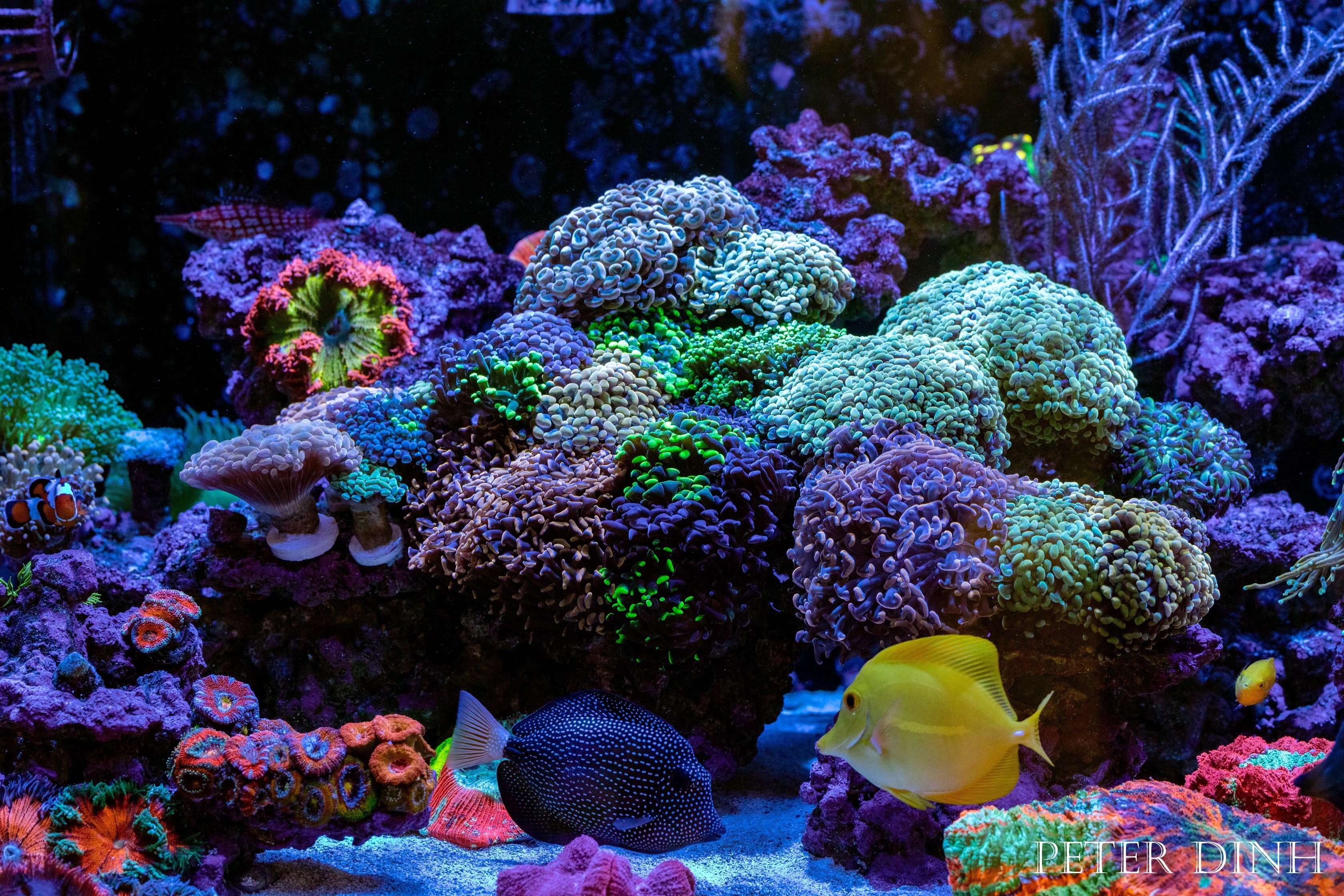
Learn the most important coral care strategies for maintaining a vibrant reef tank, including water quality, lighting, placement, feeding, pest prevention, and long-term stability.
Learn the most important coral care strategies for maintaining a vibrant reef tank, including water quality, lighting, placement, feeding, pest prevention, and long-term stability.
by Scott Shiles • February 28, 2024
Reef Tank Maintenance, Reef Tank Equipment
Maintaining coral health in a reef tank is one of the biggest keys to building a vibrant, stable, and visually impressive aquarium. Healthy corals bring color, movement, structure, and biodiversity to a marine system, but they only thrive when the tank provides the right balance of water quality, lighting, flow, nutrition, and stability. This guide covers the most important coral care strategies for keeping a reef tank healthy long term, whether you are just starting out or refining an established system.
Many reef tanks struggle not because of one huge mistake, but because several small things are slightly off at the same time. Weak flow, poor placement, unstable nutrients, skipped testing, or a lack of routine maintenance can all slowly work against coral health. When these basics are handled consistently, corals usually respond with better color, stronger extension, and healthier long-term growth.
Looking to build a reef tank around healthy coral choices? Browse our new arrival corals and explore corals for beginner reefs, mixed reefs, and advanced systems.
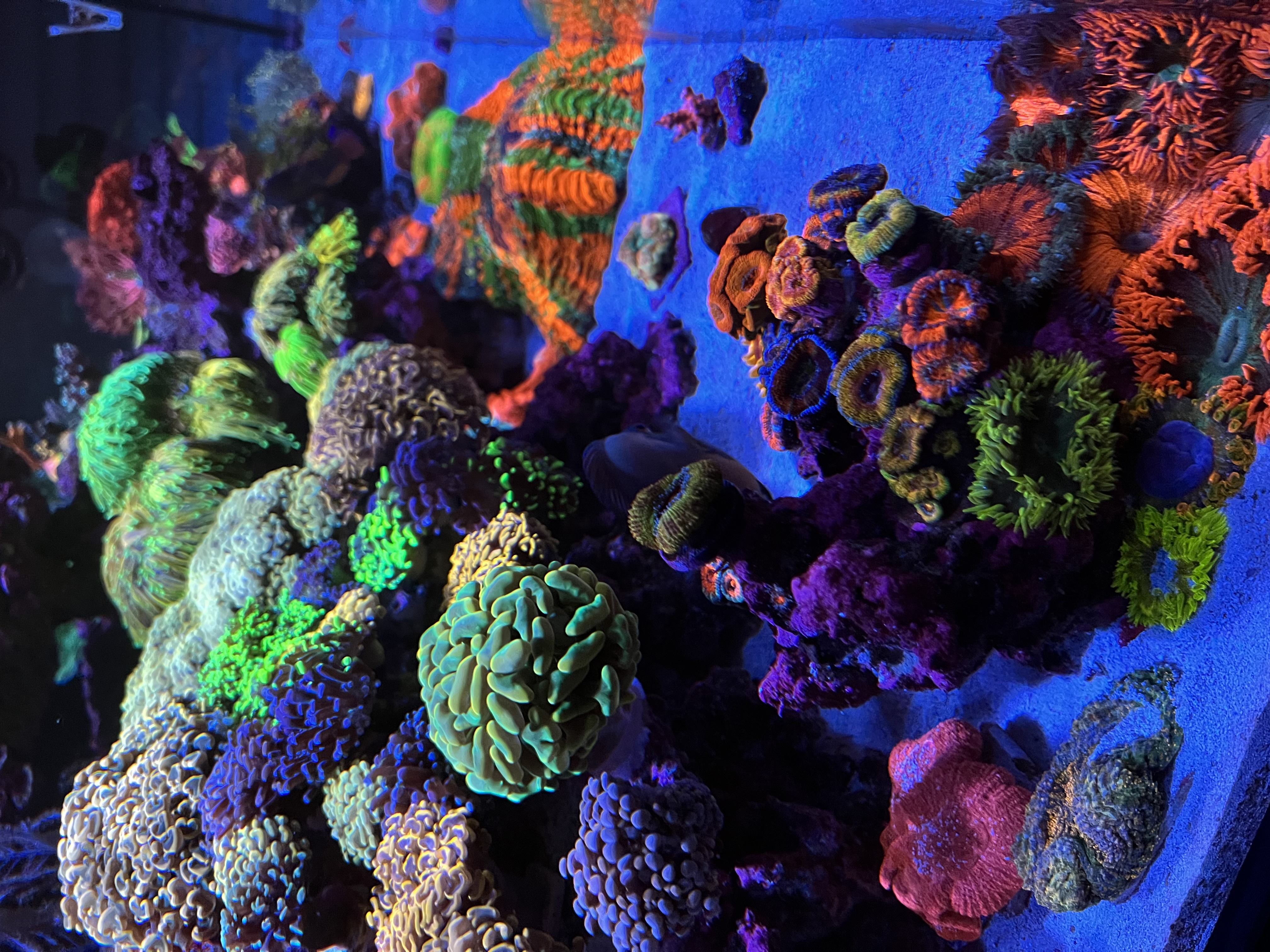
Why Coral Care Matters So Much in Reef Tanks
Corals are not just decorations in a reef tank. They are living animals that depend on stable environmental conditions to survive and grow. When coral care is done well, the entire reef system usually looks healthier and more balanced.
- Healthy corals contribute to stronger color and visual appeal
- Good coral health supports a more stable reef ecosystem
- Proper care reduces disease, stress, and tissue loss
- Long-term maintenance supports sustainable coral growth
Coral care is really about consistency. Tanks that stay stable and well-maintained usually outperform tanks that are constantly being over-corrected.
Understand What Your Corals Actually Need
Different corals have different requirements for light, water movement, nutrients, and placement. One of the most common mistakes in reef keeping is treating all corals as if they need the same environment.
Before adding corals, it helps to understand:
- Whether the coral is soft, LPS, or SPS
- How much light it prefers
- How much flow it can tolerate
- How aggressive it is
- How fast it may grow or spread
Matching the coral to the right conditions is one of the best things you can do for long-term reef tank success.
If you want a full breakdown of coral groups and their differences, read our coral types and care guide.
Water Quality and Its Impact on Coral Health
Good water quality is one of the foundations of coral success. Corals can handle a range of conditions better than many people think, but they do not usually handle instability well. Imbalanced water parameters can stress corals and make them much more vulnerable to algae, disease, and decline.
The most important things to monitor include:
- Salinity
- Temperature
- pH
- Alkalinity
- Calcium
- Magnesium
- Nitrate
- Phosphate
Corals usually do better in a stable tank with slightly imperfect numbers than in a tank where the hobbyist is constantly making aggressive changes trying to hit perfection.
Lighting and Coral Growth
Lighting is one of the biggest drivers of coral health because most reef corals rely heavily on photosynthesis through symbiotic algae. The right lighting intensity and spectrum help support color, growth, and tissue health, but too much or too little light can both create major problems.
- Soft corals often prefer lower to moderate light
- LPS corals usually do best in moderate lighting
- SPS corals often need stronger, more stable lighting
- Sudden intensity changes can stress almost any coral
LED lighting is especially popular in reef tanks because it offers strong control over intensity and spectrum. More important than brand, though, is placing corals correctly under the lighting you already have and avoiding sudden changes that shock the coral.
If you want a deeper breakdown, read our guide on how lighting affects coral growth.
Proper Coral Placement and Spacing
Coral placement is one of the most overlooked parts of reef tank design. Even healthy corals can struggle if they are placed in the wrong zone for lighting, flow, or spacing.
Strong placement strategy includes:
- Giving corals enough room to expand and grow
- Placing corals with similar light and flow needs near each other
- Avoiding aggressive corals next to delicate species
- Watching future growth, not just current frag size
Many reef tanks run into trouble because they look fine early on, then become crowded as colonies grow. Good spacing early prevents a lot of future stress and coral warfare.
If you want a more detailed breakdown, read our guide on coral placement in reef tanks.
Coral Feeding and Supplements
Coral feeding can help support growth, color, and overall vitality, but it should be done with purpose. Not every coral needs heavy direct feeding, and overfeeding usually creates water quality problems faster than it creates benefits.
Common coral nutrition strategies include:
- Phytoplankton for certain soft corals and filter feeders
- Zooplankton-sized foods for many LPS corals
- Coral-specific liquid foods used carefully
- Maintaining healthy calcium, magnesium, and alkalinity through supplementation
The goal is not just to “feed corals.” The goal is to support the whole system in a way that helps corals stay healthy without destabilizing nutrients.
Monitor and Maintain Water Parameters Consistently
Regular testing is one of the best coral care habits a reef keeper can build. Water chemistry problems are much easier to correct when they are caught early.
It helps to monitor:
- Ammonia
- Nitrite
- Nitrate
- pH
- Alkalinity
- Calcium
- Magnesium
Using good test kits and tracking results over time helps you spot trends instead of reacting blindly to one isolated reading. Reef tanks that stay stable usually come from routine, not guesswork.
Prevent Coral Diseases and Pests Before They Start
Pests and disease can wipe out coral colonies quickly, which is why prevention matters much more than reaction. One bad addition can spread problems throughout a reef if it is not inspected properly.
Strong prevention habits include:
- Quarantining new corals before adding them to the display tank
- Inspecting corals for discoloration, damage, eggs, or pests
- Maintaining stable parameters to reduce stress-related vulnerability
- Keeping the tank and equipment clean
- Avoiding overfeeding and nutrient neglect
Corals under stress are usually far more vulnerable to bacterial issues, algae pressure, and pest outbreaks than healthy, stable colonies.
Fragging and Propagation Techniques
Fragging is an important part of long-term coral keeping because it allows reef hobbyists to manage growth, preserve healthy colonies, and expand their coral collection over time. It also supports aquaculture and more sustainable reefkeeping.
Basic fragging strategy includes:
- Choosing a healthy coral
- Using clean fragging tools
- Making careful cuts that reduce stress
- Mounting new frags securely on plugs or tiles
- Giving freshly cut pieces stable healing conditions
Fragging is not only a way to make more corals. It is also part of controlling overgrowth and keeping the tank balanced as colonies mature.
If you want a deeper breakdown, read our guide on how to frag corals.
Create a Stable Environment, Not a Perfect One
One of the best long-term coral care strategies is understanding that reef tanks do not need perfection as much as they need consistency. Quick changes in water chemistry, temperature, lighting, or flow often cause more harm than slightly imperfect but stable conditions.
That means prioritizing:
- Stable salinity
- Stable temperature
- Stable alkalinity
- Stable nutrient levels
- Predictable maintenance routines
Successful reef tanks are usually built on good habits repeated over time, not dramatic corrections after problems appear.
Top Mistakes That Hurt Coral Health
Some of the most common mistakes reef keepers make include:
- Adding too many corals too quickly
- Ignoring compatibility and aggression
- Placing corals in the wrong light or flow zones
- Chasing numbers instead of stability
- Skipping quarantine or pest inspection
- Letting detritus and algae build up around coral tissue
Avoiding these mistakes often improves coral health more than any expensive equipment upgrade ever will.
Tips for Long-Term Vibrant Reef Tank Success
If your goal is a reef tank that stays colorful, healthy, and enjoyable for years, the most important strategies are surprisingly basic:
- Test regularly
- Maintain water quality
- Match coral type to placement
- Feed carefully
- Prevent pests early
- Keep the system stable
When those habits are in place, reef tanks usually become easier to manage, not harder. Corals reward consistency.
Related Corals and Reef Tank Topics You May Also Like
If you are working on coral care and long-term reef stability, these related guides may also help:
- Coral care guide
- Coral types and care guidelines
- How lighting affects coral growth
- The impact of water flow on coral health
- Find the right coral for your tank
Ready to build a more vibrant reef tank? Browse our new arrival corals and choose healthy corals that fit your system and long-term goals.
Shop Corals for a Healthier Reef Tank
Explore our new arrival corals, featured corals, LPS corals, and SPS corals to build a stronger and more colorful reef tank.
Final Thoughts
Vibrant reef tanks are not built by luck. They are built through consistent coral care, stable water quality, good placement, smart feeding, and proactive maintenance. When those pieces are handled well, corals usually respond with better color, healthier tissue, and stronger long-term growth.
Frequently Asked Questions
Q: What is the most important factor in coral care?
A: Stability is one of the most important factors because even good lighting and flow cannot overcome constant swings in water quality.
Q: How often should I test reef tank water?
A: Testing regularly is important, especially for alkalinity, calcium, magnesium, pH, and nutrients, so you can catch trends early.
Q: Do all corals need feeding?
A: No. Many corals rely mostly on photosynthesis, though some benefit from supplemental feeding depending on species and tank conditions.
Q: Why do corals decline even when equipment is good?
A: Coral problems are often caused by instability, poor placement, pest issues, or maintenance habits rather than equipment quality alone.
Q: Should beginners start with SPS corals?
A: Most beginners do better starting with soft corals or easier LPS corals before moving into SPS systems.
About the Author
Scott Shiles is the owner of ExtremeCorals.com, which he has operated for over 25 years and is recognized as one of the early dedicated live coral websites on the internet. A lifelong reef keeper since 1984, Scott has decades of hands-on experience maintaining marine aquariums and previously owned and operated a brick and mortar aquarium retail store for 10 years, including five years alongside Extreme Corals. He holds a degree in Marine Biology and has personally selected and sold hundreds of thousands of live corals. An avid scuba diver who has explored reef systems around the world, Scott shares practical coral care and husbandry knowledge based on real world reef experience.
overall rating:
my rating:
log in to rate
Please log in to leave a comment.
For more information visit: additional resources