My Cart: 0 item(s)

Extreme Corals News and Updates
Top 3 Beginner-Friendly Trachyphyllia Corals for a Beautiful Reef Tank
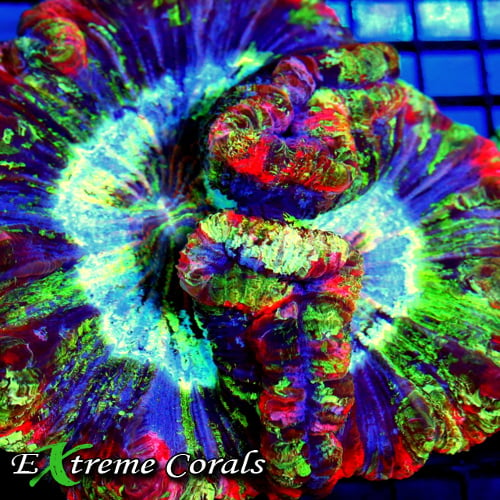
Learn which Trachyphyllia corals are best for beginners, how to choose the right one for your reef tank, and how to care for them successfully long term.
Discover the best Trachyphyllia corals for beginners, including care tips on lighting, placement, feeding, water flow, and choosing the right open brain coral.
by Scott Shiles • April 01, 2024
Trachyphyllia corals are some of the best fleshy LPS corals for beginners because they combine bold color, dramatic appearance, and relatively manageable care requirements. Often called open brain corals, Trachyphyllia corals can become standout centerpiece pieces in a reef tank without demanding the same level of precision as many advanced SPS species. This guide explains why Trachyphyllia corals are beginner-friendly, highlights three of the best options to look for, and covers the most important care tips for helping them stay healthy and colorful.
For many reef keepers, Trachyphyllia is one of the first truly eye-catching showpiece corals they add to a reef tank. These corals have large fleshy bodies, rich color patterns, and a calm but dramatic look that adds instant visual appeal. While they are usually easier than more demanding stony corals, they still benefit from stable water quality, thoughtful placement, and regular observation.
Looking to add a colorful centerpiece coral to your reef tank? Browse our LPS corals for sale and explore healthy corals for your aquarium.
Introduction to Trachyphyllia Corals
Trachyphyllia corals, often referred to as open brain corals, are popular with reef hobbyists because of their fleshy tissue, bold colors, and relatively approachable care level. They can thrive well in a stable reef tank with moderate lighting, gentle to moderate flow, and regular attention to water quality.
These corals are especially attractive to beginners who want a coral that looks premium and striking without immediately jumping into the demands of advanced SPS reefkeeping.
Why Trachyphyllia Corals Are Great for Beginners
Trachyphyllia corals are often considered beginner-friendly because they are generally hardy, visually rewarding, and adaptable when placed in the right environment.
- They are usually more forgiving than many SPS corals
- They do not require extreme lighting or extremely high flow
- They add strong color and shape to the reef tank
- They can often adapt well to stable mixed reef systems
- They are usually peaceful compared with many aggressive corals
For hobbyists who want a fleshy LPS showpiece without the constant stress of more delicate species, Trachyphyllia is a very solid place to start.
What Makes Trachyphyllia Corals Unique
Trachyphyllia corals are known for their large fleshy tissue, rich patterns, and dramatic open-brain appearance. Their tissue swells over the skeleton and often displays impressive color combinations, which can include green, red, pink, orange, and mixed striped patterns.
These corals also stand out because they do not need branching growth or large colonies to make a visual impact. A single healthy Trachyphyllia can become a major focal point in the tank.
Top 3 Trachyphyllia Corals for Beginners
1. Trachyphyllia geoffroyi
Trachyphyllia geoffroyi is one of the best-known beginner-friendly open brain corals because of its bright coloration and classic fleshy Trachyphyllia appearance. Many hobbyists are drawn to it for its rich reds, greens, and multicolor patterns.
- Known for bright and dramatic color combinations
- Often adapts well in stable reef systems
- Excellent choice for a centerpiece coral
2. Trachyphyllia radiata
Trachyphyllia radiata is valued for its distinctive patterning and eye-catching appearance. Many specimens show a strong radial or sunburst look that helps them stand out even in a well-stocked reef tank.
- Distinctive patterning and visual contrast
- Popular with hobbyists who want more unusual coloration
- Good fit for tanks with moderate light and stable water
3. Trachyphyllia wellsi
Trachyphyllia wellsi is often appreciated for its large fleshy form and softer pastel color tones. It can be a great option for beginners who want a coral that looks elegant and substantial without being too demanding.
- Known for large fleshy appearance
- Often displays softer pink, green, or pastel coloration
- Can become a very attractive low-profile centerpiece
All three of these Trachyphyllia options can work well for beginners when the tank is stable and the coral is given proper placement and care.
Choosing the Right Trachyphyllia for Your Reef Aquarium
If you are new to keeping Trachyphyllia, the best choice is usually the coral that matches both your tank conditions and your personal preference for color and shape.
When choosing one, consider:
- Its color and pattern in your lighting setup
- Whether your tank has enough open sandbed or low rock placement space
- The stability of your water parameters
- The aggression level of neighboring corals
Many hobbyists start with the healthiest-looking specimen rather than chasing the rarest color morph first. Good health is usually a better starting point than hype.
Placement and Lighting Requirements
Trachyphyllia corals usually do best in the middle to lower parts of the aquarium where they can receive moderate lighting without being blasted by intense top-level exposure.
- Moderate lighting is usually ideal
- Lower to middle tank placement often works best
- Consistent lighting helps maintain color and health
- Avoid harsh direct intensity when first introducing the coral
These corals often do especially well when placed where they can expand naturally without competition from aggressive tankmates. Many reef keepers prefer placing Trachyphyllia on the sandbed or another low stable surface.
If you want to learn more about coral lighting, read our guide on how lighting affects coral growth.
Water Flow for Trachyphyllia Corals
Trachyphyllia corals generally prefer gentle to moderate flow. Too much direct current can damage or irritate their fleshy tissue, while too little flow can allow debris to collect around them.
- Gentle to moderate indirect flow is usually best
- Avoid strong direct flow from powerheads
- Keep enough movement to prevent detritus buildup
- Watch how the coral expands and adjust if needed
The best flow usually allows the coral to stay inflated and clean without being pushed too hard in one direction.
If you want to learn more about water movement, read our guide on water flow and coral health.
Feeding and Nutrition
Trachyphyllia corals can obtain much of their energy through photosynthesis, but they can also benefit from supplemental feeding. In many tanks, feeding can help maintain fuller tissue and stronger overall appearance.
- Offer suitable coral foods, phytoplankton, or zooplankton-sized foods when appropriate
- Feed gently and avoid overfeeding
- Watch the coral’s feeding response before increasing food amounts
Targeted feeding is often most useful in stable systems where the water quality can support it. Overfeeding is usually more harmful than feeding too little.
Water Quality and Stability
Like most LPS corals, Trachyphyllia usually does best in stable reef water with predictable chemistry. These corals are often easier than SPS corals, but they still respond poorly to repeated swings in basic parameters.
- Maintain stable salinity and temperature
- Keep pH and alkalinity consistent
- Monitor nutrient levels regularly
- Use regular water changes to support overall stability
Stable water quality is one of the biggest factors in keeping Trachyphyllia colorful and well-expanded over time.
If you are working on chemistry stability, read our guide on reef tank water parameters.
Common Issues and Troubleshooting
Even when care is generally good, problems can still appear. Catching them early is one of the best ways to protect Trachyphyllia coral health.
Bleaching
If the coral loses color, it may be stressed by light intensity, temperature instability, or broader system stress.
Receding Tissue
This is often linked to poor water quality, aggression from nearby tank inhabitants, or improper placement.
Algae Overgrowth
Algae can compete for space and irritate tissue if nutrients rise or maintenance is inconsistent.
Pest Infestation
Pests such as flatworms or nudibranchs can damage coral tissue and should be addressed quickly if discovered.
Improper Placement
If the coral is unhappy, it may be getting too much light, too much flow, or too much aggression from neighboring corals.
How to Help Trachyphyllia Thrive Long Term
Trachyphyllia usually thrives best when the tank is stable, the coral is placed carefully, and the aquarist observes it regularly instead of only reacting when something is clearly wrong.
- Keep the tank stable
- Use moderate light and gentle to moderate flow
- Feed lightly when appropriate
- Watch for tissue changes and stress signals
- Give the coral room and peace
A healthy Trachyphyllia usually stays inflated, colorful, and calm in the aquarium. It should look like a centerpiece, not a coral struggling to survive.
Related Corals You May Also Like
If you are interested in Trachyphyllia, you may also want to explore other fleshy LPS corals and related reef tank guides:
- Browse LPS corals for sale
- Scolymia coral care guide
- Bubble coral care guide
- LPS corals overview
- Common beginner reef tank mistakes
Ready to add an open brain coral to your reef tank? Browse our LPS corals for sale and explore healthy centerpiece corals for your aquarium.
Shop Trachyphyllia and LPS Corals
Explore our WYSIWYG LPS corals, new arrival corals, and featured corals to build a more colorful reef tank.
Final Thoughts
Trachyphyllia corals are excellent beginner-friendly showpiece corals for reef tanks when they are given stable water quality, moderate lighting, gentle flow, and enough space. Choosing the right variety and understanding its needs early can make a big difference in long-term success.
Frequently Asked Questions
Q: Are Trachyphyllia corals good for beginners?
A: Yes. They are often considered beginner-friendly because they are hardy, visually rewarding, and generally easier than many SPS corals.
Q: What light do Trachyphyllia corals need?
A: Moderate lighting is usually a strong starting point, especially in the middle to lower parts of the tank.
Q: Do Trachyphyllia corals need feeding?
A: They can benefit from supplemental feeding. Photosynthesis provides much of their energy, but feeding can support better health and fullness in some systems.
Q: Where should I place a Trachyphyllia coral?
A: Usually in lower to middle tank areas with gentle to moderate flow and enough space from aggressive neighbors.
Q: Why is my Trachyphyllia receding or fading?
A: Common causes include stress from lighting, poor placement, water instability, aggression, pests, or algae pressure.
About the Author
Scott Shiles is the owner of ExtremeCorals.com, which he has operated for over 25 years and is recognized as one of the early dedicated live coral websites on the internet. A lifelong reef keeper since 1984, Scott has decades of hands-on experience maintaining marine aquariums and previously owned and operated a brick and mortar aquarium retail store for 10 years, including five years alongside Extreme Corals. He holds a degree in Marine Biology and has personally selected and sold hundreds of thousands of live corals. An avid scuba diver who has explored reef systems around the world, Scott shares practical coral care and husbandry knowledge based on real world reef experience.
overall rating:
my rating:
log in to rate
Please log in to leave a comment.
For more information visit: additional resources