My Cart: 0 item(s)

Extreme Corals News and Updates
Torch Coral Compatibility in Reef Tanks: Tank Mates, Placement and Aggression Tips
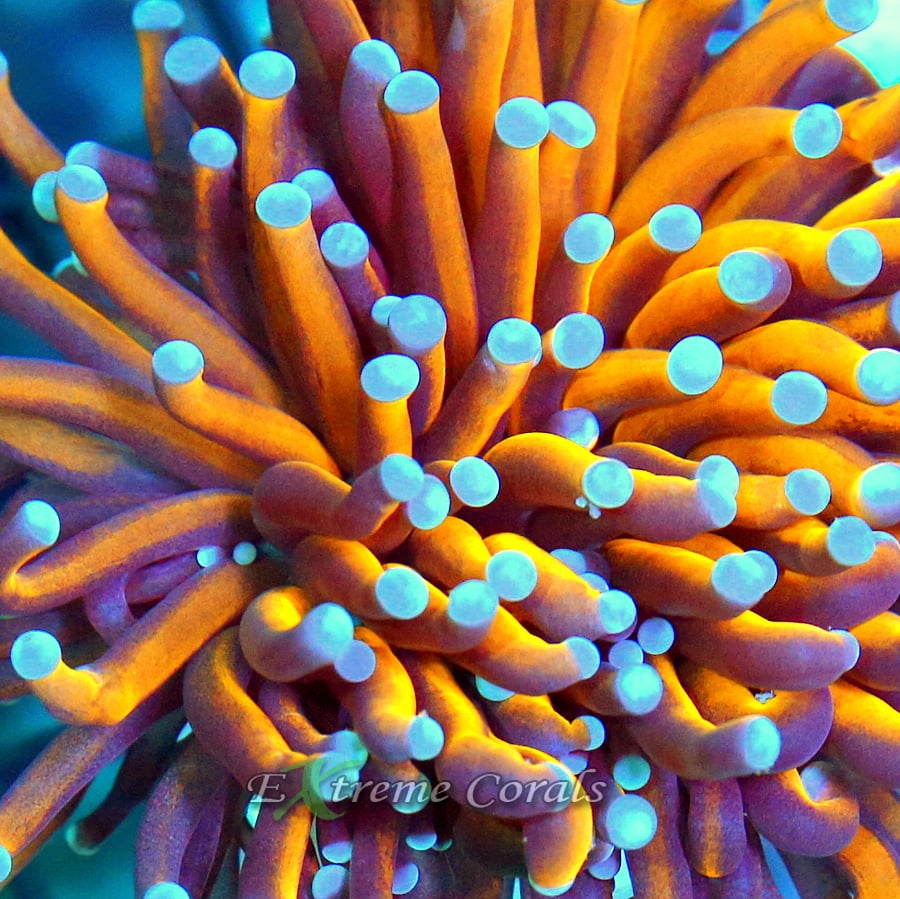
Mastering Torch Coral Care: Tank Requirements, Compatibility, and Feeding Tips
Discover essential tips for torch coral care, including tank requirements, ideal tank mates, feeding methods, and troubleshooting. Ensure a thriving marine environment with our comprehensive guide
by Scott Shiles • February 07, 2024
Looking to buy torch corals? Browse our LPS corals for sale and explore colorful WYSIWYG pieces for your reef tank.
Torch coral compatibility depends on spacing, tank mate selection, water flow, and placement. This guide explains which fish and corals can live near torch corals, how aggressive torch corals can be, and how to position them for better health and fewer stinging conflicts in a reef aquarium.
Torch corals are some of the most eye-catching LPS corals in the reef hobby, but they are not passive neighbors. Their long tentacles, sweeper reach, and individual temperament can make placement a major factor in long-term success. A torch coral may look peaceful during the day, then extend farther at night and sting nearby corals that seemed safely out of range.
Why Torch Coral Compatibility Matters
Compatibility is not just about whether a torch coral can survive in a mixed reef. It is about whether it can thrive without damaging nearby corals or being irritated by tank mates that constantly brush, nip, or crowd it. Torch corals need enough room to expand naturally, moderate indirect flow, and a stable location where they are not forced into constant contact with neighboring coral tissue.
Many torch coral problems that look like random stress are actually placement and compatibility issues. Tissue damage, poor extension, and repeated stinging often trace back to a coral being placed too close to other livestock.
Are Torch Corals Aggressive?
Yes, torch corals are generally considered aggressive compared with many other reef corals. They can extend sweeper tentacles and sting nearby corals, especially when space is limited or when another coral grows into their territory. Because of that, torch corals should not be packed tightly into a mixed reef without a plan.
This is one reason torch placement matters just as much as water chemistry. Even a healthy torch coral can become a problem if it is placed where its tentacles can reach neighboring colonies.
Can Torch Corals Touch Other Corals?
In most cases, torch corals should not be allowed to touch other corals. Their tentacles can damage softer or less aggressive neighbors, and even other LPS corals can respond badly to repeated contact. A mixed reef may look fine initially, then develop issues once the torch expands fully or begins extending farther after lights out.
If you keep a torch coral in a mixed reef, leave generous space around it and think ahead about growth, movement, and nighttime reach rather than only daytime appearance.
Can Torch Corals Touch Each Other?
Sometimes torch corals can coexist near other torch corals, but it is not guaranteed. Some colonies tolerate each other better than mixed coral pairings, while others still show aggression or decline after contact. The safest approach is to monitor them closely and avoid assuming that every torch will behave the same way.
Compatibility between torch corals often depends on the individual colony, available space, and overall tank conditions. Even when they appear compatible, they still need room for extension and flow.
Best Fish Tank Mates for Torch Coral
Torch corals usually do best with peaceful reef-safe fish that are unlikely to nip, dig around the base, or repeatedly crash into the coral. Calm fish that use other parts of the tank are often easier companions than species that constantly investigate coral flesh or tentacles.
Good candidates often include:
- Gobies
- Many peaceful wrasses
- Clownfish, with observation
- Blennies that do not pick at coral tissue
- Other small reef-safe community fish
Even with generally safe fish, behavior matters more than labels. A fish considered reef-safe can still annoy a torch coral if it constantly rubs against it or claims it as a host.
Tank Mates to Watch Carefully
Some fish and invertebrates are not automatic failures, but they deserve closer observation around torch corals. Species that peck at fleshy corals, disturb the sandbed around the base, or compete aggressively for territory can create chronic stress. Repeated irritation may lead to retraction, tissue damage, or poor expansion over time.
If a torch coral stays withdrawn after a new livestock addition, compatibility should be one of the first things you review.
Corals That Should Not Be Placed Near Torch Coral
Torch corals should be kept well away from many neighboring corals, especially those that are delicate, slow to recover from stings, or likely to grow into contact. This often includes nearby SPS colonies, weaker LPS corals, and any coral placed close enough to enter the torch coral's sweep zone.
Use extra caution with:
- Nearby SPS corals that are sensitive to tissue damage
- Other fleshy LPS corals that can lose ground in repeated contact
- Fast-growing corals that may expand into the torch over time
- Mixed coral groupings with little room for nighttime extension
If you want to compare torch corals with other LPS types, read our hammer coral care guide, torch coral care guide, and LPS corals in the reef keeping hobby.
How Much Space Does a Torch Coral Need?
Torch corals need more space than many beginners expect. It is not enough to leave room for the skeleton alone. You also have to account for full daytime extension, water movement, and nighttime sweeper reach. Leaving several inches of space is usually a much safer starting point than trying to fit torch corals into narrow gaps.
Spacing becomes even more important in tanks with strong growth, changing flow patterns, or multiple LPS corals placed on the same rock structure.
Best Placement for Torch Coral in a Mixed Reef
The best placement for torch coral is usually an area with moderate, indirect flow, stable light, and enough surrounding space that nearby corals cannot be reached easily. Torch corals should not be blasted directly by flow, but they also should not sit in stagnant areas where debris settles around the tissue.
When placing a torch coral, think about:
- How far the tentacles extend when fully open
- Whether nearby corals may grow closer over time
- How the flow pattern shifts throughout the tank
- Whether fish regularly swim through or hover in that area
For a deeper look at these variables, learn more about coral lighting and water flow and coral health.
Does Flow Affect Torch Coral Compatibility?
Yes, flow can change compatibility outcomes more than many reef keepers realize. If flow causes a torch coral to whip hard in one direction all day, its reach may become more dangerous to nearby corals. If flow is too weak, the coral may collect waste and stay irritated. Proper moderate indirect flow helps the torch move naturally without being forced into repeated contact with nearby livestock.
Placement should always be evaluated together with flow, not as a separate decision.
Common Signs of a Compatibility Problem
If a torch coral is not placed well, the symptoms often show up in its extension and tissue condition. Watch for:
- Repeated retraction near one side of the colony
- Visible sting damage on nearby corals
- Tissue recession after adding a new neighbor
- Fish or invertebrates repeatedly picking at the tentacles
- Corals that looked fine by day but show damage later
When these issues appear, stepping back and reassessing spacing, flow, and nearby livestock is often more effective than chasing chemical fixes first.
How to Introduce a Torch Coral Safely
When adding a new torch coral, acclimate it carefully and choose a placement zone before setting it permanently. Give it time to settle, then observe how far it extends under your lighting and flow pattern. Avoid placing it immediately beside prized corals until you have seen its behavior for several days and nights.
It also helps to keep a stable routine for salinity, alkalinity, and temperature. Compatibility issues are often magnified when a torch coral is already stressed from unstable conditions. For a broader reef stability reference, visit our coral care page and read our guide to pH and alkalinity in reef tanks.
Shop Torch Corals and LPS Corals
Looking to add torch corals to your reef tank? Browse our WYSIWYG LPS corals, featured corals for sale, and new arrival corals to find colorful pieces for your next reef upgrade.
Frequently Asked Questions
Q: Are torch corals aggressive?
A: Yes, torch corals are generally considered aggressive because their tentacles can sting nearby corals if they are placed too close.
Q: Can torch corals touch other corals?
A: In most cases, no. Torch corals should be given generous space because contact with other corals often leads to tissue damage or stress.
Q: Can torch corals touch each other?
A: Sometimes they can coexist, but compatibility varies by colony, so they should still be monitored closely.
Q: What fish go well with torch coral?
A: Peaceful reef-safe fish such as gobies, many wrasses, and other calm community fish are often better choices than species that nip or constantly disturb corals.
Q: How much room should torch coral have?
A: Torch corals should have several inches of clearance around them so their tentacles do not reach neighboring corals as they expand and sway in the current.
About the Author
Scott Shiles is the owner of ExtremeCorals.com, which he has operated for over 25 years and is recognized as one of the early dedicated live coral websites on the internet. A lifelong reef keeper since 1984, Scott has decades of hands-on experience maintaining marine aquariums and previously owned and operated a brick and mortar aquarium retail store for 10 years, including five years alongside Extreme Corals. He holds a degree in Marine Biology and has personally selected and sold hundreds of thousands of live corals. An avid scuba diver who has explored reef systems around the world, Scott shares practical coral care and husbandry knowledge based on real world reef experience.
overall rating:
my rating:
log in to rate
Please log in to leave a comment.
For more information visit: additional resources